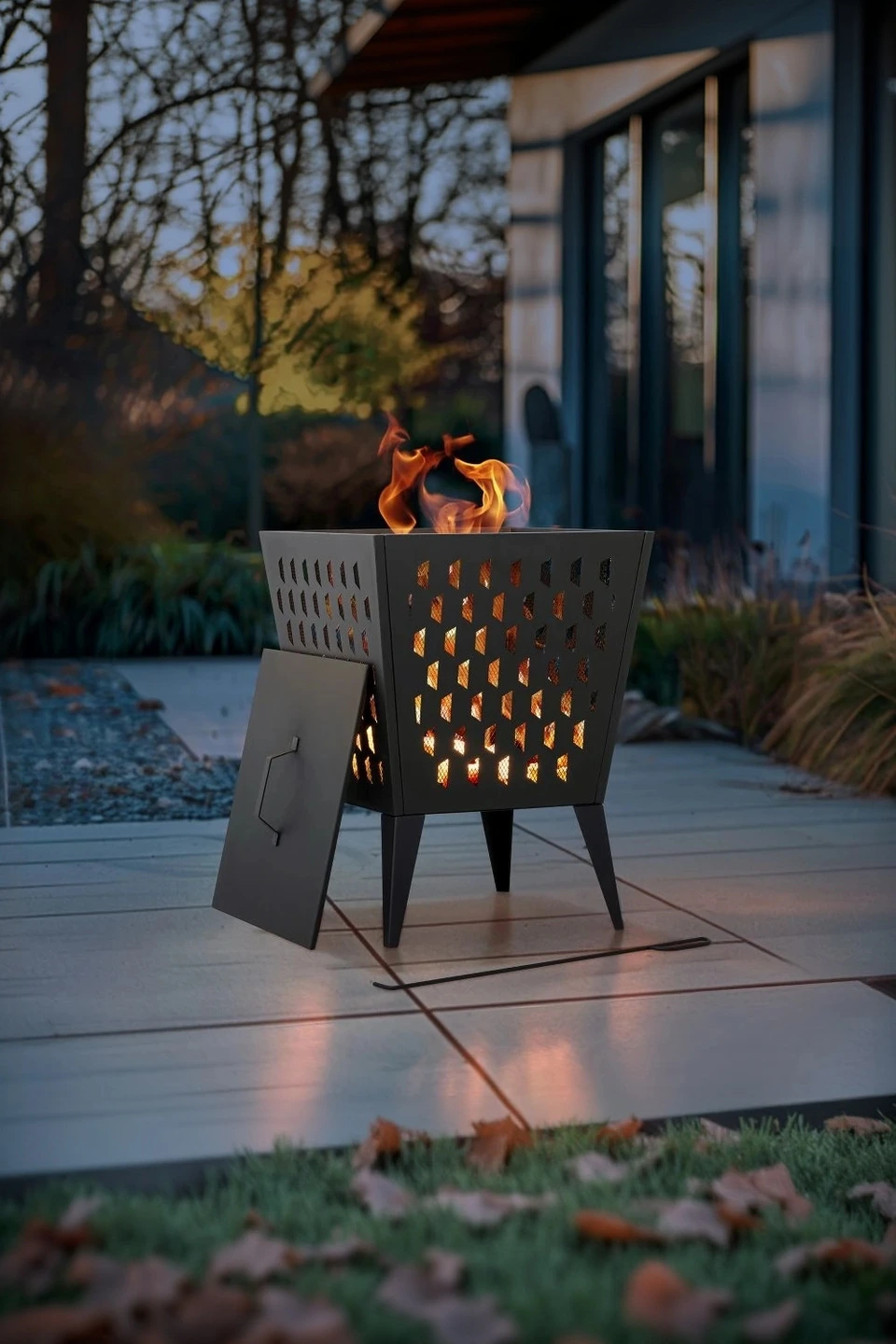
When you're working with a compact garden—whether it's a narrow Brooklyn backyard, a Chicago courtyard, or a West Coast balcony that technically counts as outdoor space—every design decision carries extra weight. You can't afford the luxury of sprawl, which means the elements you do choose need to earn their real estate. That's where smokeless fire pits enter the conversation, not as a compromise for small spaces, but as a genuinely superior solution that happens to work brilliantly when square footage is limited.
The conventional wisdom around fire features has long been "go big or go home," with sprawling stone rings dominating suburban patios and Instagram feeds alike. But that thinking overlooks what actually makes outdoor spaces feel inviting: intimacy, warmth, and the absence of your neighbors coughing through billowing smoke clouds. Smokeless technology addresses the last point while amplifying the first two, creating focal points that bring people together without the logistical headaches that have historically accompanied backyard fires.
Why Smokeless Technology Changes the Small-Space Equation
Traditional fire pits operate on a simple principle: burn wood, accept smoke as an inevitable byproduct, hope the wind cooperates. In a generous yard with ample clearance from structures and property lines, that arrangement works reasonably well. Compress that scenario into a 200-square-foot garden surrounded by neighbors' windows, and suddenly you're navigating wind patterns like a sea captain, timing fires around laundry schedules, and fielding passive-aggressive texts about smoke drift.
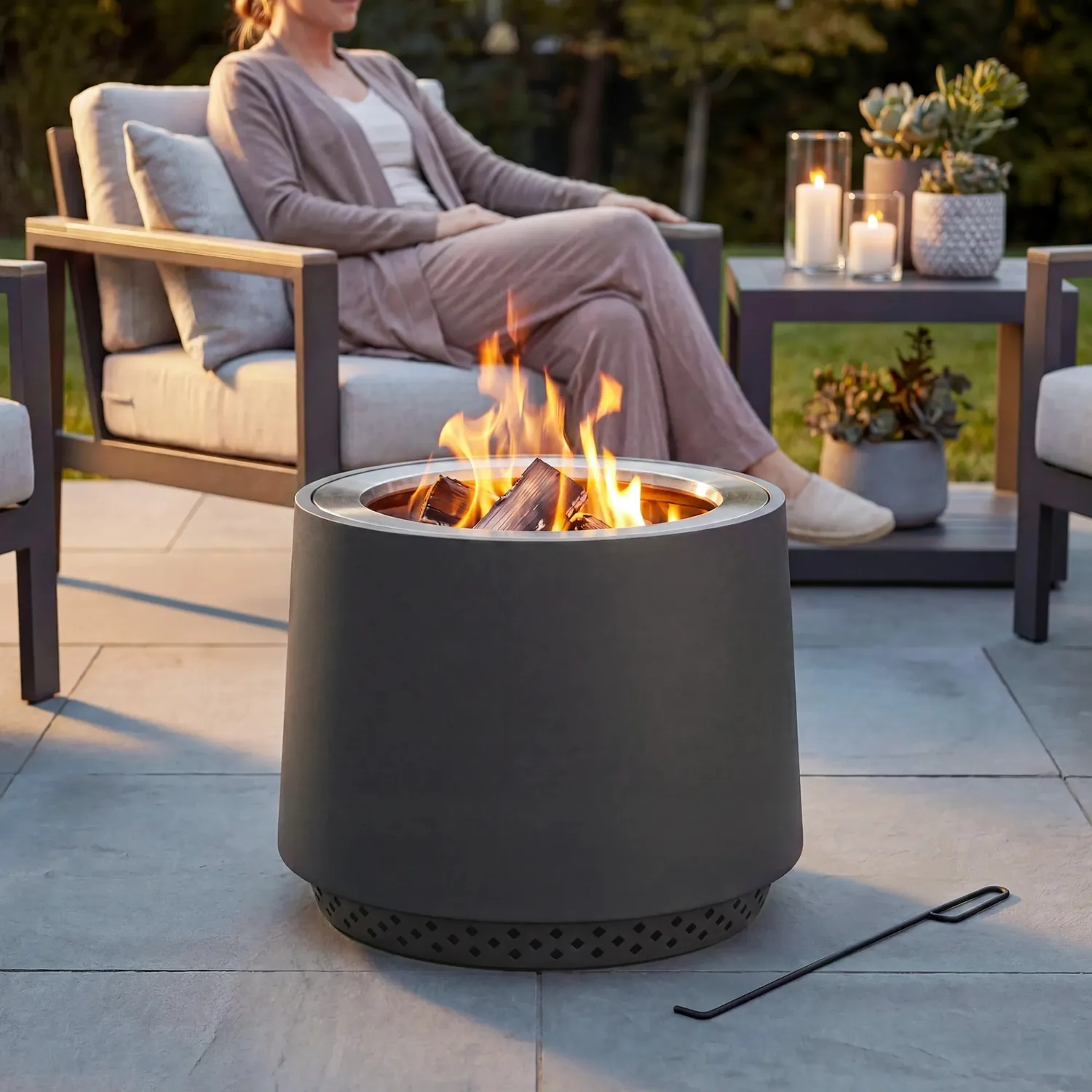
Smokeless fire pits use a double-wall design that pulls air through bottom vents, preheats it between the walls, and reintroduces it at the top of the burn chamber. This superheated secondary combustion burns off the particles that would otherwise become smoke, resulting in a cleaner, hotter fire that produces minimal visible smoke once properly established. For small gardens, this isn't just a nice feature—it's the difference between a fire pit you actually use and one that becomes an expensive planter after two awkward attempts.
The efficiency gains matter too. Because smokeless designs maximize combustion, you're burning less wood for comparable heat output. In a compact space where you can't stockpile cordwood, and where every trip to refuel disrupts the seating arrangement, that efficiency translates to longer, more relaxed evenings without the constant tending traditional fires demand.
Sizing Considerations That Actually Make Sense
The fire pit market loves to tout "cozy" models that still occupy a 36-inch footprint—manageable in a sprawling yard, but genuinely problematic when you're trying to maintain safe clearances in a space that also needs to accommodate seating, pathways, and possibly some actual plants. Smokeless fire pits tend toward more compact profiles by design, with effective models starting around 18 inches in diameter.
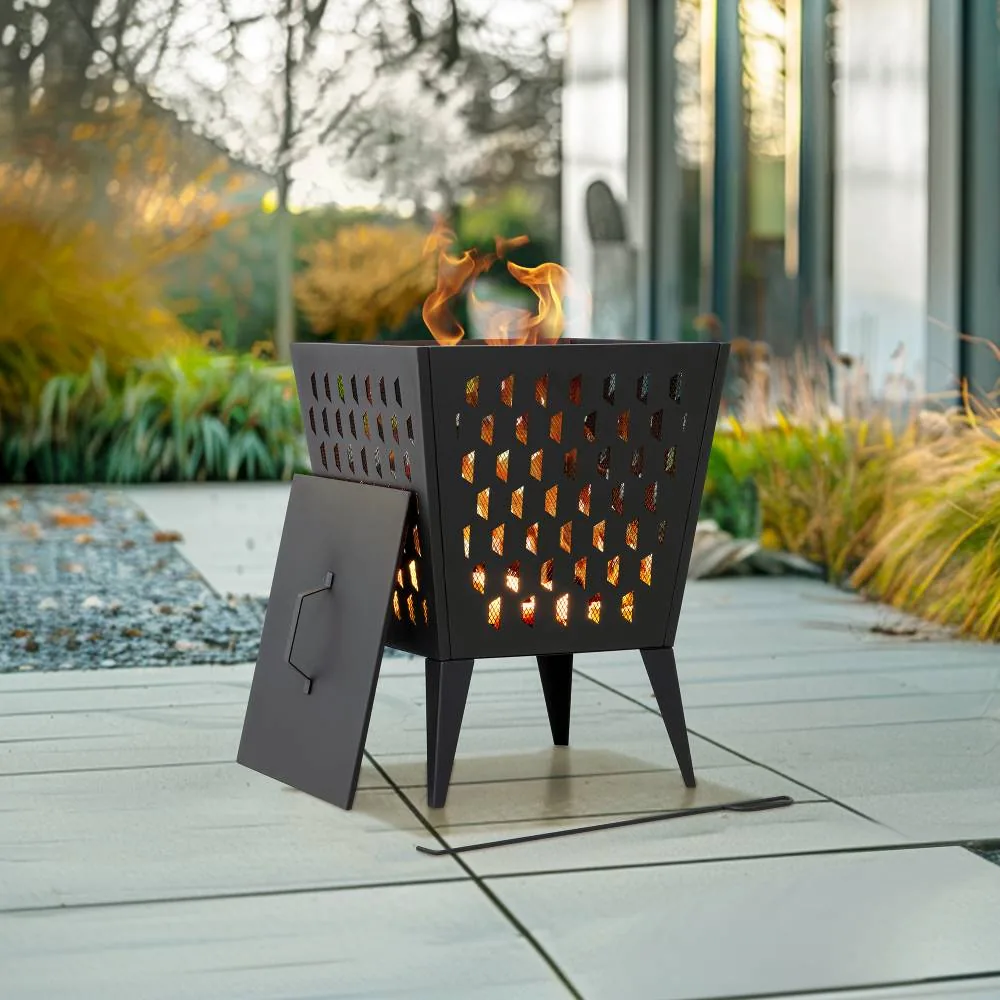
Something like the SUNJOY 18 Inch Backyard Wood Burning Fire Pit with Fire Poker and Lid demonstrates how thoughtful proportions can deliver genuine ambiance without dominating a space. At that scale, you're looking at a fire feature that can anchor a seating area for four without requiring those guests to arrange themselves in fire-safety formation. The included lid is particularly relevant for small gardens, where a fire pit often needs to double as a side table or simply fade into the background when not in use.
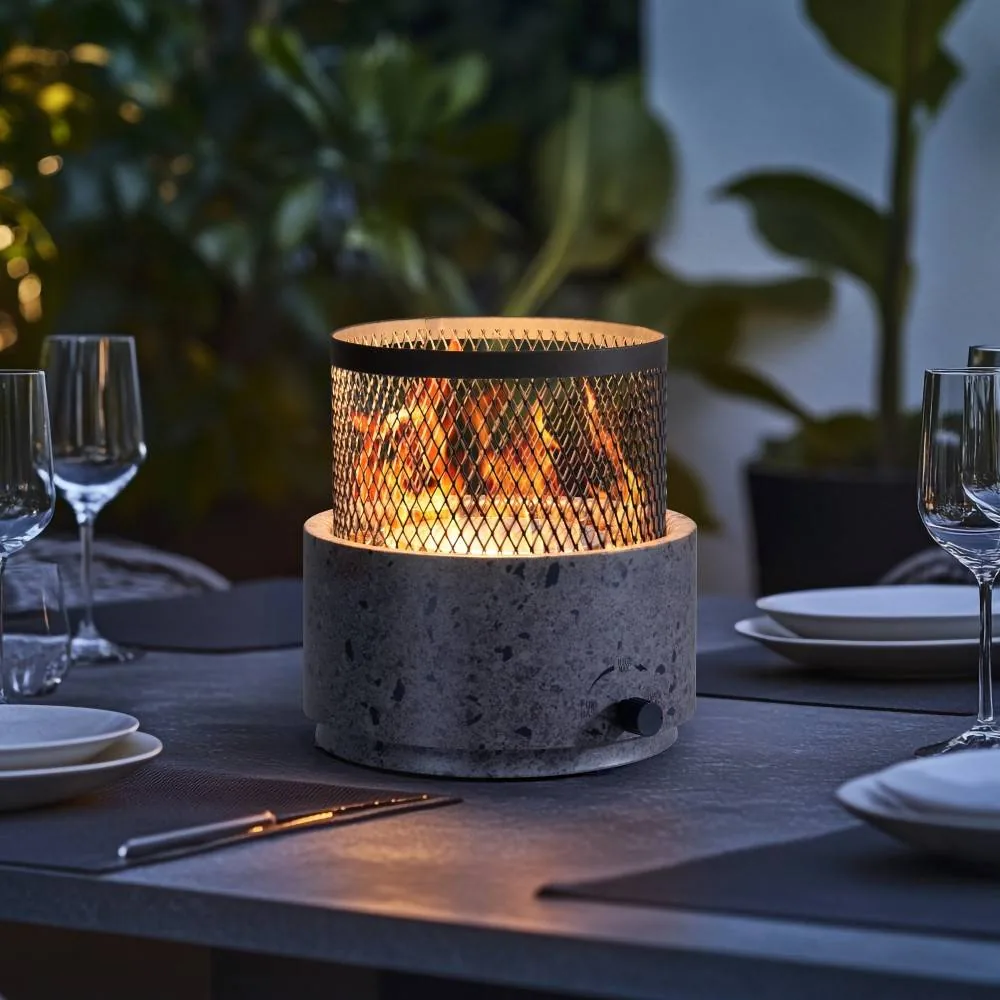
For truly constrained spaces—we're talking balconies, narrow side yards, or rooftop gardens where every element needs to justify itself—tabletop options shift the paradigm entirely. The SUNJOY Smokeless Tabletop Fire Pit with Stainless Steel Burner and Two Adjustable Flames operates on a completely different scale, creating focal-point warmth without consuming floor space. This isn't a compromise solution; it's a recognition that fire's visual appeal and heat output don't require ground-level installation. Placed on a outdoor dining table or a sturdy side surface, a tabletop unit delivers atmosphere for intimate gatherings while remaining completely portable when you need the surface for other purposes.
Material Choices and Weather Reality
Small gardens often mean more exposure to the elements, not less. Without generous eaves or covered patios, your garden decor takes the full brunt of rain, snow, and UV exposure. Traditional fire pits in cast iron or basic steel develop character—which is a polite way of saying rust—faster in these conditions.
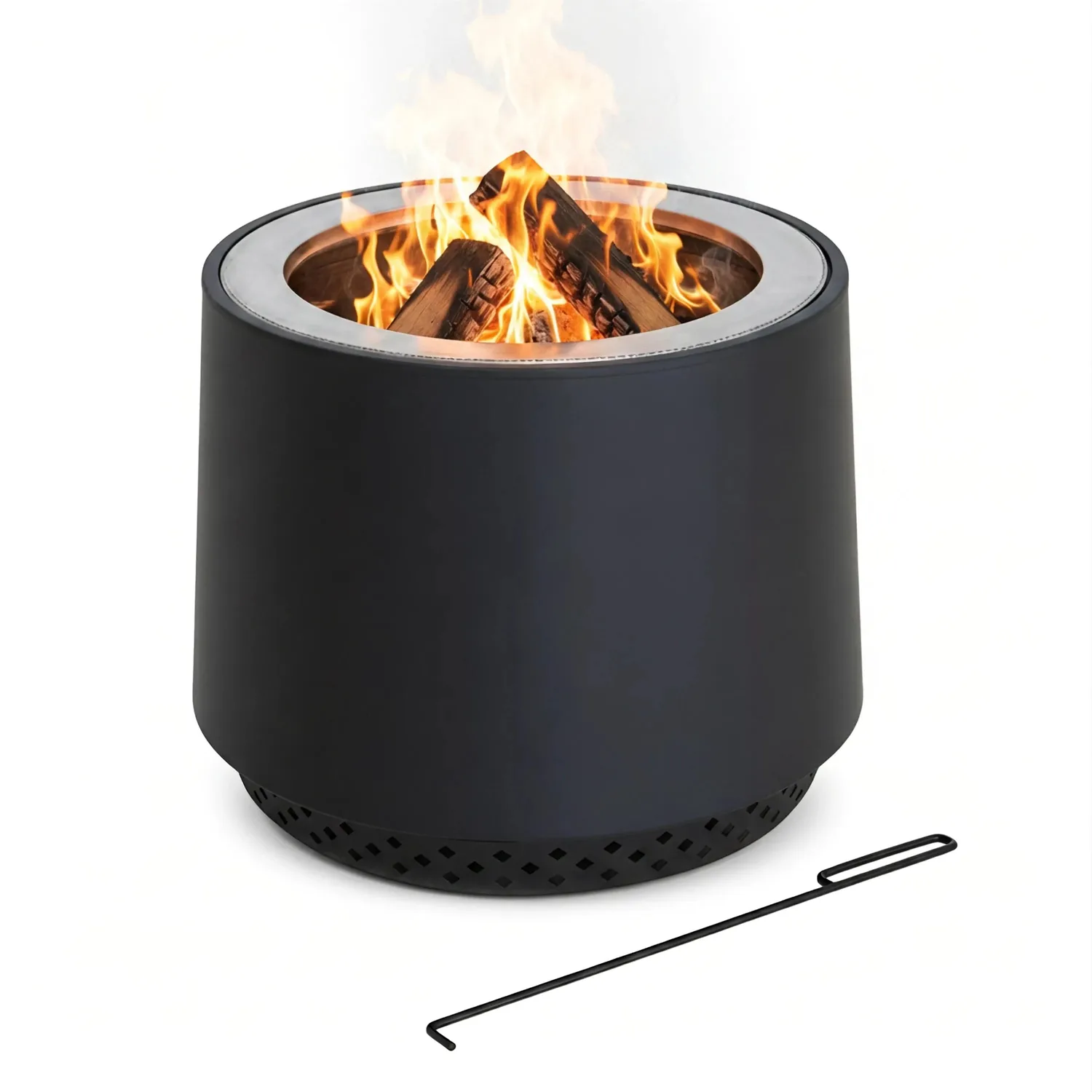
SUNJOY 21 Inch Cylindrical Stainless Steel Smokeless Fire Pit with PVC Cover and Poker - Gray
Sunjoy · Featured in this article
Stainless steel construction addresses this reality head-on. The SUNJOY 21 Inch Cylindrical Stainless Steel Smokeless Fire Pit with PVC Cover and Poker represents the more durable end of the spectrum, with corrosion resistance that makes seasonal covering optional rather than mandatory. The included PVC cover matters more than it might seem; in compact spaces, you're not wheeling the fire pit into a shed between uses. It lives where it sits, which means weatherproofing becomes part of the usability equation.
The cylindrical form factor deserves attention too. In small spaces, circular designs create better flow than rectangular alternatives, eliminating sharp corners that catch shins and create awkward dead zones. The visual weight feels more appropriate at modest scales—a round fire pit reads as intentional, while a small rectangular model can look like a larger one's disappointing younger sibling.
Integration with Existing Garden Elements
The most successful small-space designs layer functions rather than segregating them. A fire pit shouldn't be "the fire pit area" that sits unused eleven months a year—it needs to coexist with plantings, seating, and circulation patterns in a way that feels organic rather than imposed.
This is where smokeless technology's reduced clearance requirements become genuinely liberating. You're not negotiating with as many safety-mandated buffer zones, which means the fire pit can nestle closer to planted borders, seating walls, or structural elements without turning your insurance agent prematurely gray. That proximity allows for more sophisticated garden compositions where fire becomes one element in a layered scene rather than a isolated focal point surrounded by nervous emptiness.
Consider how a fire feature relates to vertical growing space, which small gardens rely on heavily. Traditional smoky fires limit what you can plant nearby—smoke-sensitive specimens need distance, and constant soot accumulation on foliage is both unsightly and harmful. Smokeless combustion reduces both concerns, opening up design possibilities where climbing roses, espaliered fruit trees, or even vegetable trellises can occupy the same sightlines as your fire feature.
The Evening-Extension Factor
Small outdoor spaces face a particular challenge as temperatures drop: they cool faster and feel less inviting precisely when you'd most benefit from outdoor time. Early spring evenings and late fall afternoons represent prime "almost comfortable" moments when fifteen degrees of supplemental warmth transforms "maybe we should go inside" into "let's stay out another hour."
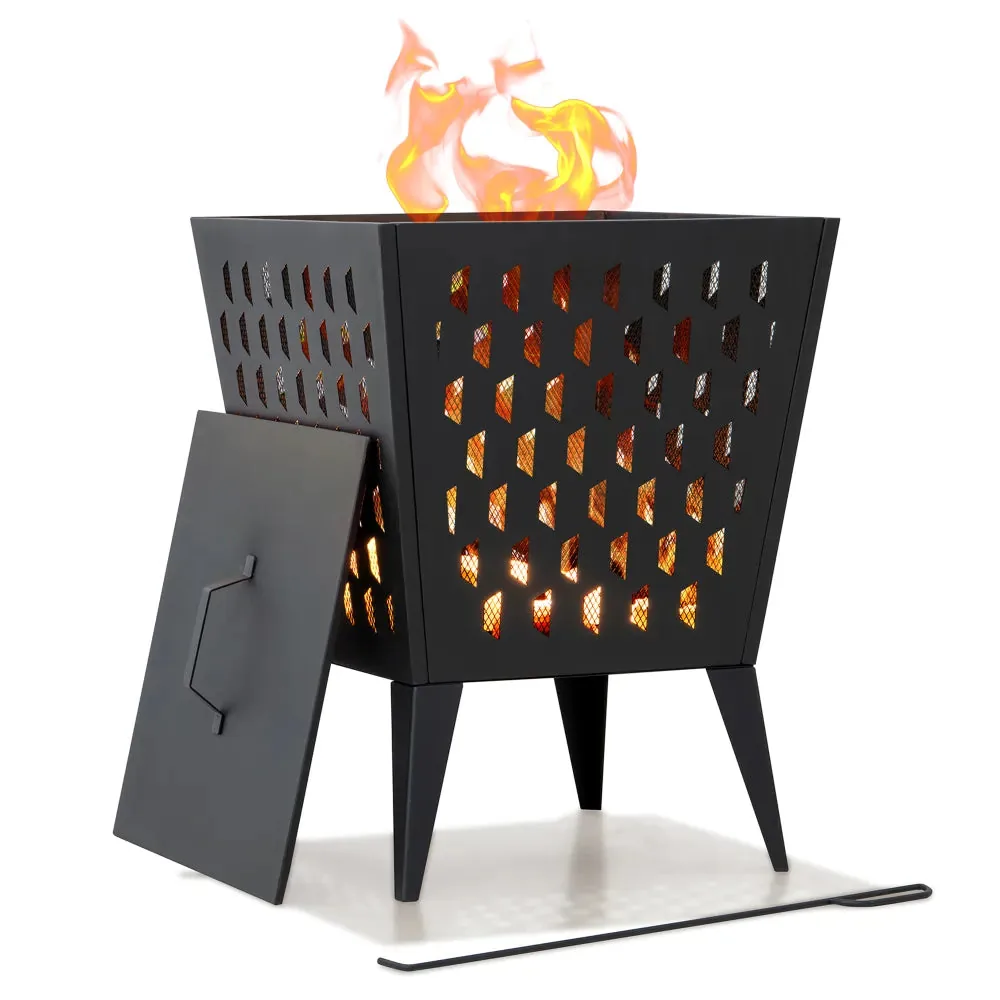
SUNJOY 18 Inch Backyard Wood Burning Fire Pit with Fire Poker and Lid
Sunjoy · Featured in this article
Smokeless fire pits excel at this specific use case because they establish effective heat output quickly and maintain it consistently. You're not waiting through a smoky startup phase or constantly adjusting wood to maintain temperature. For impromptu evening use—the weeknight glass of wine, the post-dinner coffee—this responsiveness matters significantly more than it does in sprawling yards where fires become planned events.
The psychological impact shouldn't be dismissed either. A fire feature visible from interior spaces extends your perceived living area even when you're not actively using it. Through a kitchen or living room window, a fire pit serves as a reminder that the garden exists as a destination, not just a view. In small urban or suburban lots where outdoor space feels precious, that visual connection increases how often you actually venture outside.
Maintenance Realities in Compact Settings
Small spaces tend to be high-traffic spaces, which means your fire pit gets seen constantly—not just when it's lit and looking its best, but during the long stretches when it's sitting idle accumulating fallen leaves and urban grime. Maintenance burden matters more when you're passing the fire pit six times a day versus occasionally strolling past it in a large backyard.
Smokeless designs generally produce less ash because they're achieving more complete combustion, which reduces one maintenance task. The ash that does accumulate tends to be finer and lighter, making cleanup quicker. Many models include removable ash trays or pans that simplify disposal without requiring you to tip the entire unit.
That said, small-space fire pits need covers that actually get used, not covers that live in the shed because they're too cumbersome to deploy. Look for designs where the cover integrates logically—stored on hooks nearby or designed to stay in place as a weatherproof lid that doubles as a table surface when secured.
When Fire Pits Don't Make Sense
It's worth acknowledging that some small gardens genuinely aren't candidates for fire features, smokeless or otherwise. Spaces with overhanging branches, proximity to structures with vinyl siding, or locations where clearances to property lines simply can't be maintained require different approaches to outdoor ambiance. String lights, lanterns, and outdoor heaters can create warmth and atmosphere without open flame.
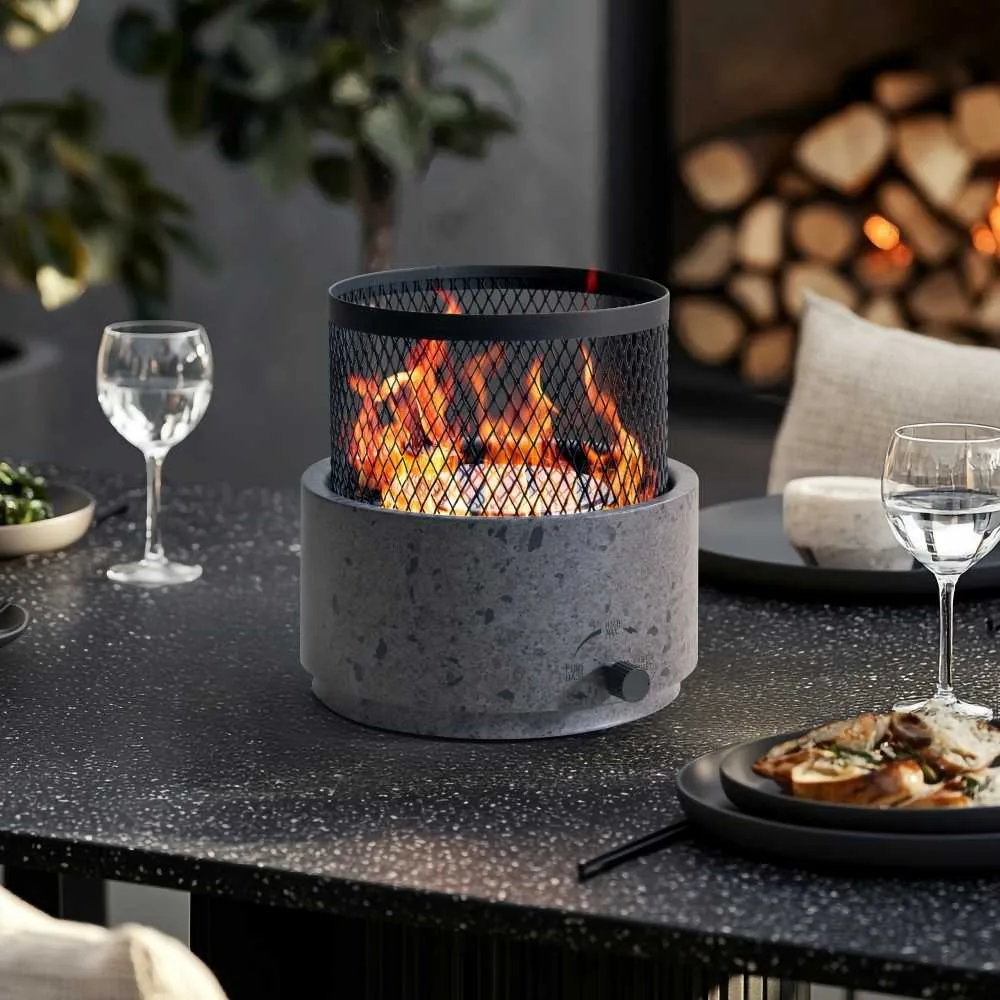
SUNJOY Smokeless Tabletop Fire Pit with Stainless Steel Burner and Two Adjustable Flames
Sunjoy · Featured in this article
Similarly, if your small garden already functions perfectly as a planted sanctuary without hardscape elements, introducing a fire pit might solve a problem you don't have. Not every outdoor space needs to be an entertainment zone, and sometimes the most honest design decision is recognizing what a space wants to be rather than imposing what you think it should accommodate.
Making the Investment Work
Quality smokeless fire pits represent a genuine investment—materials and engineering that enable clean combustion cost more than basic fire rings. In small spaces, that investment actually pencils out more favorably because you're more likely to use the feature regularly. A fire pit in a distant corner of a large yard might see monthly use; one that's steps from your back door and doesn't annoy neighbors becomes a genuine lifestyle element.
Consider total cost of ownership beyond the initial purchase. Smokeless efficiency means less wood consumption, reduced maintenance, and longer material life due to more complete combustion producing less corrosive buildup. Over several seasons, these factors narrow the gap between premium and budget options considerably.
If you're exploring fire features for your compact outdoor space, the collection of garden decor options can help you consider how different elements work together to create cohesive designs. Fire pits don't exist in isolation—they're part of a larger composition that includes seating, lighting, and planted elements.
Below, we've compiled answers to frequently asked questions about smokeless fire pits in small gardens, addressing common concerns about installation, usage, and maintenance that come up as people evaluate these features for compact outdoor spaces.
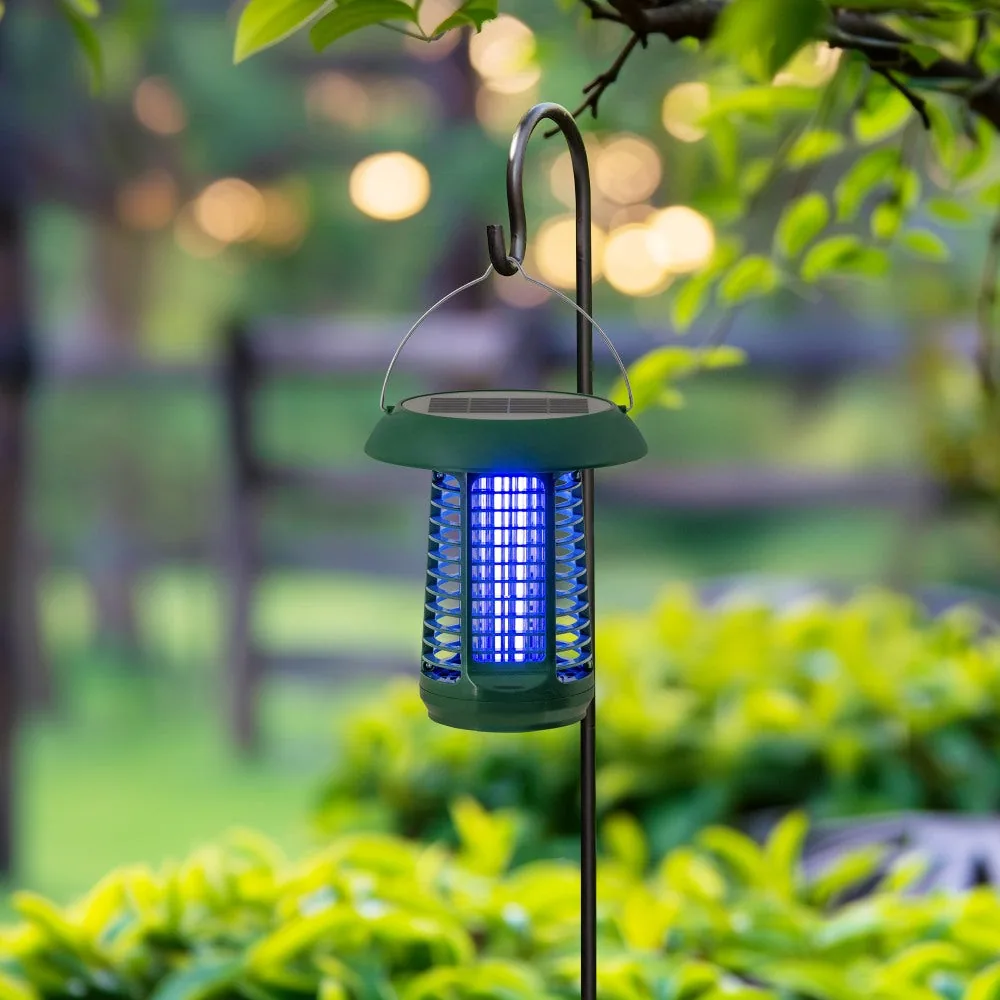
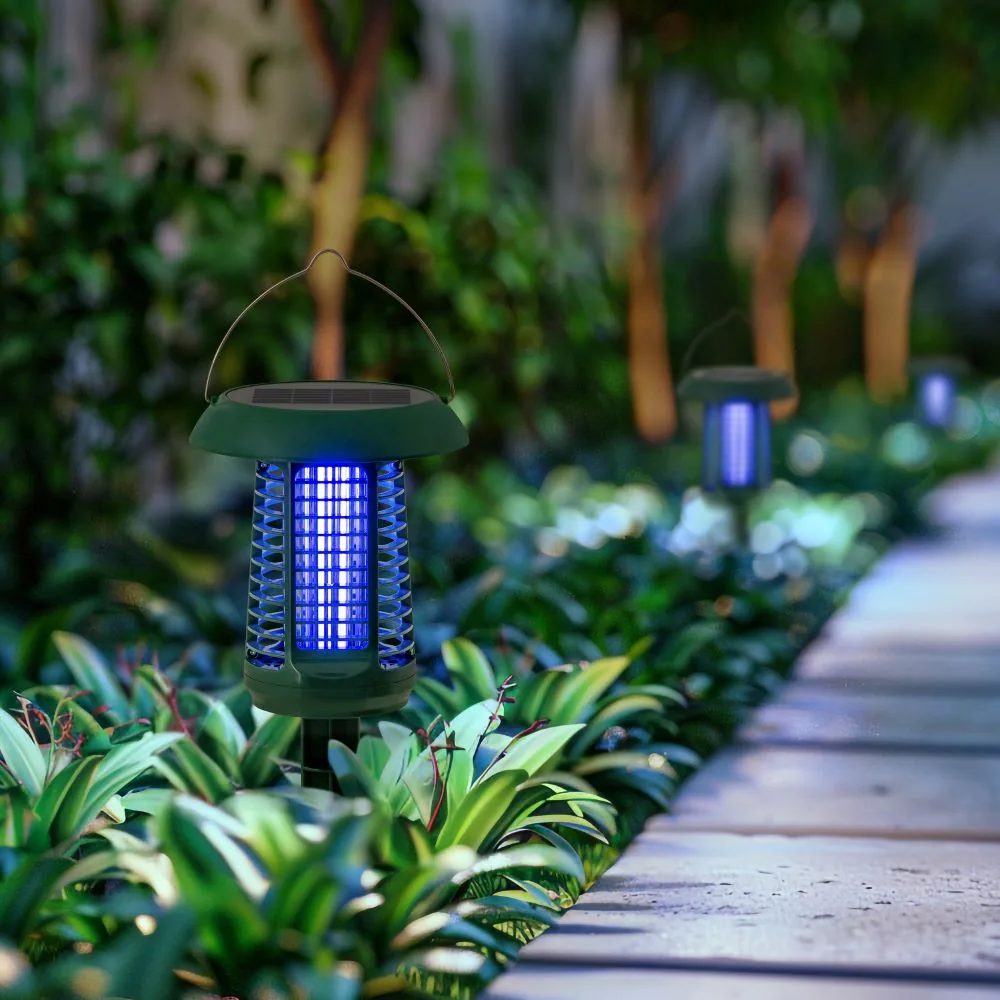
SUNJOY 2 in 1 Solar Powered Bug Zapper with Solar Panel and UV Light
Sunjoy · Featured in this article