The moment you start thinking about your backyard as a series of distinct zones rather than one flat, undifferentiated space, everything changes. Suddenly, the area near your back door becomes an extension of your kitchen. That forgotten corner transforms into a cozy reading nook. The pathway turns into an intentional journey rather than just a way to reach the shed. And the secret to making these invisible boundaries feel real after sunset? Strategic solar lighting that works as hard as any landscape architect's master plan.
Professional landscape designers don't scatter lights randomly—they use illumination to guide movement, define purpose, and create atmosphere. The beauty of solar lighting is that it gives you this same power without trenching, wiring, or calling an electrician. You're working with the sun's energy and your own spatial intelligence to craft distinct outdoor rooms that each serve their own purpose from dusk until dawn.
Understanding the Five Essential Backyard Zones
Before you place a single solar fixture, you need to identify which zones actually exist in your space. Most backyards naturally divide into five functional areas, though yours might have three or all seven depending on your lot size and how you use the space.
The entry transition zone is that critical threshold where your home meets the outdoors—typically a patio, deck, or the immediate area outside your back door. This is your outdoor living room, where you need ambient lighting bright enough for conversation and dining but warm enough to feel inviting. Think of this as the zone that needs the most foot-candles because it gets the most use and the most scrutiny.
Your pathways and circulation routes form the connective tissue between zones. These might be formal stone walkways or simply the routes your feet have worn through the grass to reach the garden shed, garbage bins, or gate. Safety matters here, so consistent, predictable lighting prevents twisted ankles and creates visual flow.
The garden and landscape feature zone is where your plants, trees, water features, or sculptural elements live. This zone is purely about drama and aesthetics—you're highlighting what deserves attention and adding depth through shadow play.
A perimeter or boundary zone defines your property edges and creates security. This is where you're establishing territory and making intruders think twice, but you're also preventing your backyard from feeling like it drops into a black void after dark.
Finally, most yards benefit from at least one activity zone—a fire pit area, outdoor kitchen, play space, or quiet meditation corner that serves a specific purpose and needs lighting calibrated to that function.
Layering Light Intensity Across Zones
Once you've mentally mapped your zones, the next step is assigning each one an appropriate light level. This is where most DIY attempts go wrong—people either under-light everything into murkiness or blast every square foot with the same intensity, creating a flat, parking-lot effect.
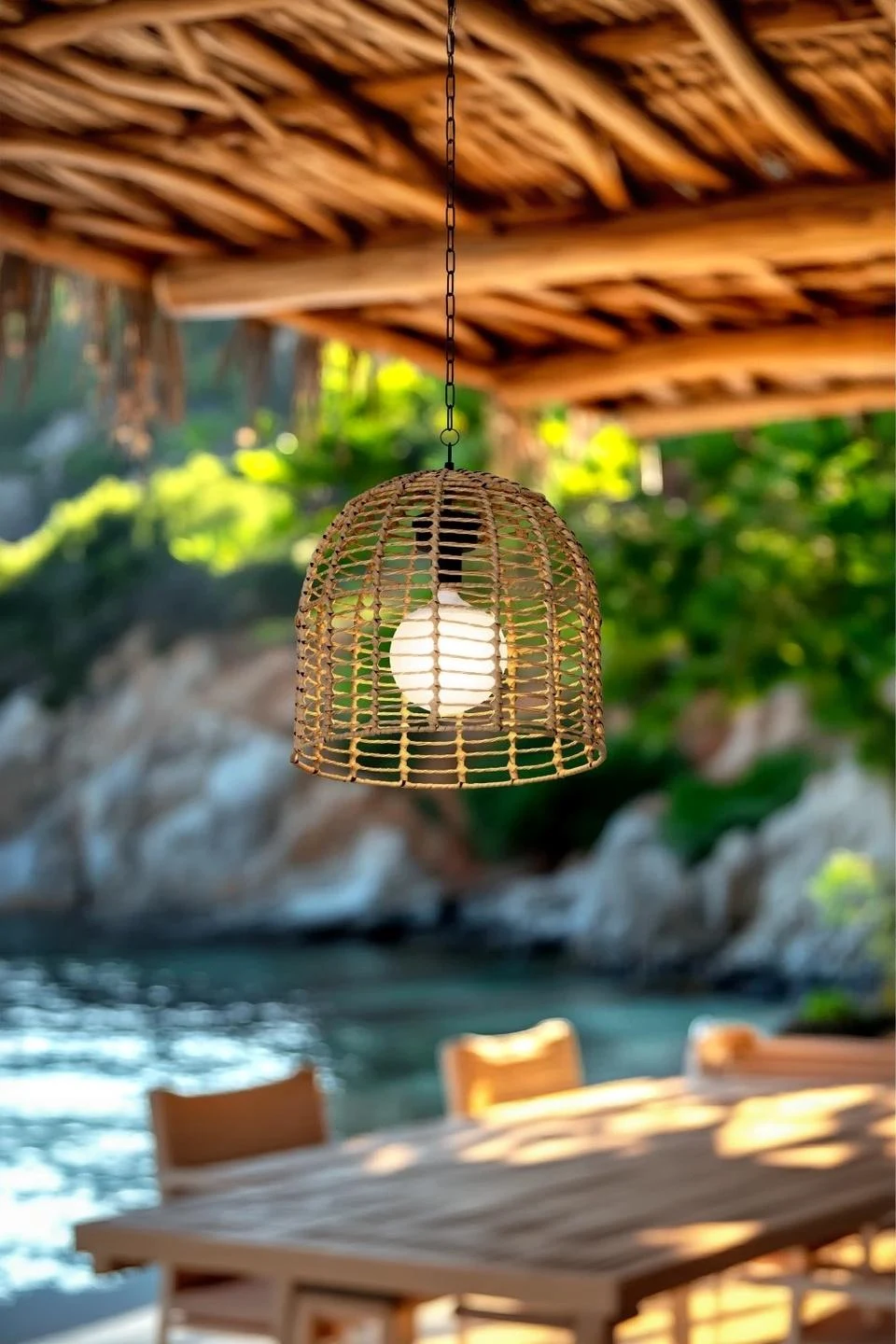
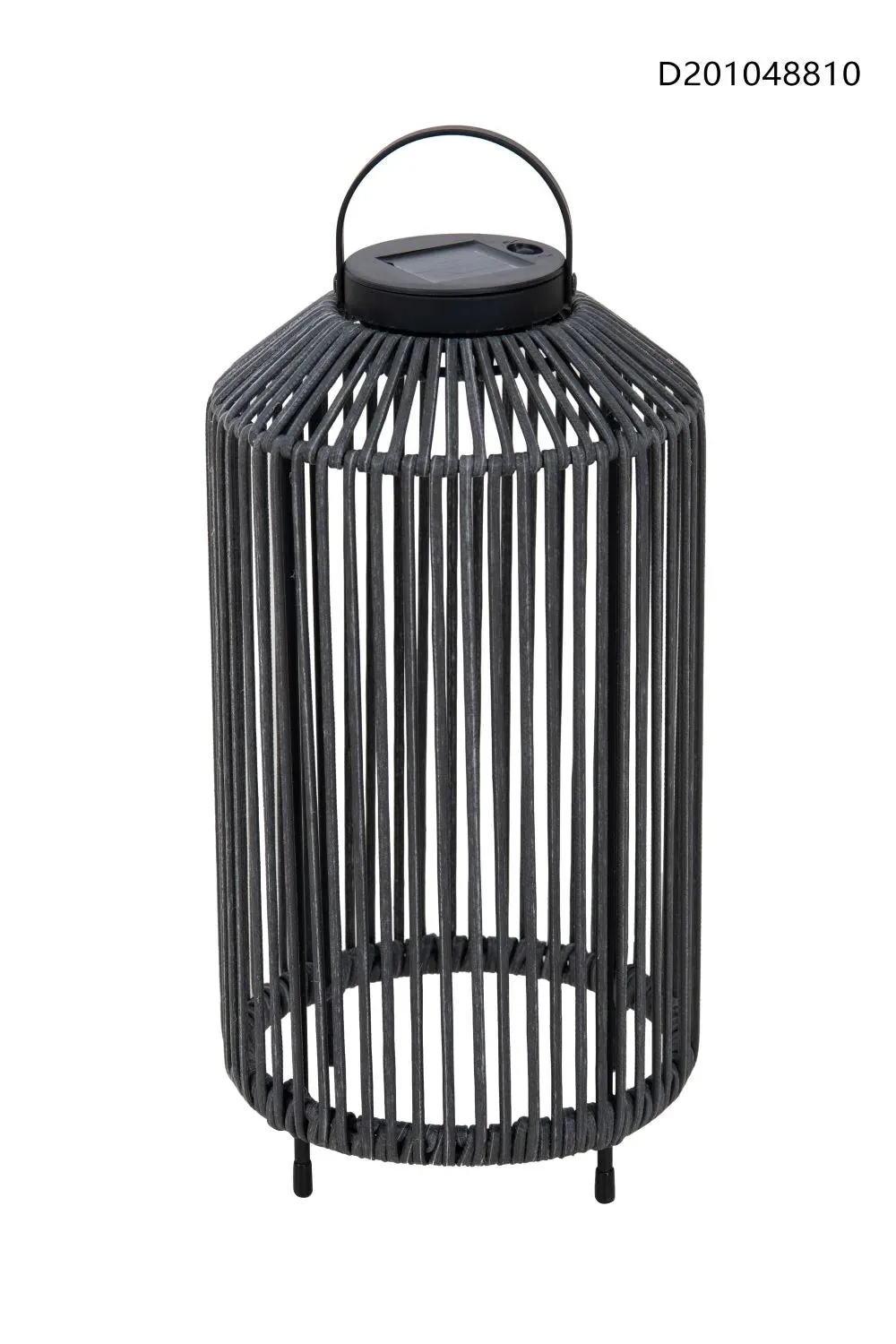
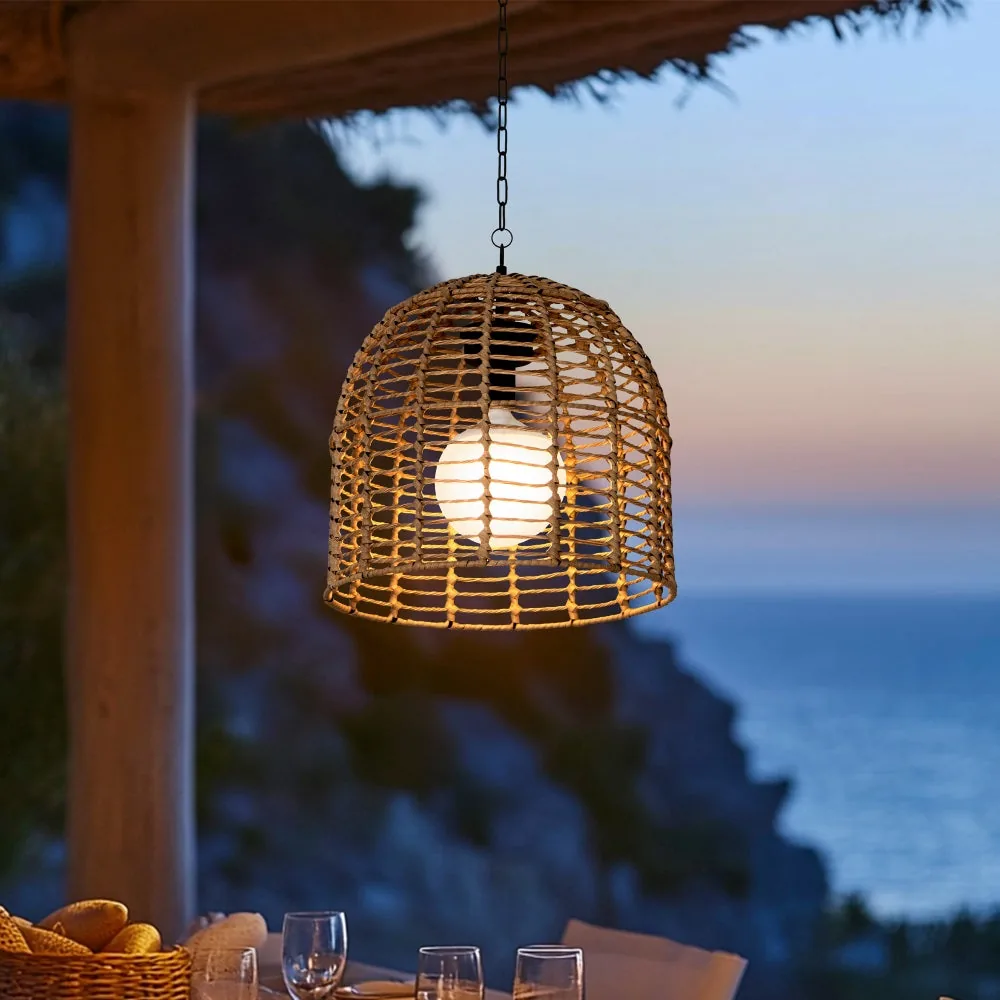
Your entry transition zone should be your brightest area, but "bright" doesn't mean stadium lighting. You want enough illumination to see faces clearly, read a menu, or carry a tray of drinks without incident. Solar fixtures with 100-300 lumens work well here, especially if you cluster multiple sources—a wicker outdoor chandelier overhead plus a few tabletop lanterns creates pleasant, even light without harsh shadows. The 25-in Black Solar Lantern - Elegant Outdoor Ambiance works beautifully on side tables in this zone, offering substantial presence and enough glow to anchor a seating area.
Pathways need enough light to define edges and reveal obstacles, but not so much that they compete with your destination zones. Aim for 50-100 lumens spaced every 6-8 feet along the route. The rhythm matters as much as the brightness—evenly spaced path lights create a sense of intention and safe passage.
Your garden and feature zone operates on drama, not utility. Here you might use brighter uplights (200+ lumens) to wash a tree trunk or spotlight a sculpture, while keeping the surrounding area deliberately dimmer to increase contrast. Solar spotlights with adjustable heads give you flexibility to change what you're highlighting as plants grow and seasons shift.
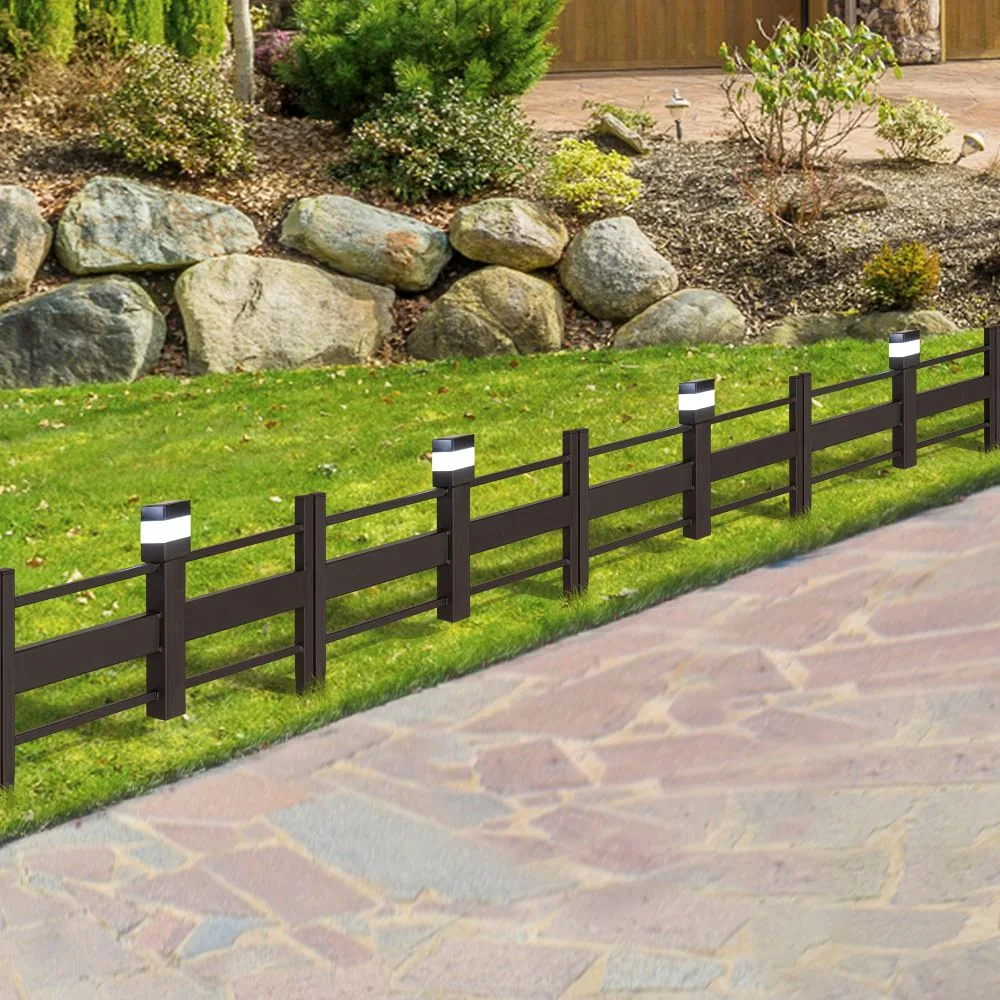
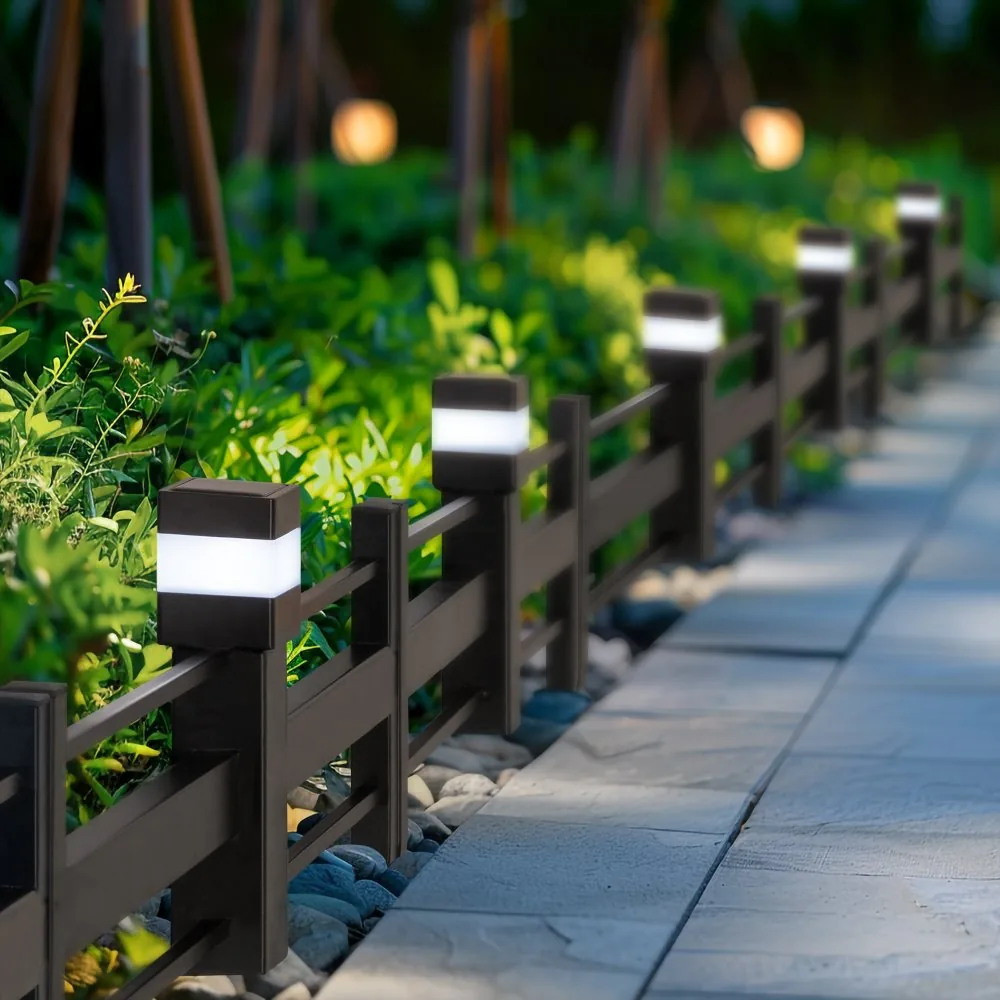
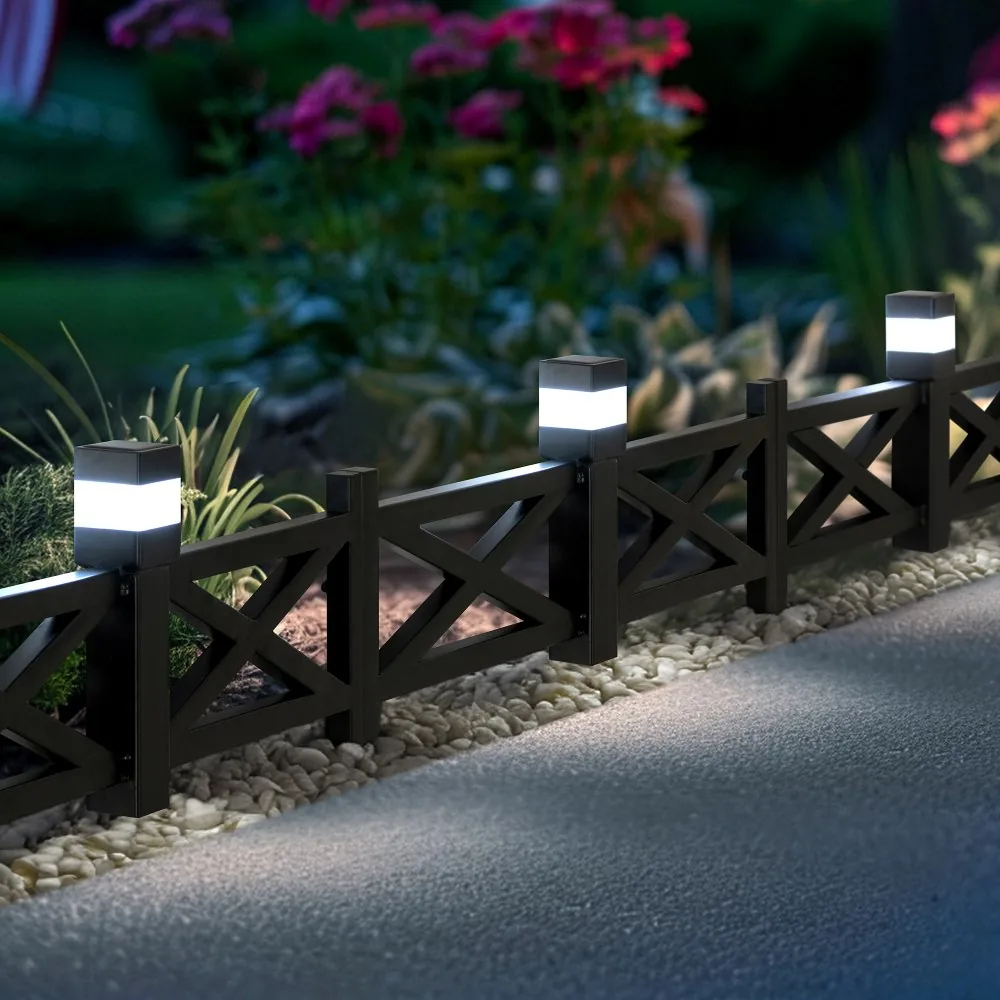
Perimeter lighting occupies an interesting middle ground—you want enough light to define the boundary and discourage unwanted visitors, but not so much that you're creating light pollution for neighbors or washing out the stars. The Solar-Lit Garden Border Fence - Transform Your Outdoor Space with Elegant Metal Edging serves double duty here, providing both physical definition and integrated illumination that marks boundaries without feeling fortress-like.
Creating Visual Hierarchy and Flow
Good lighting design borrows a principle from photography: you can't emphasize everything, or you emphasize nothing. Your eye needs somewhere to land first, then a path to follow through the composition.
Solar-Lit Garden Border Fence - Transform Your Outdoor Space with Elegant Metal Edging
Sunjoy · Featured in this article
Identify your focal point—the zone or feature you want visitors to notice immediately when they step outside. This might be your seating area, a beautiful tree, or a water feature. Give this zone the highest contrast and intensity. Everything else should be slightly subordinate, creating a visual hierarchy that guides the eye naturally.
Use lighting temperature and color to reinforce zone distinctions. Most solar fixtures emit warm white light (2700-3000K), which is universally flattering for gathering spaces. But if you have zones with different purposes, you might choose slightly cooler whites (3500-4000K) for task areas like an outdoor kitchen, while keeping warmer tones for lounging zones. This subtle temperature shift helps the brain register that "this space is for cooking" versus "this space is for relaxing" without conscious thought.
The transition between zones matters enormously. Abrupt changes in light level feel jarring and destroy the illusion of a cohesive outdoor environment. Instead, let zones bleed into each other slightly. If your pathway leads from a bright patio to a dimmer garden zone, use one or two intermediate fixtures to step down the intensity gradually. This creates a pull, an invitation to explore rather than a wall of darkness that says "stop here."
Defining Boundaries Without Creating Walls
One of the trickiest aspects of zoning is marking territory without making your backyard feel chopped up or claustrophobic. Light has an advantage over physical barriers here—it can suggest boundaries that remain permeable and flexible.
For zones that shouldn't feel separate—like the transition from dining patio to nearby lounge area—use the same fixture style and spacing but shift the placement pattern. Your eye registers the change in rhythm without hitting a wall. For zones that should feel more distinct—like separating active play space from quiet meditation area—introduce a gap in the lighting pattern or switch fixture styles entirely.
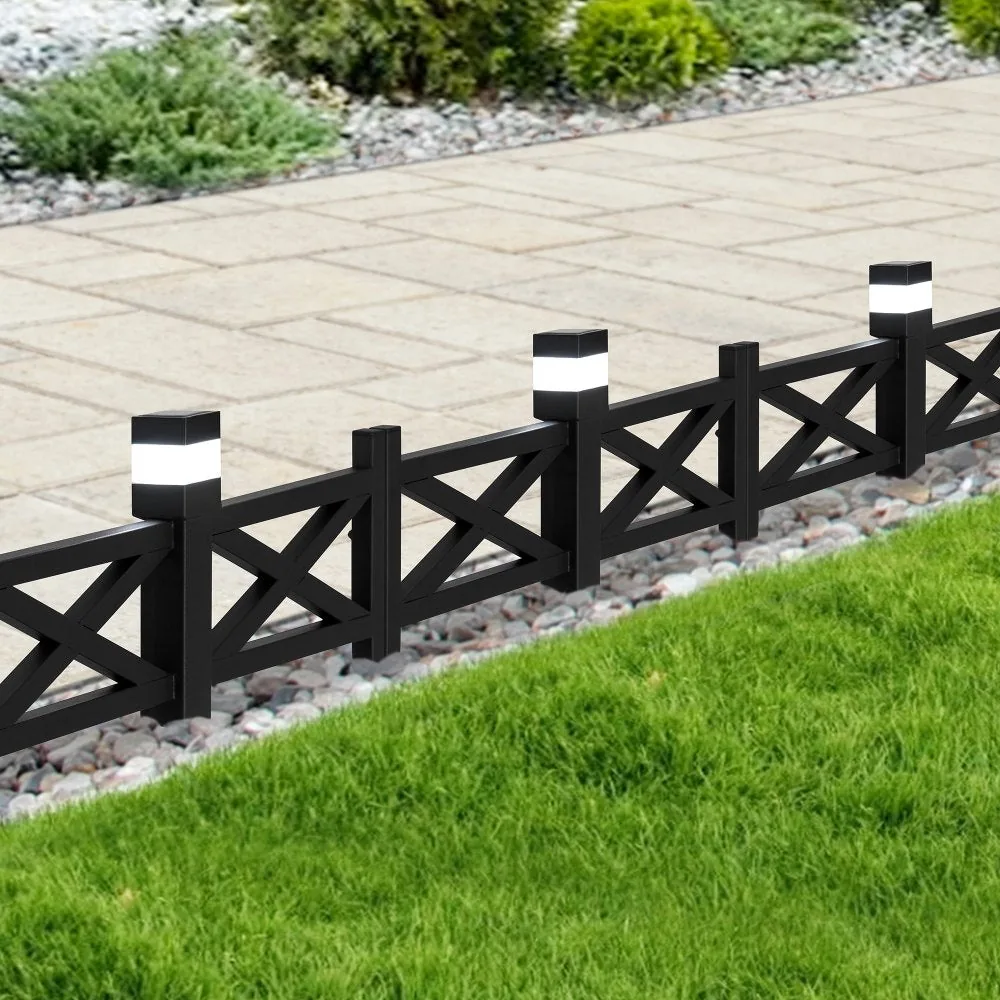
Perimeter lighting presents a particular challenge because you're trying to define the edge of your property without creating a prison yard aesthetic. This is where integrated solutions like the Transform Your Garden with Elegant Solar-Lit Metal Fence Panels - Create Your Dream Outdoor Space excel—they provide structure, definition, and illumination as a single gesture rather than adding lighting as an afterthought to existing fencing.
Consider using light to create "soft walls" between zones. A line of slightly taller solar lanterns can suggest division without blocking movement or sight lines. Similarly, uplighting a hedge or row of grasses creates an illuminated screen that separates spaces while maintaining visual interest.
Adjusting for Seasonal Use and Growth
Your backyard isn't static, and neither should your lighting zones be. One of solar lighting's great advantages is portability—stakes pull up, fixtures move, and you're not stuck with decisions made in March when you're trying to host a September dinner party.
Transform Your Garden with Elegant Solar-Lit Metal Fence Panels - Create Your Dream Outdoor Space
Sunjoy · Featured in this article
As plants grow, shadows shift. That solar spotlight that perfectly illuminated your Japanese maple in its first season might now be blocked by lower branches or creating weird shadows as the tree has matured. Plan an annual lighting review each spring, adjusting positions and pruning as needed to maintain your intended effects.
Seasonal use patterns also change how you prioritize zones. In summer, you might invest more light in the pathway to your outdoor dining zone and pool area. In fall, the fire pit zone becomes primary. Rather than maintaining maximum lighting everywhere year-round, shift your brightest, newest fixtures to wherever you're actually spending time. Move older fixtures (which may have reduced battery capacity) to perimeter zones where slightly dimmed output doesn't affect the experience.
Weather patterns affect solar performance, so if you live somewhere with long winter shadows or frequent cloud cover, you may need to temporarily consolidate zones—bringing lights from less-used areas to reinforce your primary gathering space during months when charging efficiency drops.
Troubleshooting Common Zoning Mistakes
The most common error is creating what I call "lighting puddles"—isolated pools of light with vast dark spaces between them. This happens when people think about individual fixtures rather than the connected experience of moving through zones. Step back and look at the whole journey. If someone walking from your back door to the garden shed encounters three distinct puddles of light with darkness in between, you need intermediate fixtures to connect the narrative.
Another frequent mistake is over-lighting utilitarian zones while neglecting destinations. Yes, you need light on the path to the trash bins, but that shouldn't be brighter than the beautiful seating area you actually want people to enjoy. Recalibrate your hierarchy so destinations win.
Watch for unintended glare from poorly positioned fixtures. A solar light that works beautifully when you're standing in the garden can become an annoying bright spot when viewed from your dining table. Shield sources, redirect beams, or choose fixtures with frosted globes that diffuse light rather than projecting it directly into sight lines.
Finally, resist the temptation to treat zone boundaries as rigid. The magic happens in the overlap—that liminal space where the pathway zone bleeds into the garden zone, where seating area light reaches just far enough to reveal the first few feet of lawn beyond. These soft edges make your backyard feel larger and more mysterious, not smaller and boxed in.
If you're interested in more ways to enhance your outdoor spaces, our article on creating ambiance with landscape lighting offers additional techniques that complement zoning strategies, while our guide to maximizing solar panel efficiency ensures your fixtures perform at their peak throughout the season.
The frequently asked questions section that follows addresses specific technical questions about solar fixture placement, battery performance, and zone-specific recommendations for different yard sizes and climates.
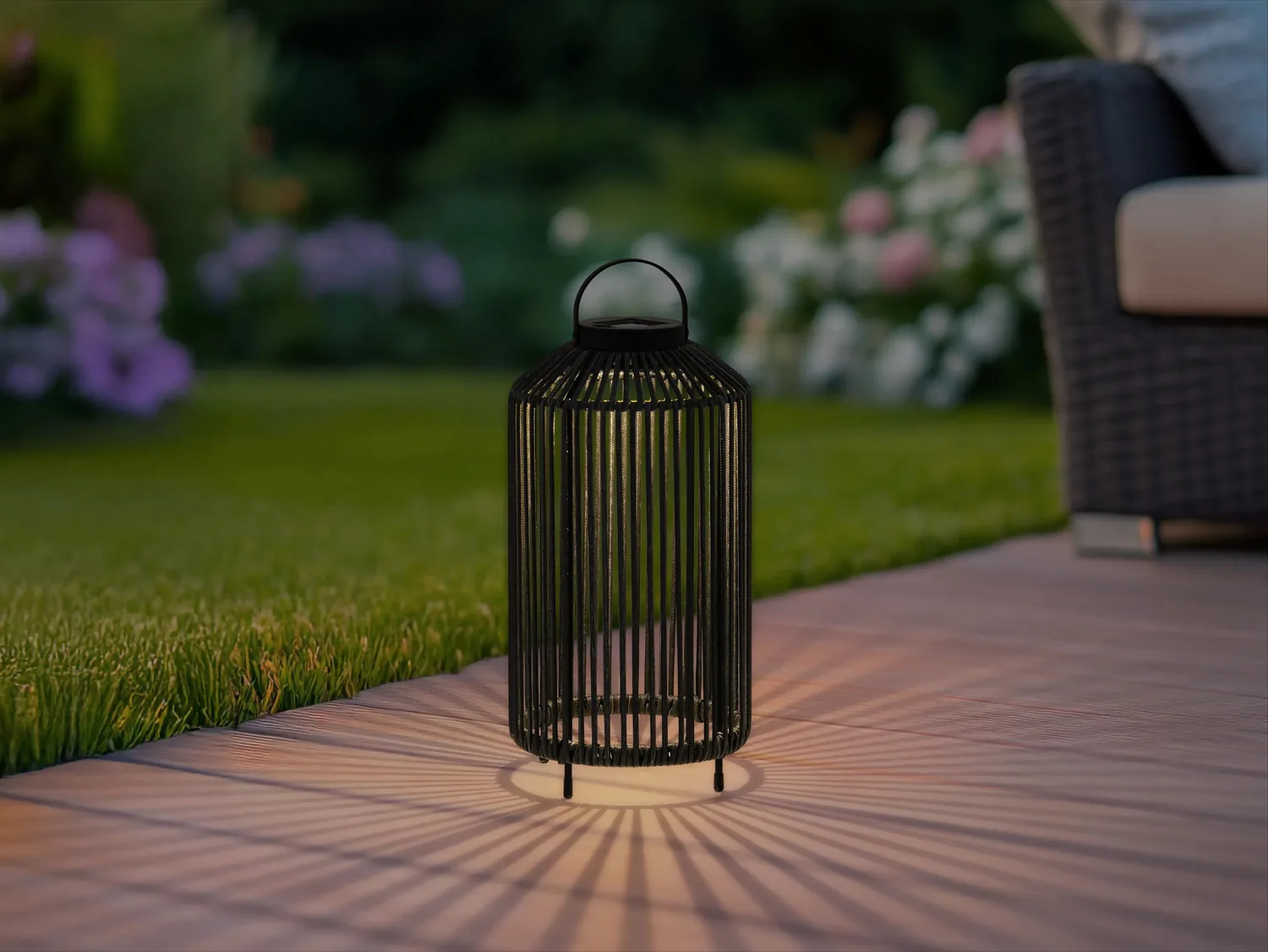
Transform Your Evenings: 25-in Black Solar Lantern - Elegant Outdoor Ambiance
Sunjoy · Featured in this article
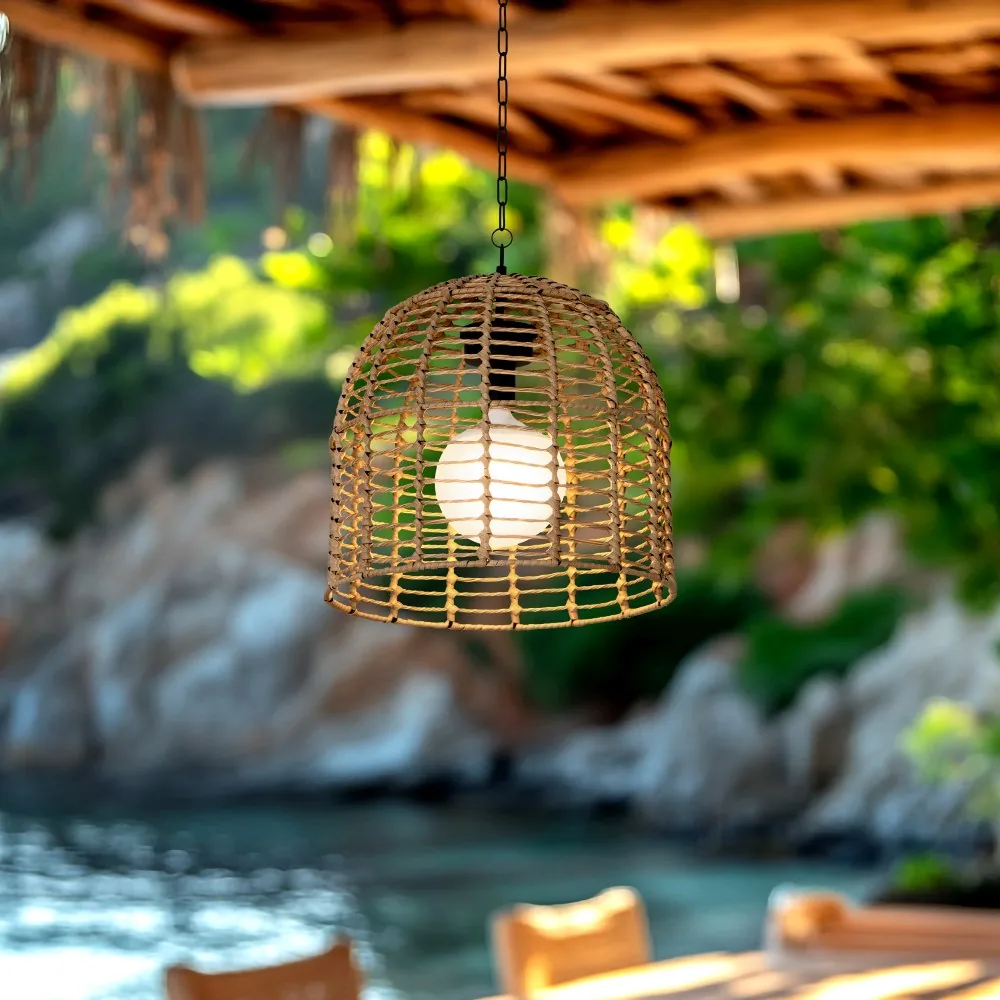
Elegant Wicker Outdoor Chandelier with Remote - Transform Your Patio into Paradise
Sunjoy · Featured in this article
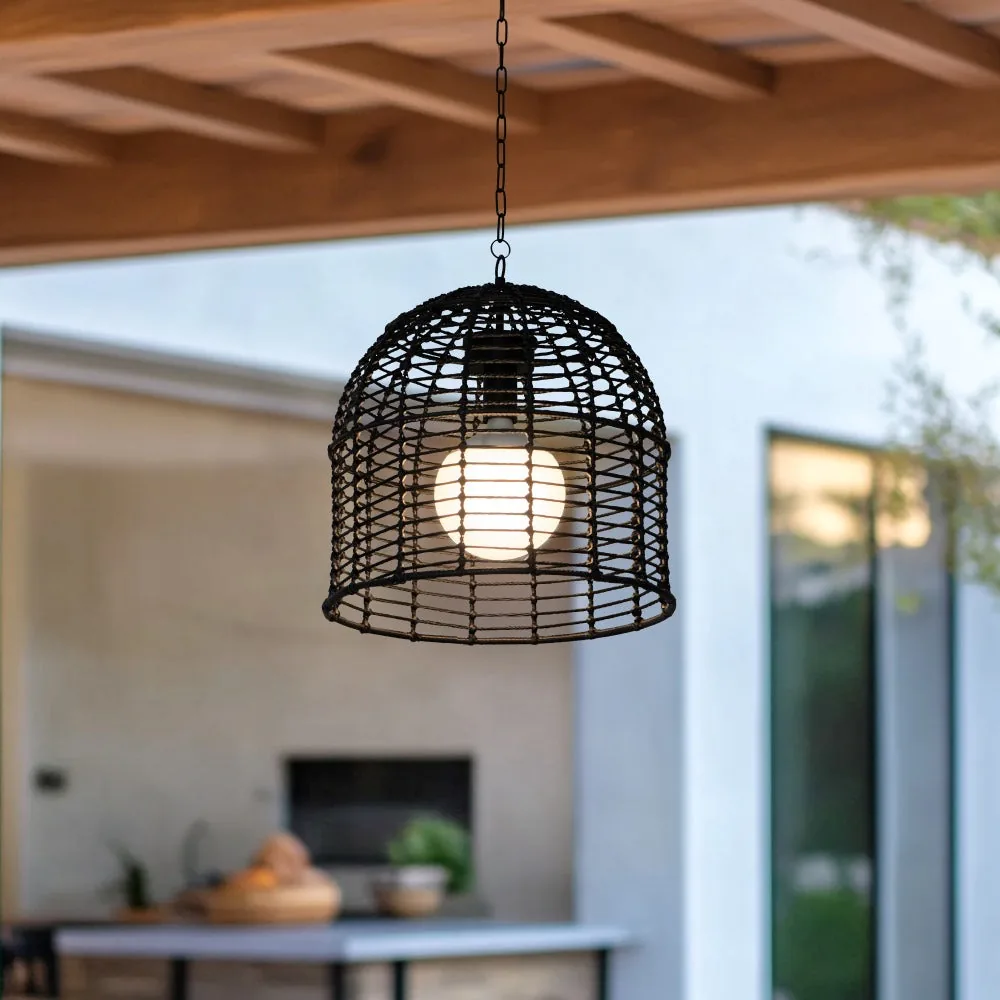
Black Wicker Outdoor Chandelier with Remote - Transform Your Patio into a Luxury Retreat
Sunjoy · Featured in this article