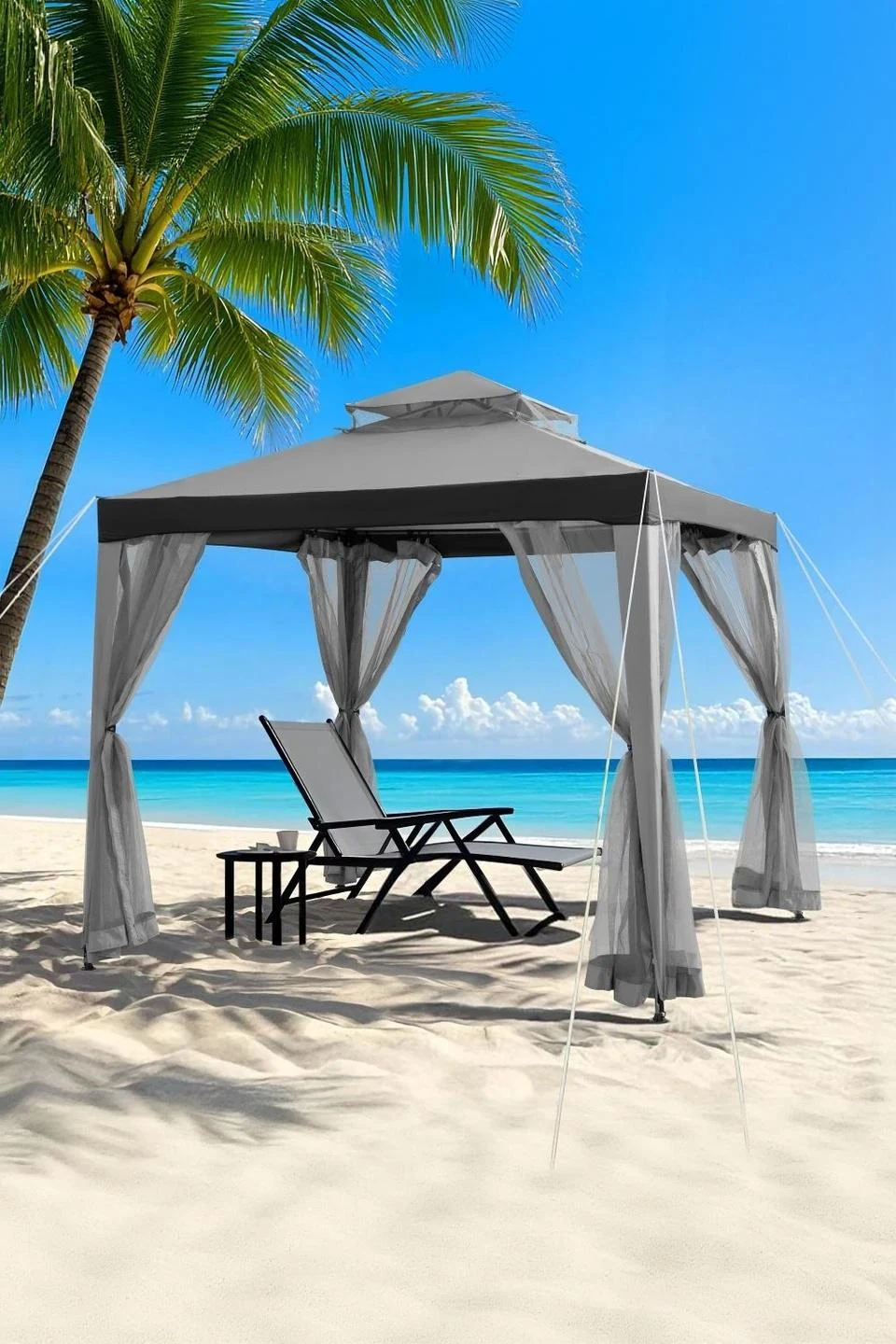
A soft-top gazebo represents one of those brilliant compromises in outdoor living—the graceful lines and architectural presence of a permanent structure, paired with a price point and installation process that won't derail your entire summer. Yet anyone who's invested in one knows the challenge: that fabric canopy, however beautifully it filters afternoon light, wasn't exactly engineered for a January ice storm. The good news? With thoughtful weatherproofing, you can extend your gazebo's usable season well beyond those perfect seventy-degree afternoons, transforming it into a genuine year-round retreat rather than something you nervously dismantle every October.
Understanding Your Soft-Top's Vulnerabilities
Before diving into solutions, it's worth understanding what you're working with. Unlike their hardtop cousins, soft-top gazebos feature canopies made from polyester, canvas, or solution-dyed acrylic—materials chosen for their breathability, affordability, and forgiving installation process. These fabrics handle summer admirably, but winter introduces challenges they weren't primarily designed for: sustained moisture, accumulated snow weight, UV degradation during those deceptively bright cold days, and the relentless expansion-contraction cycle that comes with temperature swings.
The frame tells a similar story. Most soft-top structures use powder-coated steel or aluminum, which resists rust reasonably well but develops vulnerabilities at connection points where the coating wears thin. Water infiltrates, freeze-thaw cycles begin their slow work, and by spring you're discovering structural issues that seemed to appear overnight. The good news is that all of these vulnerabilities respond to proactive intervention—you're not fighting inevitability so much as managing exposure.
Canopy Treatment and Protection Strategies
The canopy demands your primary attention, since it's doing the actual work of weather resistance. Start with a high-quality fabric waterproofing spray specifically formulated for outdoor textiles. These aren't one-and-done solutions—plan to reapply every six to eight weeks during seasons of heavy use, and always after significant weather events. The best products create a hydrophobic barrier without blocking the fabric's breathability, which matters more than you'd think. A completely sealed canopy traps condensation underneath, creating that swampy microclimate that's somehow worse than just getting rained on.
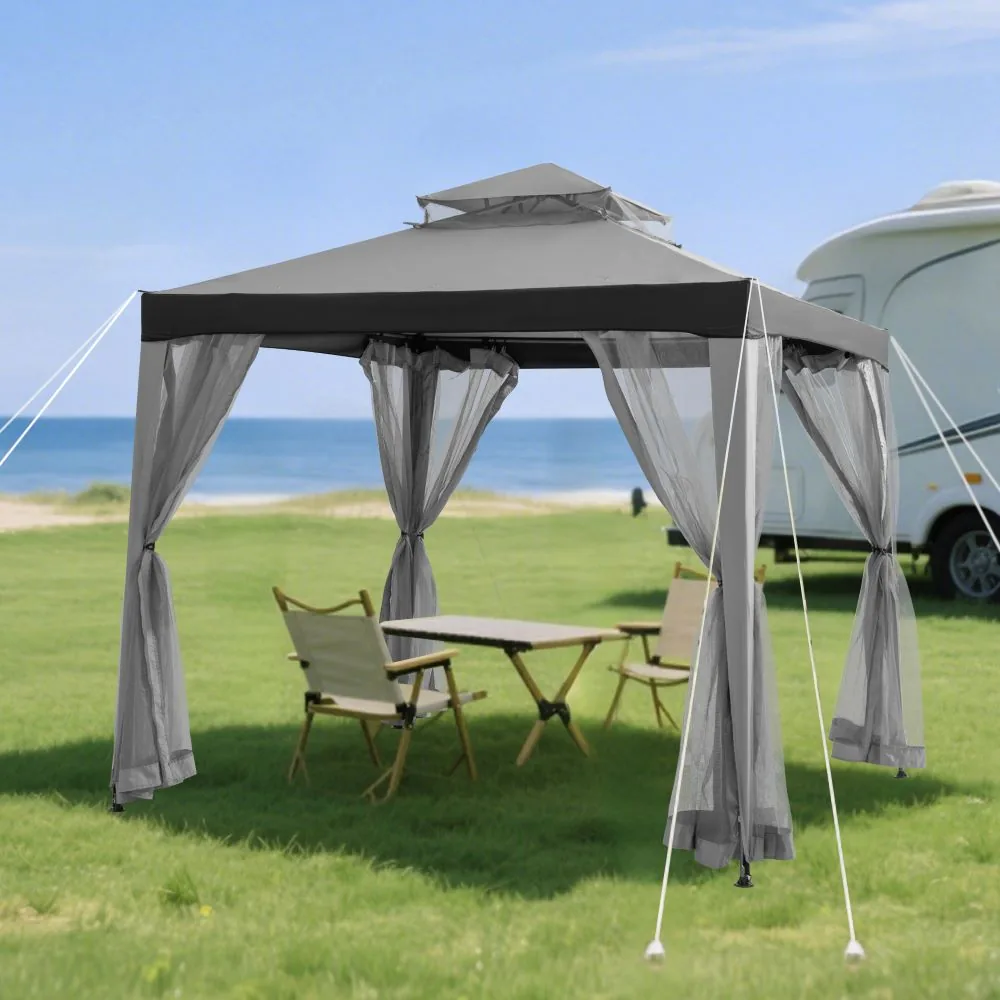
Beyond waterproofing, consider a UV-protectant treatment. Winter sun, especially reflecting off snow, delivers surprisingly aggressive UV exposure that degrades fabric fibers and fades colors. These treatments are often combined with waterproofing solutions, but verify before assuming. For something like the Transform Your Backyard: 8x8 Soft Top Gazebo with Mosquito Netting - Outdoor Living Dreams, which already includes mosquito netting, you'll want products safe for both the canopy and the mesh components, since chemical incompatibility can compromise the netting's integrity.
Snow accumulation presents its own concern. Even a modest snowfall becomes alarmingly heavy when spread across an eight-by-eight or larger canopy. The solution isn't necessarily removal—though brushing off heavy snow certainly helps—but rather tension adjustment. A properly tensioned canopy sheds snow more effectively because it lacks the saggy pockets where accumulation concentrates. Check your tension before winter arrives, and again mid-season if you've experienced significant temperature changes that might have altered the fabric's tautness.
Frame Reinforcement and Connection Points
A weatherproofed canopy means nothing if the frame can't support it, and this is where many soft-top gazebo owners discover issues they didn't anticipate. Start by inspecting every connection point—corners, joints, and especially anywhere the canopy attaches to the frame. These high-stress areas collect moisture and experience the most movement, making them prime candidates for corrosion and eventual failure.
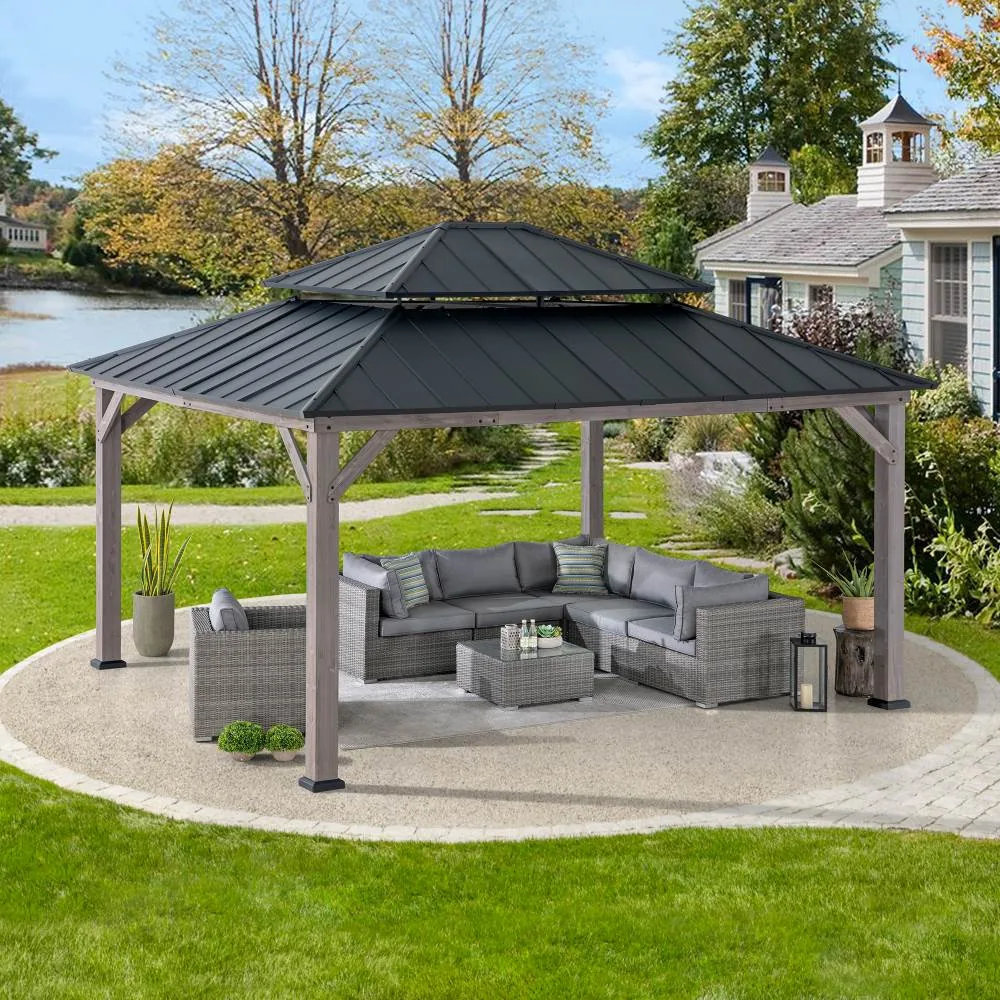
Transform Your Backyard with a Stunning 13x15 Cedar Gazebo - Elegant Outdoor Living Space
Sunjoy · Featured in this article
Apply a marine-grade anti-corrosion spray to all metal components, paying special attention to bolts, screws, and brackets. Don't skip the underside of horizontal frame members, where water pools and sits unnoticed. If you're working with a particularly exposed structure, consider wrapping vulnerable connection points with self-fusing silicone tape, which creates a waterproof seal without the permanent commitment of something like Flex Seal.
For structures in high-wind areas, additional anchoring becomes non-negotiable during winter months. Most soft-top gazebos arrive with basic ground stakes that handle summer breezes but struggle against winter's sustained winds. Upgrade to auger-style anchors that screw deep into the soil, or if you've installed your gazebo on a deck or patio, invest in weighted base plates. The math here is unforgiving—a moderate wind exerts exponential force on a canopy surface area, and your anchoring system must match that reality.
Creating Effective Weather Barriers
Even a perfectly waterproofed canopy has its limits, particularly regarding horizontal rain and snow. This is where supplementary barriers earn their keep. Clear vinyl or PVC panels designed for gazebo use can be attached to one or more sides, creating windbreaks that dramatically expand your structure's weather resistance without sacrificing too much visibility. These aren't about creating an enclosed room—that introduces entirely different structural requirements—but rather about blocking prevailing winds and reducing exposure to driving precipitation.
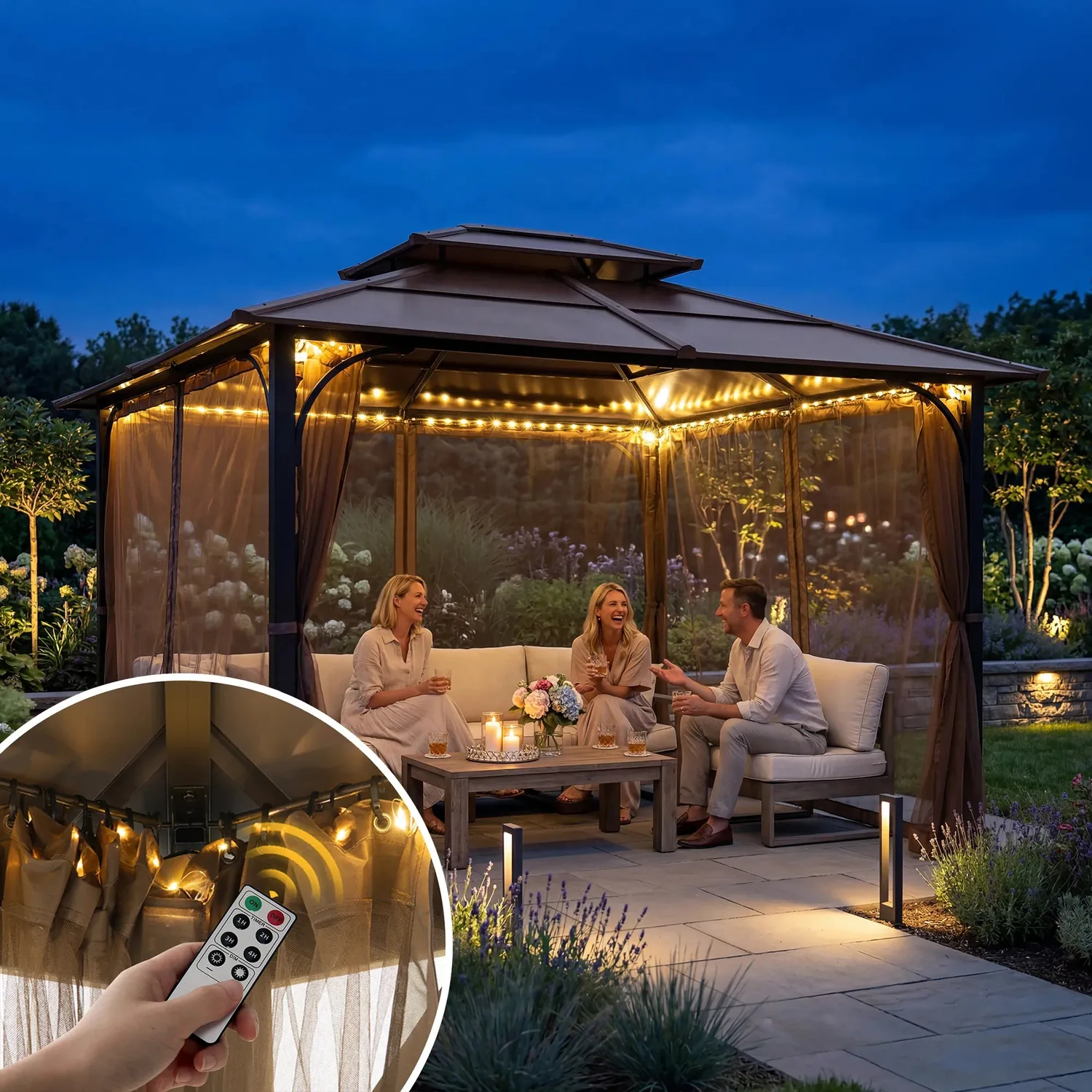
The Transform Your Gazebo: Mosquito Netting with Warm LED Lights for 10x12 Hardtop offers an interesting approach to this challenge. While designed for hardtop structures, the concept translates beautifully to soft-tops: integrated netting that can be supplemented with clear panels during harsh weather. The LED lighting is more than aesthetic—it creates a genuinely usable space during those long winter evenings when you might otherwise abandon your outdoor room to darkness at 5 PM.
For ground-level protection, consider a perimeter approach. Heavy-duty outdoor rugs or interlocking deck tiles create a buffer zone that prevents mud, snow, and ice from migrating under your gazebo's edges. This matters more than it seems—that freeze-thaw cycle at ground level can destabilize anchor points and create drainage issues that eventually affect the entire structure. Plus, there's something psychologically important about having dry, clean footing when you step into your weatherproofed retreat during a February drizzle.
Seasonal Maintenance and Inspection Routines
Weatherproofing isn't a one-time project but an ongoing relationship with your structure. Establish a monthly inspection routine, adjusting frequency based on weather severity. Look for fabric tears, loose connections, compromised waterproofing (you'll notice water beading less effectively), and any frame discoloration that might signal corrosion starting beneath the powder coating.
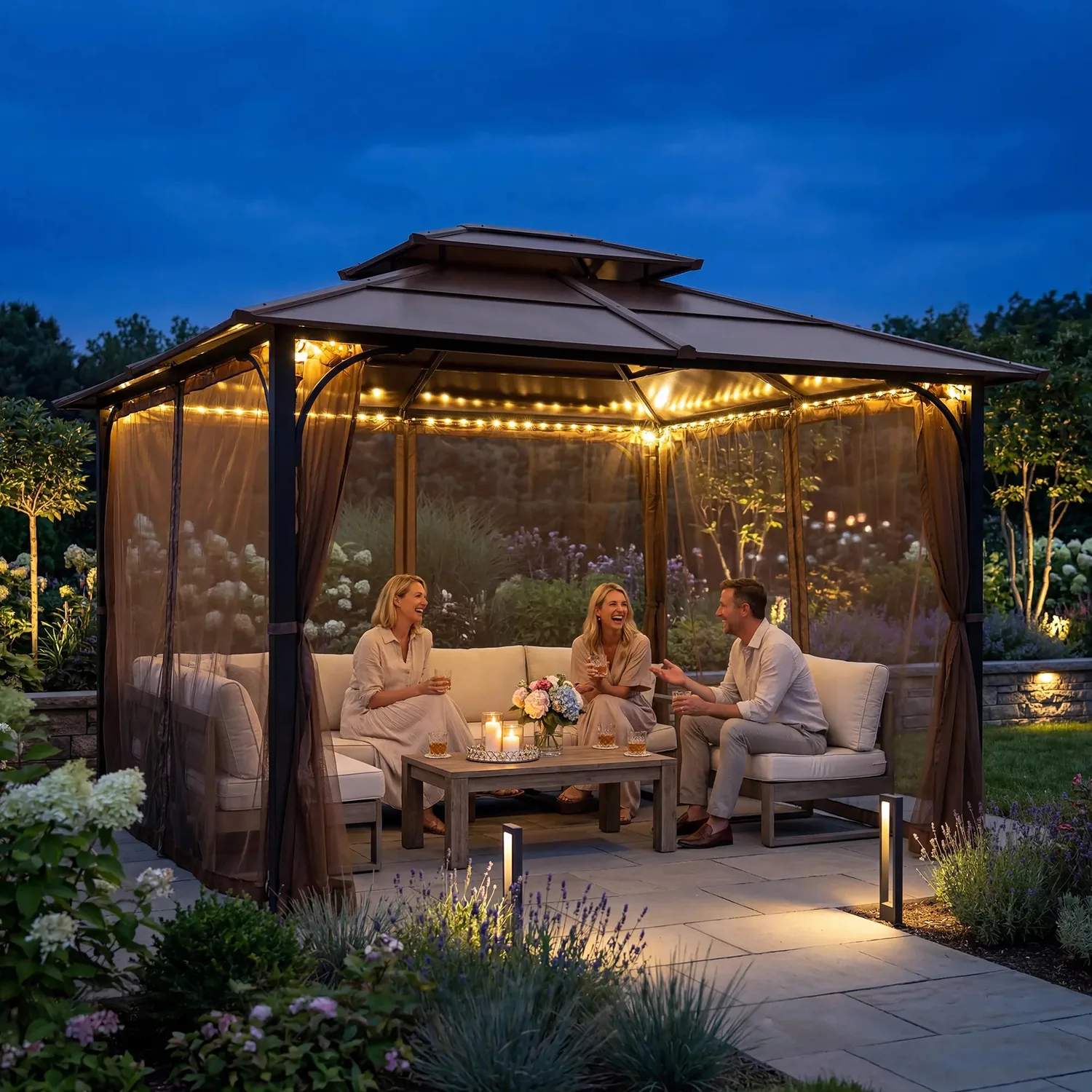
Transform Your Gazebo: Mosquito Netting with Warm LED Lights for 10x12 Hardtop
Sunjoy · Featured in this article
Clean your canopy every four to six weeks during active use. Dirt and organic debris aren't just aesthetic concerns—they trap moisture against the fabric and accelerate degradation. Use a soft brush and mild soap solution, avoiding anything petroleum-based that might compromise waterproofing treatments. Allow the canopy to dry completely before reapplying protective coatings, and never apply treatments to a damp surface unless the product specifically allows it.
Temperature extremes require specific attention. Before a cold snap, verify that your canopy has appropriate tension—fabric contracts in cold weather, potentially creating stress points you didn't have in summer. Conversely, before a heat wave, slightly loosen tension to accommodate expansion. It sounds fussy, but these small adjustments prevent the cumulative stress that leads to premature failure.
Long-Term Investment Considerations
At some point, the weatherproofing conversation intersects with replacement decisions. A well-maintained soft-top canopy might last five to seven years in moderate climates, but intensive year-round use in challenging weather compresses that timeline. Watch for signs that you've crossed from maintenance into futility: widespread fabric thinning, persistent leaks despite fresh waterproofing, or structural stress points that keep reappearing.
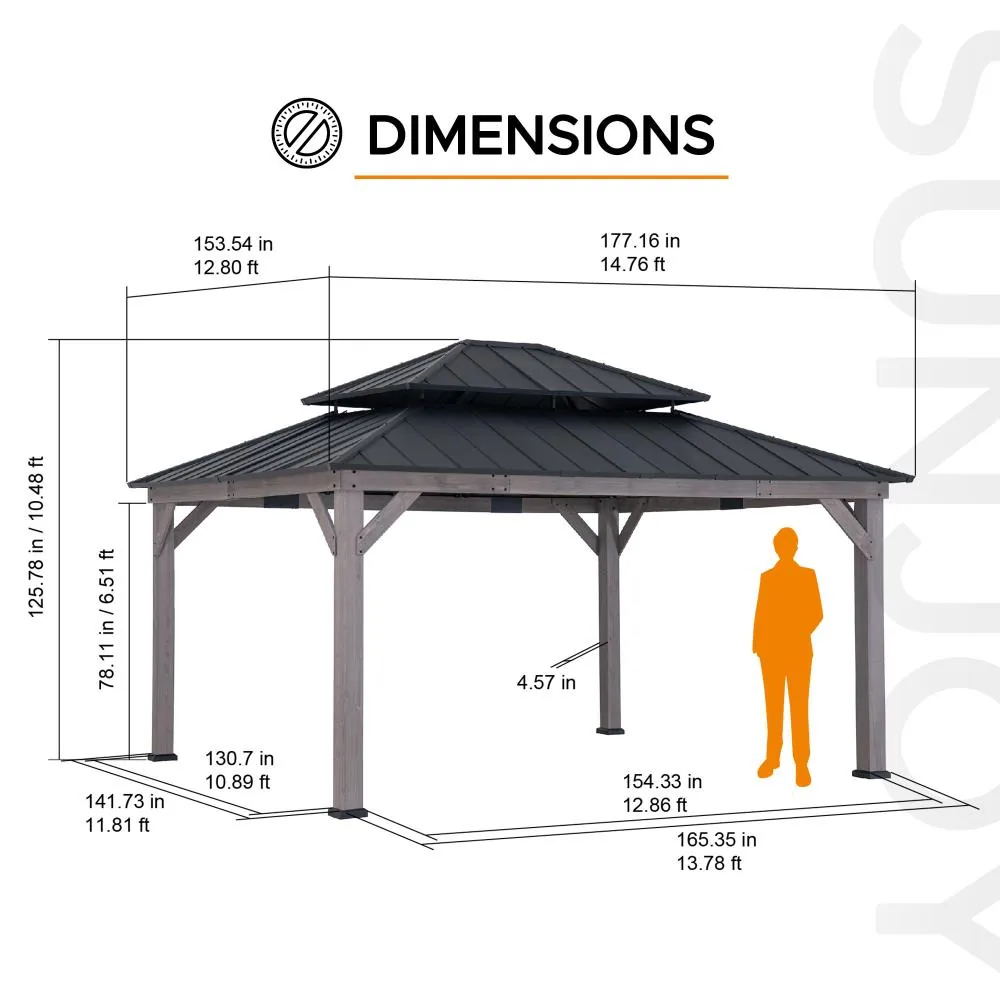
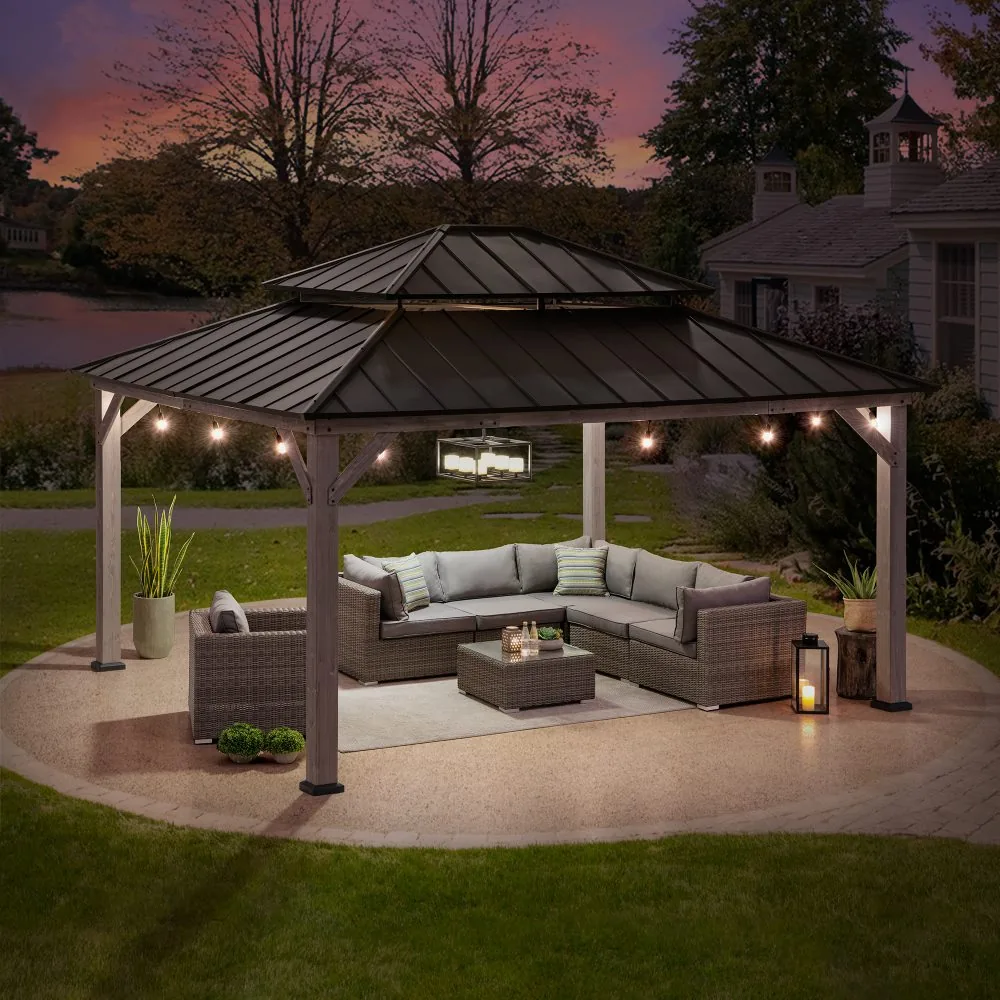
This is where something like the Transform Your Backyard with a Stunning 13x15 Cedar Gazebo - Elegant Outdoor Living Space enters the conversation. Sometimes the most effective weatherproofing strategy is acknowledging your soft-top's limitations and upgrading to a structure designed from the ground up for year-round exposure. Cedar's natural weather resistance and a proper hardtop roof eliminate many of the vulnerabilities we've discussed, though obviously at a significantly higher price point.
That said, a thoughtfully weatherproofed soft-top in our Outdoor Umbrellas, Gazebos & Pergolas collection can absolutely serve as a year-round outdoor room in many climates. The key is matching your weatherproofing investment to your actual usage patterns and local conditions. If you're in the Pacific Northwest facing nine months of drizzle, aggressive weatherproofing makes perfect sense. If you're in Arizona dealing with occasional winter rain, a more modest approach suffices.
The calculation ultimately comes down to value versus replacement cost. Quality waterproofing treatments, frame protection, and supplementary barriers might total $150-200 annually. If that spending extends your canopy's life by even two extra seasons, you've easily justified the investment compared to replacement costs, not to mention the environmental benefit of extending a product's useful life rather than cycling into another manufacturing-shipping-disposal loop.
Beyond the pure economics, there's something deeply satisfying about a well-weatherproofed outdoor structure. It represents the difference between fair-weather outdoor living and genuine year-round use of your property. That gazebo stops being seasonal furniture and becomes an actual room—one where you can comfortably sip morning coffee during a November mist or host a January gathering without everyone nervously eyeing the clouds.
Below, we've compiled frequently asked questions about gazebo weatherproofing, covering common concerns about specific products, regional climate challenges, and troubleshooting particular issues that arise during the weatherproofing process.
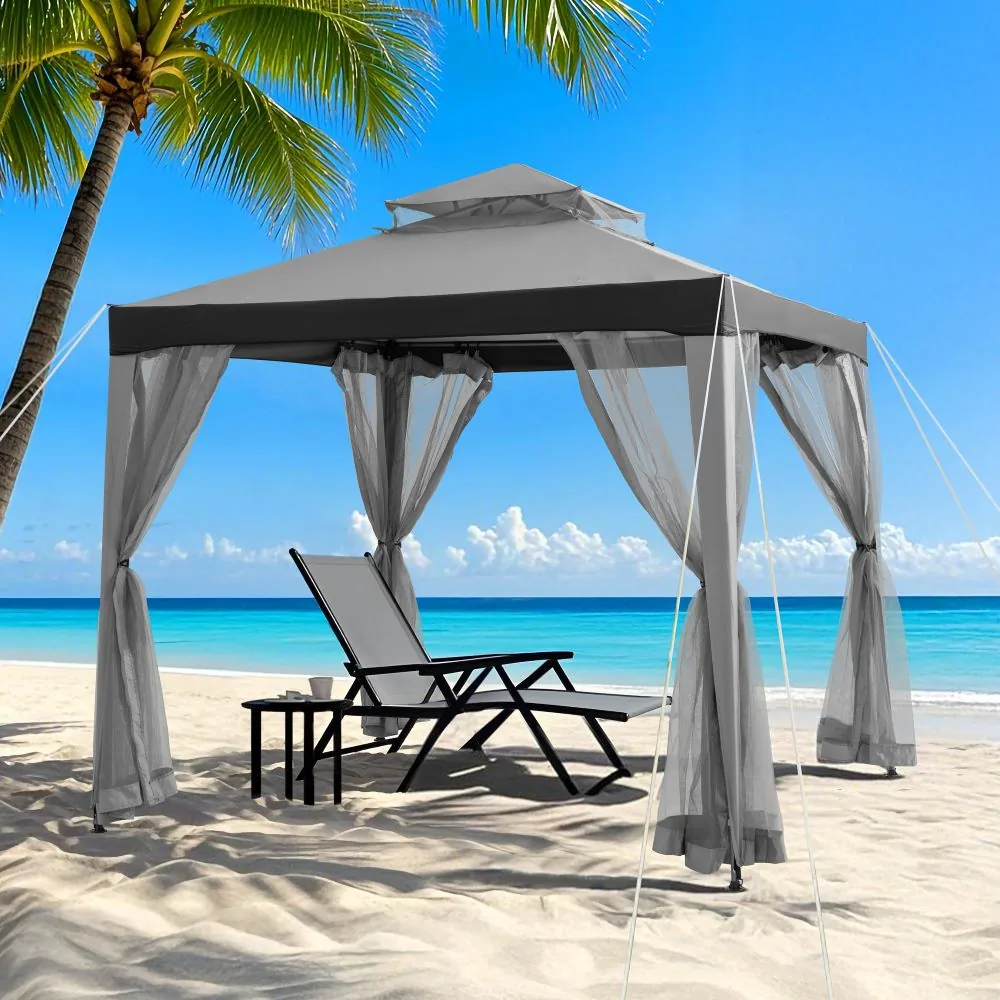
Transform Your Backyard: 8x8 Soft Top Gazebo with Mosquito Netting - Outdoor Living Dreams
Sunjoy · Featured in this article