There's something deeply satisfying about a textured wall surface—it catches the light differently throughout the day, creates visual interest without screaming for attention, and adds that elusive sense of depth that flat paint simply can't achieve. For years, the only way to get that dimensional quality in a kitchen or bathroom was through actual tile installation, complete with grout lines that needed constant maintenance and professional labor that made small upgrades feel like major renovations. That calculus has changed entirely with modern peel and stick backsplash options that deliver genuine three-dimensional texture without the mess, expense, or permanence of traditional tiling.
The beauty of these textured backsplashes lies in what they eliminate as much as what they provide. Anyone who's maintained a traditional tile installation knows the reality: grout becomes a magnet for cooking splatter, gradually darkens despite your best efforts, harbors moisture in humid bathrooms, and requires periodic resealing to prevent staining. It's high-maintenance in the least rewarding way possible. Grout-free textured backsplashes sidestep all of this while still giving you the dimensional quality that makes a space feel intentionally designed rather than merely functional.
Why Texture Matters More Than Pattern Alone
We tend to think visually first—color, pattern, style—but texture operates on a different sensory level that dramatically affects how a room feels. A flat subway tile installation, no matter how beautifully executed, reads as a uniform surface from across the room. Add even subtle dimensionality, and suddenly you have shadow play, light reflection at different angles, and a sense that the wall itself has character beyond its color palette.
The practical advantages are equally compelling. Textured surfaces naturally camouflage minor wall imperfections that would show through perfectly flat materials. They also tend to hide splatter and fingerprints better than glossy smooth finishes—not that you won't clean them, but that you won't notice every single water drop between cleanings. In rental situations or homes where you're still figuring out your long-term design direction, textured peel and stick options let you experiment with dimension without the commitment anxiety of permanent installation.
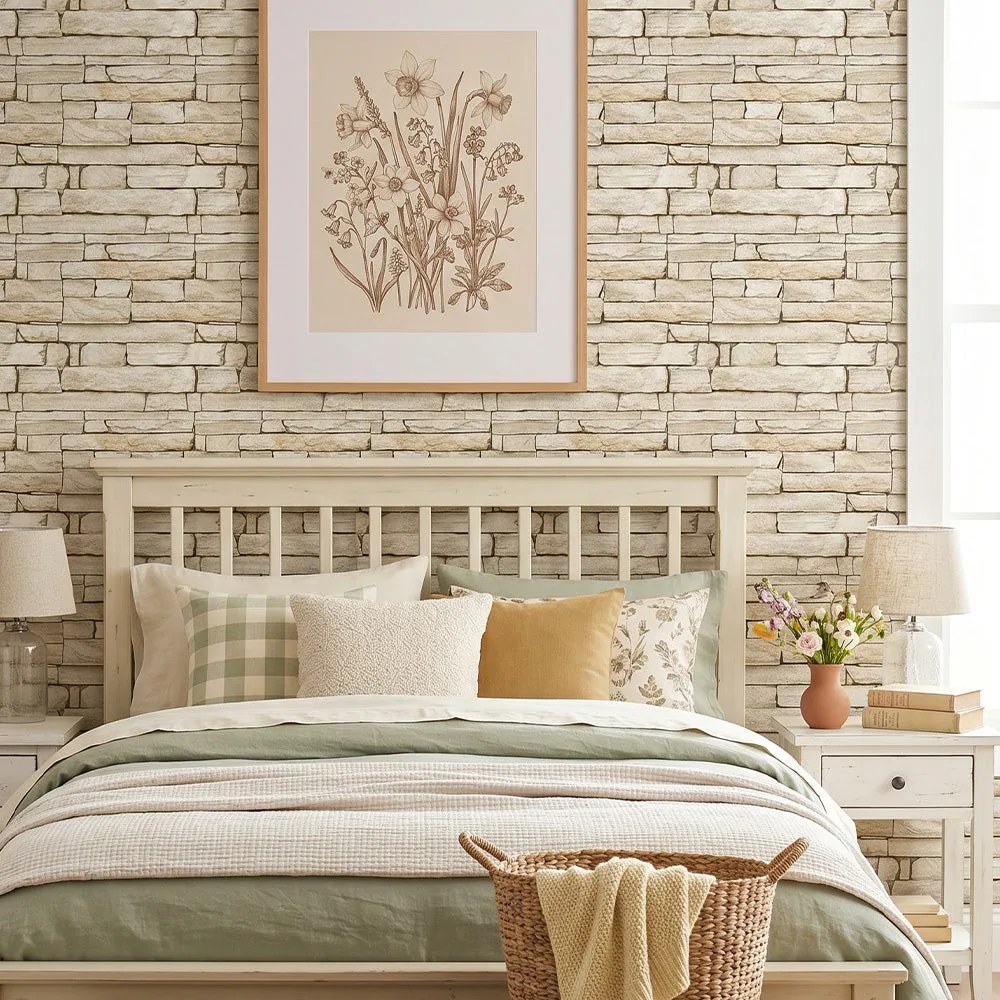
What's particularly clever about textured peel and stick designs is how they create visual weight without actual bulk. A product like the 3D Stacked Stone Peel and Stick Wall Tile gives you the rugged, layered appearance of dry-stacked natural stone with only minimal actual depth—enough to cast shadows and catch light, but not so much that it interferes with outlets, creates awkward transitions, or reduces usable counter depth in tight kitchens.
Choosing the Right Texture for Your Space
Not all texture works equally well in every setting, and the grout-free nature of peel and stick options actually gives you more freedom to mix scales and styles than traditional tile would allow. Without grout lines creating a visual grid, you can layer different textures or transition between smooth and dimensional surfaces more fluidly.
For small galley kitchens or compact bathrooms, consider how light interacts with texture throughout the day. Deep relief patterns create dramatic shadows but can make a small space feel busier. Gentler dimensional variations—like subtle brick texture or low-profile geometric patterns—add interest without overwhelming limited square footage. The 3D Rose Whitewash Brick Peel and Stick Wall Tile offers this middle ground beautifully, giving you the character of exposed brick with a soft color palette and gentle relief that doesn't dominate.
In larger, open-plan kitchens, you have more latitude for bold textural statements. Stacked stone effects work particularly well behind ranges or as full-wall installations in eat-in kitchen areas. The irregular surface reads as organic and grounding—exactly what you want to balance sleek modern appliances or minimalist cabinetry. These heavier textures also establish clear zones in open layouts, defining the cooking area without requiring actual architectural division.
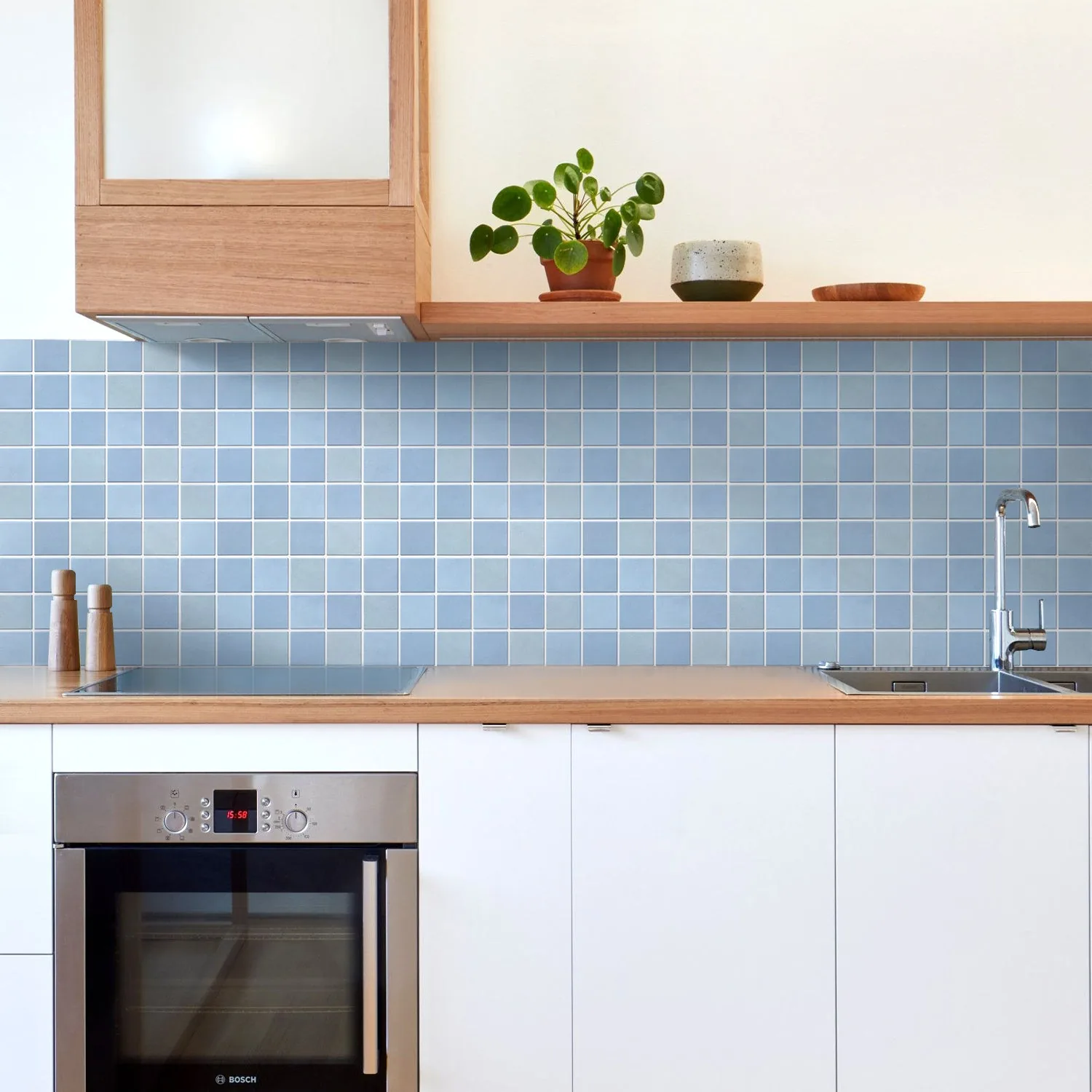
Scale matters significantly with texture. Fine mosaic-style textures like the 3D Sky Blue Mosaic Peel and Stick Wall Tile create intricate surface interest that rewards close inspection—ideal for powder rooms or breakfast nooks where you're often at arm's length from the wall. The dimensional quality of each individual tile element compounds across the installation, creating overall richness without relying on pattern repetition.
Installation Strategies That Enhance Dimensionality
The grout-free nature of textured peel and stick backsplash fundamentally changes your installation strategy in ways that actually enhance the final effect. Traditional tile requires careful spacing for grout lines, which can sometimes interrupt the flow of natural textures. Without that constraint, you can create seamless transitions that make the textured surface read as one continuous element rather than a grid of individual pieces.
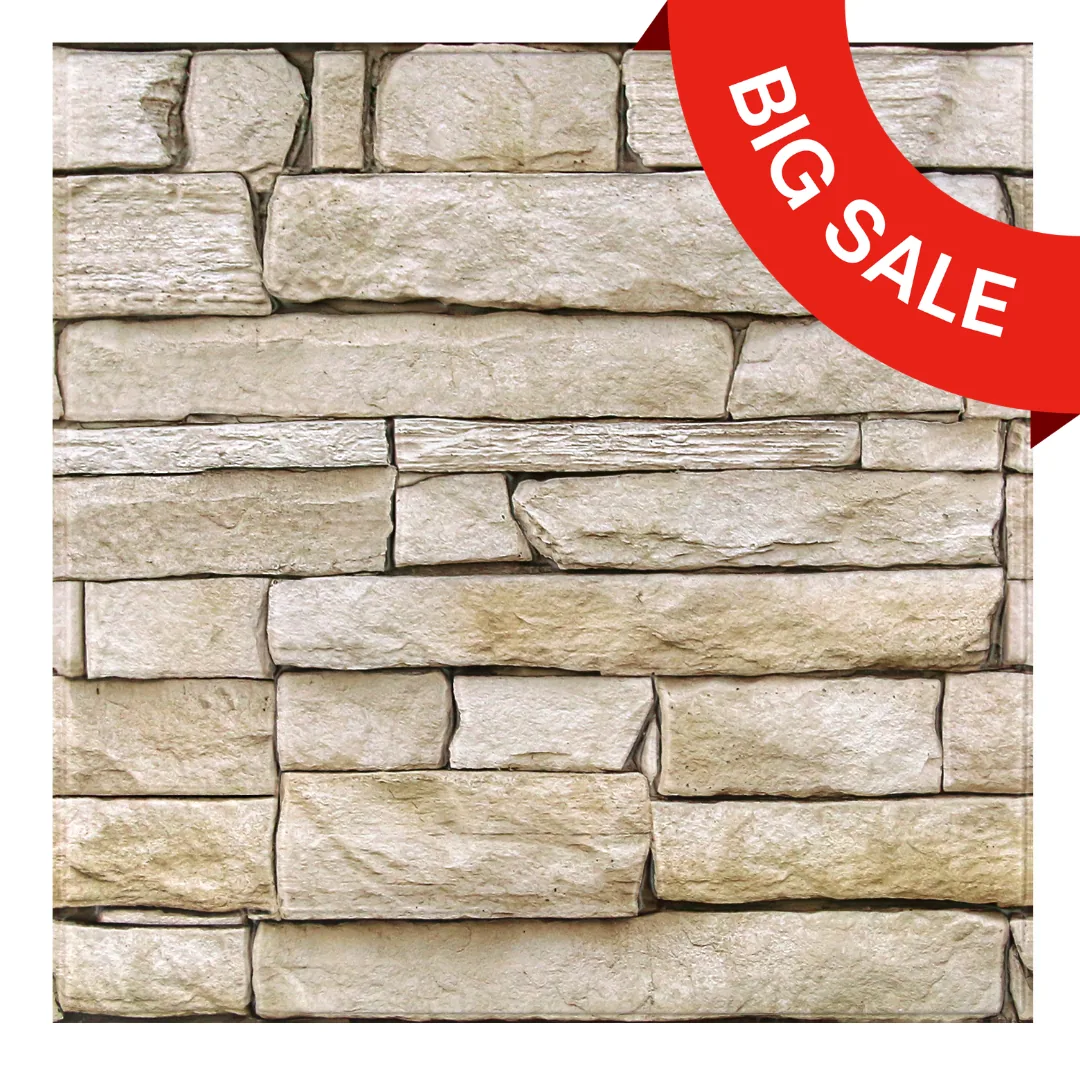
3D Stacked Stone Peel and Stick Wall Tile
PARTB Curated · Featured in this article
Start with impeccably clean, dry walls—texture amplifies surface irregularities, so any underlying bumps or dips will telegraph through. A light sanding of glossy paint finishes improves adhesion dramatically. For textured options, paying attention to pattern matching between sheets matters more than with flat designs. Stone and brick textures often have directional grain or stacking patterns that should flow naturally across seams.
The actual application technique differs from flat peel and stick materials. With dimensional surfaces, you can't simply squeegee from center to edges—you risk crushing raised elements or creating air pockets around the relief patterns. Instead, work more slowly, pressing firmly but carefully around raised areas, using your fingers to ensure adhesive contact in recessed portions. A soft roller designed for wallpaper works better than hard squeegees for setting textured surfaces without flattening their dimensionality.
One significant advantage of grout-free installation is the ability to adjust placement more easily during application. If a seam isn't aligning perfectly or a pattern repeat is slightly off, you can gently lift and reposition within the first few minutes of application. Try that with thinset mortar and you're starting over entirely. This forgiveness makes DIY installation genuinely accessible even for perfectionists who might otherwise hesitate.
Maintaining Texture Without Grout Concerns
The maintenance equation changes entirely without grout lines. Traditional tiled backsplashes require you to clean both the tile surface and the grout—two entirely different materials with different porosity, different staining vulnerabilities, and different cleaning requirements. Grout-free textured backsplashes are one continuous material across the entire surface, simplifying both routine cleaning and deep maintenance.
For daily upkeep, texture works in your favor by being less revealing of minor splatter than perfectly smooth surfaces. The slight surface variation diffuses light rather than reflecting it uniformly, making fingerprints and water spots less immediately obvious. When you do clean, a damp microfiber cloth handles most situations—the same approach you'd use for any wall surface, without requiring specialized grout cleaners or brushes to dig into crevices.
The grout-free construction also eliminates moisture concerns that plague traditional bathroom tile. Grout is porous and can harbor mildew in consistently humid environments despite your best sealing efforts. Quality peel and stick materials are inherently water-resistant across their entire surface, with no vulnerable seams requiring caulk maintenance. Around sinks and in shower surrounds where you've installed appropriate waterproof varieties, you're cleaning one material rather than managing the interface between tile and grout.
Deep cleaning textured surfaces requires slightly more attention than flat materials simply because you want to reach into the relief areas. A soft brush attachment on your vacuum can remove dust from dimensional elements without damaging them. For cooking grease buildup, a degreasing spray and soft brush work the cleaner into textured areas before wiping clean—still simpler than scrubbing grout lines with a toothbrush, which is somehow still the recommended technique for traditional tile.
Designing Around Grout-Free Textural Elements
The absence of grout lines fundamentally changes how textured backsplashes interact with the rest of your design scheme. Grout creates a secondary pattern that can compete with or complement your primary material—thin grout lines practically disappear, while contrasting grout becomes a design statement. Without grout, your textured surface becomes a purer expression of the material itself.
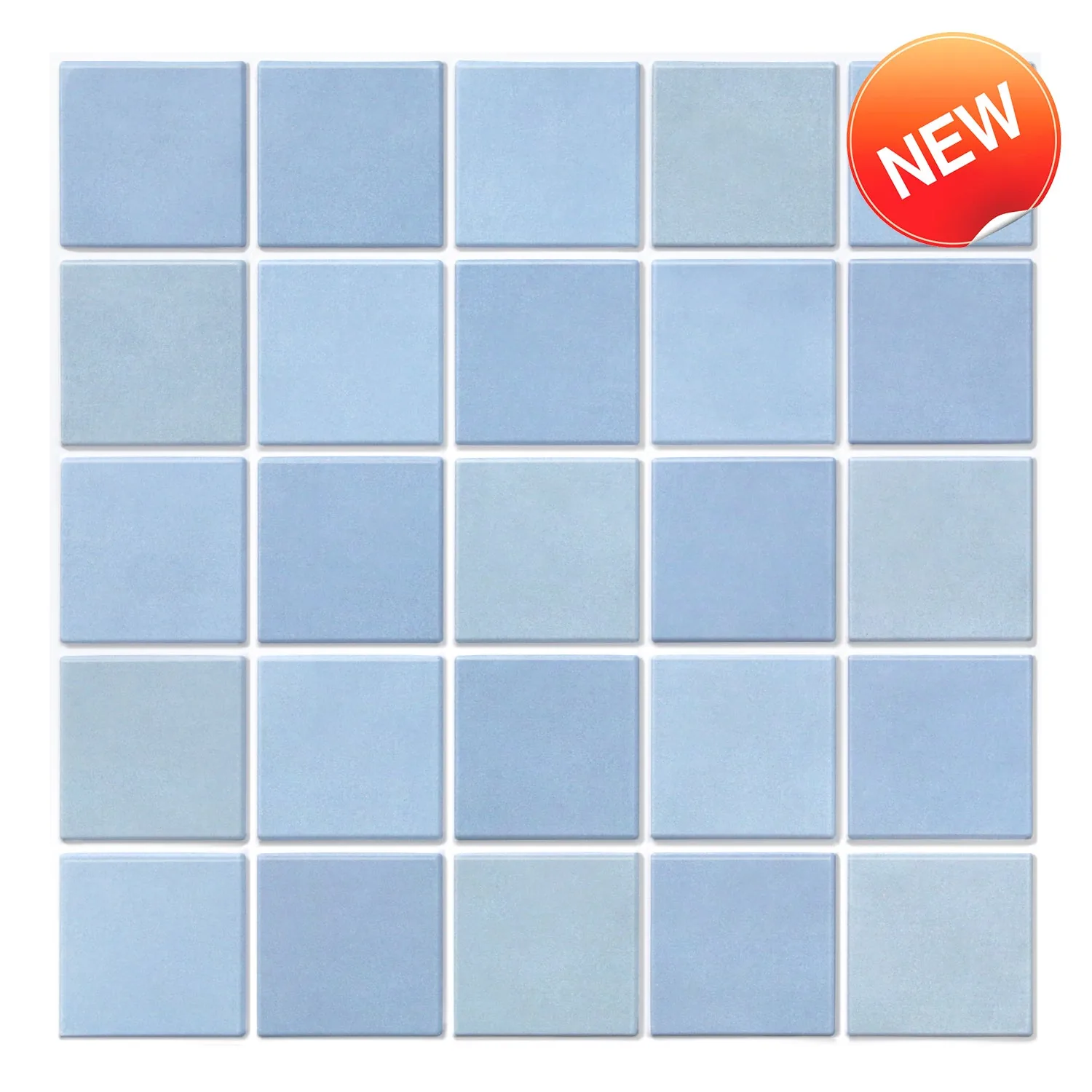
3D Sky Blue Mosaic Peel and Stick Wall Tile
PARTB Curated · Featured in this article
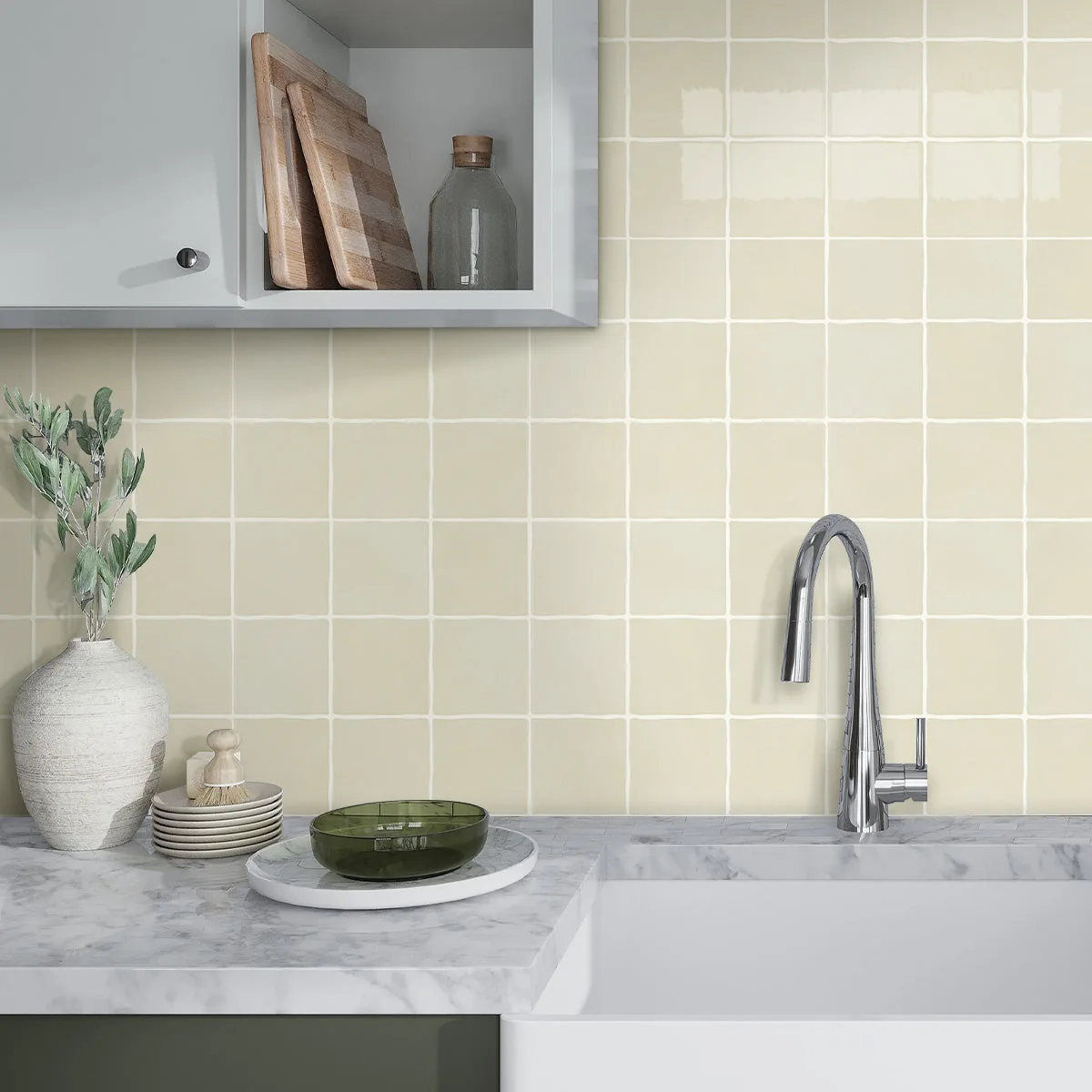
This matters particularly when you're working with natural-looking textures like stone or brick. The Beige Ceramic Square Peel and Stick Backsplash Tile - Thicker Design delivers genuine dimensional quality without grout lines interrupting the organic flow of the pattern. In traditional ceramic tile installations, even carefully matched grout creates a visible grid. Eliminating that grid lets stone and wood textures read as more authentically organic, almost like you've simply exposed the wall material rather than applied a surface treatment.
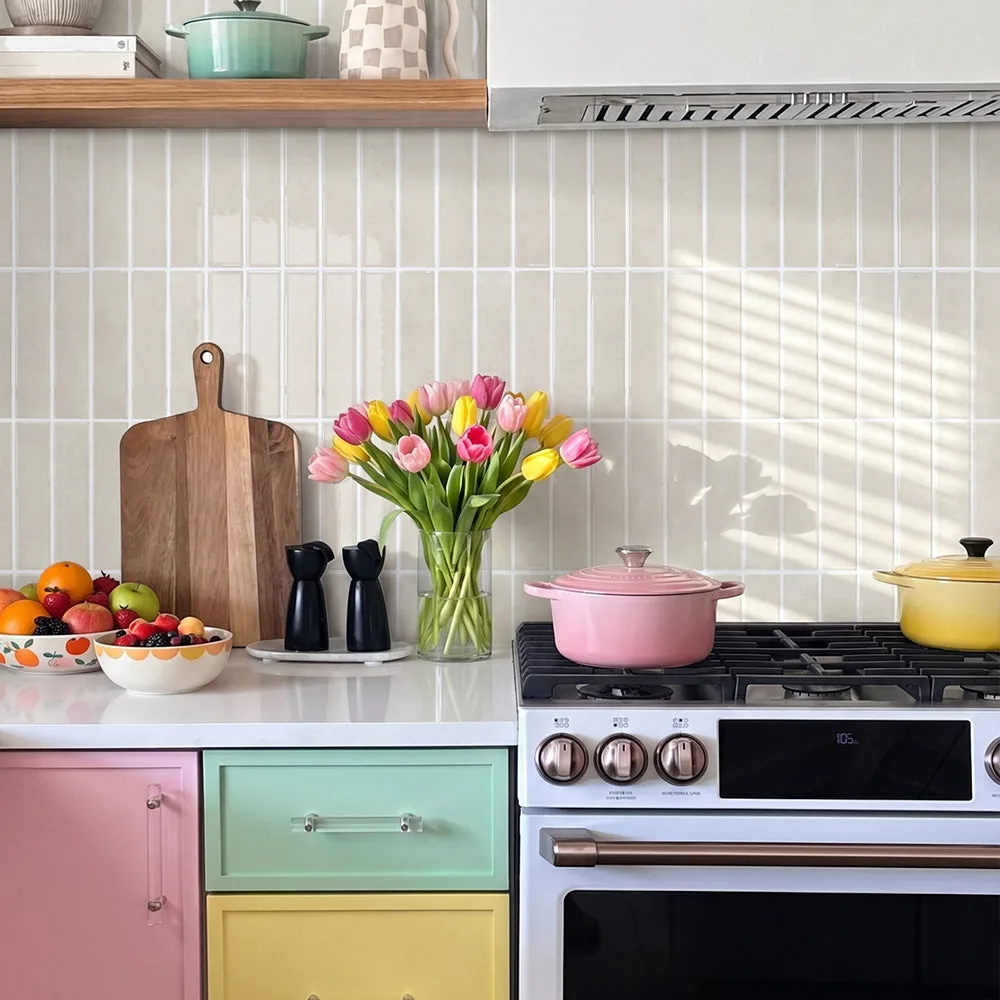
The streamlined visual also works beautifully in contemporary and transitional spaces where you want texture for interest but clean lines for overall aesthetic. Linear patterns like the Beige Cream Color Linear Peel and Stick Backsplash Tile create sophisticated shadow lines that emphasize horizontal flow without the visual interruption of perpendicular grout lines. This works particularly well in modern kitchens where you're balancing the warmth of texture against the sleekness of handleless cabinetry and integrated appliances.
Color strategy simplifies without grout considerations. You're not juggling the question of whether grout should match, contrast, or disappear—you're simply choosing the textured material that works with your palette. This makes it easier to introduce bold textures in neutral colors or vice versa, knowing the material will speak for itself without grout color adding another variable to the equation.
When Grout-Free Texture Works Best
Certain applications benefit particularly from the combination of texture and grout-free installation. Behind cooktops and ranges, textured surfaces add the visual interest and material richness you want in this focal area while eliminating the grout-vulnerability problem that traditional tile faces in high-heat, high-splatter zones. The seamless surface means nothing is penetrating into grout lines every time you sauté or boil over.
Bathroom applications leverage both the aesthetic and practical advantages. In powder rooms, textured accent walls create the sense of material luxury—natural stone, dimensional tile work—without the renovation budget. Behind pedestal sinks where you need splatter protection but don't have cabinetry to provide visual weight, texture adds substance. In shower surrounds, waterproof textured peel and stick options deliver spa-like dimensionality while staying genuinely water-resistant across the entire surface, no caulk deterioration or grout sealer required.
Rental properties and temporary living situations may seem like odd candidates for textured treatments, but the removable nature of quality peel and stick options combined with their textural sophistication makes them ideal for elevating generic rental finishes. The depth and dimension make spaces feel more custom and thoughtfully designed, while the grout-free installation means you're not dealing with the kind of permanent modification that jeopardizes deposits or requires landlord permission.
Even in owned homes, the non-permanent nature provides valuable flexibility. Design preferences evolve, color trends shift, and what felt perfect five years ago might not align with how you want to live now. Textured peel and stick backsplashes let you bring dimensional interest and material richness to your daily environment without the psychological weight of knowing you're stuck with it unless you're willing to tackle another major renovation.
The question of whether to add texture to your walls has a clearer answer when the commitment level drops from "permanent renovation requiring professional installation" to "weekend project that's reversible if your taste changes." Modern peel and stick options have evolved well beyond the obviously fake, plasticky versions that made the category seem like cheap shortcuts. Today's textured varieties deliver genuine dimensional quality and material authenticity—they're simply smarter about how that texture is achieved and maintained. The grout-free construction isn't a limitation you work around; it's a design advantage that makes textured walls more practical, more maintainable, and more adaptable to how we actually live in our homes.
For more inspiration and to explore the full range of textured options, you can browse our complete selection of grout-free dimensional designs. Frequently asked questions about installation techniques, surface preparation, and long-term durability are addressed below to help you approach your project with confidence.
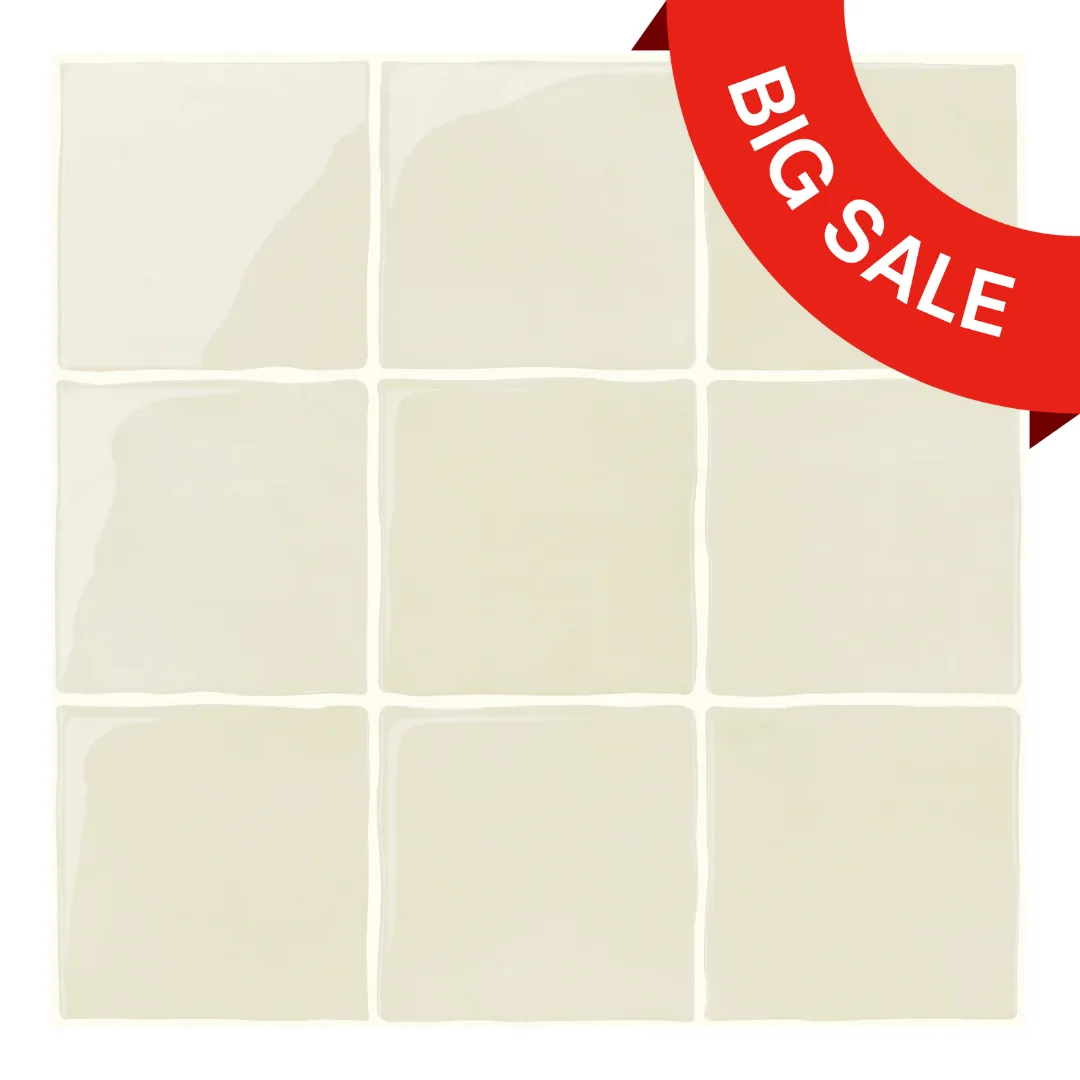
Beige Ceramic Square Peel and Stick Backsplash Tile - Thicker Design
PARTB Curated · Featured in this article
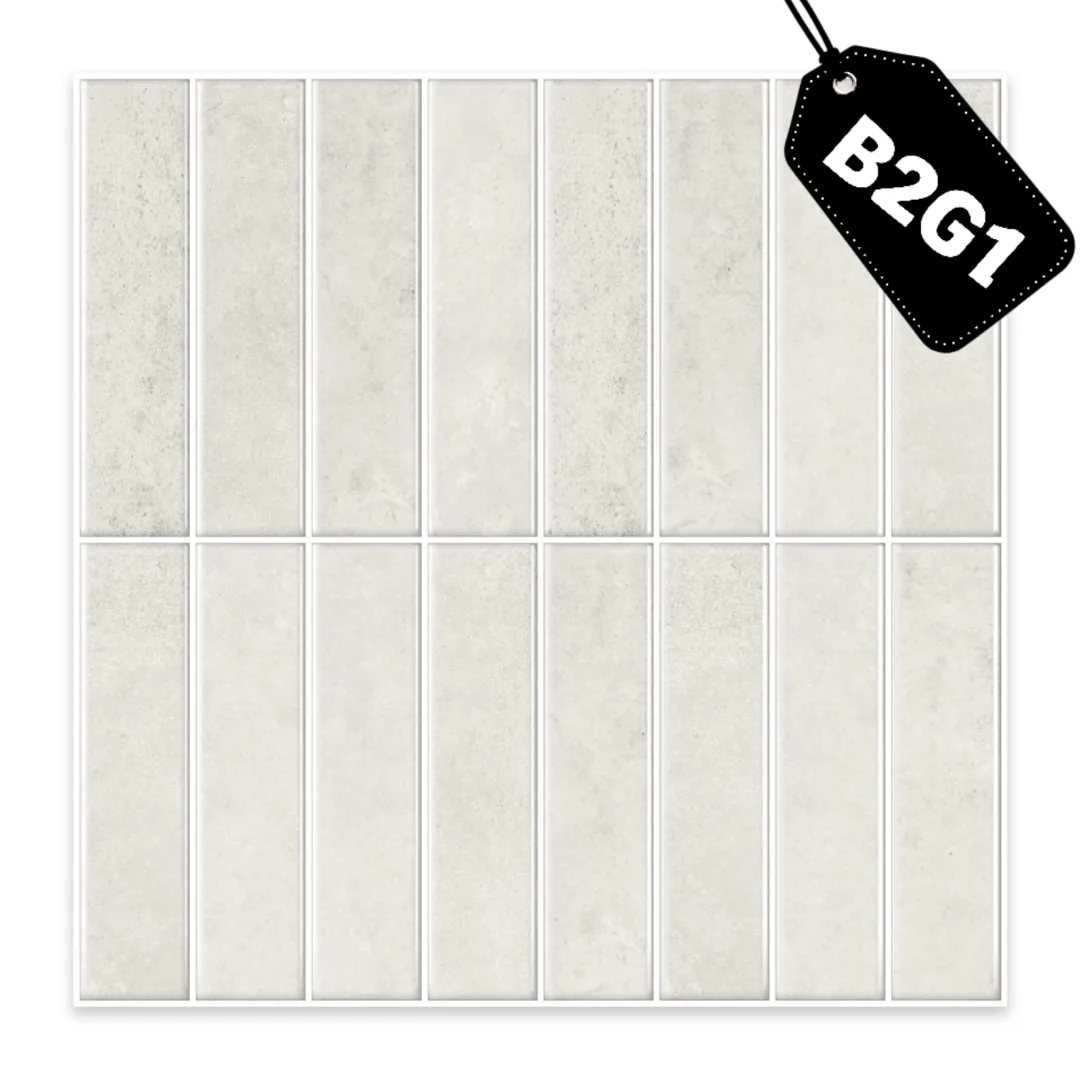
Beige Cream Color Linear Peel and Stick Backsplash Tile
PARTB Curated · Featured in this article
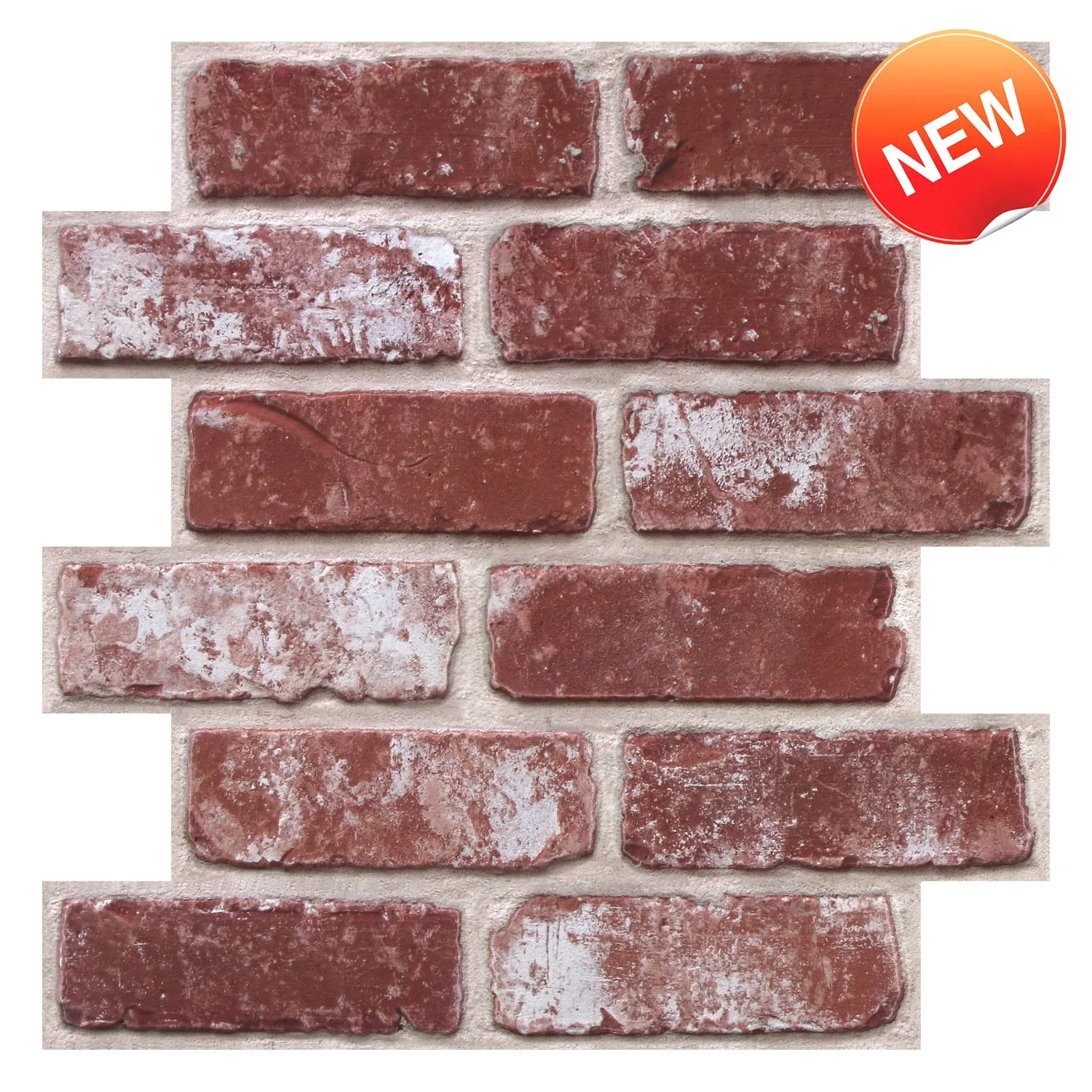
3D Rose Whitewash Brick Peel and Stick Wall Tile
PARTB Curated · Featured in this article