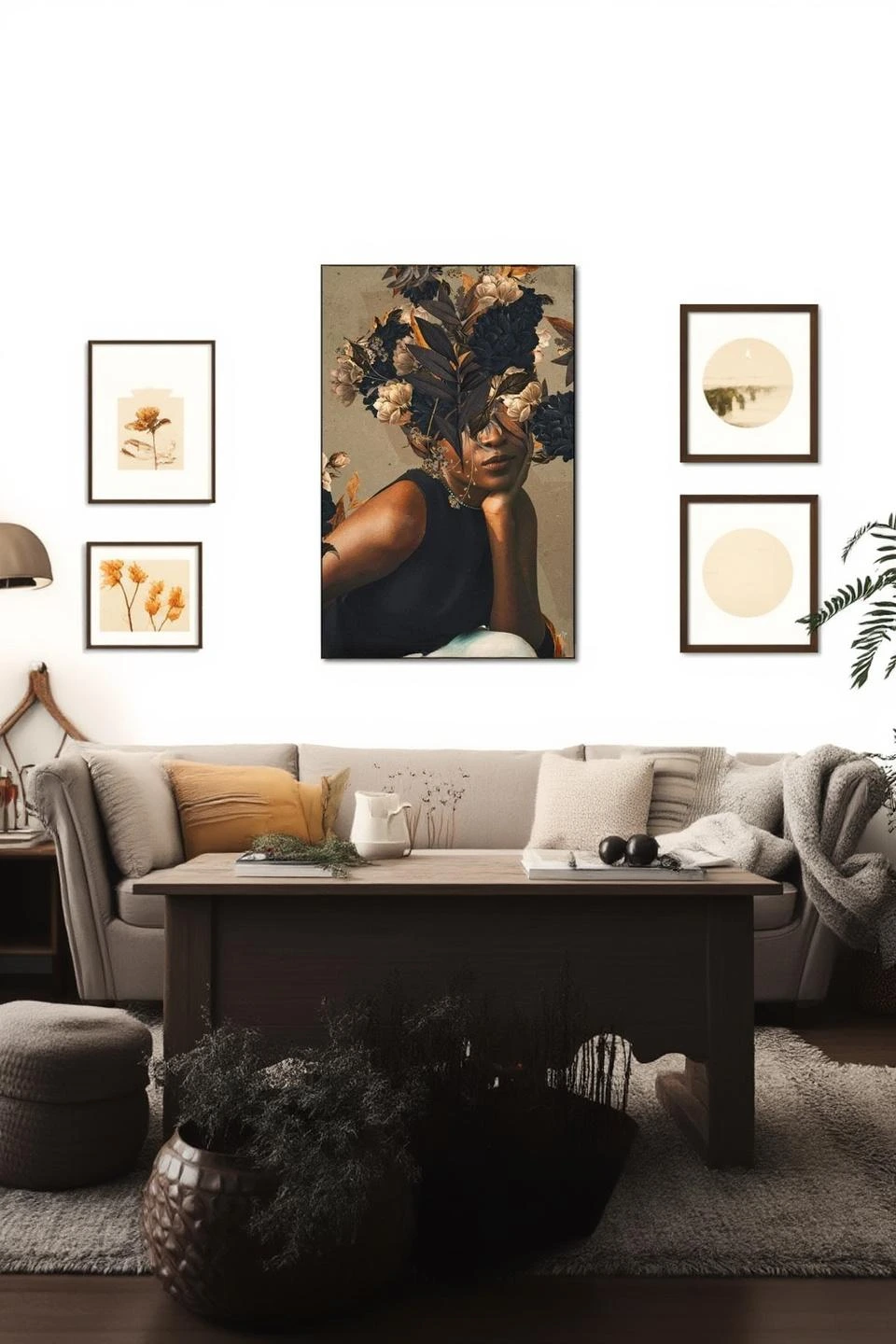
There's a moment in every adult's design journey when you realize that the things that made you you as a kid—the movies you quoted endlessly, the albums you wore out, the TV shows that shaped your sense of humor—don't need to be packed away in storage bins. The challenge isn't whether to display your love of pop culture; it's how to do it in a way that feels intentional rather than arrested development. The secret lies in treating these pieces not as ironic commentary but as legitimate art that happens to carry emotional resonance. When done thoughtfully, nostalgic pop culture art becomes a conversation starter that reveals personality without overwhelming a room's sophistication.
Choosing Pieces That Transcend Their Reference Points
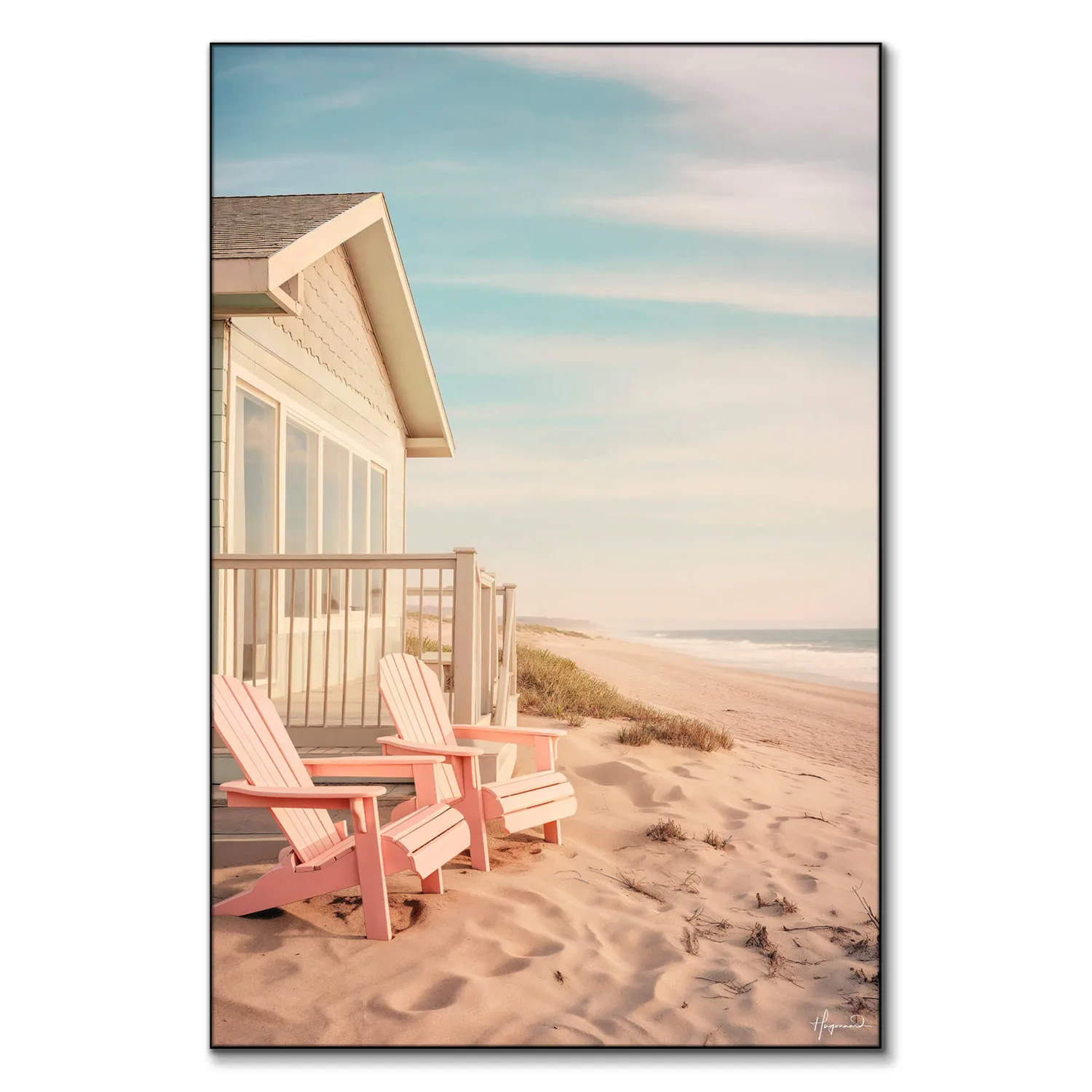
The first rule of incorporating pop culture art into grown-up spaces is selecting work that functions on multiple levels. A piece should be visually compelling even to someone unfamiliar with the reference. Consider how Along the Beach works as both a serene coastal scene and a potential nod to formative beach memories or surf culture—it doesn't require viewers to "get" a specific joke to appreciate the composition and color palette. This dual functionality is what separates thoughtful curation from dorm room decoration.
Look for art that demonstrates actual craftsmanship in its execution. Screen prints with intentional color separations, illustrations with compositional complexity, or pieces that reinterpret familiar imagery through an unexpected medium all signal that you're making deliberate aesthetic choices. The nostalgic element should feel like a bonus layer for those in the know, not the entire point of the piece. Abstract or minimalist takes on pop culture imagery often age better than literal reproductions, allowing the work to evolve with your taste rather than freezing you in a particular era.
Quality materials matter enormously here. A beloved movie poster printed on premium paper with archival inks and professionally framed reads completely differently than the same image tacked to a wall with pushpins. The physical presentation communicates whether you view the piece as legitimate art worth investing in or as temporary decoration. This investment mindset naturally filters your collection toward pieces you genuinely want to live with long-term.
Mixing High and Low with Intention
The most successful pop culture displays occur when they're integrated into a broader arts and crafts collection rather than segregated into a themed shrine. Hanging a vintage concert poster beside an abstract landscape or a museum exhibition print creates visual dialogue that elevates everything involved. The key is finding common threads—color palettes, compositional styles, frame choices, or thematic connections—that allow disparate pieces to coexist without friction.
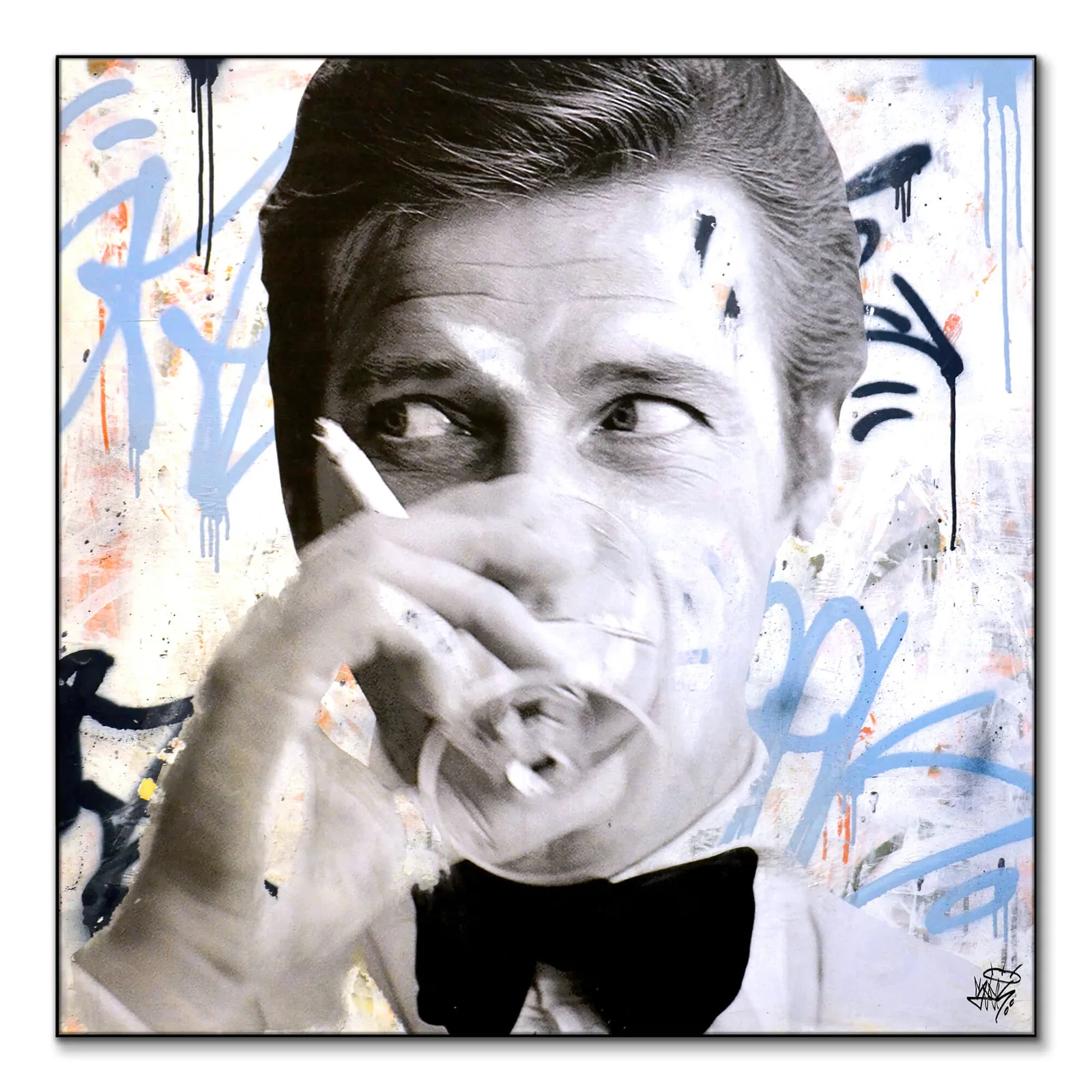
Consider how James Bond Martini could anchor a bar cart area or dining room arrangement not because it's movie memorabilia, but because it functions as sophisticated cocktail art that happens to reference an iconic character. Paired with other beverage-themed prints, mid-century glassware illustrations, or even abstract geometric work in complementary colors, the Bond connection becomes one facet of a cohesive aesthetic rather than the defining characteristic.
This mixing strategy works particularly well when you vary the scale and format of your pieces. A large pop culture canvas gains gravitas when flanked by smaller, more traditional works. Conversely, a petite nostalgic piece can serve as a punctuation mark in a gallery wall of diverse prints and paintings. The variety prevents any single reference from dominating while allowing your personality to emerge through the careful curation itself.
Strategic Placement for Maximum Impact
Where you hang pop culture art matters as much as what you hang. Some spaces in your home naturally accommodate more playful or personal content, while others benefit from restraint. Home offices, reading nooks, and secondary bedrooms are ideal testing grounds for bolder nostalgic pieces—these rooms already read as personal rather than presentational, giving you permission to lean into references that might feel too specific for a living room.
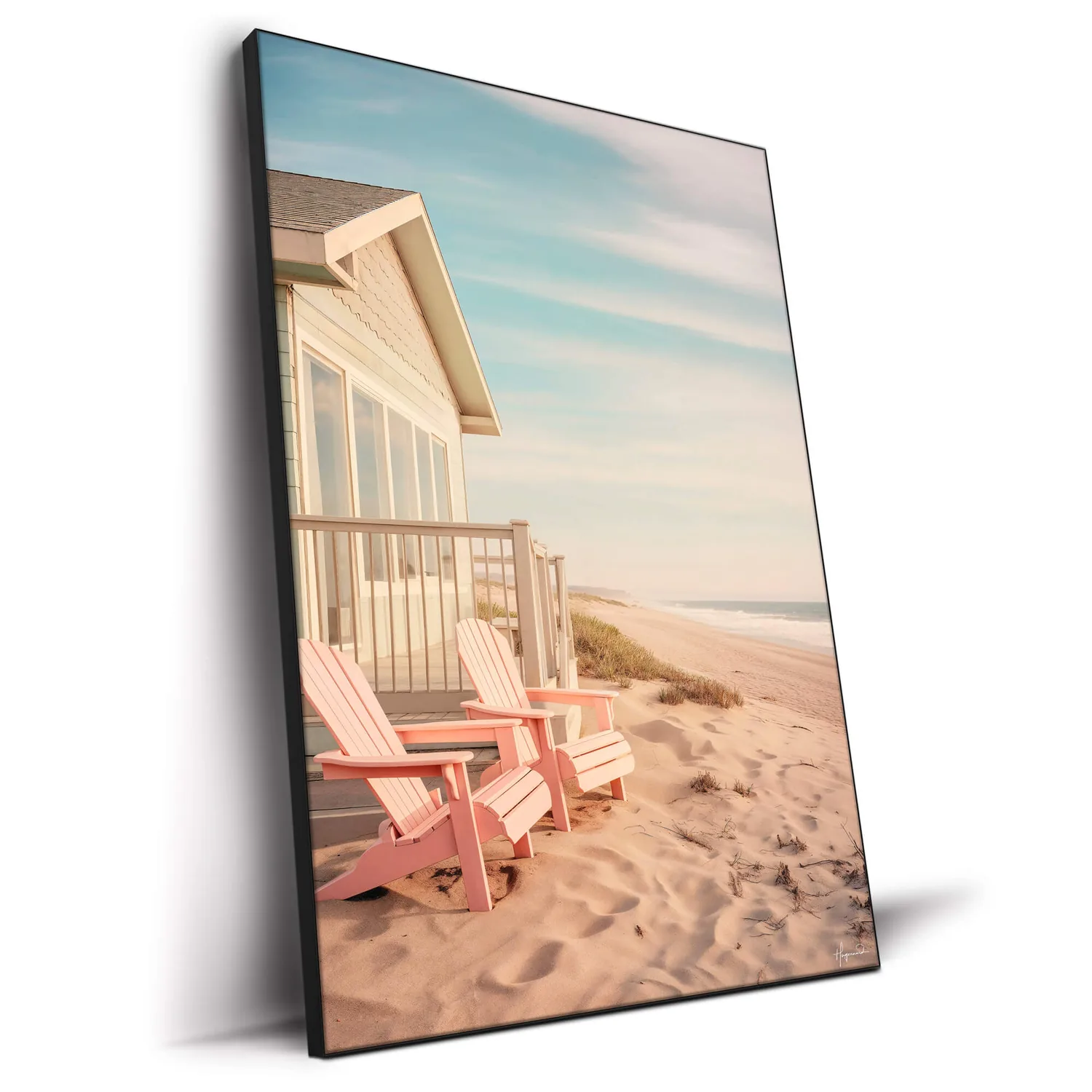
Along the Beach
PARTB Curated · Featured in this article
That said, one carefully chosen piece in a primary space can be tremendously effective. A single pop culture print in an otherwise minimal entryway makes a statement about confidence and self-knowledge. The key is surrounding it with enough neutral elements that it registers as an intentional focal point rather than the first of many competing for attention. Think of it as the design equivalent of a perfectly placed vintage band tee with tailored trousers—the contrast is what makes it work.
Unexpected placements can be particularly charming. Nostalgic art in a powder room surprises guests in an intimate setting where whimsy is welcome. A music-related piece in a walk-in closet or dressing area reinforces the space as a personal zone. Kitchen and dining areas also offer opportunities, especially for food-related pop culture references or pieces that celebrate craft and making. The location itself provides context that helps the piece feel integrated rather than random.
Creating Cohesion Through Framing and Matting
Nothing undermines the grown-up credibility of pop culture art faster than mismatched, cheap frames. Investing in consistent framing—whether that means uniformly modern thin black frames, warm wood tones, or even vintage-inspired options—instantly elevates your collection. The frames don't need to be identical, but they should share a visual language that ties the grouping together. This consistency signals that you're building a collection rather than accumulating decorations.
Strategic matting adds breathing room and sophistication. A generous mat in crisp white or soft cream creates visual separation between the art and its surroundings, allowing even bold imagery to coexist peacefully with other decor. For pieces with busy compositions or saturated colors, matting provides essential negative space that prevents visual overload. It also allows you to standardize frame sizes even when your prints vary in dimension, simplifying the hanging process and creating cleaner visual lines.
Consider custom framing for your most cherished pieces. A professional framer can recommend mat colors, frame styles, and glazing options that protect your investment while enhancing its presentation. Museum-quality glass reduces glare and UV damage, ensuring that your carefully chosen art doesn't fade into a sad reminder of poor preservation. Yes, custom framing represents a significant expense, but treating your nostalgic pieces with this level of care fundamentally changes how others perceive them—and how you value them yourself.
Balancing Nostalgia with Current Aesthetics
The most sophisticated approach to pop culture art acknowledges both its historical moment and your current design sensibilities. This might mean pairing vintage concert posters with contemporary furniture, or displaying retro TV references in rooms with decidedly modern architecture. The temporal tension creates interest while demonstrating that your taste has evolved beyond simple replication of a particular era.
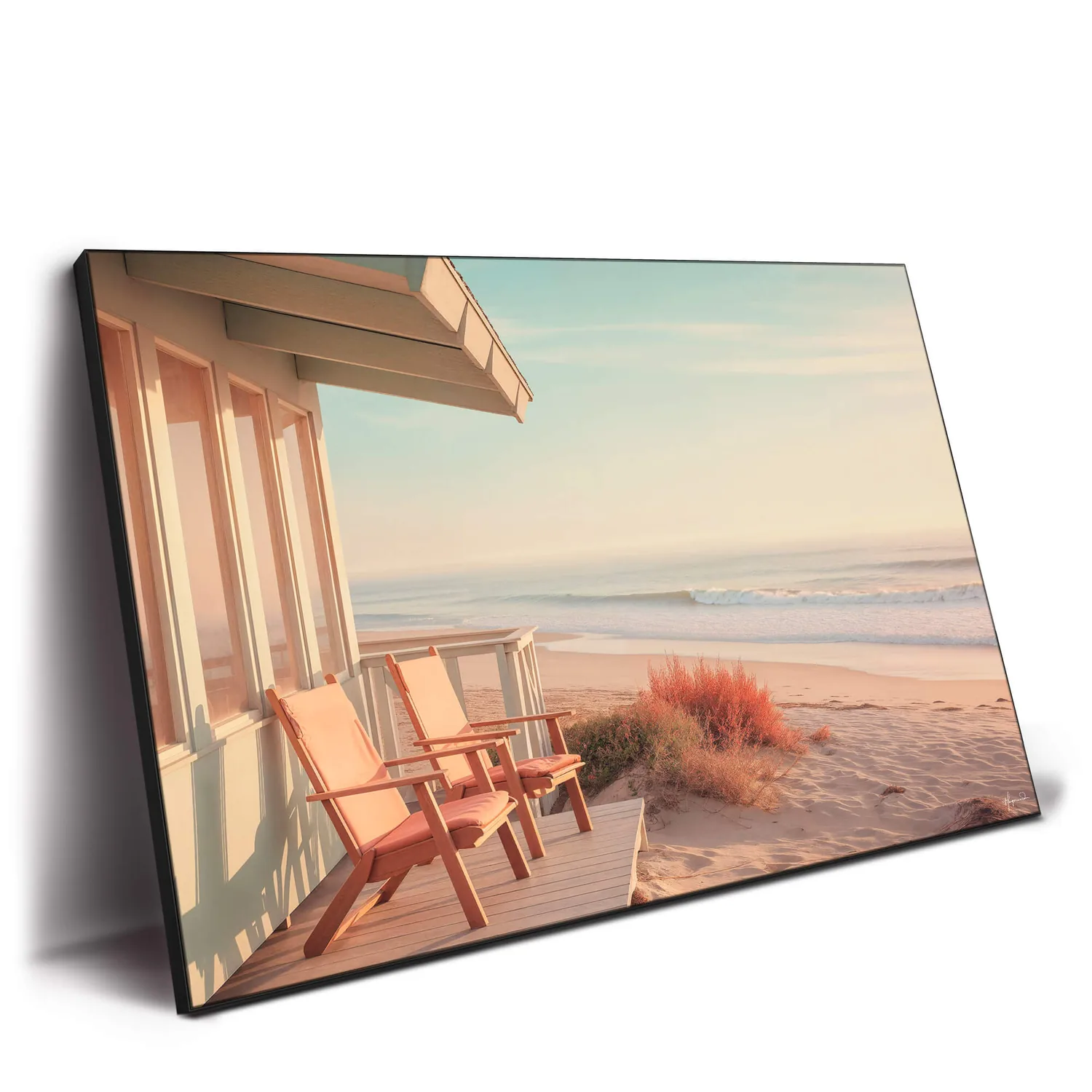
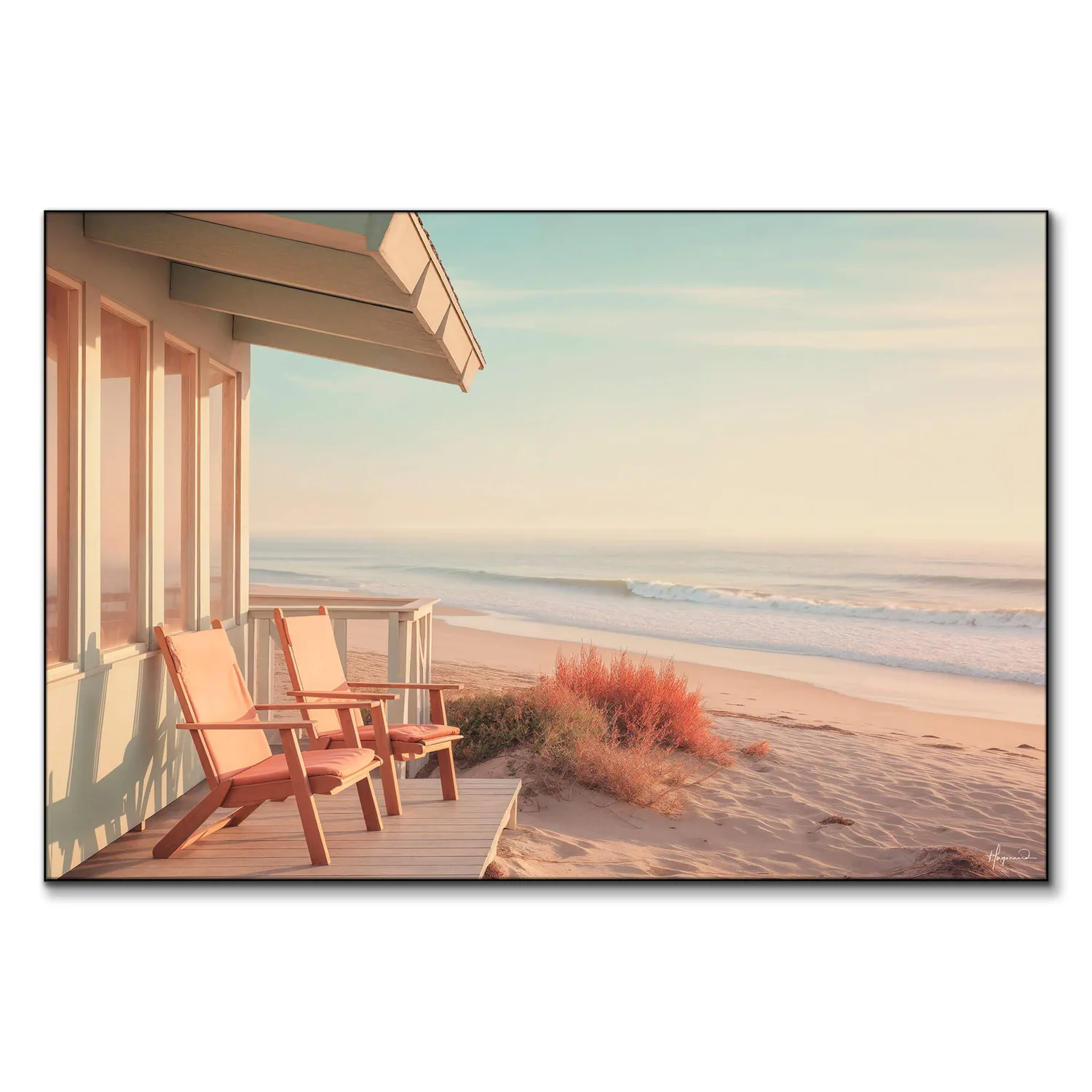
Sandy Coastal Dreams
PARTB Curated · Featured in this article
Color coordination helps bridge the gap between nostalgic content and current aesthetics. If your space leans toward warm, earthy tones, seek out pop culture art that features similar palettes rather than forcing neon brights that fight your existing scheme. Mellisonant Fall demonstrates how seasonal, nature-inspired imagery can carry subtle nostalgic resonance while fitting seamlessly into spaces that prioritize organic, grounded color stories. The result feels collected and intentional rather than theme-park literal.
Similarly, consider the overall mood you're building. If your space emphasizes calm and contemplation, loud or frenetic pop culture pieces will create dissonance. Look instead for quieter references—perhaps atmospheric movie stills, minimalist takes on album art, or subtle nods to favorite books or comics. The nostalgia should enhance your space's intended feeling rather than contradict it.
Editing Your Collection Over Time
Part of maintaining grown-up credibility with pop culture art is knowing when to rotate or retire pieces. Your taste will evolve, and what felt essential five years ago might no longer resonate. Rather than cluttering your walls with every nostalgic piece you've ever acquired, treat your displays as curated exhibitions that change seasonally or annually. Store pieces you're not currently showing, and allow yourself permission to sell or donate work that no longer serves your aesthetic.
This editing process also prevents the "too much" problem that plagues many attempts at incorporating nostalgia. When every wall screams for attention with pop culture references, none of them land with impact. Selectivity creates breathing room, allowing your chosen pieces to actually be seen and appreciated rather than blurring into visual noise. Think of yourself as a museum curator with limited wall space—what earns a spot in the current exhibition, and what needs to wait its turn?
As you refine your collection, you'll likely notice that certain pieces have genuine staying power while others were more about the impulse purchase than lasting love. Double down on what continues to spark joy while being ruthless about what doesn't. Your walls should reflect who you are now, informed by who you were, not frozen in a past version of yourself that no longer quite fits.
---
The art of styling nostalgic pop culture pieces in adult spaces ultimately comes down to treating them with the same consideration you'd give any serious art collection. It's about quality over quantity, thoughtful placement over impulsive display, and integration over isolation. When you approach these pieces as legitimate expressions of your aesthetic rather than guilty pleasures that need justification, they naturally find their place in sophisticated, grown-up rooms. The result is a home that tells your story without reading like a transcript—nuanced, layered, and unmistakably yours.
Frequently asked questions about styling pop culture art in grown-up spaces follow below, addressing common concerns about balancing nostalgia with sophisticated design.
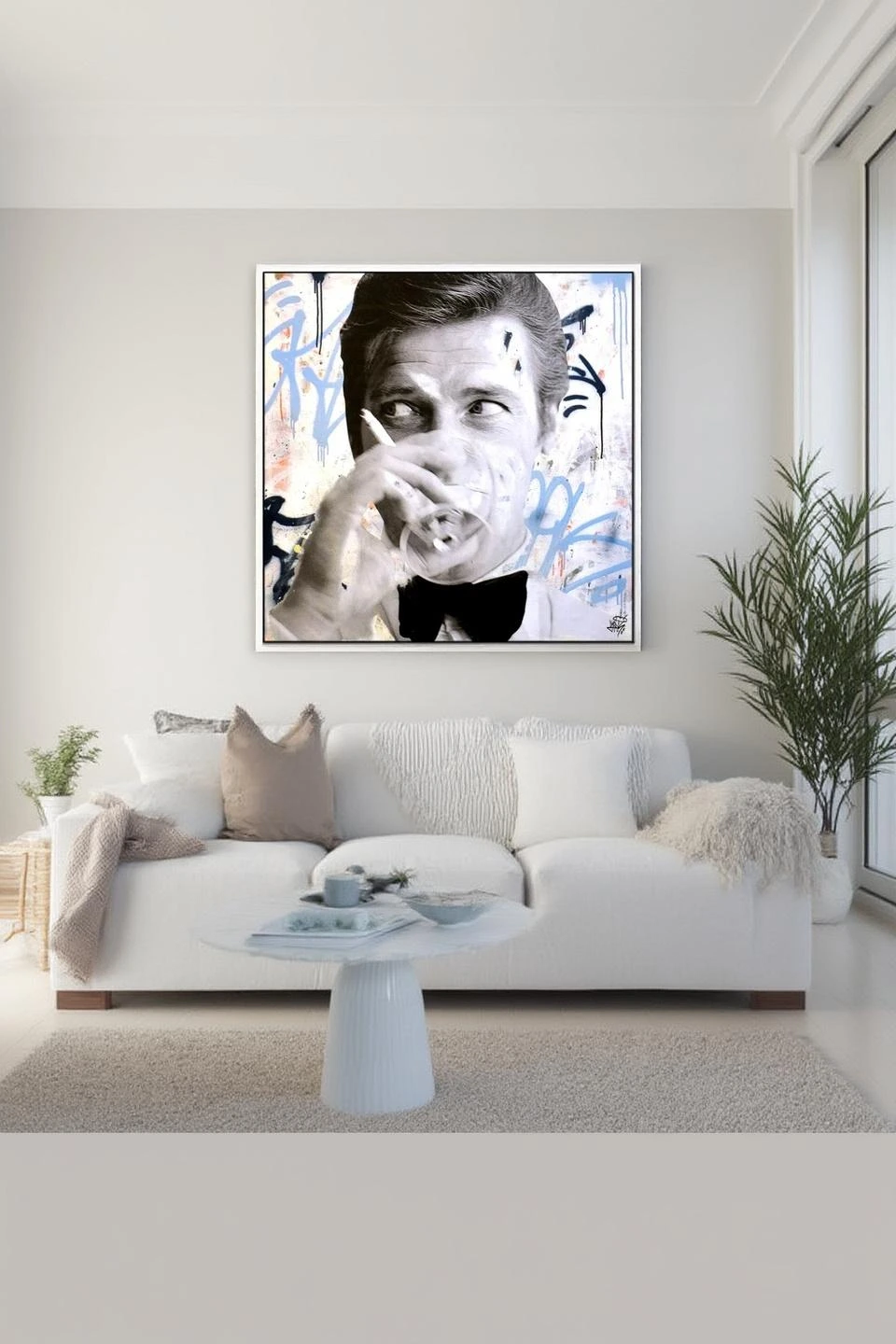
James Bond Martini
PARTB Curated · Featured in this article
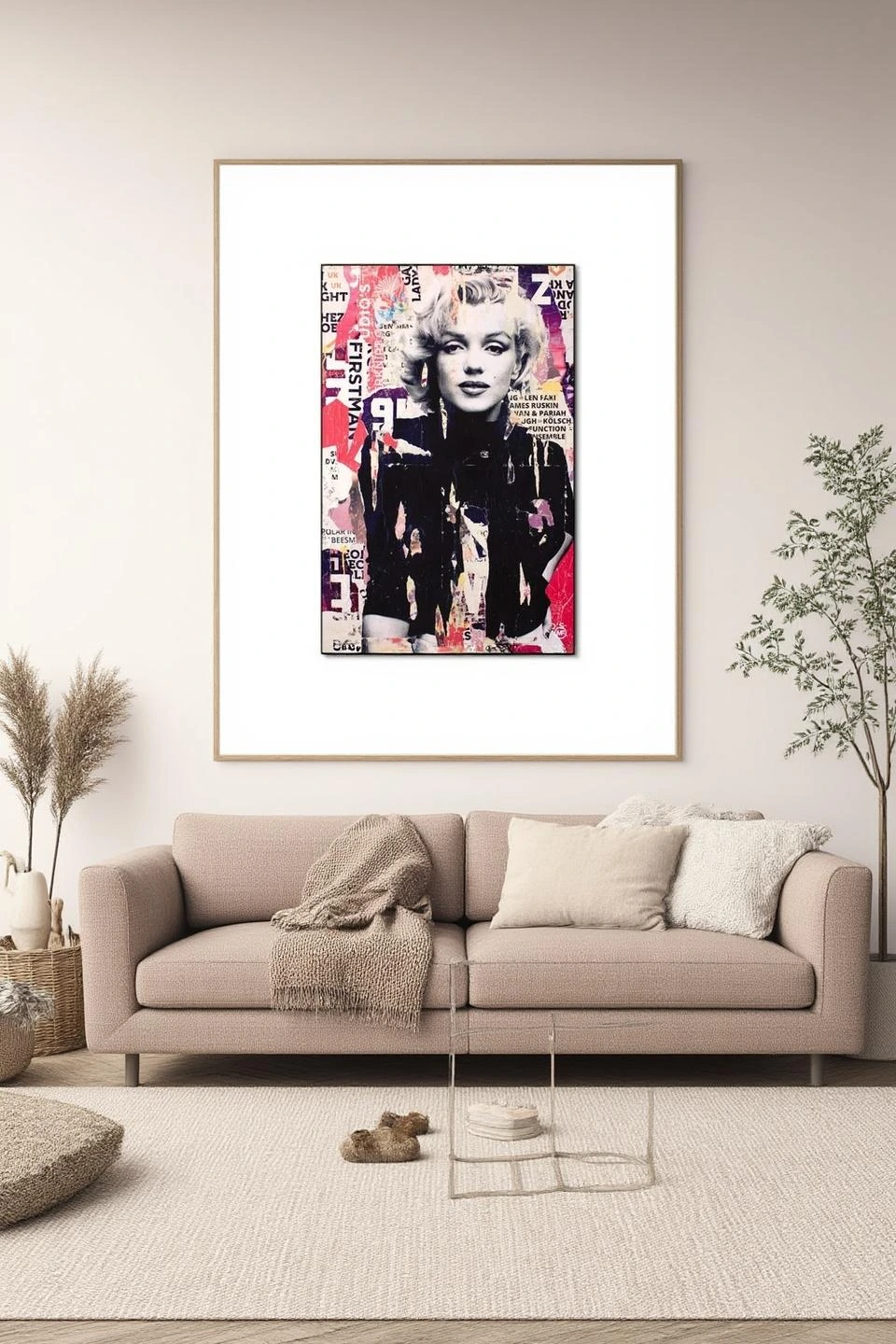
I Defy Gravity
PARTB Curated · Featured in this article
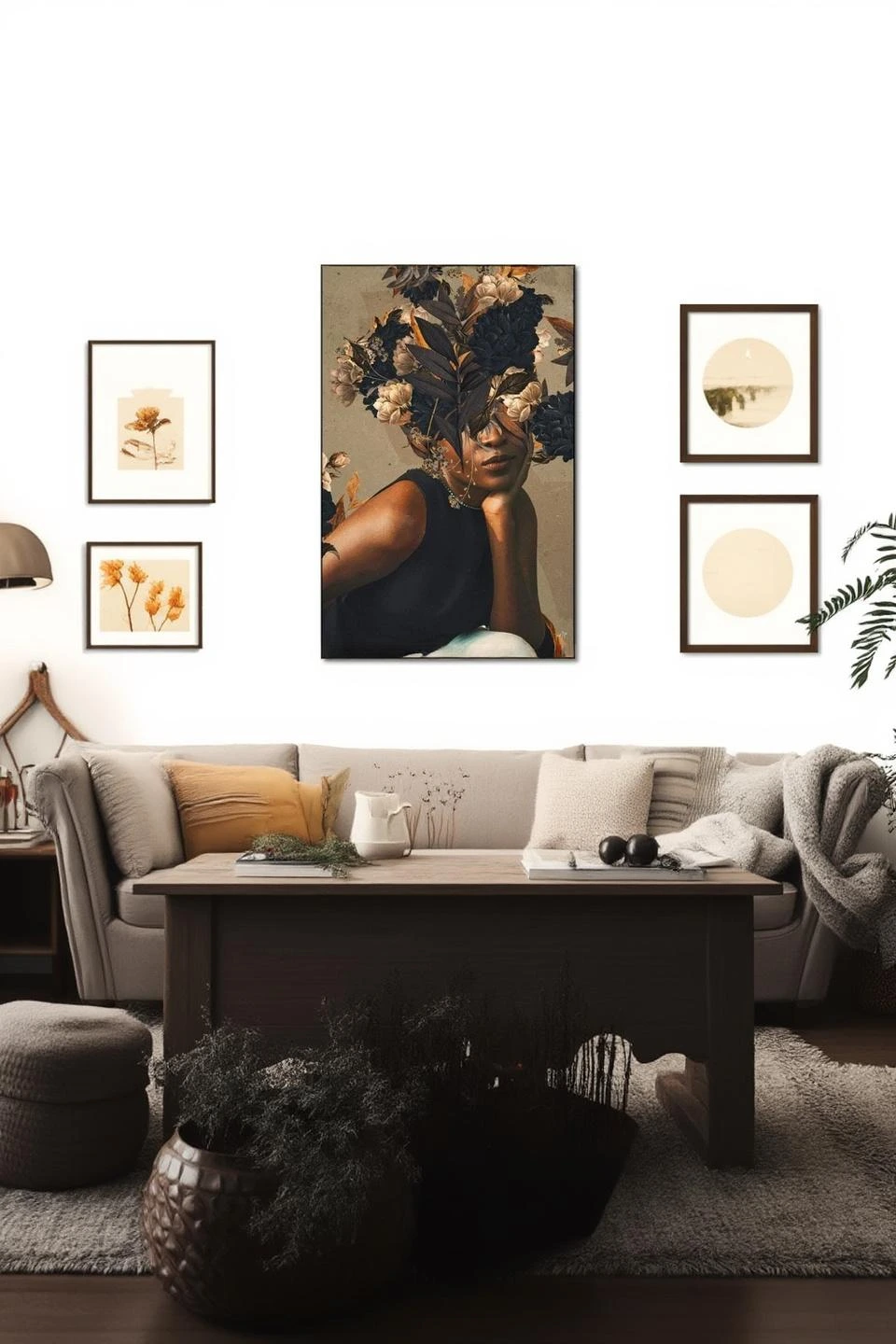
Mellisonant Fall
PARTB Curated · Featured in this article