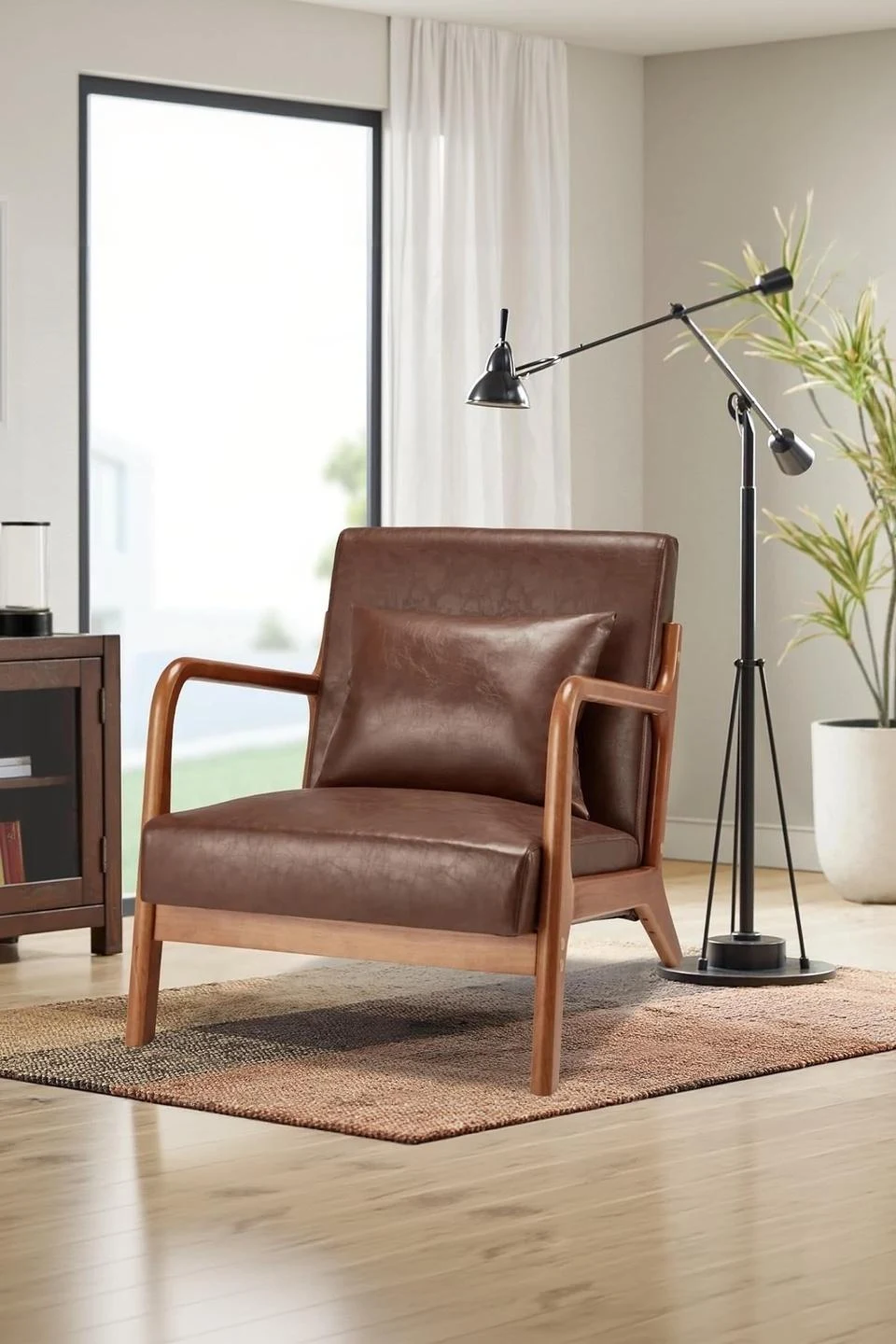
You've splurged on that perfect accent chair—the one with the sculptural arms or the velvet upholstery that made your heart skip. It arrives, you unbox it with ceremony, place it in your living room, and then... it just sits there. Untouched. Gathering throw pillows like a decorative shrine no one's allowed to disturb. Sound familiar? The truth is, most accent chairs lead tragically ornamental lives, admired but never actually sat in. But it doesn't have to be this way. With intentional placement and a shift in how you think about furniture functionality, that beautiful chair can become the most-used seat in your home—not just a pretty face taking up square footage.
Rethink the "Conversation Area" Myth
Interior design magazines love to show accent chairs positioned at perfect 90-degree angles to sofas, creating what they call a "conversation area." And yes, this works beautifully for formal living rooms where you actually host salons or book clubs. But for most of us? That angled chair becomes a landing pad for clean laundry or the spot where you drape your coat because it's almost in the path to the closet but not quite.
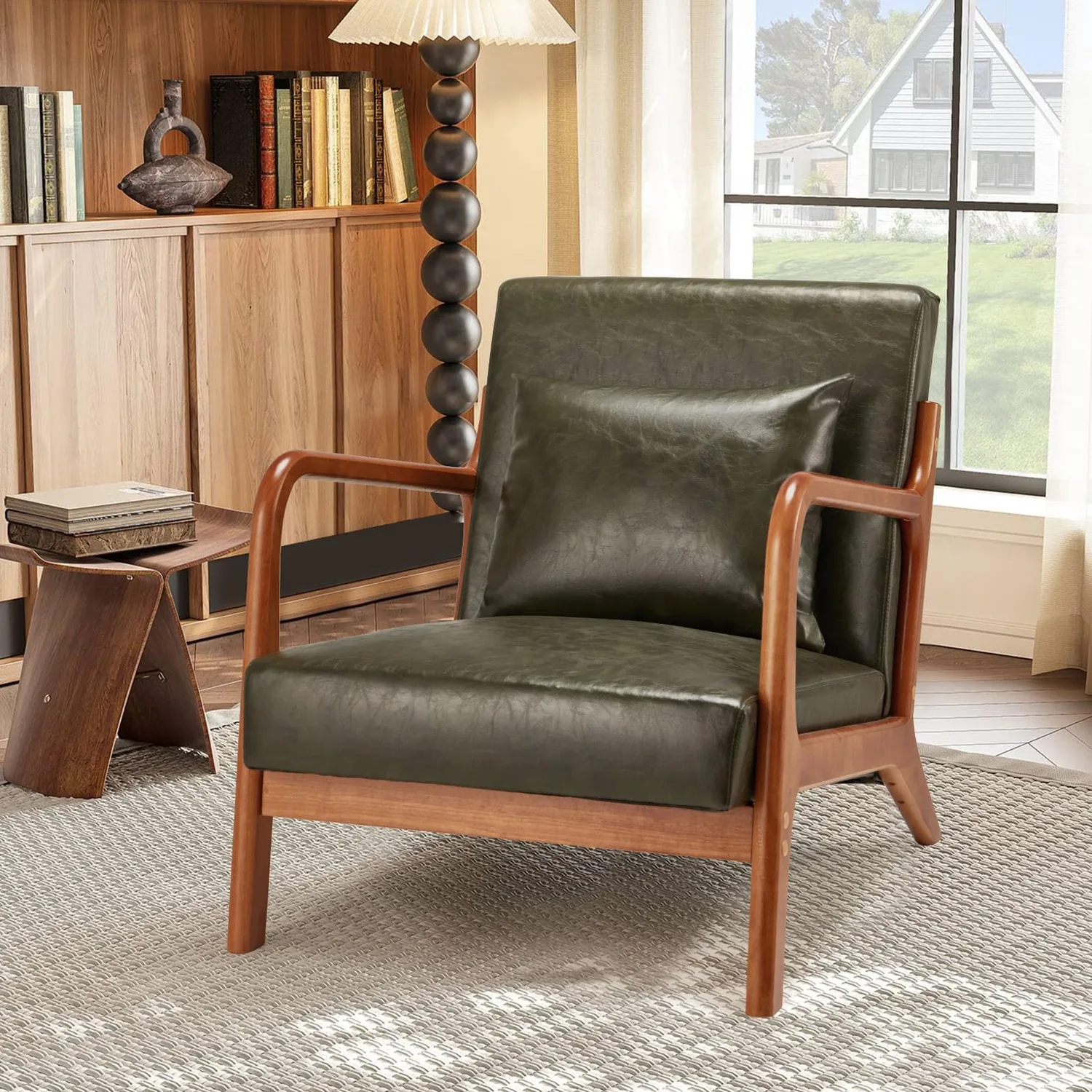
The problem isn't the chair—it's the assumption that all living room seating exists primarily for hosting. Before you decide where your accent chair goes, ask yourself how you actually use your living room. Do you curl up with a book most evenings? Do you need a spot to pull on shoes before heading out? Does someone in your household need their own designated perch for gaming or scrolling that's separate from the main sofa territory? Your accent chair should support real behavior, not aspirational entertaining you do twice a year.
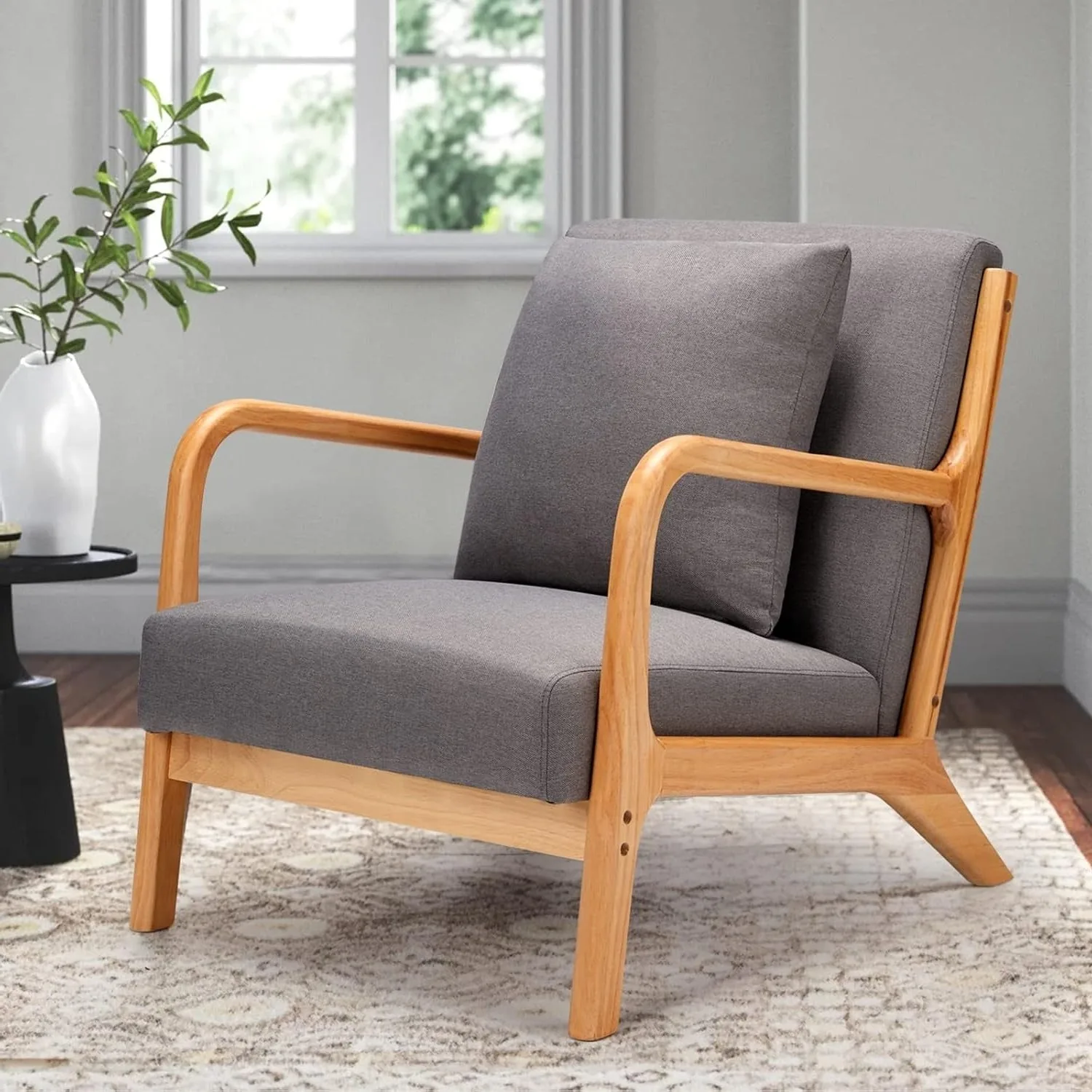
Position the chair where you'll naturally gravitate. If you're a reader, that might be perpendicular to a window with a floor lamp behind it. If you're a shoe-tier, that's probably near the door. If you need a phone-call spot away from household chaos, consider an angled position that faces away from the TV. The YODOLLA Gray Linen Accent Chair works particularly well for these functional placements—its clean-lined silhouette doesn't demand to be the room's centerpiece, so it can live in task-oriented spots without looking like an afterthought.
Create an Actual Activity Zone, Not Just a "Nook"
Here's where most advice goes soft and vague: "create a cozy reading nook!" But what does that actually mean in practice? An activity zone needs more than just a chair shoved in a corner with good intentions. It needs infrastructure.
If you want your accent chair to be a reading spot, it needs three things within arm's reach: light (adjustable, not just ambient ceiling fixtures), a side table (for your drink, phone, and the four books you're reading simultaneously), and storage for reading materials (a basket, small bookshelf, or magazine rack). Without these elements, you'll constantly get up to retrieve things, which breaks the spell, and eventually you'll just migrate back to the sofa where everything's already in reach.
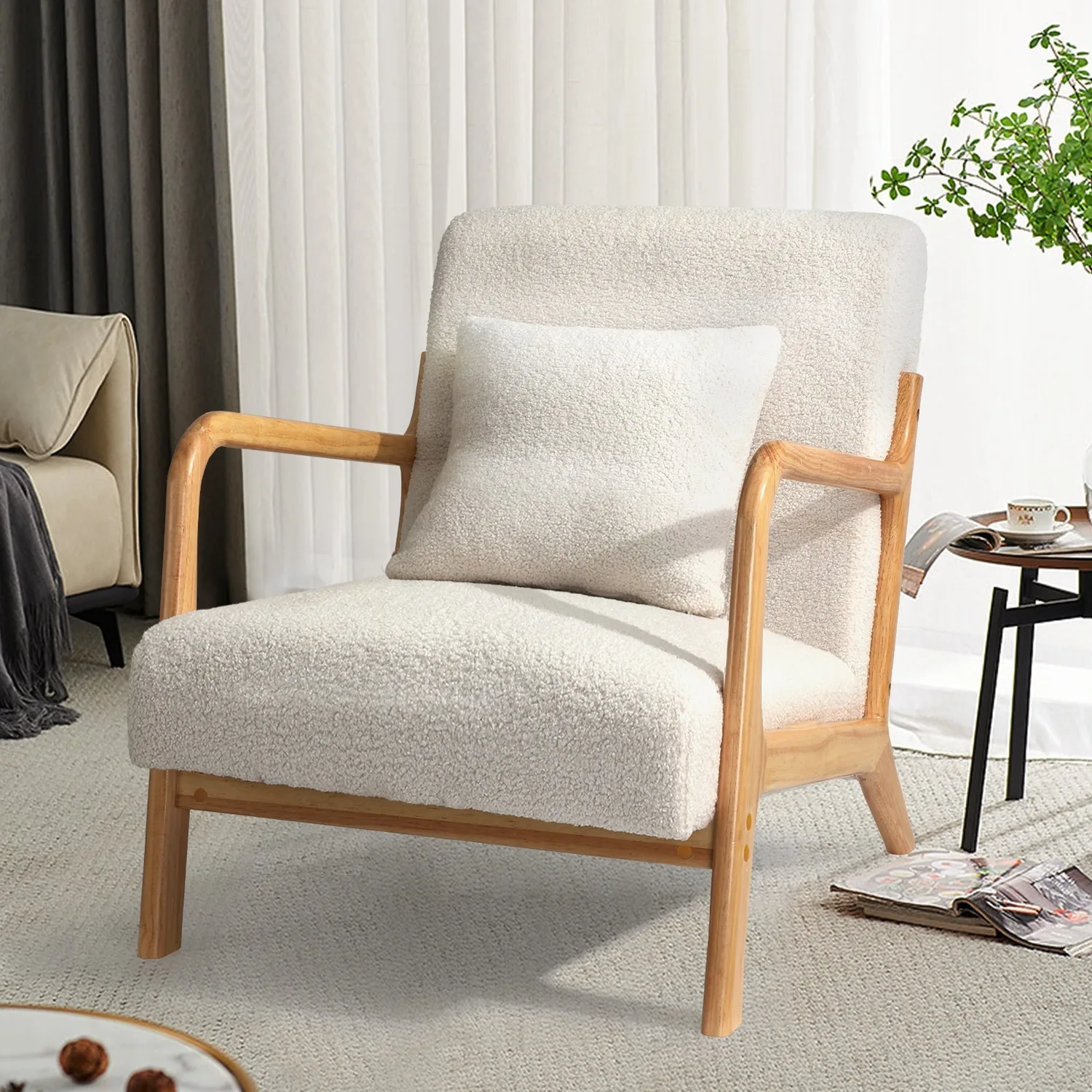
The same principle applies to other activities. A chair designated for putting on shoes needs a small bench or ottoman nearby for the second shoe, plus somewhere to stash shoe care items. A chair meant for video calls needs to be positioned where your background looks intentional (not your unmade bed or kitchen chaos) and where natural light hits your face, not the back of your head. The Cozy Brown Reading Chair particularly excels in these dedicated activity zones—its inviting design makes it feel like a destination rather than overflow seating, which psychologically encourages you to actually use it.
Solve the "Floating Furniture" Problem
Many living rooms have accent chairs floating awkwardly in open space, geometrically balanced but functionally adrift. These chairs rarely get used because humans don't naturally gravitate toward seats that feel exposed. We're comfort-seeking creatures who prefer at least one side anchored.
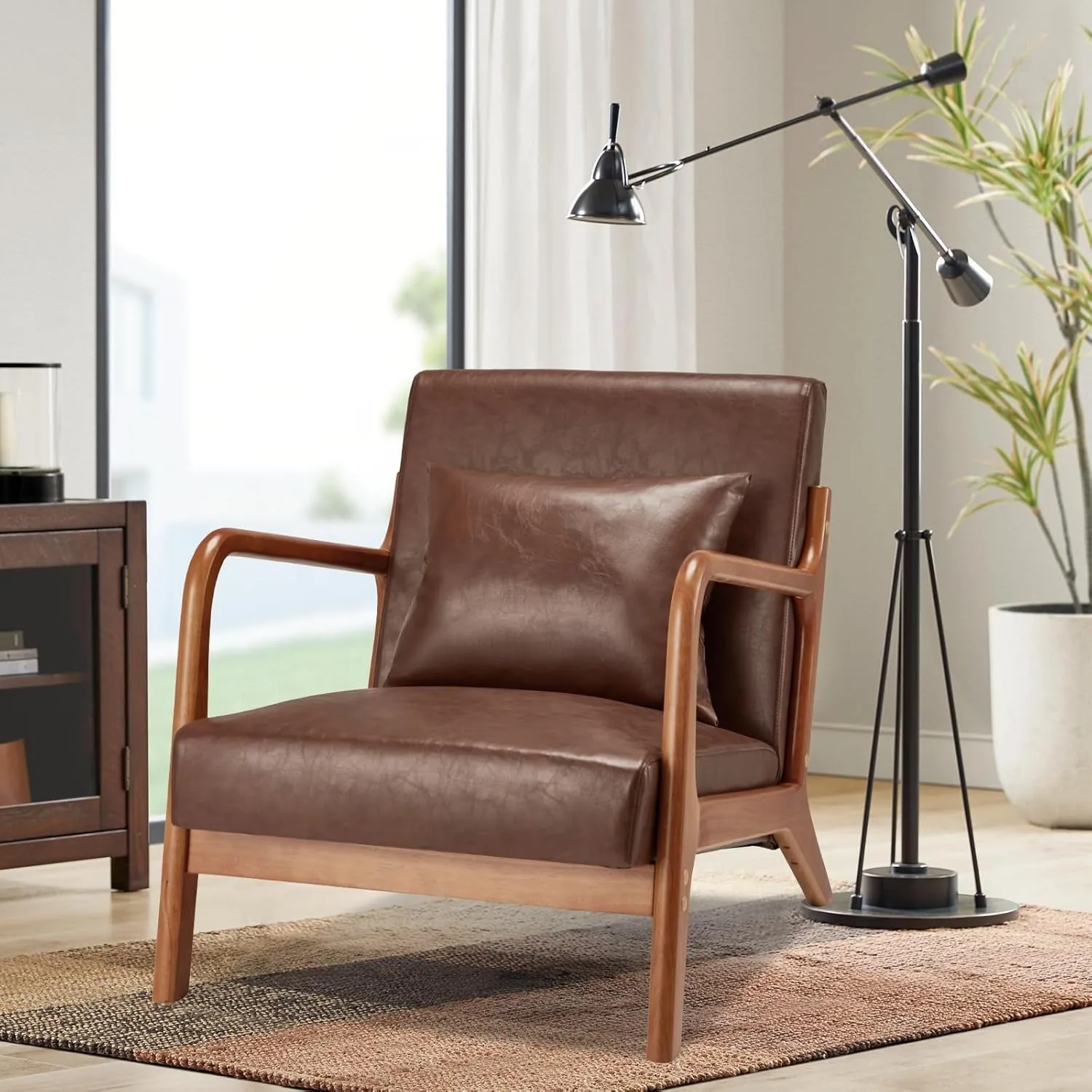
Cozy Brown Reading Chair - Transform Your Reading Nook Into a Peaceful Sanctuary
YODOLLA · Featured in this article
If your floor plan forces you into floating furniture territory, anchor the chair psychologically instead of physically. Angle it so the back partially faces a wall, even if there's three feet of space between them. Position it where it claims a corner of the room's visual territory—near a plant, beside a bookshelf, or adjacent to a console table. Add a floor lamp or a tall plant immediately behind or beside it to create a sense of enclosure. Layer a small area rug underneath to define its footprint.
The goal is to make the chair feel like it belongs to a specific zone rather than being randomly parked in the middle of the room. When a seat feels like it has a place, people treat it as a destination. When it feels like it's just filling space, they walk past it.
Address the Practicalities No One Mentions
Let's talk about the unglamorous realities. That accent chair you love? It might be actively uncomfortable for sitting longer than ten minutes. Not all seating is created equal, and many statement chairs prioritize aesthetics over ergonomics. If you've placed your chair perfectly but still never use it, audit the physical comfort. Is the seat depth right for your height? Is the back supportive? Are the arms the right height for reading or working on a laptop?
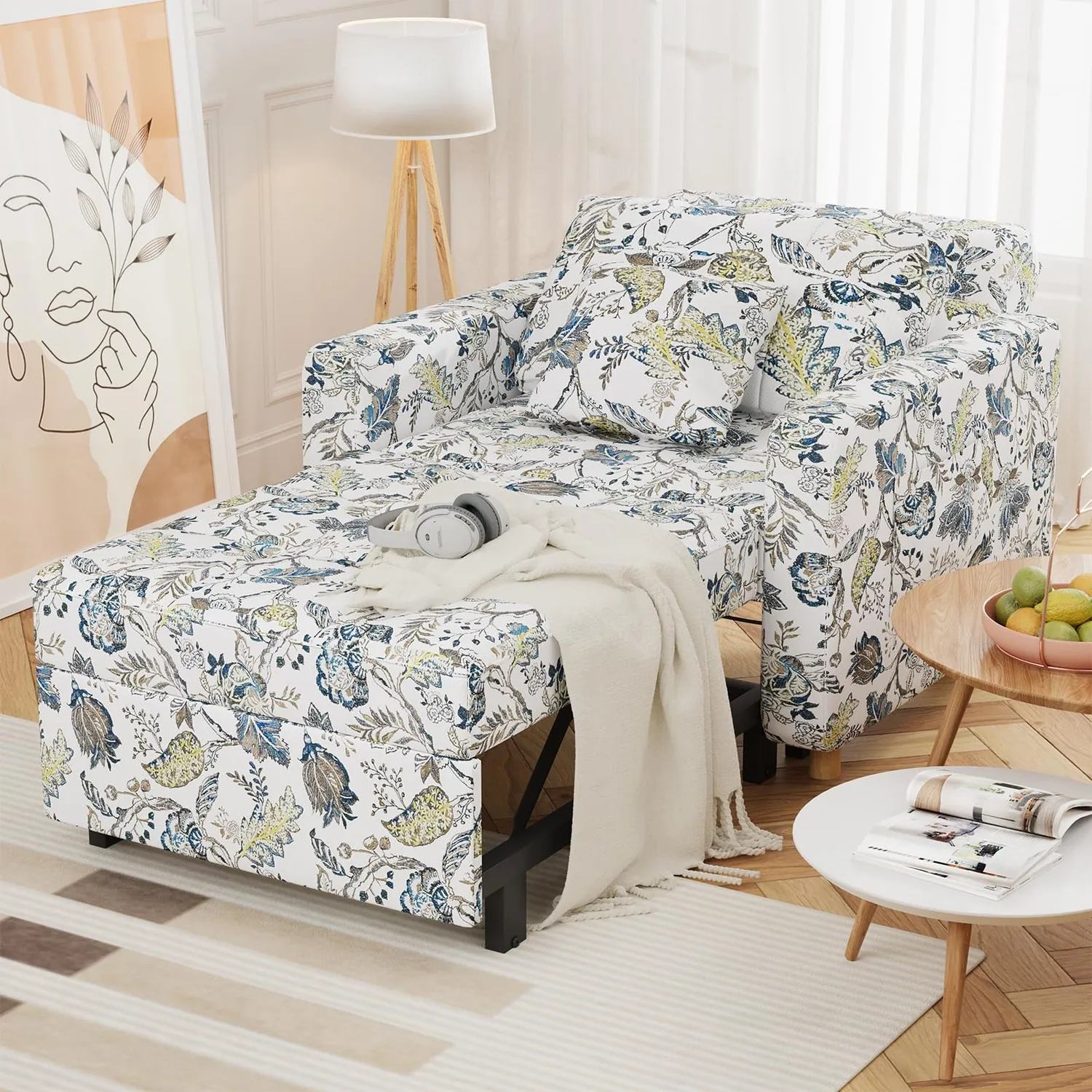
Sometimes the fix is simple: add a lumbar pillow, swap in a firmer seat cushion, or position the chair at a different angle that changes how your legs fall. The Floral Convertible Chair Bed offers interesting flexibility here—its ability to transform addresses one of the biggest accent chair problems, which is single-function furniture in multi-function spaces. When you need extra seating, it's a chair. When overnight guests arrive, it's a bed. This adaptability means the piece earns its floor space in multiple ways.
Also consider the chair's height relative to nearby surfaces. If your side table is four inches too low, you'll constantly hunch to reach your coffee, and unconsciously you'll start avoiding the chair. If it's too high, you can't comfortably rest your arm. These details seem minor but they're the difference between furniture you use and furniture you admire from across the room.
Make It the "Best Seat in the House" for Something Specific
Every successful accent chair has a purpose that makes it superior to the sofa for at least one activity. Maybe it's the only seat that gets morning light for coffee. Maybe it's positioned where you can see both the TV and the front door (crucial for parents of young kids). Maybe it's the spot where you can put your feet up on an ottoman while the sofa lacks the right geometry for that.
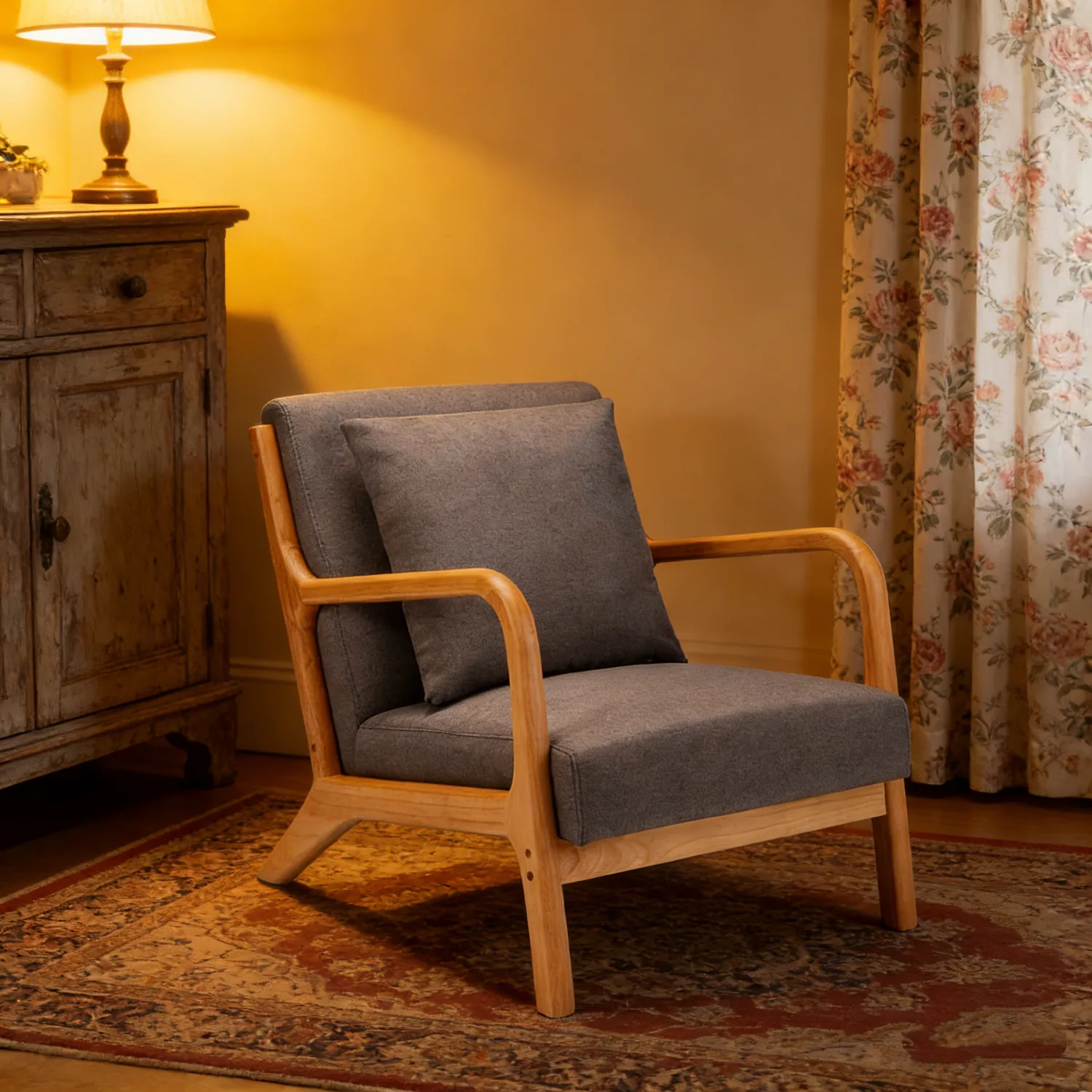
YODOLLA Gray Linen Accent Chair - Modern Reading Armchair for Living Room & Bedroom
YODOLLA · Featured in this article
Identify your chair's superpower and lean into it. If it has the best view, that's where you take phone calls with friends. If it's in the quietest corner, that's your meditation or journaling spot. If it's near the window, it's where you drink your morning coffee while watching the street wake up. Give the chair a role that the sofa can't play.
This is particularly important in small living rooms where you might be questioning whether an accent chair is worth the footprint. The answer is yes—but only if it unlocks a use case that wouldn't exist otherwise. Browse our full collection of accent chairs and seating solutions to find pieces that suit specific functions, not just fill space.
Rethink Traffic Flow and Actual Daily Patterns
Place your accent chair where you naturally move, not where a floor plan template suggests. Most of us have remarkably consistent traffic patterns in our homes—the path from bedroom to kitchen, the route from front door to coat closet, the trajectory from desk to couch at day's end. If your accent chair sits outside these natural flows, you'll literally never think to use it.
Try this experiment: for three days, notice where you pause in your living room. Where do you stand while deciding what to do next? Where do you linger while talking on the phone? Where do you stop to look at your phone when you've just walked in? These pause points are prime accent chair territory. You're already stopping there—giving yourself somewhere to actually sit turns a standing moment into a sitting one.
This approach often leads to unconventional placements that wouldn't appear in a design magazine but work perfectly for your life. Maybe your chair lives at an angle in the entry zone where you naturally pause to check your bag. Maybe it's perpendicular to your desk, creating a spot to shift from work mode to home mode without fully leaving the room. These functional placements beat aesthetically perfect but practically useless arrangements every time.
Test, Adjust, and Give It Time
Here's the part that requires patience: even a perfectly placed accent chair needs a few weeks to become part of your routine. You've probably spent months or years with certain sitting habits. A new chair, even optimally positioned, represents a pattern change. Consciously choose to sit in it for at least ten minutes a day for two weeks. Take your morning coffee there. Return phone calls from that spot. Read there instead of in bed.
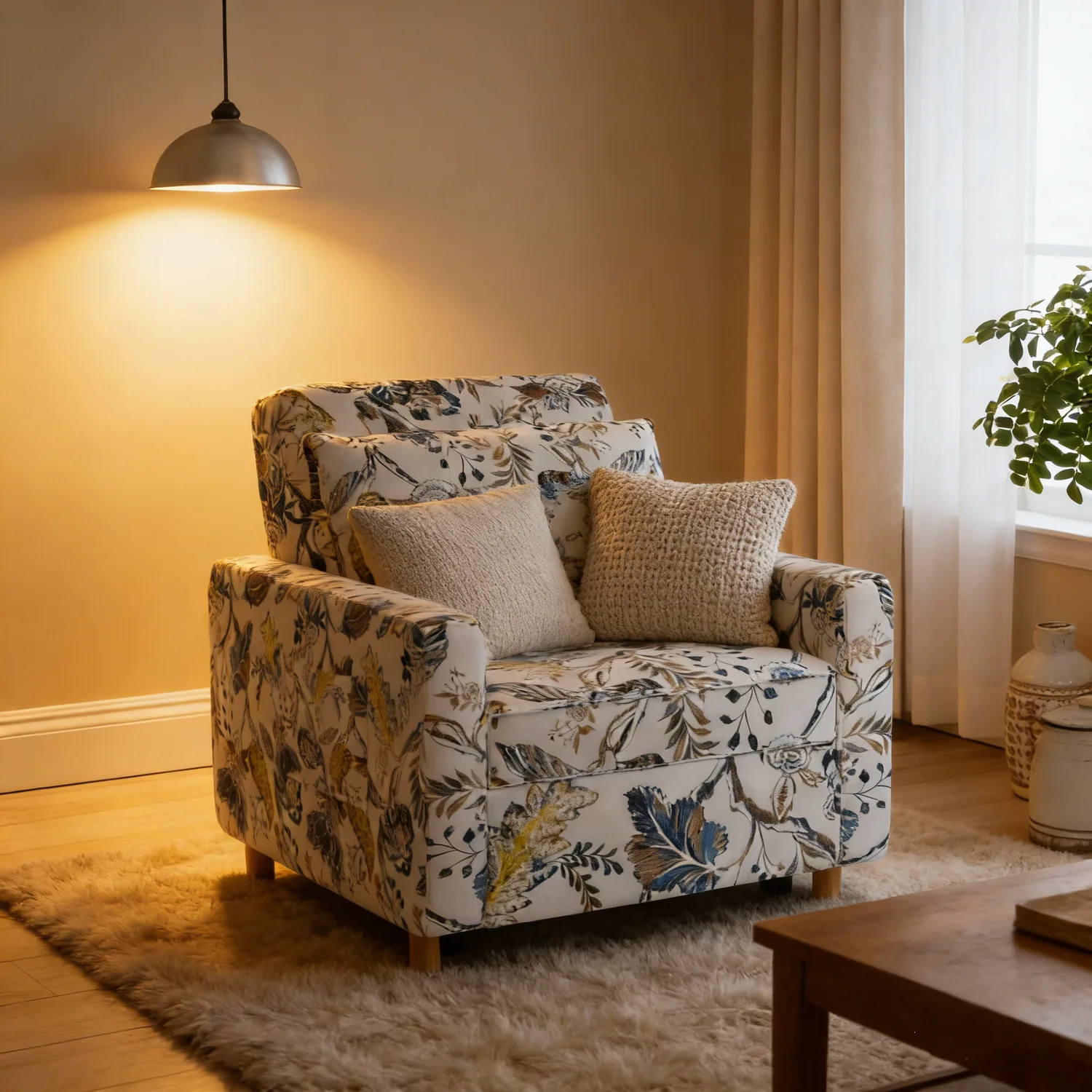
Floral Convertible Chair Bed 36" - Modern Scandinavian Sleeper Sofa for Small Spaces
YODOLLA · Featured in this article
If after a genuine trial period you're still not using it, don't assume the chair is the problem. Audit the setup again. Is there a barrier you're not consciously registering? Is it slightly too far from where you'd naturally reach for something? Is the lighting wrong in the evening when you'd most want to use it? Sometimes moving a chair eighteen inches solves everything.
We've found that the most successful accent chair placements come from treating furniture arrangement as an iterative process rather than a one-time decision. Live with a setup, notice what works and what doesn't, then adjust. Your living room isn't a museum diorama—it's allowed to evolve based on how you actually live.
---
Whether you're shopping for your first statement piece or trying to make better use of an accent chair that's been gathering dust, remember that beautiful furniture should also be functional furniture. The best-designed living rooms aren't the ones that photograph well—they're the ones where every piece serves the people who live there. When you choose placement based on your real routines rather than design dogma, that accent chair transforms from decorative object to indispensable piece of your daily landscape.
Below, we've compiled answers to the most common questions about accent chair placement and usage, covering everything from small-space strategies to solving compatibility issues with existing furniture.