Small backyards have a superpower that larger spaces don't: every single element matters. When you're working with limited square footage, there's nowhere to hide mediocre choices or haphazard placement. This constraint is especially true with outdoor solar lighting, where the temptation to simply stake a few path lights wherever they'll fit can leave your space feeling more like a suburban sidewalk than an intentional retreat. The good news? Small yards actually respond beautifully to solar lighting when you approach them with the same care you'd give to arranging furniture in a studio apartment. It's all about creating layers, establishing focal points, and resisting the impulse to treat lighting as an afterthought.
Think in Zones, Not Perimeters
The rookie move in small backyard lighting is lining the perimeter with evenly spaced fixtures—a well-meaning choice that unfortunately makes your yard feel even smaller by drawing attention to its boundaries. Instead, think about creating distinct zones of activity or visual interest. Maybe you have a seating area that deserves its own lighting moment, a vertical garden wall that could use some drama, or a pathway that leads the eye from one zone to another. By concentrating solar fixtures in purposeful clusters rather than spreading them like breadcrumbs, you create depth and the illusion of more space.
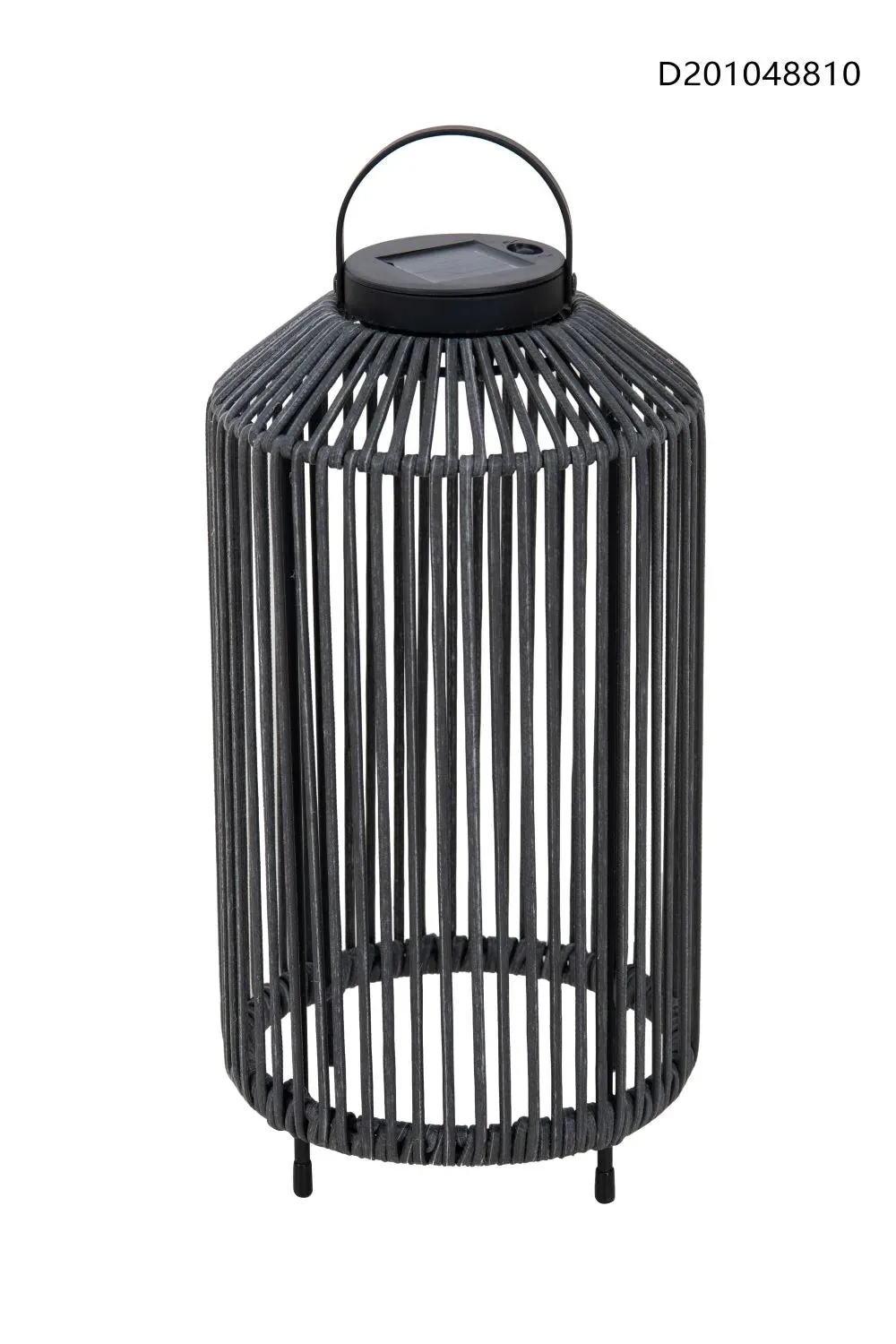
Consider how you actually use your backyard. If you have a small dining setup, that's a zone. If there's a particularly beautiful tree or architectural feature, that's another. Even functional areas like where you store your bike or tend to potted herbs can become intentional zones with the right lighting approach. The solar lamps collection offers options that work at different heights and intensities, allowing you to customize each zone without running a single wire. A 25-in Black Solar Lantern can anchor a seating area with its substantial presence, creating an intimate boundary without the harshness of overhead floodlights.
Embrace Vertical Real Estate
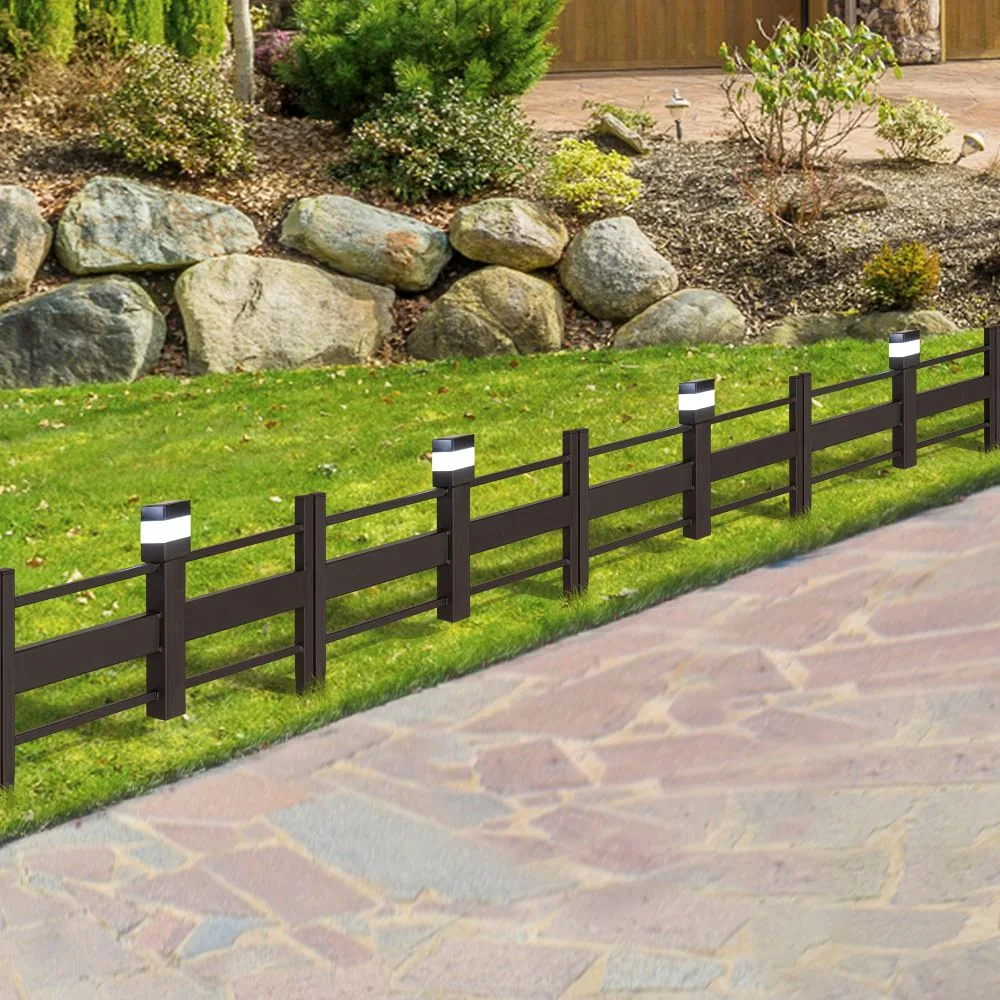
When horizontal space is precious, look up. Small backyards benefit enormously from vertical lighting strategies that draw the eye skyward and create the perception of volume. This doesn't mean installing airport runway beacons—it means using fence lines, walls, trellises, and overhead structures as canvases for carefully placed solar fixtures. The Solar-Lit Garden Border Fence exemplifies this approach perfectly, integrating illumination directly into the boundary structure so it serves double duty as both definition and ambiance.
Wall-mounted solar sconces, hanging lanterns from pergola beams, or even weaving string lights through vertical plantings all contribute to this vertical strategy. The key is variation in height. If all your lighting sits at ground level or hangs at exactly the same height, you've missed an opportunity to create visual interest. Mix low path markers with mid-height accent pieces and overhead ambient sources. This layering makes a small space feel curated and complex rather than constrained.
Make Peace with Asymmetry
Symmetry feels safe, especially in small spaces where you might worry that breaking the rules will create chaos. But perfect symmetry—matching lanterns on either side of a door, evenly spaced lights marching down a path—often reads as generic rather than intentional. The homes and gardens that feel most designed are usually those that embrace a more organic, asymmetrical rhythm.
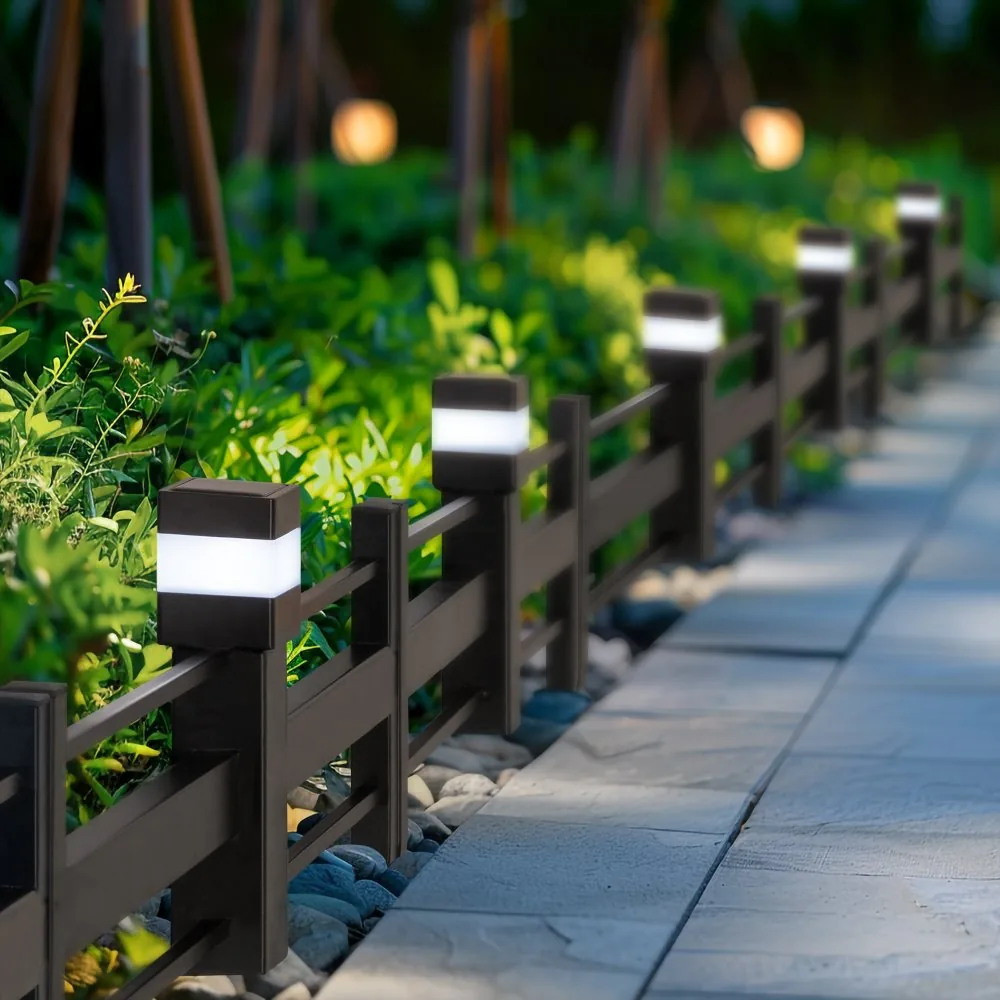
Solar-Lit Garden Border Fence - Transform Your Outdoor Space with Elegant Metal Edging
Sunjoy · Featured in this article
This doesn't mean randomness. It means grouping lights in odd numbers (three small fixtures clustered near a focal point rather than two), varying heights within a grouping, and allowing some areas to remain darker to create contrast. That contrast is crucial. In a small backyard, shadows are your friend—they create mystery and make the space feel larger because not everything is revealed at once. Place a solar spotlight to uplight a single architectural plant, leaving the area behind it in relative darkness. The interplay between light and shadow does more heavy lifting than uniform illumination ever could.
Choose Fixtures with Architectural Presence
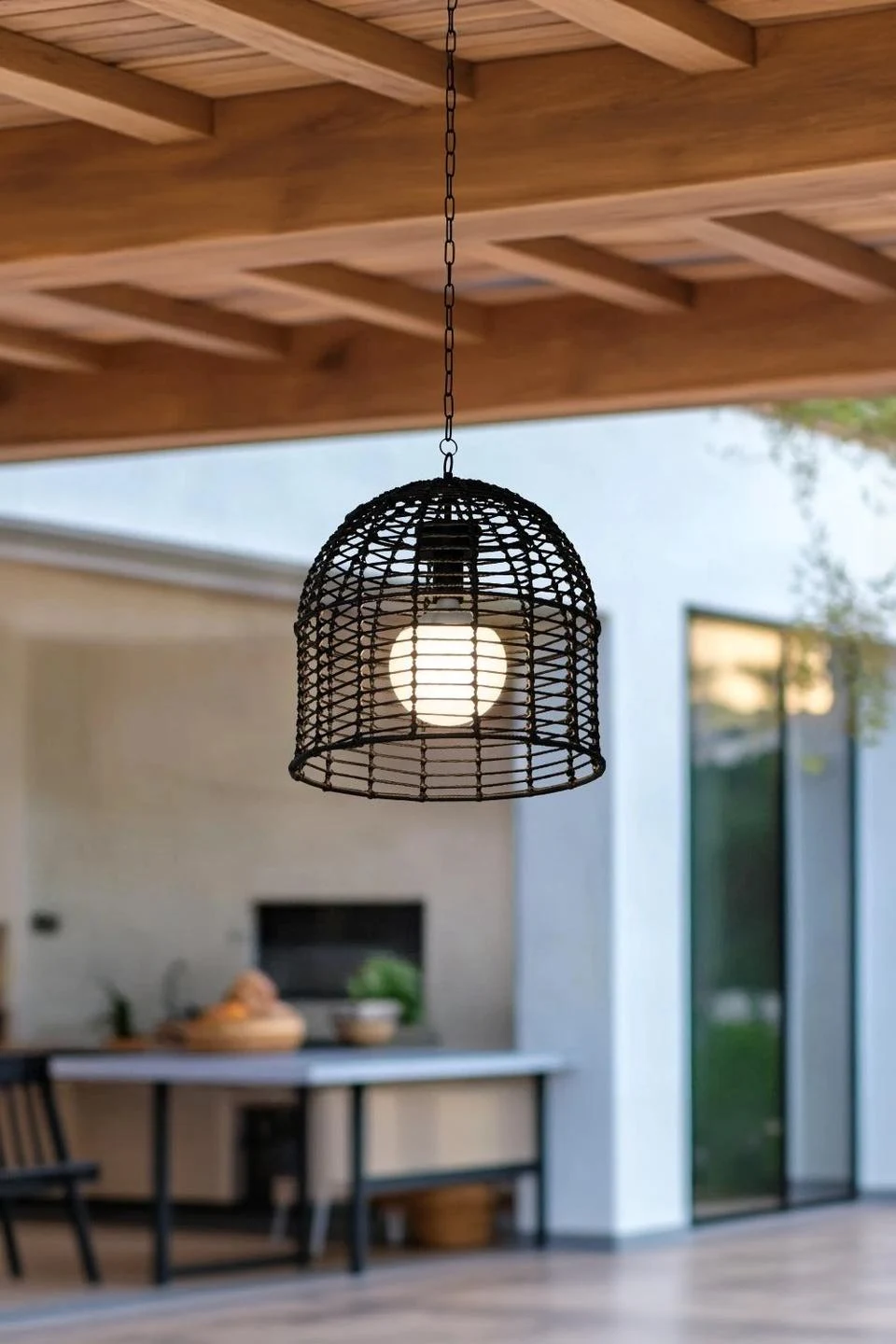
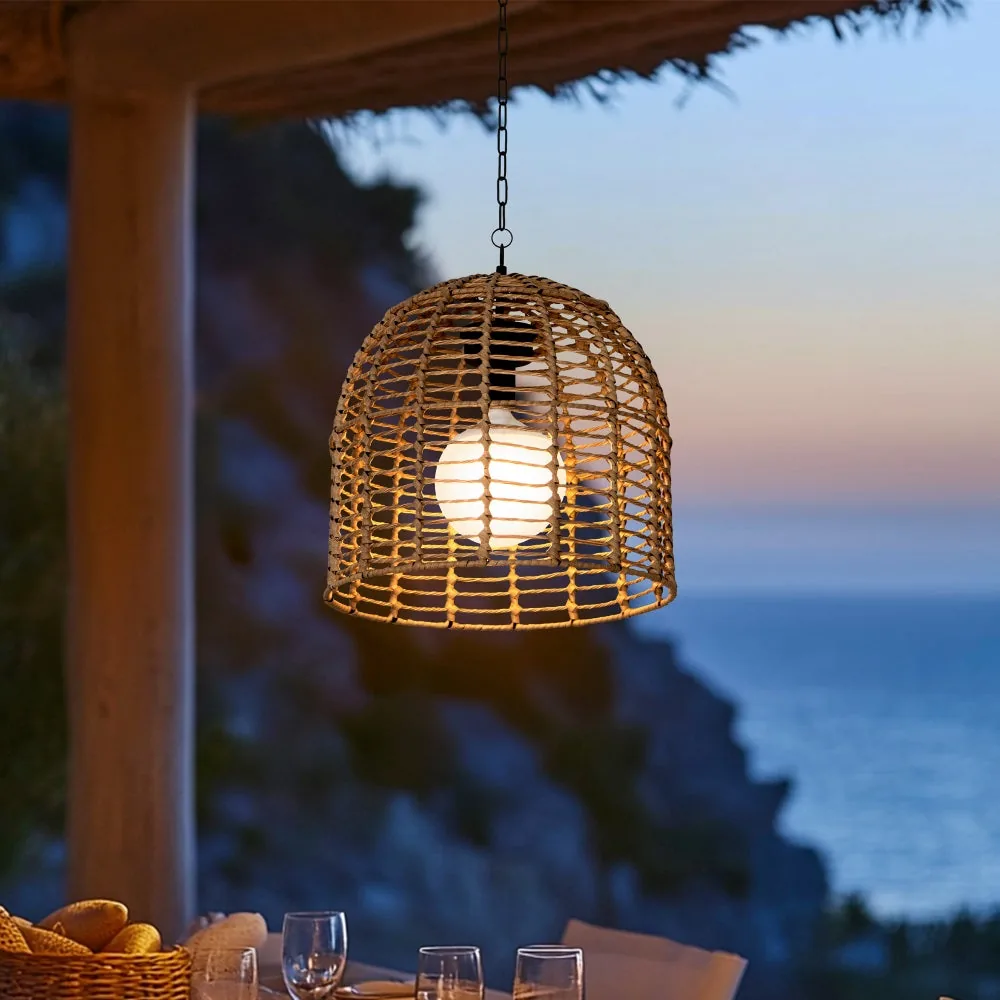
In limited square footage, every object needs to earn its place both functionally and aesthetically. This is where those generic plastic stake lights fall short—they might provide illumination, but they don't contribute to the overall design story of your space. Instead, look for solar fixtures that function as sculptural elements during the day and light sources at night. The Elegant Wicker Outdoor Chandelier with Remote brings unexpected sophistication to a small outdoor dining area, functioning as a genuine design statement rather than just utilitarian lighting.
Think about materials and finishes that complement your existing outdoor aesthetic. Metal fixtures with architectural clean lines work well in modern spaces, while natural materials like wicker or rattan soften contemporary designs and feel at home in more eclectic yards. Black fixtures tend to recede visually during the day, which can be useful when you want the light effect without drawing attention to the fixture itself. Consider how the solar panel is integrated—better designs incorporate the panel seamlessly into the fixture rather than displaying it prominently.
Create a Hierarchy of Brightness
Not all outdoor lighting needs to be equally bright, and in fact, your small backyard will feel more intentional if you establish a clear hierarchy of illumination levels. Primary task lighting—over a dining table, near a grill, along a pathway you navigate regularly—can be brighter and more direct. Secondary ambient lighting that sets mood or highlights features should be softer and more diffused. Accent lighting that draws attention to specific plants or architectural details might be the most dramatic but affects the smallest area.
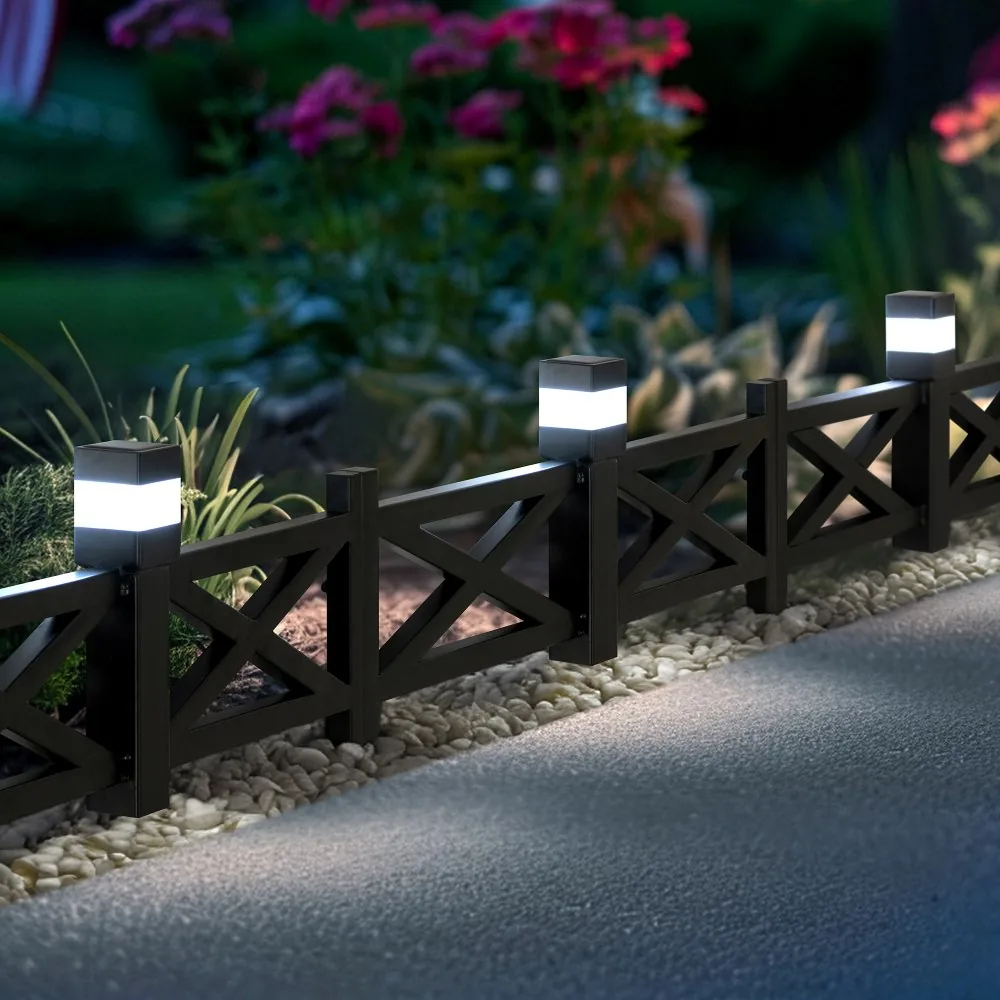
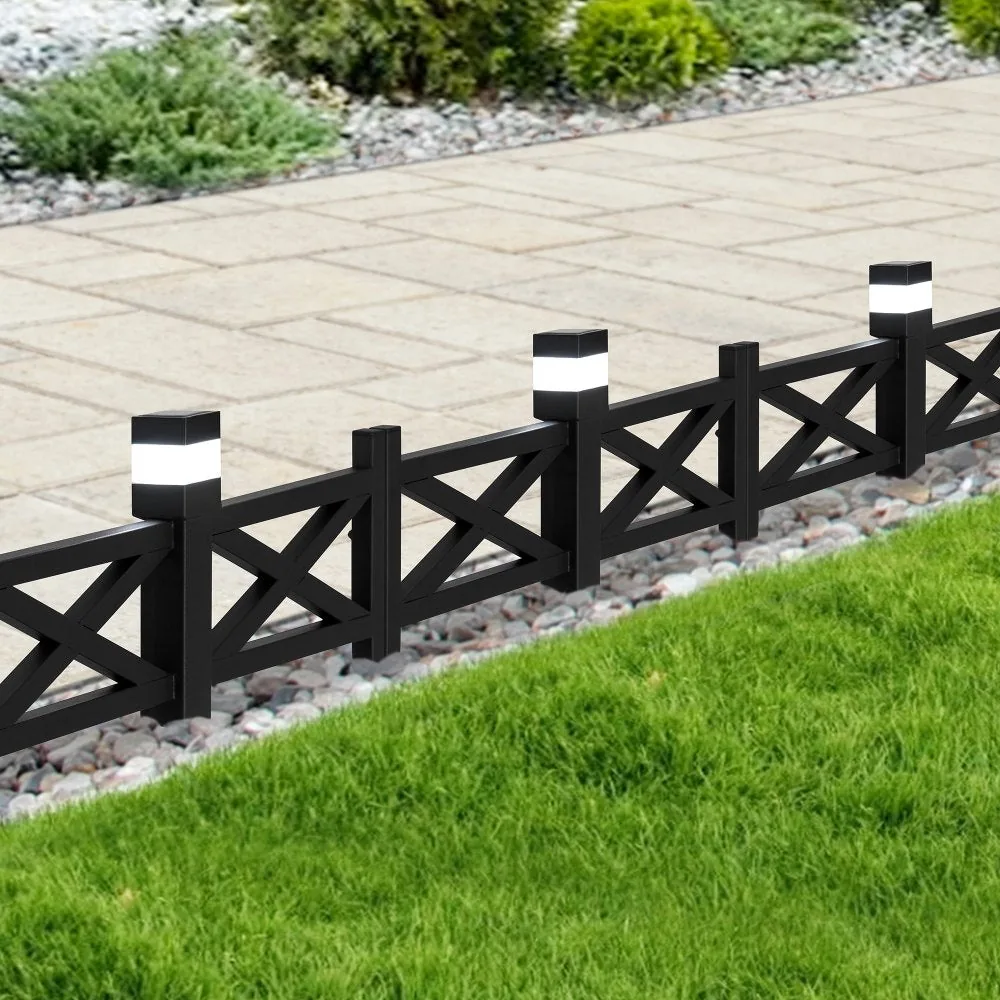
Transform Your Garden with Elegant Solar-Lit Metal Fence Panels - Create Your Dream Outdoor Space
Sunjoy · Featured in this article
This hierarchy prevents the flat, over-lit feeling that makes outdoor spaces feel more like parking lots than sanctuaries. Solar technology has advanced enough that you can find fixtures with adjustable brightness settings or even remote controls, giving you flexibility to adjust as activities and seasons change. The wicker chandeliers with remote control functionality are particularly useful here—you can dial up the brightness for a dinner party and lower it for quiet evening drinks.
Use Lighting to Define Pathways Without Corridors
Path lighting in small yards requires a delicate touch. You need enough illumination for safety, but too many evenly-spaced path lights create a rigid corridor effect that makes your yard feel like a hallway. Instead, consider defining pathways with strategically placed pools of light rather than continuous illumination. Place lights at decision points—where the path curves, where it intersects with another zone, at the top and bottom of steps—and let the areas between fall into softer shadow.
Another approach is to light adjacent features rather than the path itself. A low wall running parallel to your pathway, illuminated from above or within, casts enough ambient light for safe navigation without the regimented feel of traditional path lighting. The Transform Your Garden with Elegant Solar-Lit Metal Fence Panels takes this concept further by turning the boundary itself into a light source, creating a warm glow that defines space without consuming valuable square footage with individual fixtures.
Layer Your Lighting Like You'd Layer Textures
Interior designers talk about layering textures to create depth and interest—the same principle applies to outdoor lighting in small spaces. You want ambient light (the overall wash that makes the space usable), task light (focused illumination for specific activities), and accent light (dramatic highlights that draw the eye to specific features). In a compact backyard, you might achieve all three with just four or five well-chosen solar fixtures rather than a dozen generic ones.
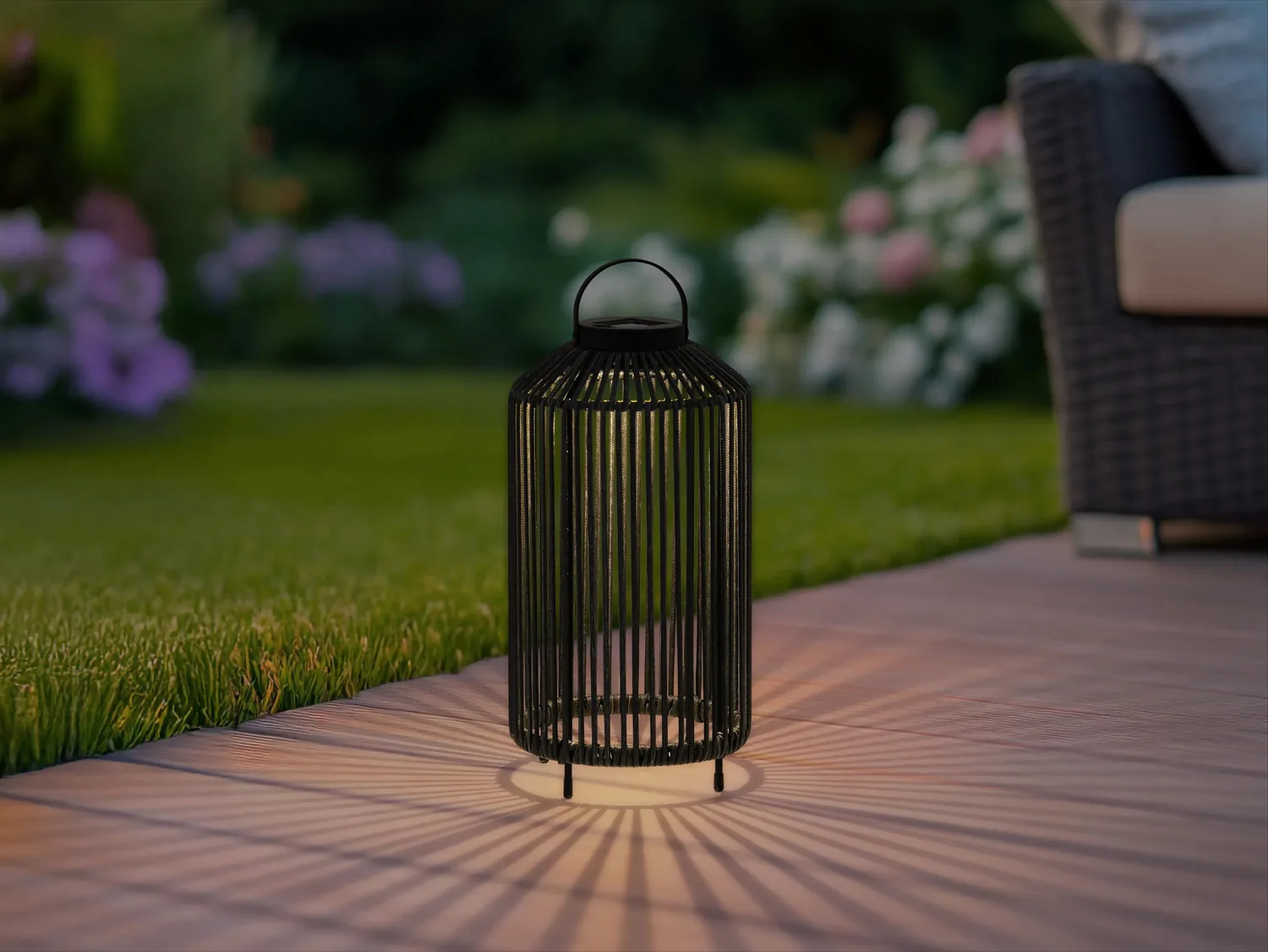
Transform Your Evenings: 25-in Black Solar Lantern - Elegant Outdoor Ambiance
Sunjoy · Featured in this article
Start with your ambient layer—perhaps a hanging lantern or chandelier-style fixture that provides general illumination to a seating area. Add task lighting where you need it most—over the table, near the outdoor kitchen, along the path to your back door. Finally, place accent lights to highlight your garden's best features—that Japanese maple, the textured wall, the container garden you worked so hard on. This layered approach creates sophistication and prevents the single-note feeling of lighting that's all one type or intensity.
Consider the View from Inside
Here's something often overlooked: during evening hours, especially in cooler months, you might spend more time looking at your backyard from inside than actually being in it. Your solar lighting scheme should create a view worth looking at through the window—a composition that draws you outside even when you're in. This means thinking about sightlines from your main indoor living spaces and arranging lighting to create depth and focal points visible from those vantage points.
Avoid placing bright fixtures in direct line of sight from windows where they'll create glare. Instead, position them to illuminate objects or areas slightly to the side, creating a scene with dimension. A well-lit tree or fence section creates a beautiful backdrop, while lower pathway lighting adds foreground interest. The goal is to extend your living space visually, making the backyard feel like another room rather than a dark void beyond the glass.
Embrace Seasonal Flexibility
One advantage of solar lighting over hardwired systems is the ability to rearrange as your needs and garden evolve. In a small backyard, this flexibility is particularly valuable. Your summer setup might emphasize lighting near seating and dining areas where you entertain. Fall might shift focus to pathway lighting as evenings grow darker earlier. Winter could highlight evergreen structure or architectural elements that become more prominent when perennials die back.
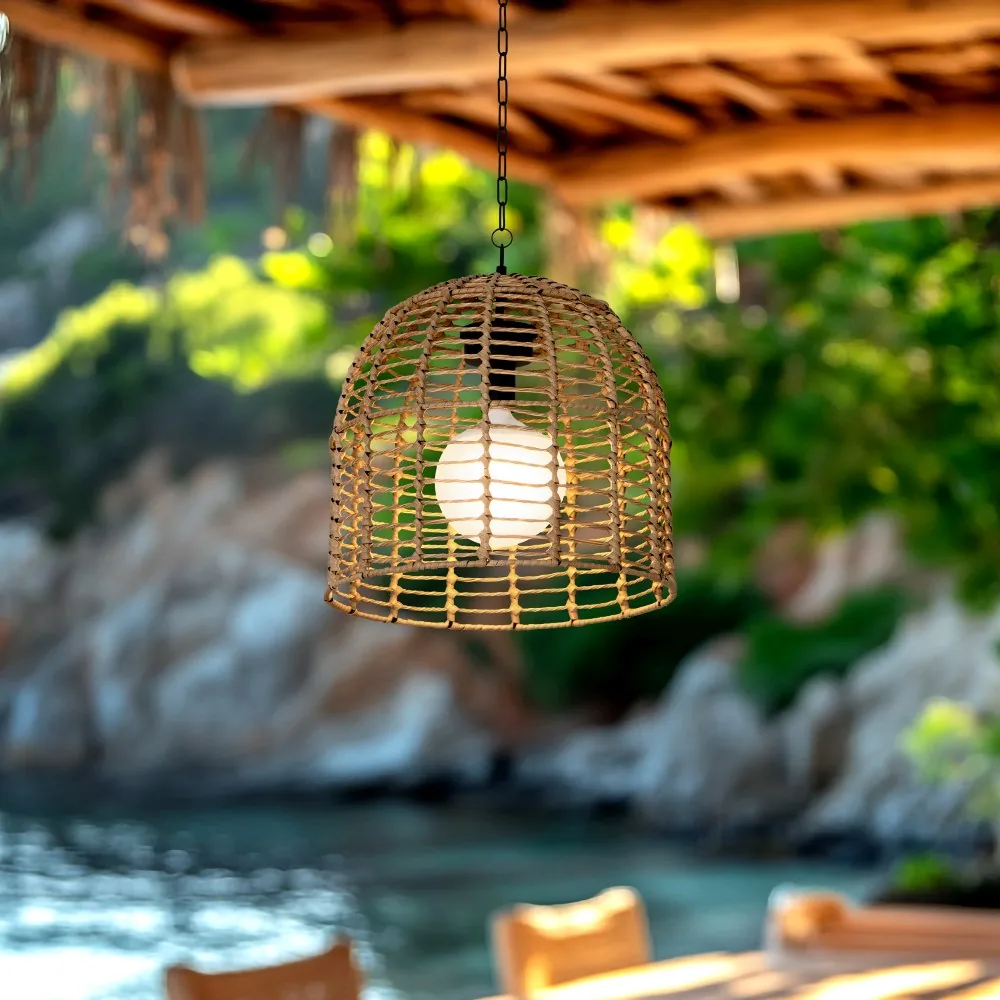
Elegant Wicker Outdoor Chandelier with Remote - Transform Your Patio into Paradise
Sunjoy · Featured in this article
Don't be afraid to move fixtures seasonally or even weekly as you discover what works. Solar installations are forgiving experiments—if something doesn't feel right, you can adjust it tomorrow night. This iterative approach helps you develop an increasingly refined lighting scheme that truly serves how you use your space rather than following some prescribed formula that may or may not fit your lifestyle.
Edit Ruthlessly
The final principle for making solar lighting look intentional in a small backyard is perhaps the most important: less is almost always more. It's tempting to fill every shadow and illuminate every corner, but restraint creates sophistication. Choose fewer, better-quality fixtures over many mediocre ones. Let some areas remain dark. Create contrast. Remember that you're designing a nighttime landscape, not providing security lighting for a commercial property.
Walk through your space at different times of evening and observe how the light changes. Pay attention to where your eye naturally goes and where it should go. Remove fixtures that aren't serving the overall composition, even if they seemed like a good idea initially. The most intentional-looking outdoor lighting schemes are usually those where every fixture has a clear purpose and contributes to a cohesive atmosphere. In small spaces, this editing process is what separates "decorated" from "designed."
The following section answers frequently asked questions about making solar lighting look intentional in small backyards, covering common concerns about placement, power, and design challenges.
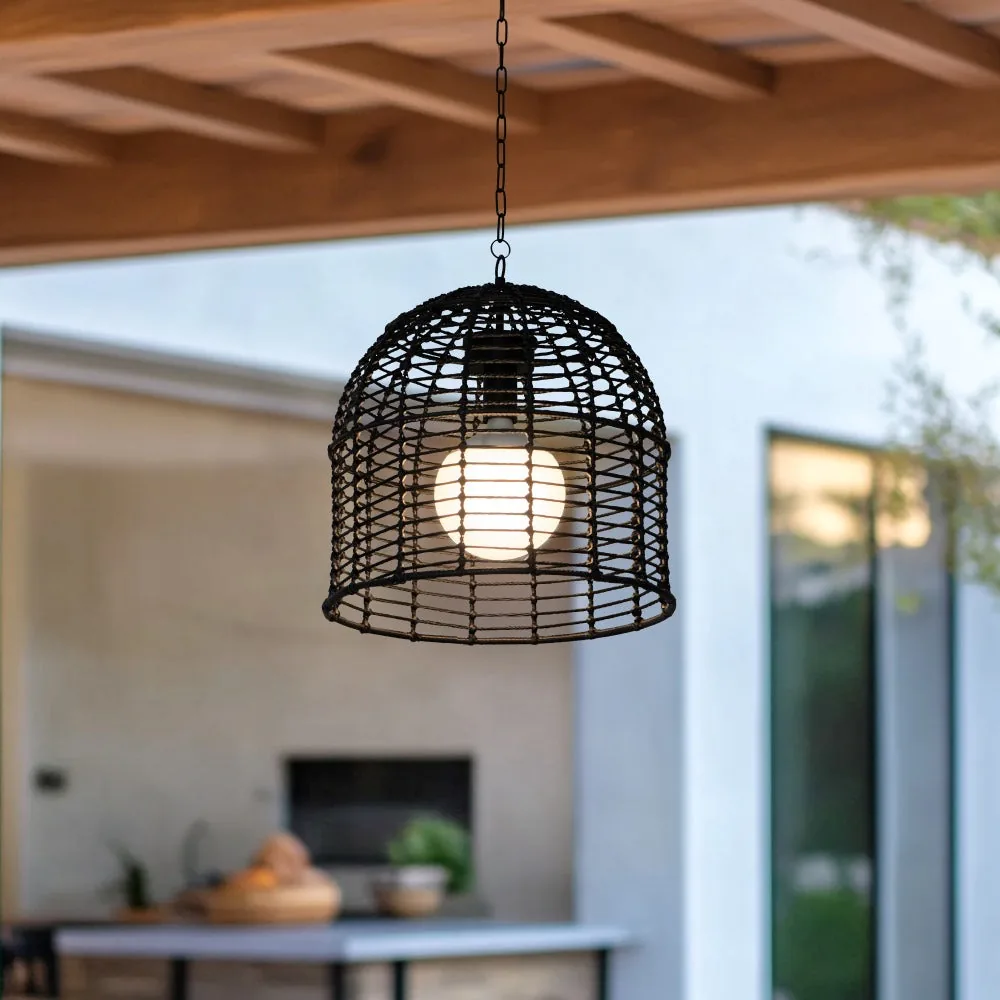
Black Wicker Outdoor Chandelier with Remote - Transform Your Patio into a Luxury Retreat
Sunjoy · Featured in this article