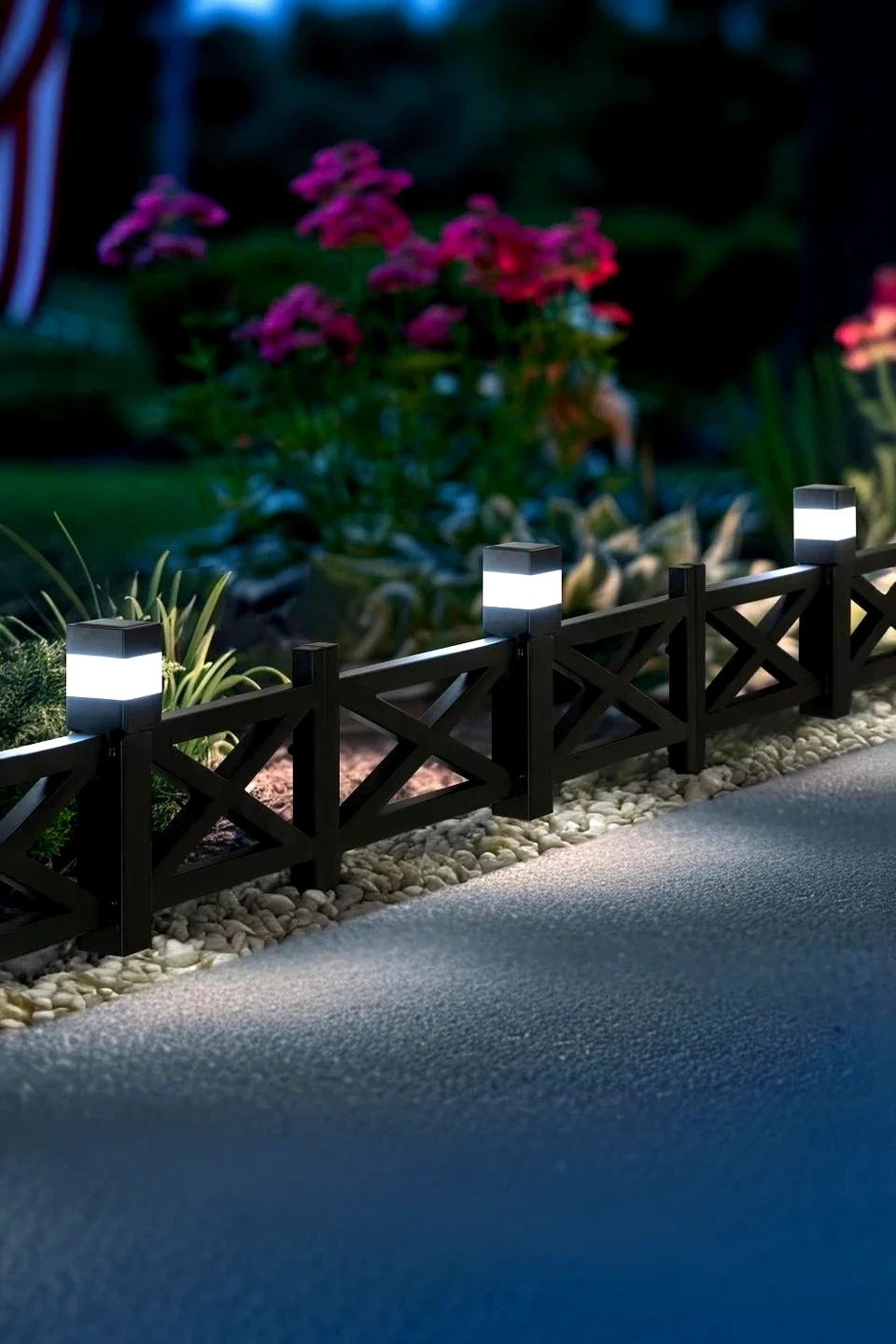
Garden path lighting is where solar fixtures earn their reputation—for better or worse. Done well, solar path lights guide guests through your landscape with a gentle glow that feels intentional and inviting. Done poorly, they look like a clearance-aisle impulse buy scattered randomly across the lawn. The difference isn't about price point or brand loyalty—it's about understanding scale, rhythm, and the fundamental truth that good lighting design serves the architecture of your garden, not the other way around.
The promise of solar path lighting is seductive: no electrician, no trenching, no wiring. Just stake and forget. But that ease of installation is exactly what leads most homeowners astray. Without the commitment of hardwiring, it's tempting to treat path lights like temporary décor, moving them around until "it looks right." The problem is that intuitive placement rarely translates to good lighting. Your garden path deserves the same deliberate planning you'd give to indoor lighting, even if the installation takes minutes instead of days.
Understanding Your Path's Actual Needs
Before buying a single fixture, walk your path at dusk. Not during the day when you're imagining how things might look—actually walk it as darkness falls. Notice where you instinctively slow down. Where do tree roots create trip hazards? Where does the path curve or split? These are your lighting priorities, not the entire length of the walkway.
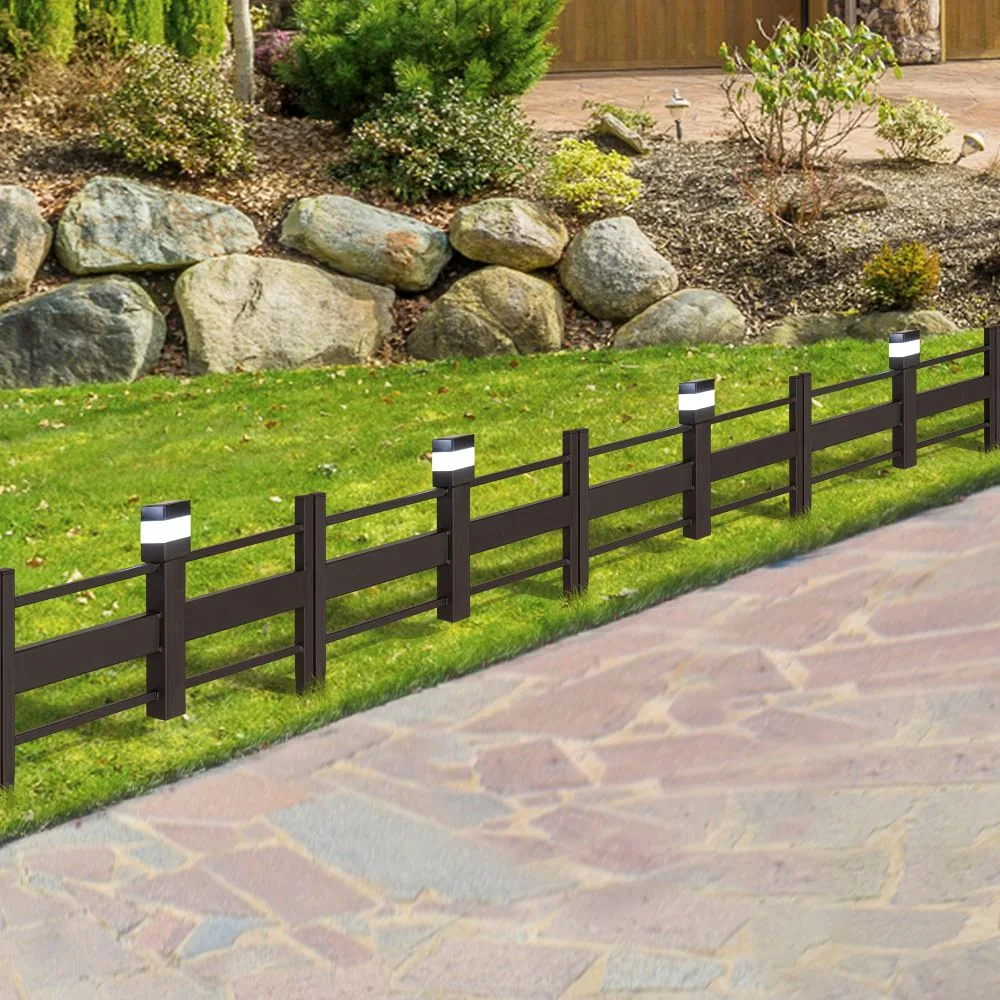
The biggest rookie mistake is overlighting. Residential path lighting isn't airport runway illumination. You need just enough light to distinguish the path edge from the surrounding landscape and identify obstacles. In most cases, that means fixtures every eight to twelve feet, not the every-four-feet spacing that happens when people eyeball it. Less is genuinely more here—a gentle rhythm of light creates sophistication, while a continuous bright line screams "solar aisle at the hardware store."
Consider your path's width and material too. A narrow gravel path through a cottage garden needs a different approach than a wide flagstone walkway leading to a front door. Gravel benefits from lower, more frequent fixtures that define edges, while flagstone can handle taller fixtures with wider spacing because the material itself provides visual continuity even in low light.
Choosing Fixtures That Complement Your Home's Architecture
Solar path lights come in an overwhelming array of styles, and most of them should be avoided. The key is matching your home's architectural vocabulary. A mid-century modern home looks absurd with ornate Victorian-style solar lanterns lining the walk, no matter how charming those lanterns might be in isolation.
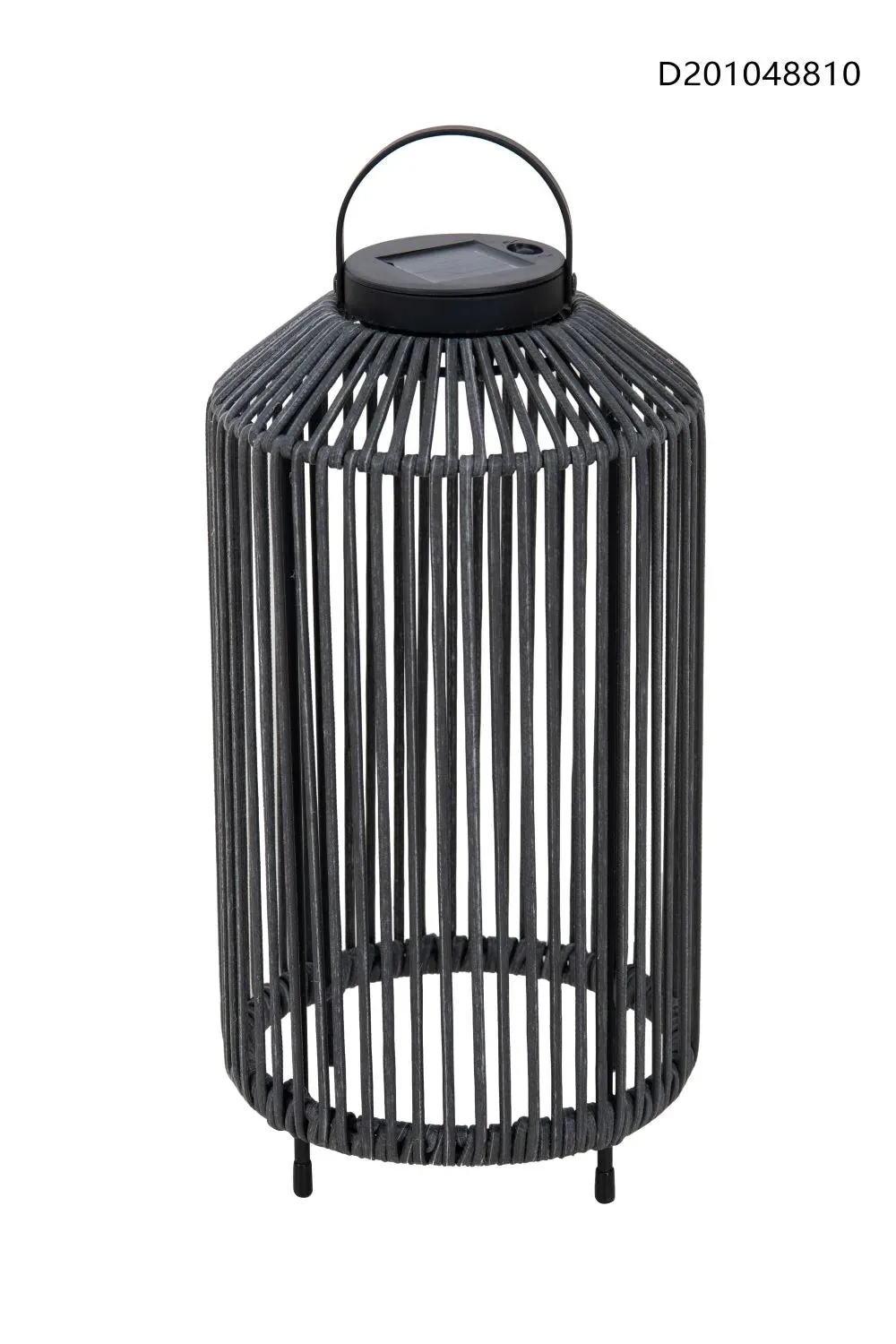
For contemporary homes, look for clean-lined fixtures in black metal or brushed nickel. The Transform Your Evenings: 25-in Black Solar Lantern brings a modern geometric sensibility that works beautifully along minimalist landscapes without reading as cold or industrial. Its height creates presence without bulk, and the black finish disappears during the day—a crucial consideration that's often overlooked.
Traditional homes can handle more ornamentation, but resist the urge toward fussy details. A simple coach-light silhouette works better than anything with too many curlicues or frosted glass panels trying to mimic gas lanterns. Colonial, Craftsman, and Tudor styles all benefit from straightforward fixtures that suggest historical precedent without costume-party literalness.
The finish matters enormously. Oil-rubbed bronze works across multiple architectural styles and weathers gracefully—it actually looks better with a bit of patina. Shiny brass or chrome, on the other hand, rarely ages well outdoors and draws too much daytime attention to the fixtures themselves. Matte black is having a moment and for good reason: it's the closest thing to an architectural neutral in outdoor lighting.
Creating Rhythm Without Regimentation
Once you've chosen fixtures, the temptation is to space them with mathematical precision. Resist. Gardens aren't geometry problems. The most successful path lighting follows the natural rhythm of your landscape, responding to what's already there rather than imposing a rigid pattern.
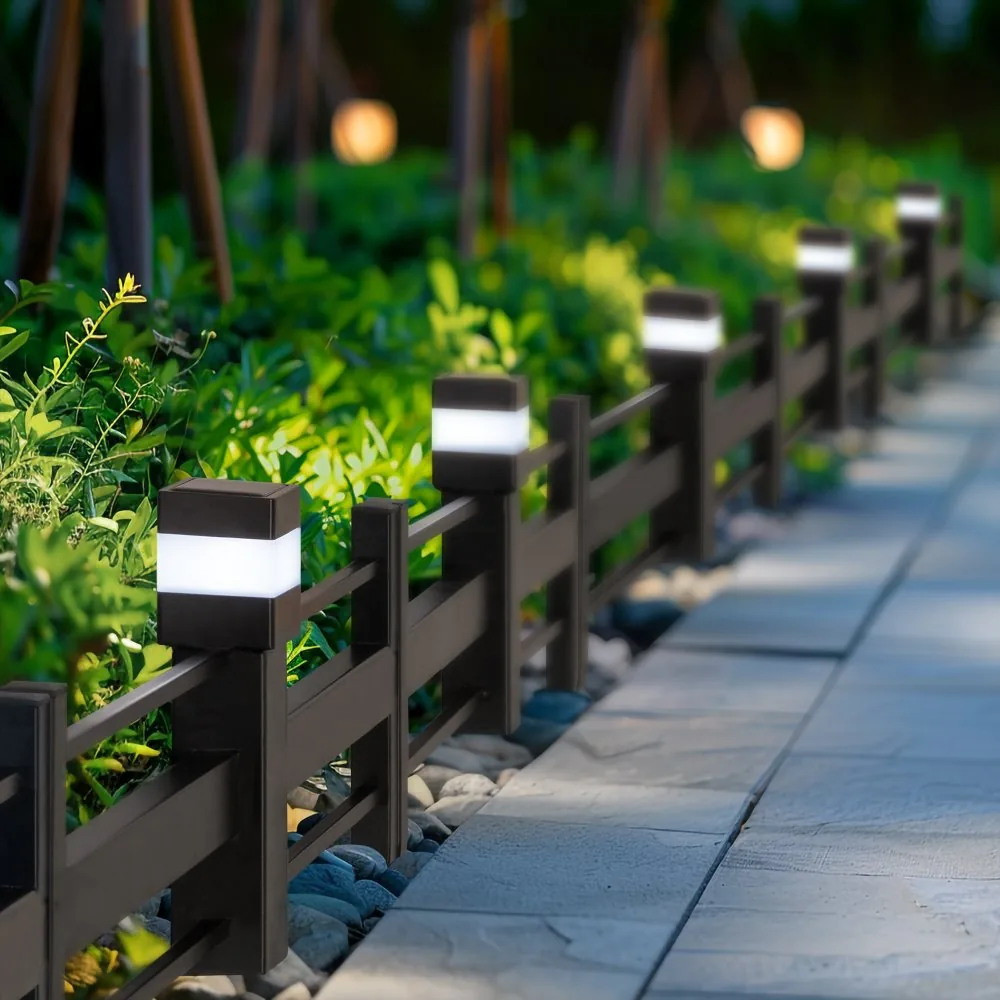
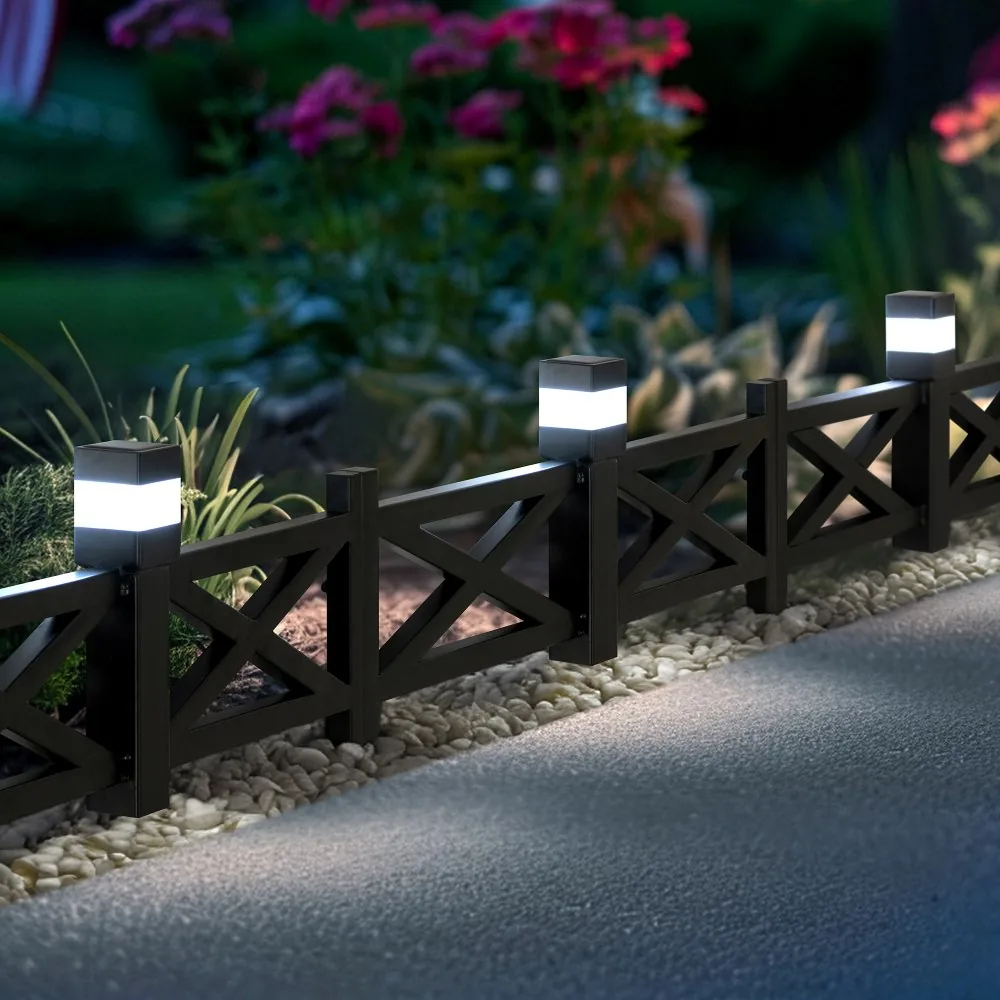
Solar-Lit Garden Border Fence - Transform Your Outdoor Space with Elegant Metal Edging
Sunjoy · Featured in this article
Let's say your path curves around a mature oak. Instead of maintaining fixed spacing, cluster two or three fixtures on the inside of that curve where shadows are deepest, then allow more space before the next fixture. This creates visual interest and serves the functional purpose of lighting where it's actually needed. The eye reads this as intentional composition rather than sloppy spacing.
Along straight sections, subtle variation prevents monotony. If your baseline spacing is ten feet, let some fixtures sit at nine feet and others at eleven. This tiny irregularity—barely noticeable consciously—creates a more organic feel that reads as natural rather than manufactured. Think of how tree trunks in a forest create rhythm without lining up like a planted orchard.
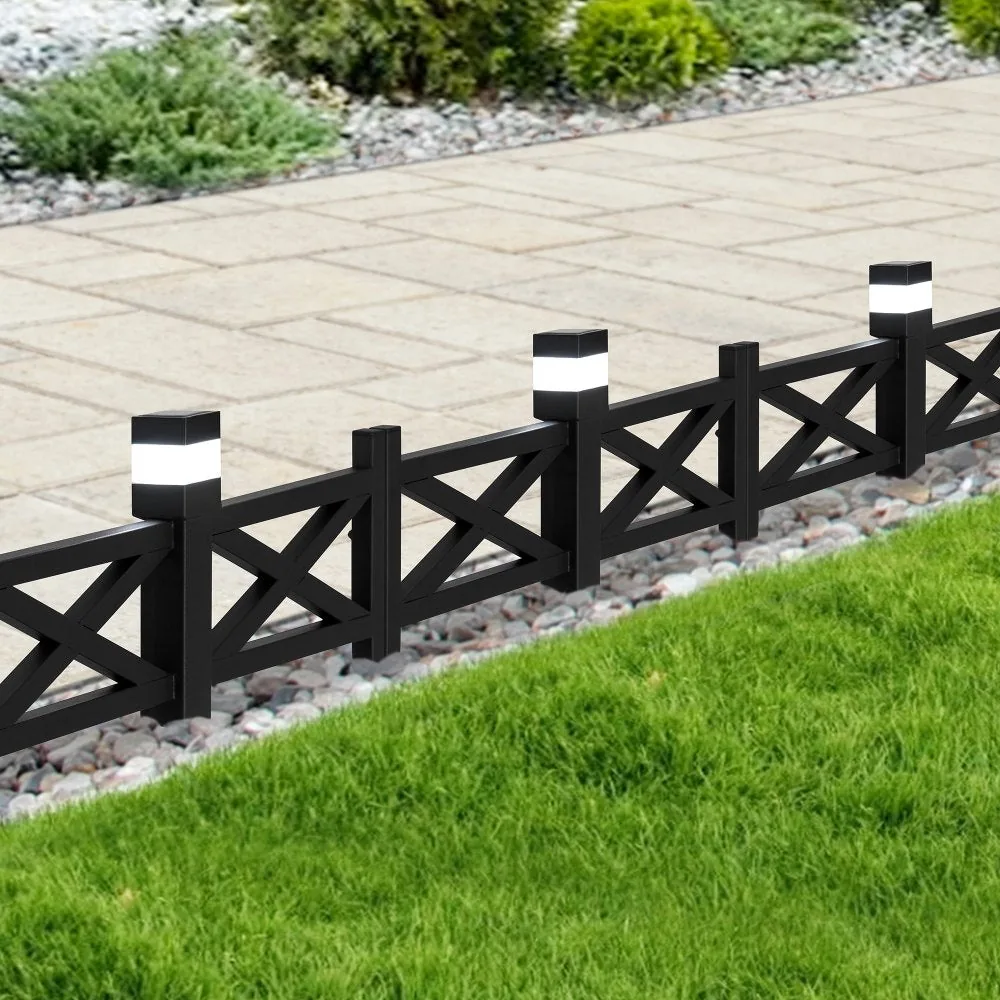
Border definition can enhance this rhythm if executed thoughtfully. The Solar-Lit Garden Border Fence offers a continuous low-level glow that establishes edges without individual fixtures, allowing your path lighting to focus on functional illumination while the border handles ambient definition. This layered approach prevents any single element from working too hard or becoming visually dominant.
Color Temperature and the Great Warm-White Debate
Here's where opinions diverge sharply: color temperature. The solar lighting market is flooded with fixtures claiming "warm white" that actually emit a harsh, bluish light closer to 5000K—fine for security lighting, terrible for ambiance. True warm white sits between 2700K and 3000K, mimicking incandescent bulbs and creating that inviting golden glow that makes evening gardens feel like outdoor rooms.
Check specifications carefully, and when possible, read reviews mentioning color temperature specifically. Generic descriptions like "soft white" or "natural light" are meaningless marketing terms. You want actual Kelvin numbers, and you want them low. Cool-toned path lighting makes gardens feel sterile and unwelcoming, like walking through a commercial parking lot.
That said, color consistency matters more than hitting a specific number. Path lighting with varying color temperatures—some fixtures warmer, others cooler—creates an unsettling, haphazard appearance no matter how carefully you've planned placement. If you're adding to existing solar fixtures, bring one home to test against your current setup before buying the full set. The difference between 2700K and 3000K is subtle; the difference between 2700K and 4000K is jarring.
Height, Scale, and the Sightline Problem
Most solar path lights are too short. Manufacturers design for easy installation and shipping costs, which means lots of twelve-inch fixtures that barely rise above typical groundcover. These work for perfectly manicured, flat lawns, but most real-world gardens have texture—taller perennials, ornamental grasses, seasonal growth that obscures those stubby fixtures by June.
Transform Your Garden with Elegant Solar-Lit Metal Fence Panels - Create Your Dream Outdoor Space
Sunjoy · Featured in this article
Taller fixtures (24 to 30 inches) provide better illumination angles and remain visible throughout the growing season. They also create more dramatic shadows and visual interest, especially when plants grow around their bases. The trade-off is that taller fixtures are more prominent during the day, which brings us back to finish selection—another reason matte black or dark bronze works better than statement finishes.
But don't confuse path lights with statement pieces. Reserve dramatic fixtures for destinations: the patio, the front door, a garden focal point. Solar lighting collections now include options for every layer of outdoor illumination, from subtle path markers to bold accent pieces. Your path lighting should guide the eye and the foot toward these destinations, not compete with them.
Integration With Existing Landscape Lighting
Solar path lights rarely work in isolation. Most gardens already have some combination of porch lights, landscape spotlights, or string lights creating ambient illumination. Your solar fixtures need to play well with these existing sources rather than fighting for attention.
Start by identifying your garden's existing light sources and their general color temperature. If your porch lights are warm incandescent bulbs, solar path lights with cool LED bulbs will create visual dissonance. Similarly, if you have uplighting on architectural features or specimen trees, your path lighting should support that hierarchy, not introduce competing focal points.
Layering different types of solar fixtures can create sophisticated lighting schemes without electrical work. Low path markers handle functional wayfinding, while solar lanterns or pendant-style fixtures provide ambient pools of light at key locations. This approach mirrors professional landscape lighting design—low, medium, and high layers creating depth and dimension.
Maintenance Reality and Long-Term Aesthetics
The dirty secret of solar path lighting is that it requires regular maintenance to remain effective and attractive. Solar panels collect dust, pollen, and grime that reduces charging efficiency. Batteries degrade over time, typically needing replacement every two to three years. Fixtures tilt, sink into soil, or get overtaken by spreading groundcovers.
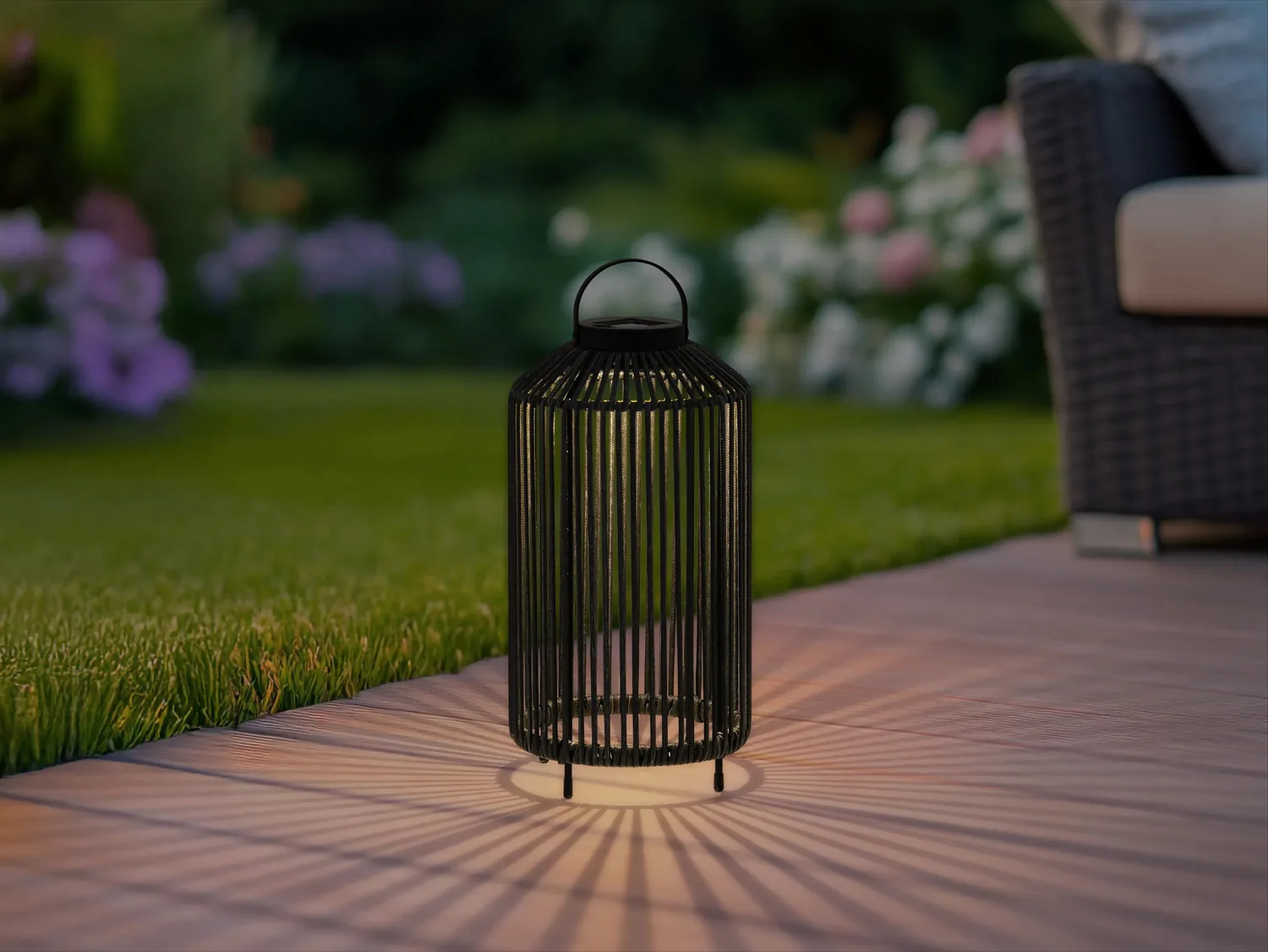
Transform Your Evenings: 25-in Black Solar Lantern - Elegant Outdoor Ambiance
Sunjoy · Featured in this article
Plan for quarterly cleaning and annual comprehensive maintenance. Wipe solar panels with a damp cloth, check for water intrusion in sealed fixtures, and adjust placement as your garden evolves. This isn't a failure of solar technology—it's the reality of any outdoor installation. The difference is that maintaining solar fixtures takes minutes, while hardwired systems require professional service calls.
Quality construction matters more over time than initial performance. Look for fixtures with sturdy stakes, weather-sealed battery compartments, and replaceable components rather than sealed units that become landfill waste when batteries fail. The most sustainable lighting isn't the most efficient panel—it's the fixture you can keep using for a decade instead of replacing annually.
When Solar Isn't the Answer
Sometimes the honest answer is that solar path lighting won't work for your situation. Dense tree canopy that prevents adequate solar charging. A north-facing path that never sees direct sun. Regions with extended cloudy seasons where solar performance becomes unreliable. In these cases, pushing forward with solar fixtures leads to disappointment and that tacky, dim, unreliable lighting we're trying to avoid.
Low-voltage wired systems aren't dramatically more complex to install than high-quality solar setups, especially for front walkways near existing outdoor outlets. If your path lighting is mission-critical—the only route to your front door, the path to an outdoor entrance used nightly—prioritize reliability over convenience. Solar works beautifully for secondary paths, garden strolls, and ambiance lighting where occasional dimness isn't a safety concern.
Understanding solar lighting's genuine capabilities and limitations allows you to use it where it excels while finding alternatives for situations where it struggles. This honest assessment is what separates thoughtful design from wishful thinking.
---
The following section addresses frequently asked questions about solar garden path lighting, covering common concerns about installation, performance, and troubleshooting.
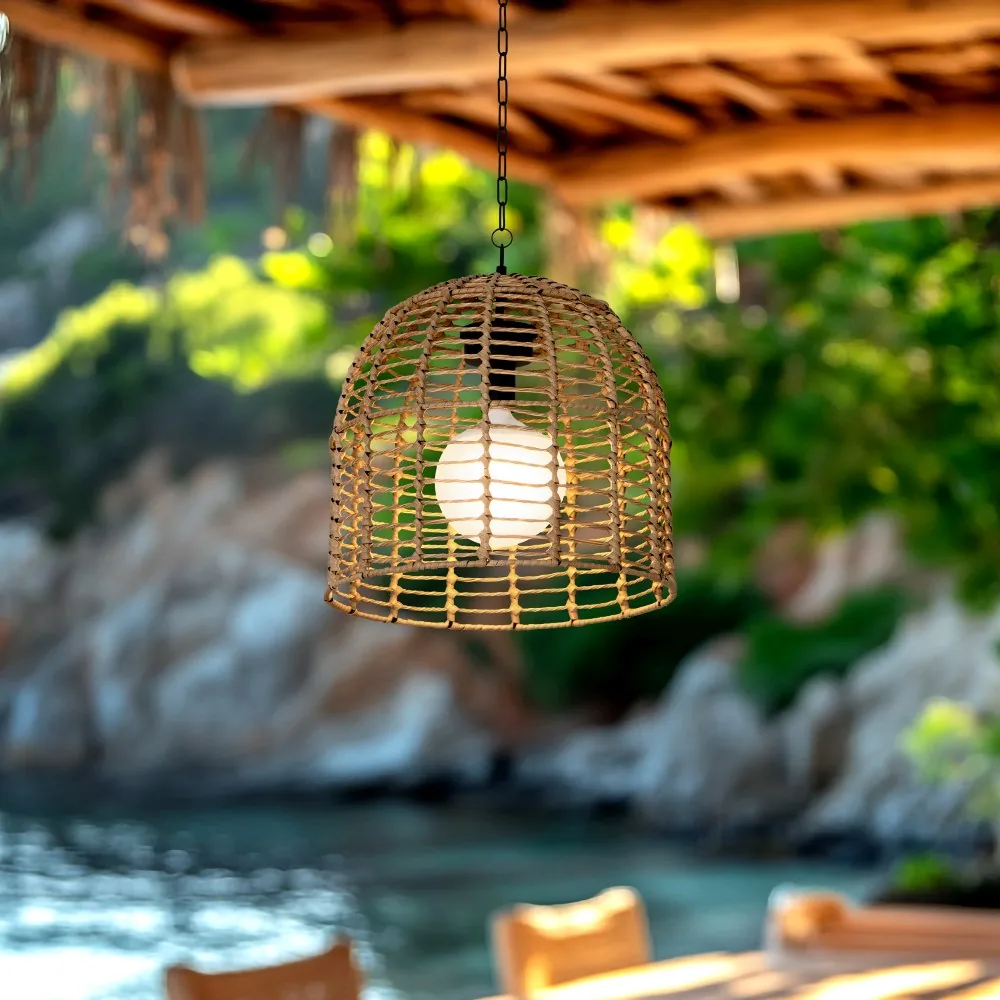
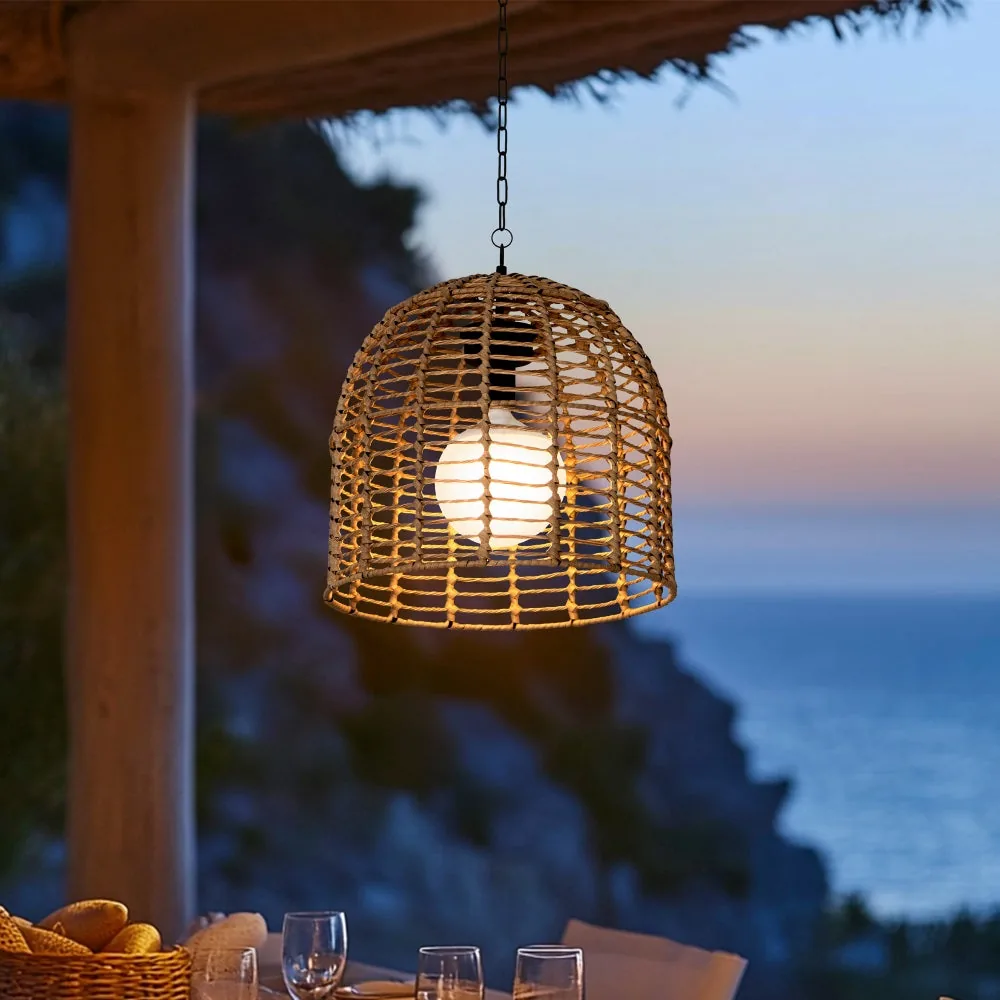
Elegant Wicker Outdoor Chandelier with Remote - Transform Your Patio into Paradise
Sunjoy · Featured in this article
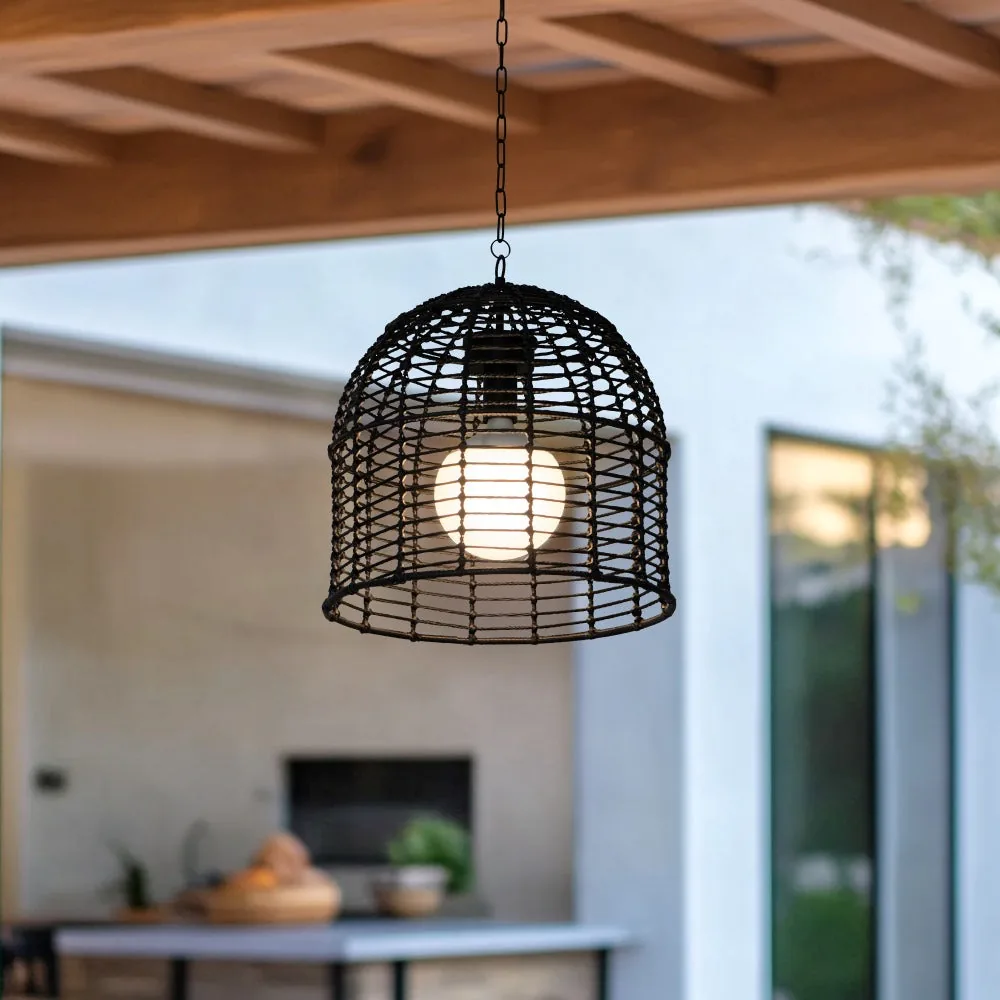
Black Wicker Outdoor Chandelier with Remote - Transform Your Patio into a Luxury Retreat
Sunjoy · Featured in this article