Renting doesn't mean resigning yourself to that builder-grade beige backsplash or those scuffed subway tiles that have seen better decades. The revolution in peel and stick technology has fundamentally changed what's possible in rental kitchens, offering genuine design impact without the deposit-draining commitment of permanent tile. But here's the thing: not all peel and stick options are created equal when you're working within the constraints of a lease. The right choice depends on understanding your wall surface, your aesthetic goals, and—crucially—how cleanly you'll need to remove everything when it's time to move on.
Understanding Your Wall Surface Situation
Before you fall in love with any particular pattern or texture, you need an honest assessment of what you're working with. Most rental kitchens present one of three scenarios: relatively smooth drywall or painted surfaces, textured walls with that dreaded orange-peel finish, or existing tile that you're desperate to cover. Each demands a different approach.
Smooth painted walls are your best-case scenario. They provide the ideal surface for adhesion while remaining forgiving during removal—assuming the paint job is reasonably recent and well-executed. Test a small corner with painter's tape first. If the tape pulls up paint, you've got a problem that peel and stick won't solve (and that your landlord should probably address). For smooth surfaces, you have the full range of options available, from sleek subway-style designs to more textured three-dimensional options.
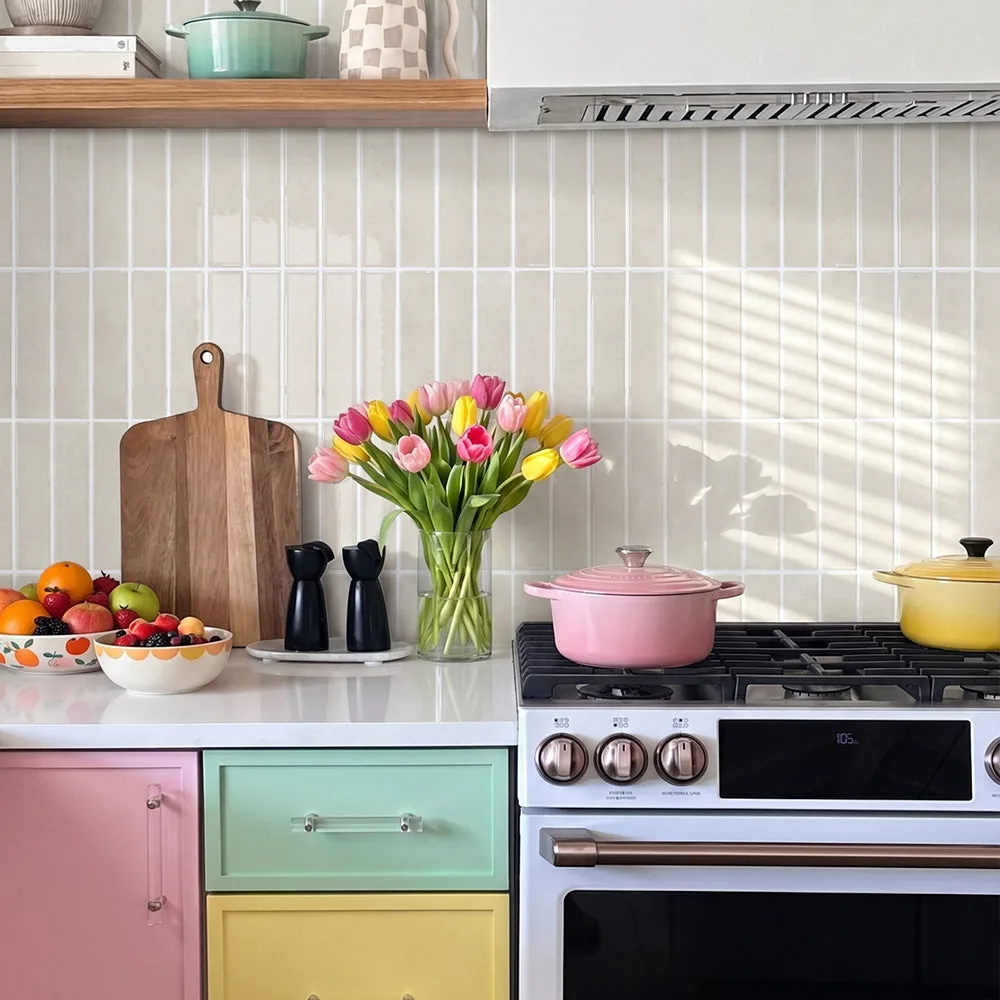
Textured walls present a bigger challenge. That bumpy surface reduces the contact area for adhesive, which means lighter-weight options will perform better. Look for thinner, more flexible materials that can conform to irregularities. The Beige Cream Color Linear Peel and Stick Backsplash Tile works particularly well here—the linear pattern is forgiving of slight imperfections, and the material flexibility helps it grip despite texture. Heavy, rigid options simply won't bond properly, and you'll end up with corners lifting within weeks.
If you're covering existing tile, you're essentially creating a new smooth surface, which sounds ideal but comes with its own considerations. Grout lines create valleys that can telegraph through thinner peel and stick materials, creating an uneven finished look. You want something with enough body to bridge those gaps—three-dimensional or textured options actually work to your advantage here, disguising the underlying grid rather than highlighting it.
Considering the Removal Factor First
This might seem backwards, but the most important question isn't how a peel and stick backsplash looks going up—it's how it comes down. Your security deposit depends on this calculation, so it deserves primacy in your decision-making process.
Quality peel and stick products use adhesives specifically formulated for removability, but "removable" exists on a spectrum. Some products leave absolutely no residue on properly prepared surfaces, peeling away in satisfying strips. Others require patient heating with a hairdryer and careful scraping, maybe leaving some sticky residue that dissolves with adhesive remover. The worst-case scenarios involve paint damage or adhesive that's essentially become permanent.
Check the manufacturer's specifications carefully—phrases like "damage-free removal" and "leaves no residue" are what you're after. But take them as aspirational rather than guaranteed. Real-world performance depends heavily on your specific wall paint, how long the backsplash has been installed, and environmental factors like heat and humidity exposure. That spot directly behind your stove will always be more challenging to remove than the section by the fridge.
Here's a practical approach: buy one extra sheet or a small sample beyond what you need for the project. Install it somewhere inconspicuous—inside a cabinet or on a less-visible section of wall—and remove it after a month. You'll get real data about how this specific product behaves with your specific walls, giving you confidence (or fair warning) about what you're committing to.
Weighing Aesthetic Durability vs. Trendy Appeal
The rental kitchen paradox: you want something you'll love looking at every day, but you probably won't be here in five years. This temporal reality should influence your design choices in interesting ways.
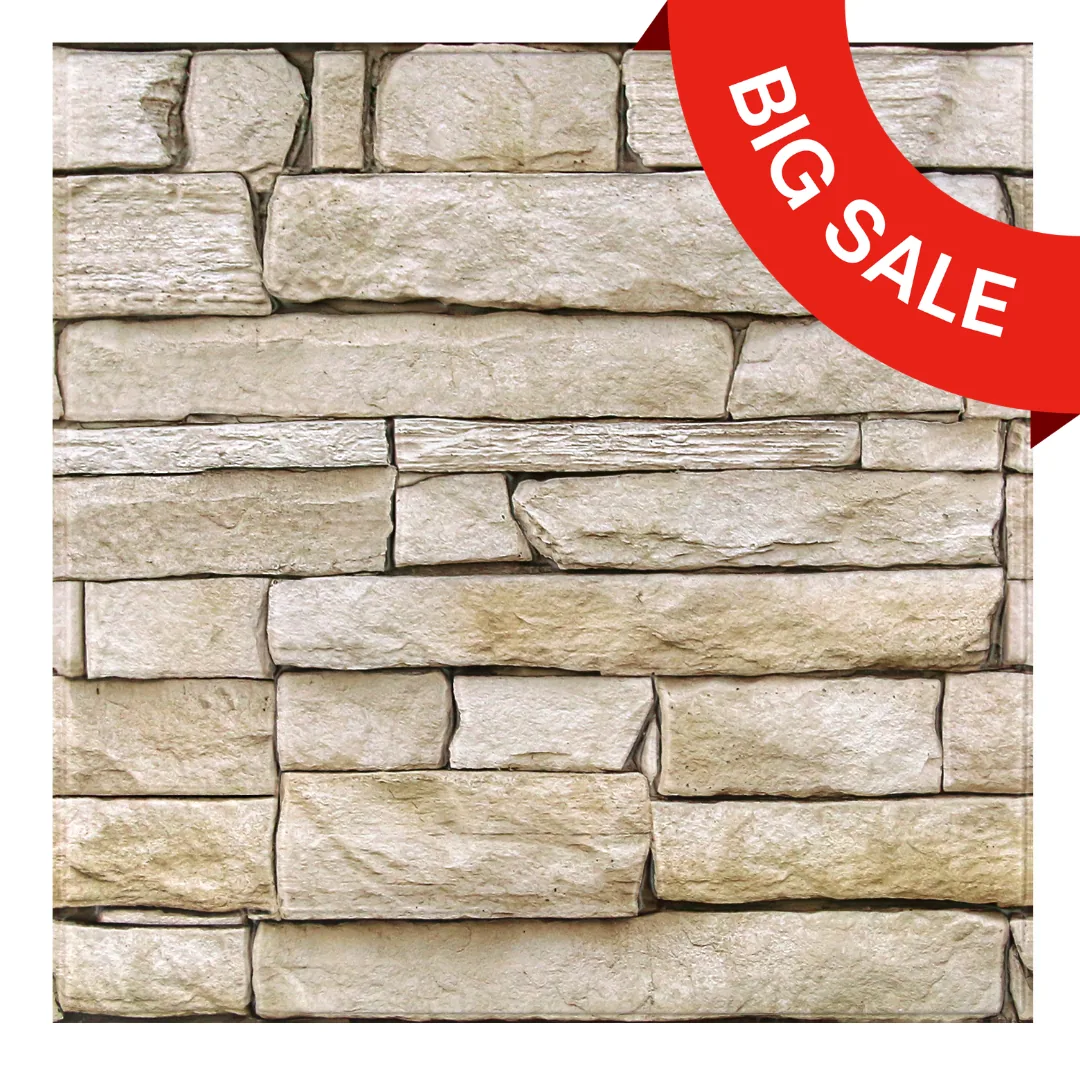
3D Stacked Stone Peel and Stick Wall Tile
PARTB Curated · Featured in this article
Aggressively trendy patterns—think geometric designs in very-of-the-moment color palettes—might be incredibly satisfying for six months, then start grating as the trend cycle moves on. You're not making a fifteen-year investment, but you're also probably not planning to redo this annually. The sweet spot for most renters is elevated neutrals: designs with enough visual interest to feel like a genuine upgrade, but with classic enough bones that they won't feel dated.
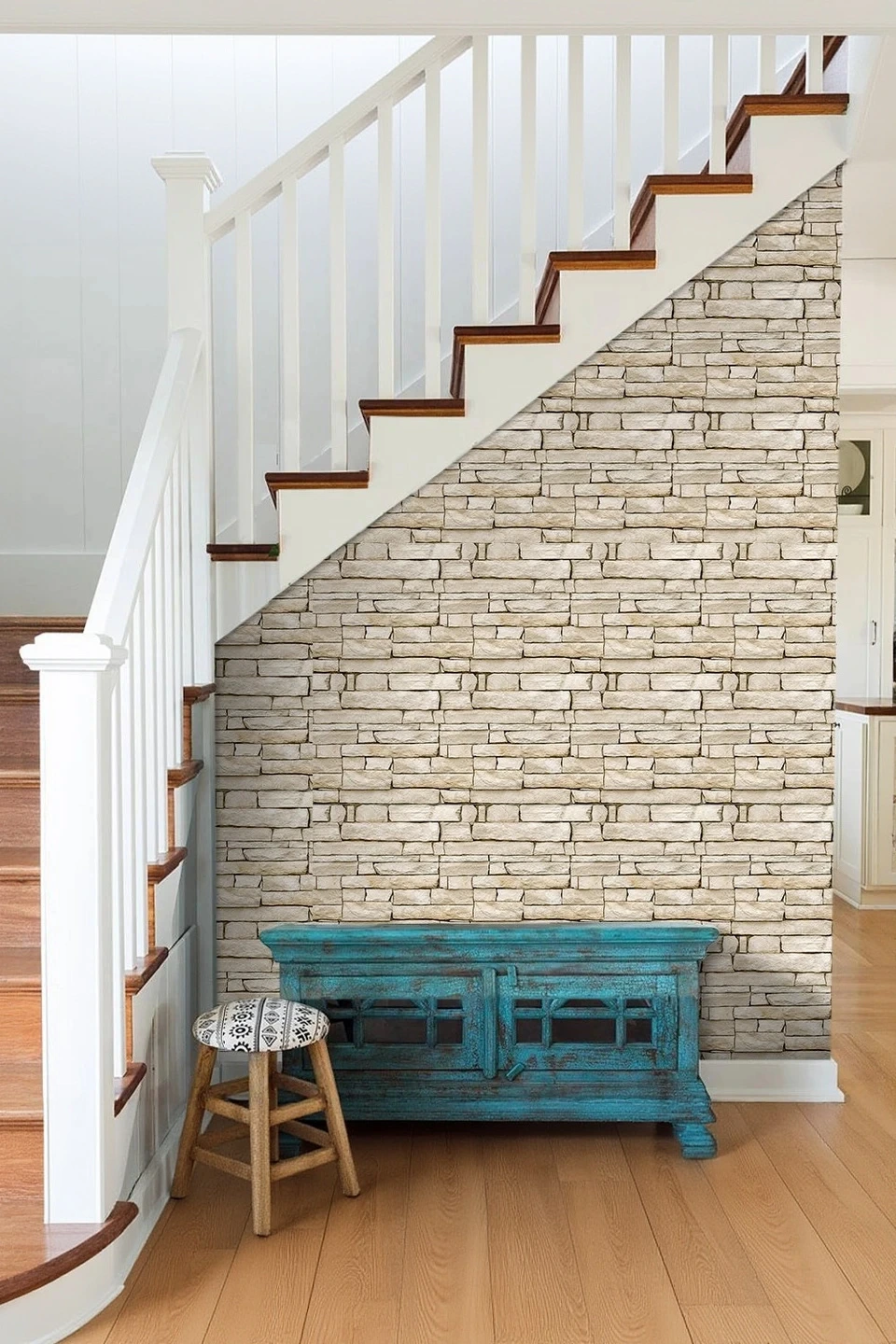
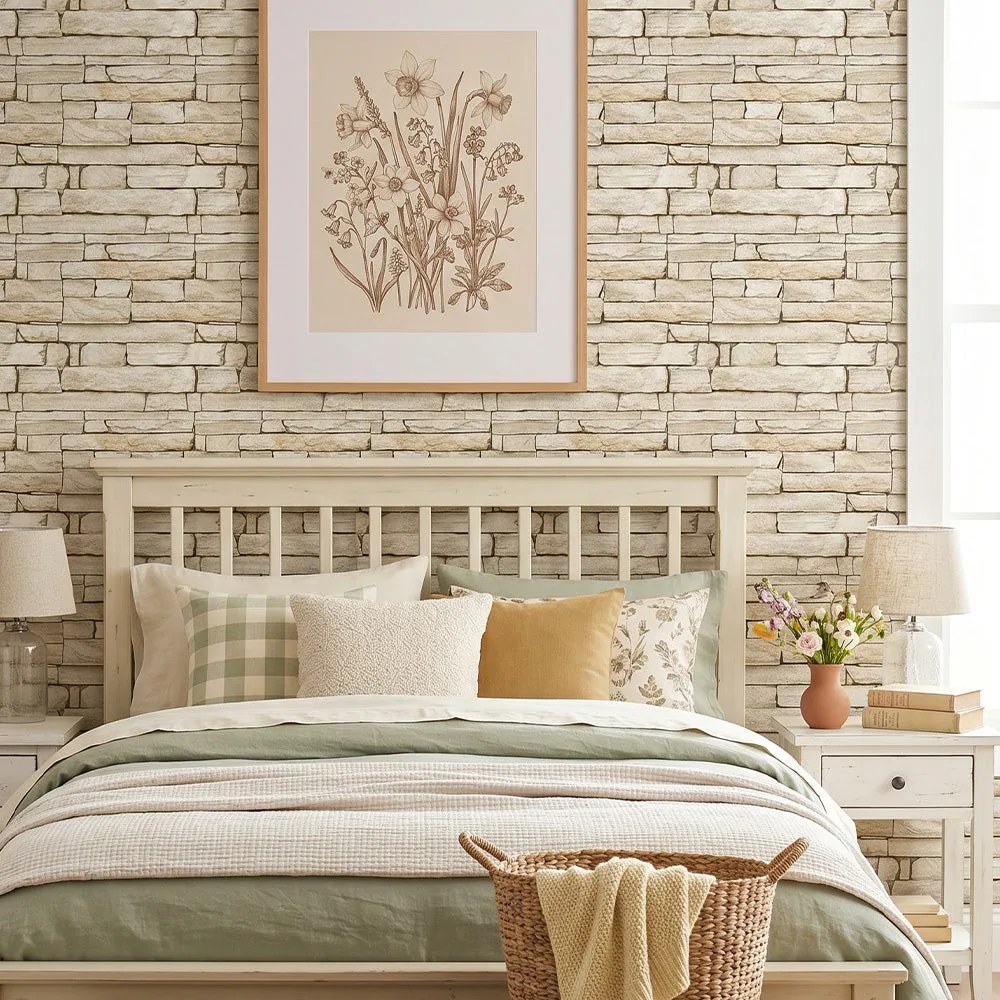
The 3D Stacked Stone Peel and Stick Wall Tile exemplifies this balanced approach. Stone texture has been kitchen-appropriate for decades and will continue to be—it's not about to look silly the way an aggressive pattern might. The three-dimensional element provides genuine visual impact and sophistication without screaming any particular design era. It reads as a quality material choice rather than a decorative statement, which has remarkable longevity.
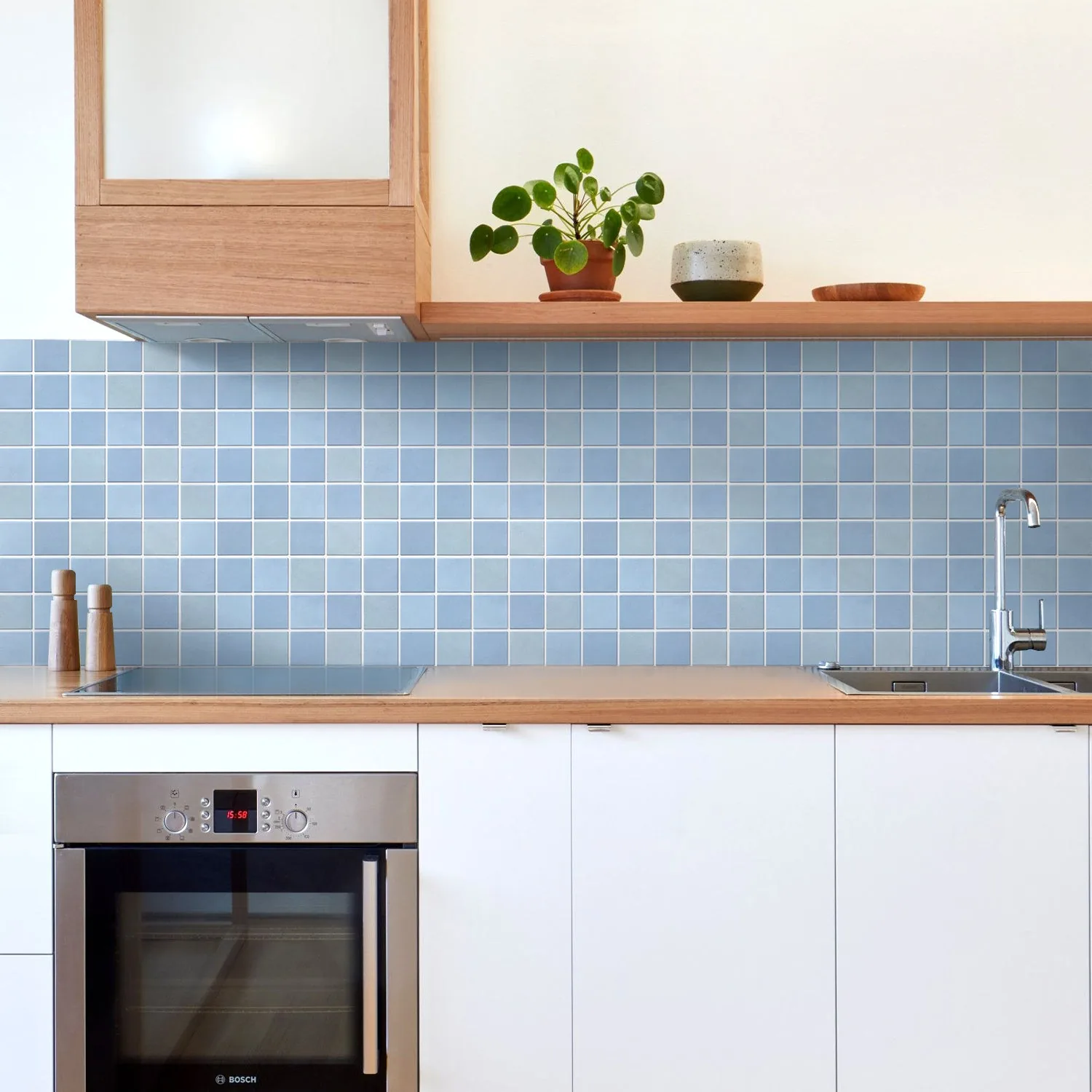
That said, if you're the kind of person who genuinely enjoys redecorating and your lease situation is month-to-month or you're planning to stay just a year, embrace the freedom. The whole point of peel and stick technology is its impermanence. A bold choice like the 3D Sky Blue Mosaic Peel and Stick Wall Tile can completely transform a rental kitchen's personality. The saturated color brings serious energy, and if you tire of it, you can commit to a removal-and-replace weekend. The financial and time investment is modest enough to support experimentation in a way that permanent tile never could.
Evaluating Practical Performance Factors
Beauty matters, but rental kitchens are working spaces that need to handle splatter, steam, and the occasional disaster. Your peel and stick backsplash needs to perform under real-world conditions, which means thinking through maintenance and durability.
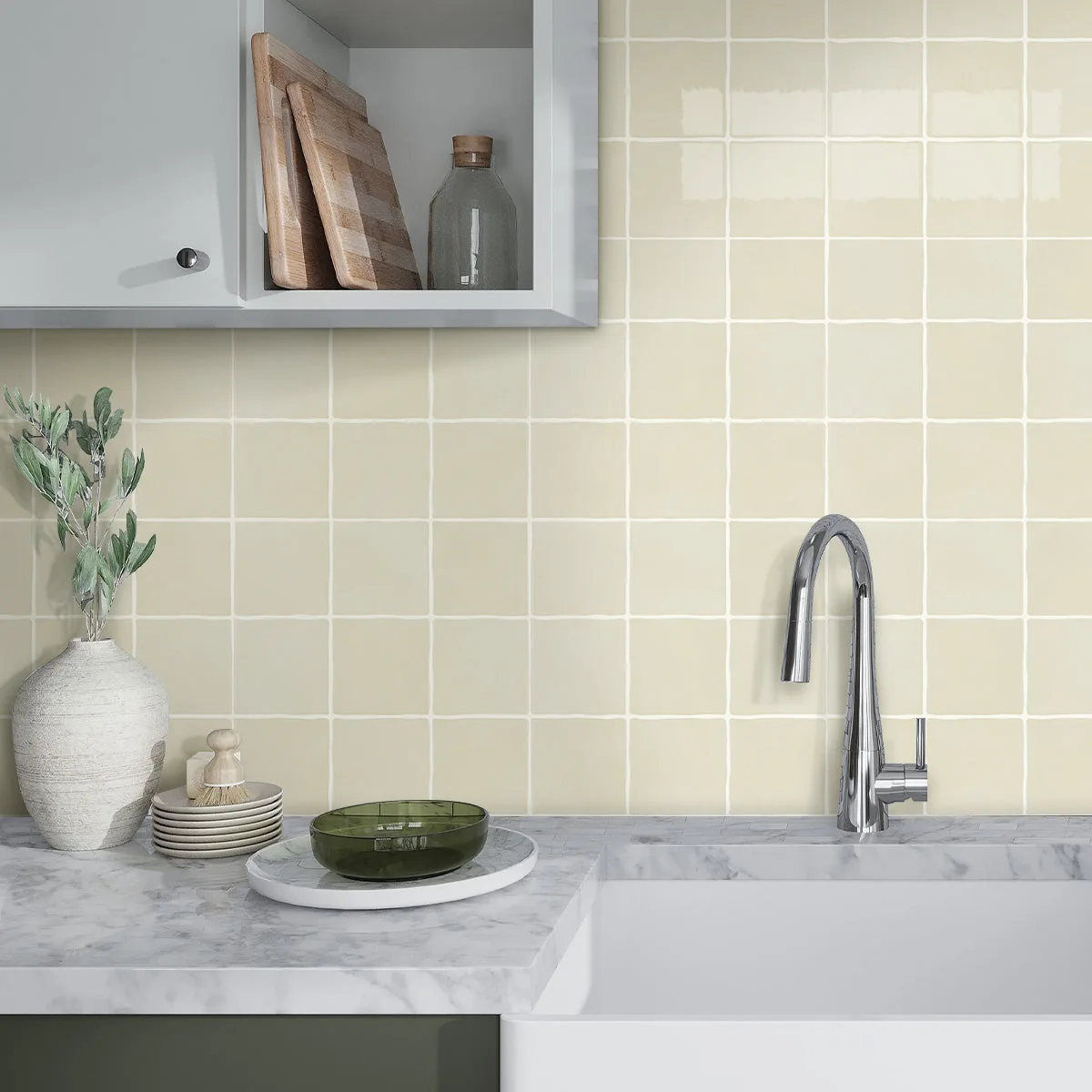
Heat resistance is non-negotiable for the area directly behind your cooktop. Most quality peel and stick products can handle normal cooking temperatures, but you need several inches of clearance from open flames—check your local code, which typically requires at least six inches. If your rental has a gas range and you're planning to install peel and stick right behind it, you're creating a safety issue. In that specific zone, you might need to accept the existing backsplash or consider a small section of actual tile with professional installation (and landlord approval).
Water resistance varies considerably across products. Behind the sink, you want something that won't deteriorate when repeatedly splashed. Look for materials described as moisture-resistant or suitable for bathroom use—if it can handle a shower environment, it can certainly handle sink splash. The Beige Ceramic Square Peel and Stick Backsplash Tile - Thicker Design offers particularly good performance here, with a surface that wipes clean easily and won't warp or peel when wet.
Cleaning requirements deserve consideration too. Textured surfaces and deep grout lines (even faux ones) collect grease and grime more readily than smooth tiles. If you're a frequent cook who generates serious splatter, a smooth subway-style pattern will be easier to maintain than elaborate three-dimensional textures. Conversely, if you barely cook and mostly use the backsplash area to heat water for tea, texture won't accumulate much grime and offers more visual reward for minimal practical downside.
Getting the Installation Details Right
Even the best peel and stick backsplash will fail if you don't prepare and install it properly. Rental walls often haven't been cleaned thoroughly in years—that accumulated kitchen grease and grime creates a barrier between the adhesive and the wall, guaranteeing eventual failure.
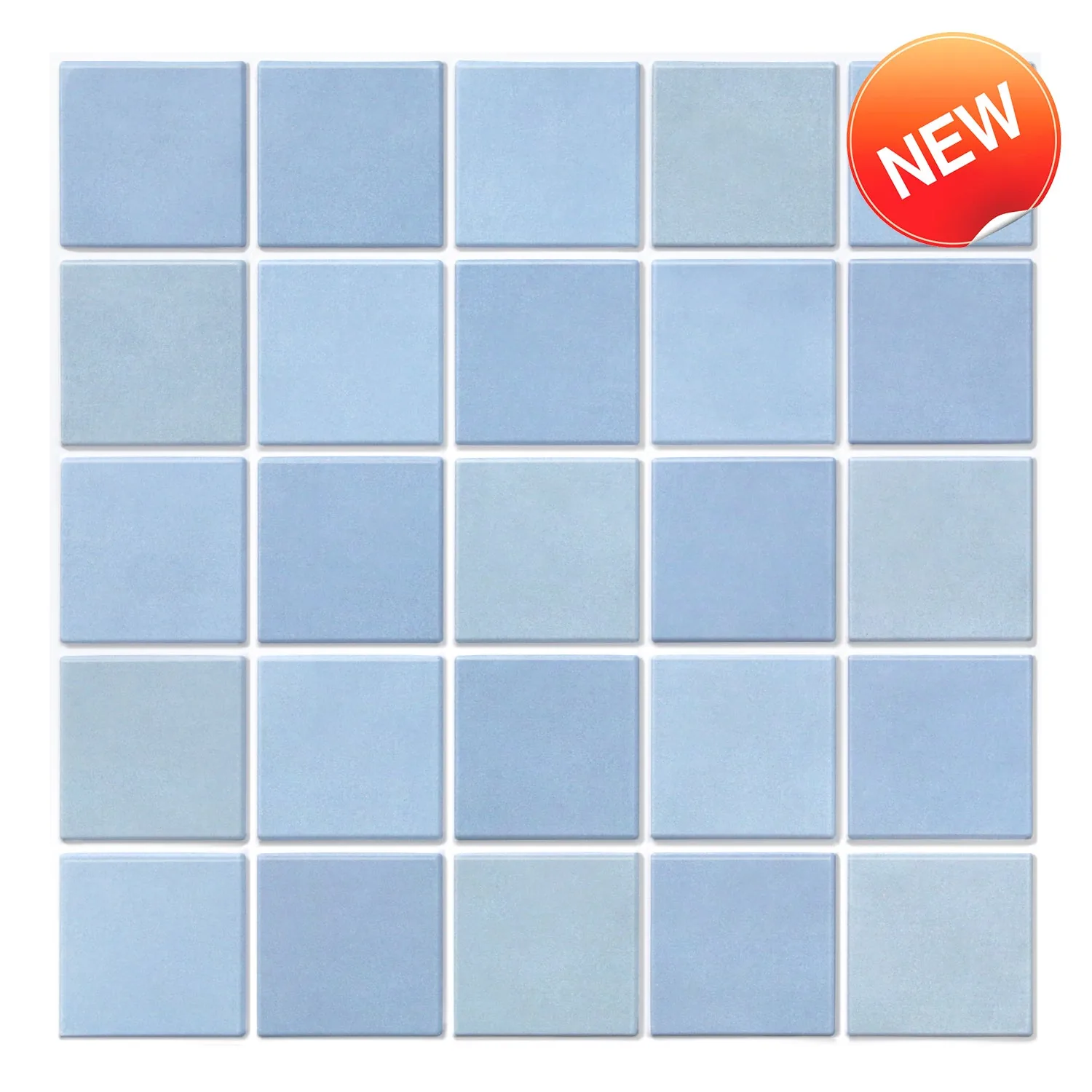
3D Sky Blue Mosaic Peel and Stick Wall Tile
PARTB Curated · Featured in this article
Start with a deep clean using a degreasing cleaner (TSP substitute works well), then go over everything with rubbing alcohol on a clean cloth. You're removing not just visible dirt but also the invisible oil film that accumulates in kitchens. The wall should feel almost squeaky when you run your hand across it. Let everything dry completely—any moisture trapped behind peel and stick creates mold risk and adhesive failure.
Temperature matters more than you'd think. Adhesive performs optimally when applied in moderate temperatures, generally between 50-90°F. If you're installing in winter and the wall is cold to the touch, run a space heater in the kitchen for an hour first. The adhesive needs to flow and bond properly, which it simply won't do on a freezing surface.
Take time with your layout before committing to anything. Use painter's tape to mark your starting point and key alignment lines. Most beginners start at the most visible section—usually the area behind the sink—and work outward. This ensures that any cuts or adjustments happen in less prominent spots like corners. Measure carefully and remember that rental kitchens are rarely perfectly square. That backsplash area might look rectangular, but check it—you'll probably discover it's slightly off, and planning for that prevents frustrating discoveries mid-installation.
Budgeting for the Project Realistically
One of peel and stick backsplash's major appeals is the cost factor—you're looking at a few hundred dollars maximum for most rental kitchens, versus thousands for traditional tile installation. But the numbers deserve closer examination to avoid surprises.
Calculate your square footage generously. Measure the area, then add at least 10-15% for cutting waste, mistakes, and future repairs. That 3D Rose Whitewash Brick Peel and Stick Wall Tile at $29.99 per unit seems inexpensive, but make sure you're ordering enough units to complete the job with safety margin. Running out of material mid-project is frustrating, and trying to match dye lots later can be impossible.
Factor in the tools and supplies you'll need: a sharp utility knife with extra blades, a straight edge or level, measuring tape, and cleaning supplies. If you're covering existing tile, you might want a squeegee or small roller to ensure good adhesion over grout lines. These aren't major expenses, but they add up if you're starting from zero.
Consider the opportunity cost of your time too. Peel and stick installation isn't technically difficult, but it's detail-oriented and time-consuming. Most rental kitchen backsplashes take 4-8 hours for a careful DIY installation, spread across a weekend to allow for planning and adjustment. If you're naturally meticulous and enjoy hands-on projects, this is satisfying work. If you find detail work frustrating and your time is valuable, the cost savings over traditional tile start looking less compelling.
The real value calculation is psychological as much as financial. How much does it matter to you to love your kitchen space? If that builder-grade backsplash is making you miserable every time you make coffee, spending $200-300 to fix it might be the best money you'll spend on your rental. If you barely notice it, maybe your improvement budget is better spent elsewhere.
---
Below you'll find answers to frequently asked questions about choosing peel and stick backsplash for rental kitchens, addressing common concerns about installation, removal, and landlord considerations.
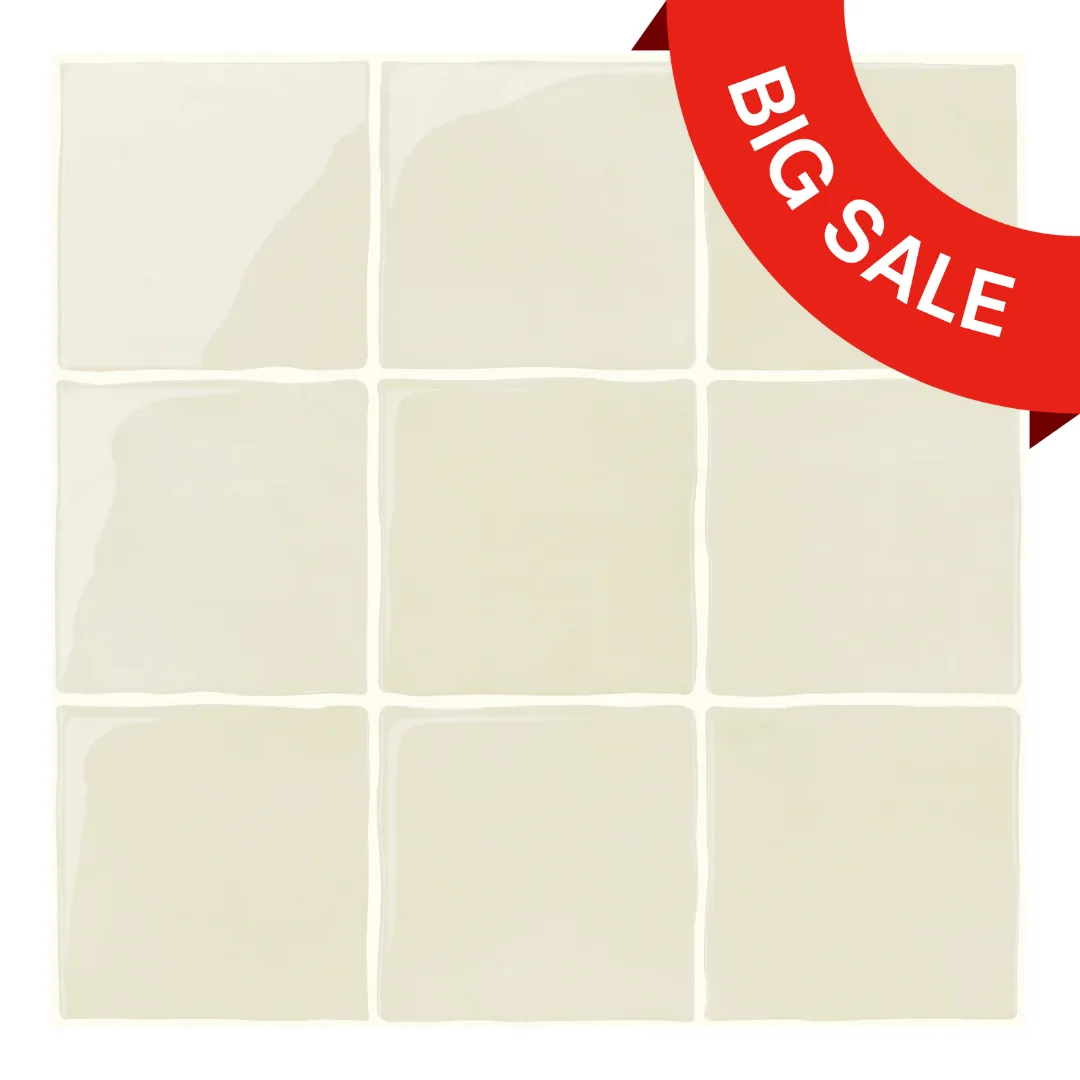
Beige Ceramic Square Peel and Stick Backsplash Tile - Thicker Design
PARTB Curated · Featured in this article
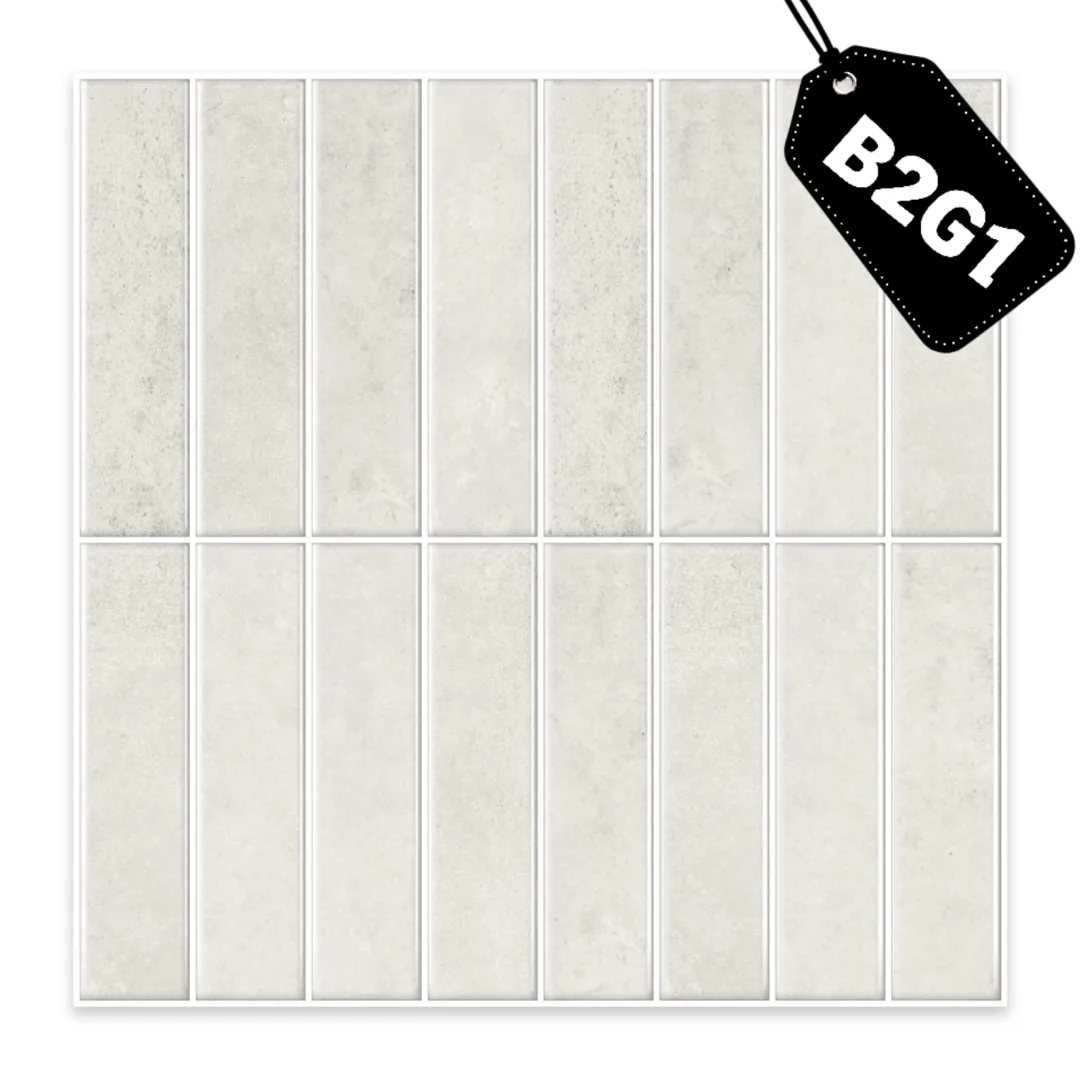
Beige Cream Color Linear Peel and Stick Backsplash Tile
PARTB Curated · Featured in this article
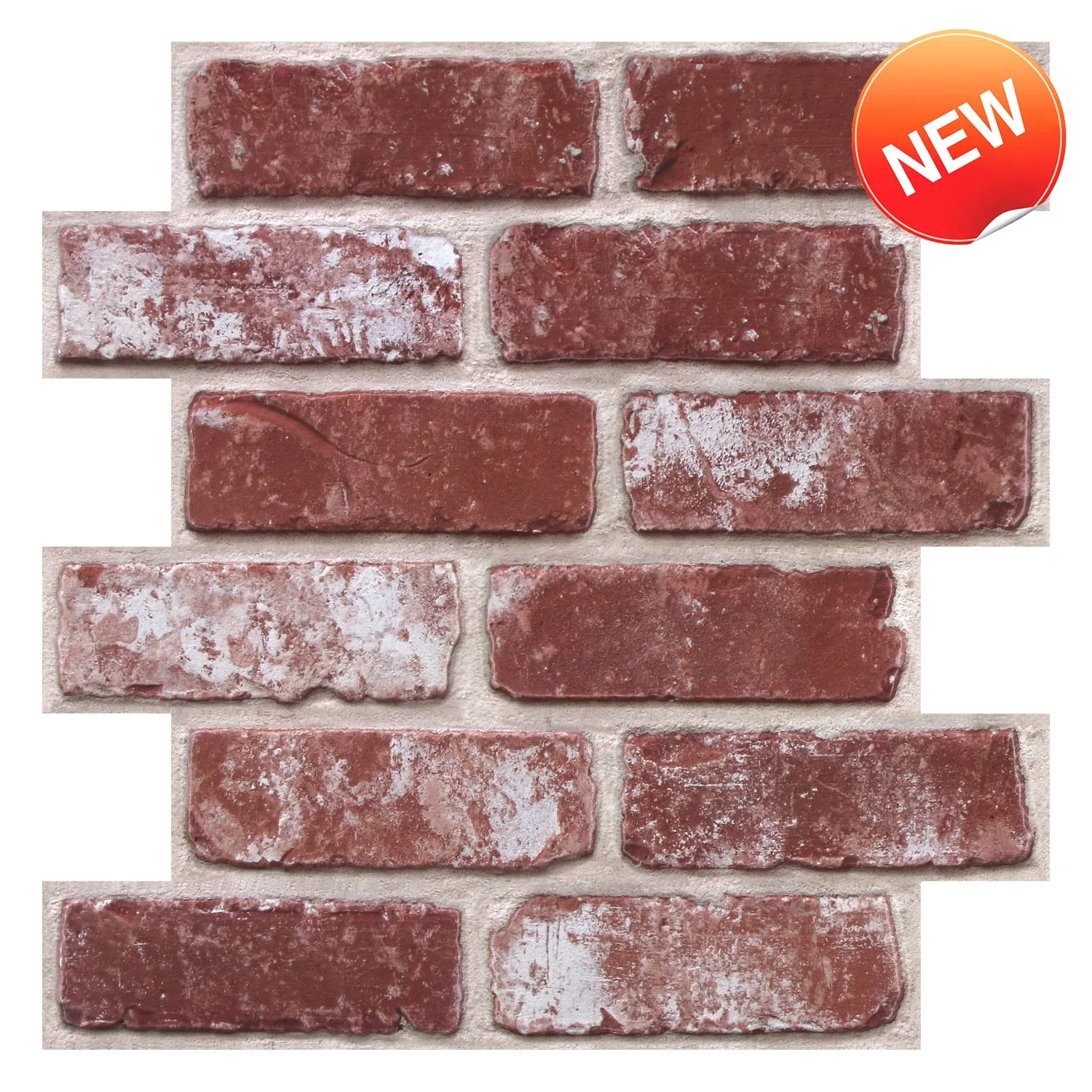
3D Rose Whitewash Brick Peel and Stick Wall Tile
PARTB Curated · Featured in this article