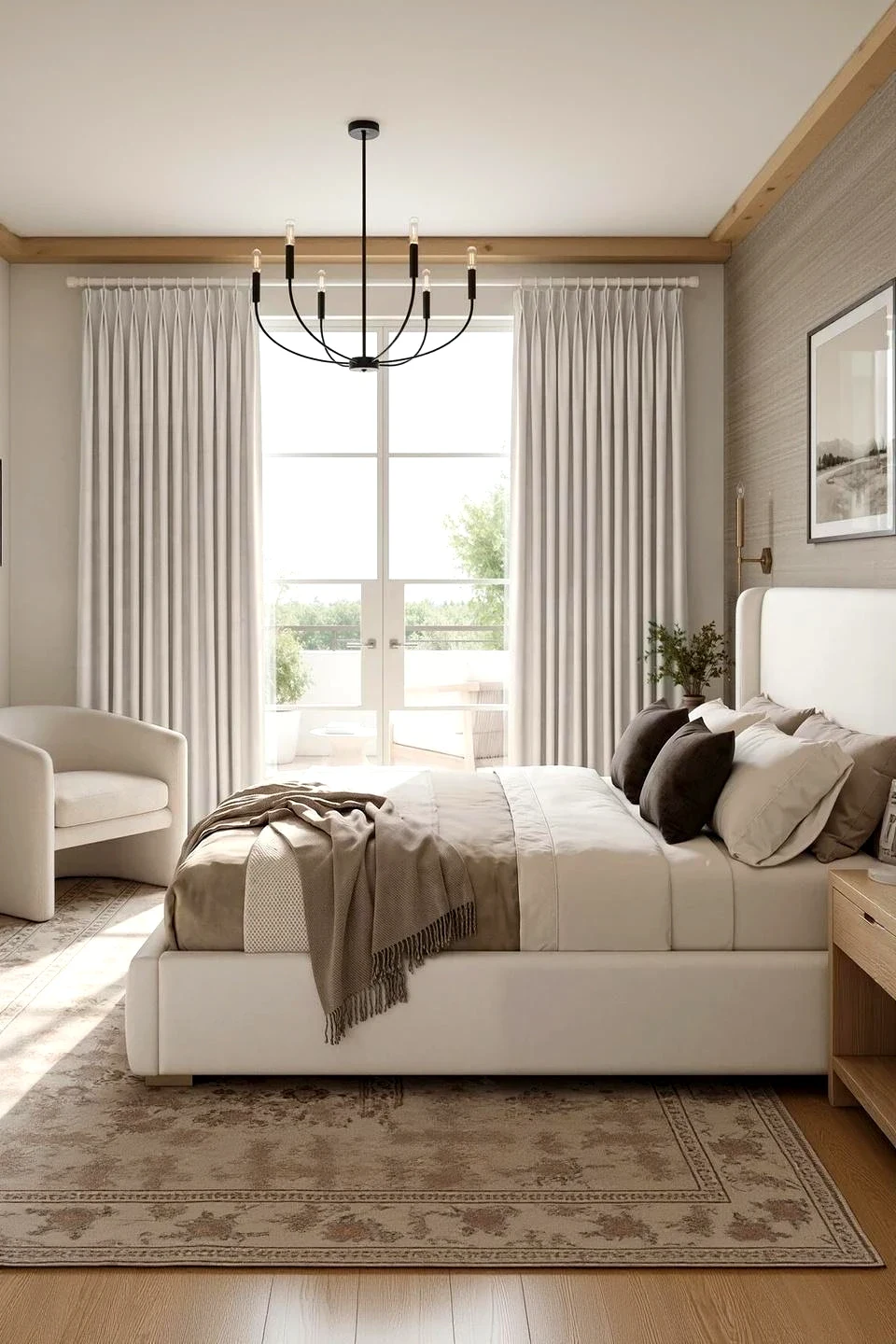
The science is settled: light exposure during sleep disrupts our circadian rhythms, fragments sleep cycles, and leaves us groggy come morning. But here's what the sleep studies don't tell you—choosing blackout curtains isn't just about blocking light. The color you hang in your bedroom plays a surprisingly complex role in how well you actually rest, affecting everything from perceived room temperature to your pre-sleep wind-down routine. Get it wrong, and you might fix your streetlight problem while creating an entirely new sleep saboteur.
Why Curtain Color Matters Beyond Aesthetics
Most of us approach curtain shopping backward. We think about blocking light first, then consider color as a decorative afterthought. But your bedroom's color environment has measurable effects on sleep quality that begin long before you close your eyes.
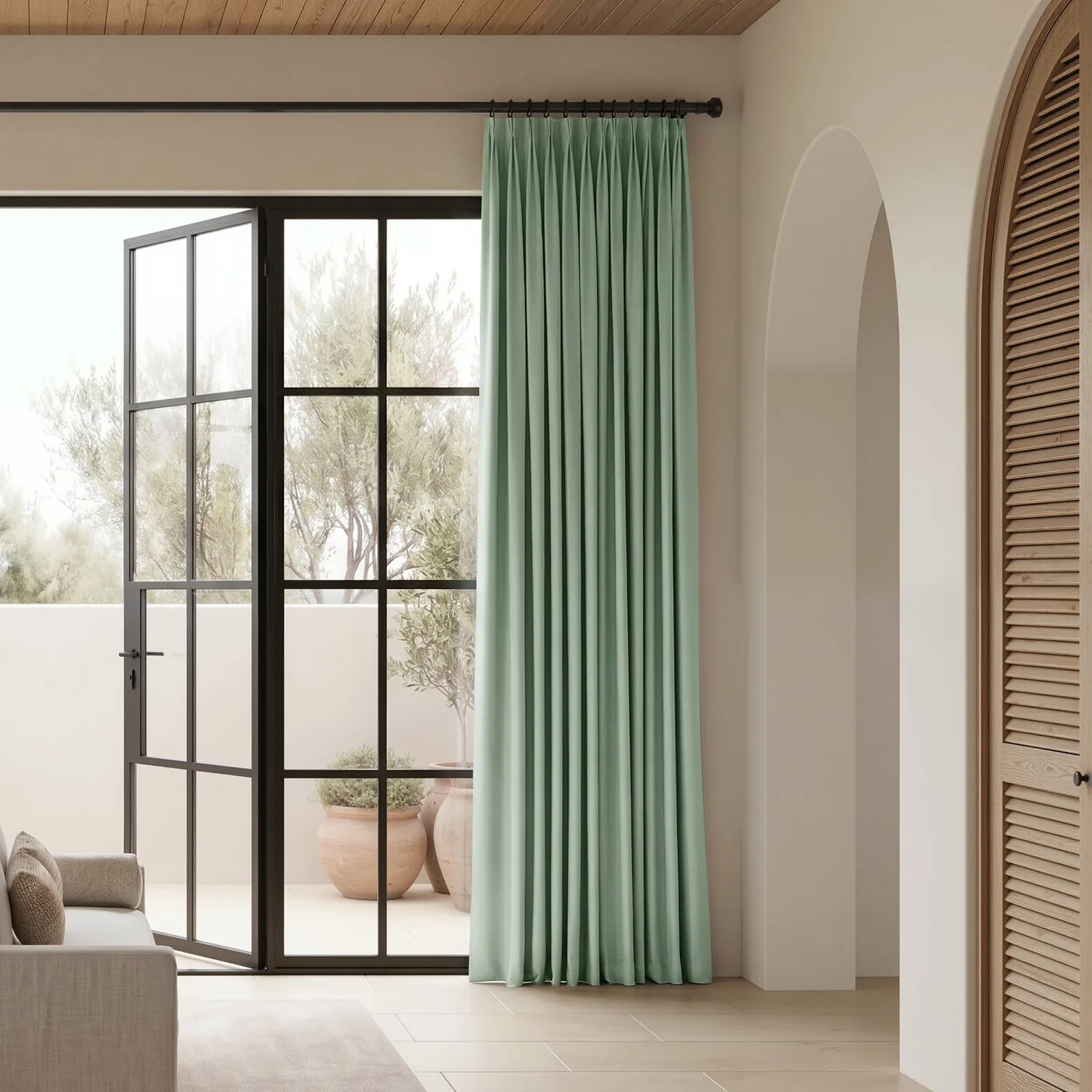
Cooler colors—think blues, grays, and certain greens—have been shown in multiple studies to lower heart rate and reduce blood pressure. This isn't mystical color therapy; it's basic psychology and physiology. When you walk into a room dominated by cool tones during your evening routine, your body begins its natural downshift toward sleep mode. Warm colors like reds and oranges, conversely, stimulate alertness and can even trigger subtle anxiety responses in some people.
The blackout lining does the heavy lifting on light control, true. But the fabric color facing your room creates the ambient mood during those crucial pre-sleep and early-morning hours. When dawn breaks and a sliver of light inevitably creeps in around the edges, a soft gray diffuses that intrusion gently. A stark white amplifies it. A deep navy absorbs it almost entirely.
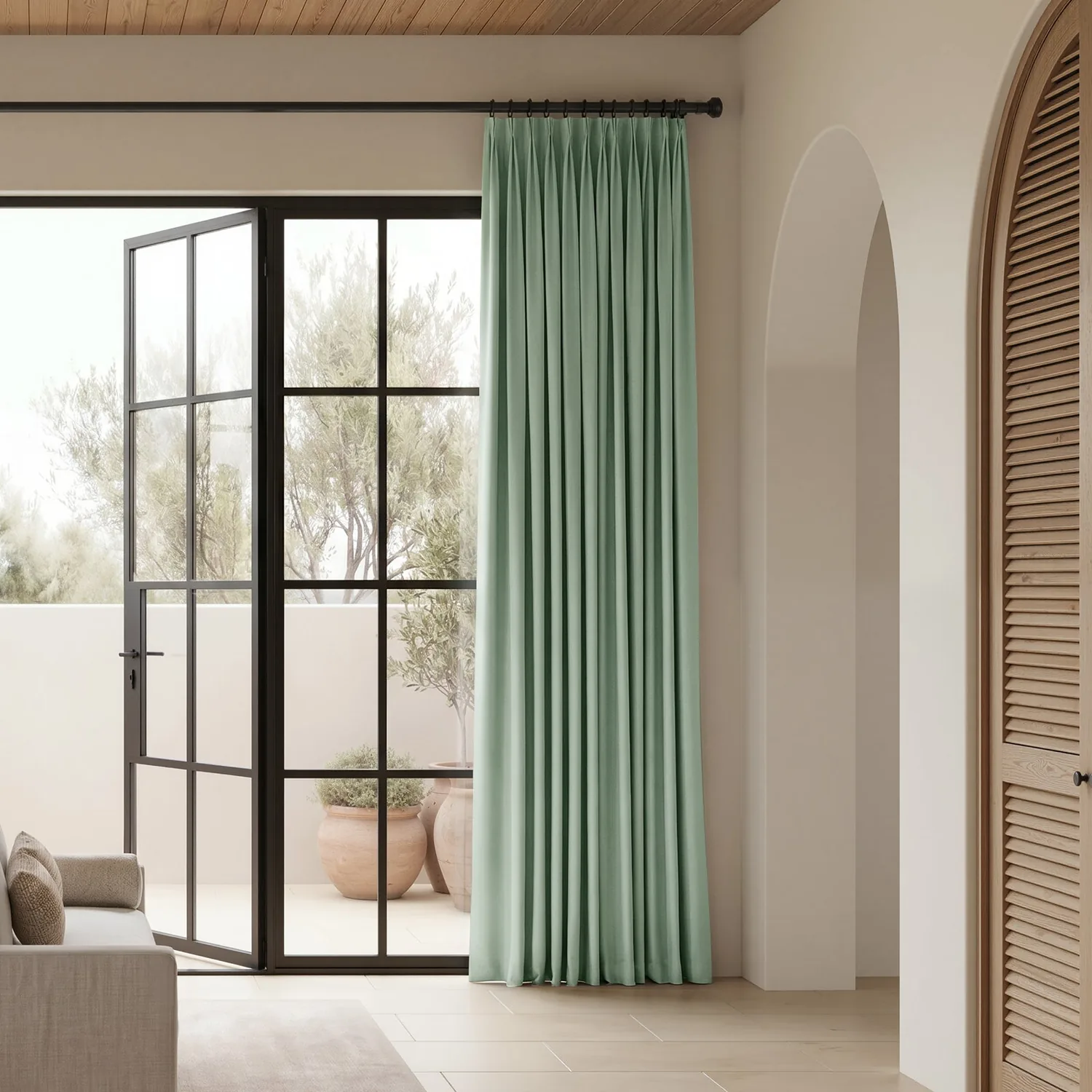
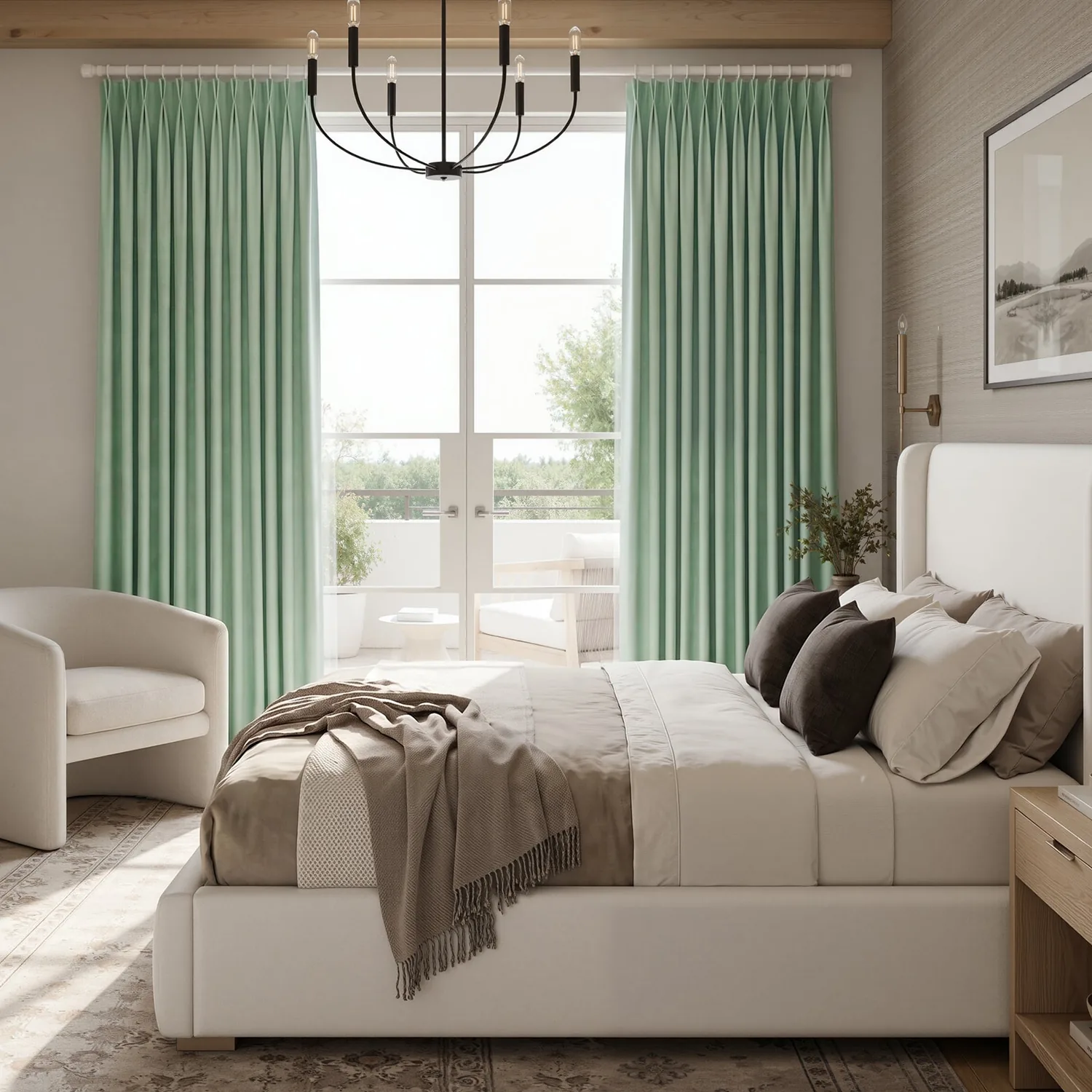
Consider the Hudson Thermal 100% Blackout Curtain - Twilight Blue 13 | Transform Your Sleep Sanctuary, which embodies this principle. That twilight blue isn't just pretty—it's functionally calming, creating a cocoon-like environment that signals rest from the moment you draw the panels closed.
The Case for Neutrals: Grays, Whites, and Naturals
Neutrals dominate the bedroom curtain market for good reason. They're the Switzerland of sleep optimization—performing well across different room exposures, design styles, and personal sensitivities.
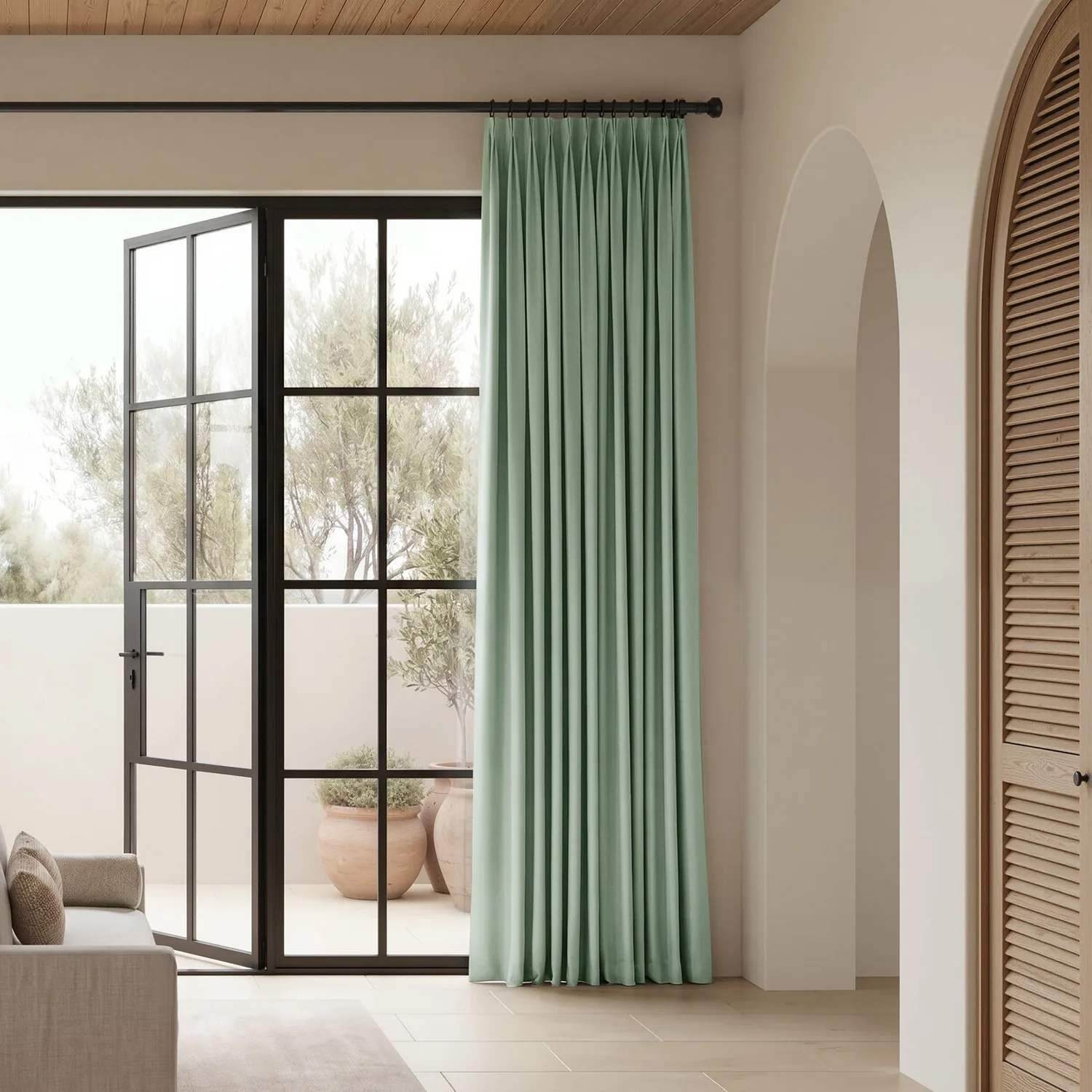
Light grays and grayish whites offer particular advantages. They provide enough contrast with most wall colors to create visual interest without stimulation. They don't absorb excessive heat on sun-facing windows. And critically, they forgive early risers. If you need to wake before full sunrise, opening curtains to soft morning light filtering through a light gray creates a gentle transition rather than the jarring blast you'd get with darker options.
The Hudson Thermal 100% Blackout Curtain - Grayish White | Transform Your Sleep Sanctuary exemplifies this balanced approach. That grayish white reads as soft and calming without the sterile hospital feel of pure white, making it ideal for bedrooms where morning light control matters as much as nighttime darkness.
Natural tones—creams, taupes, warm beiges—occupy similar territory but skew slightly warmer. They work beautifully in rooms that feel cold or unwelcoming, adding a cozy quality that can actually improve sleep environment satisfaction. The subtle warmth doesn't trigger the same alertness response as saturated warm colors because it mimics the neutral tones found in nature. Something like the Hudson Thermal 100% Blackout Curtain - Natural 02 | Transform Your Sleep Sanctuary brings that organic warmth while maintaining the psychological calm essential for quality rest.
The downside? Neutrals show dust and pet hair more readily, requiring more frequent maintenance. And in very small bedrooms, extremely light colors can sometimes make blackout curtains feel more prominent than you'd like, drawing attention to the window treatment rather than letting it recede.
When Dark Colors Work (and When They Don't)
There's an intuitive appeal to dark blackout curtains: darker means more light-blocking, right? Not exactly. The blackout lining does that work. But dark-colored curtain panels do offer specific advantages worth considering.
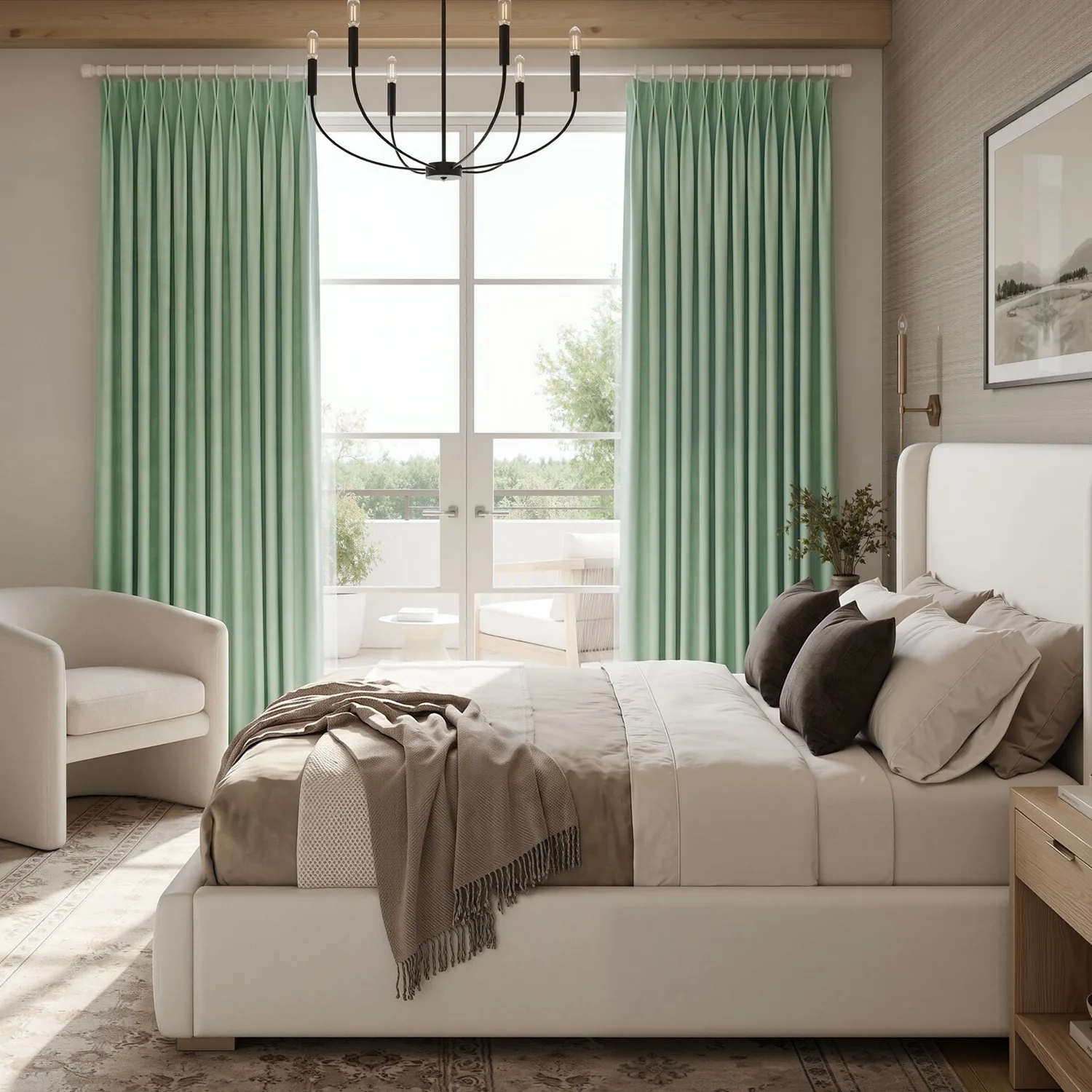
Hudson Thermal 100% Blackout Curtain - Grayish White | Transform Your Sleep Sanctuary
PARTB Curated · Featured in this article
Deep colors—charcoal, navy, black, forest green—create what designers call a "grounded" feeling. They anchor a room visually and can make high ceilings feel more intimate. For people who struggle with anxiety or overstimulation, a deeply colored bedroom can feel more womb-like and protective. They're also exceptional at hiding that inevitable gap where curtain panels meet, since any light leakage gets absorbed rather than highlighted.
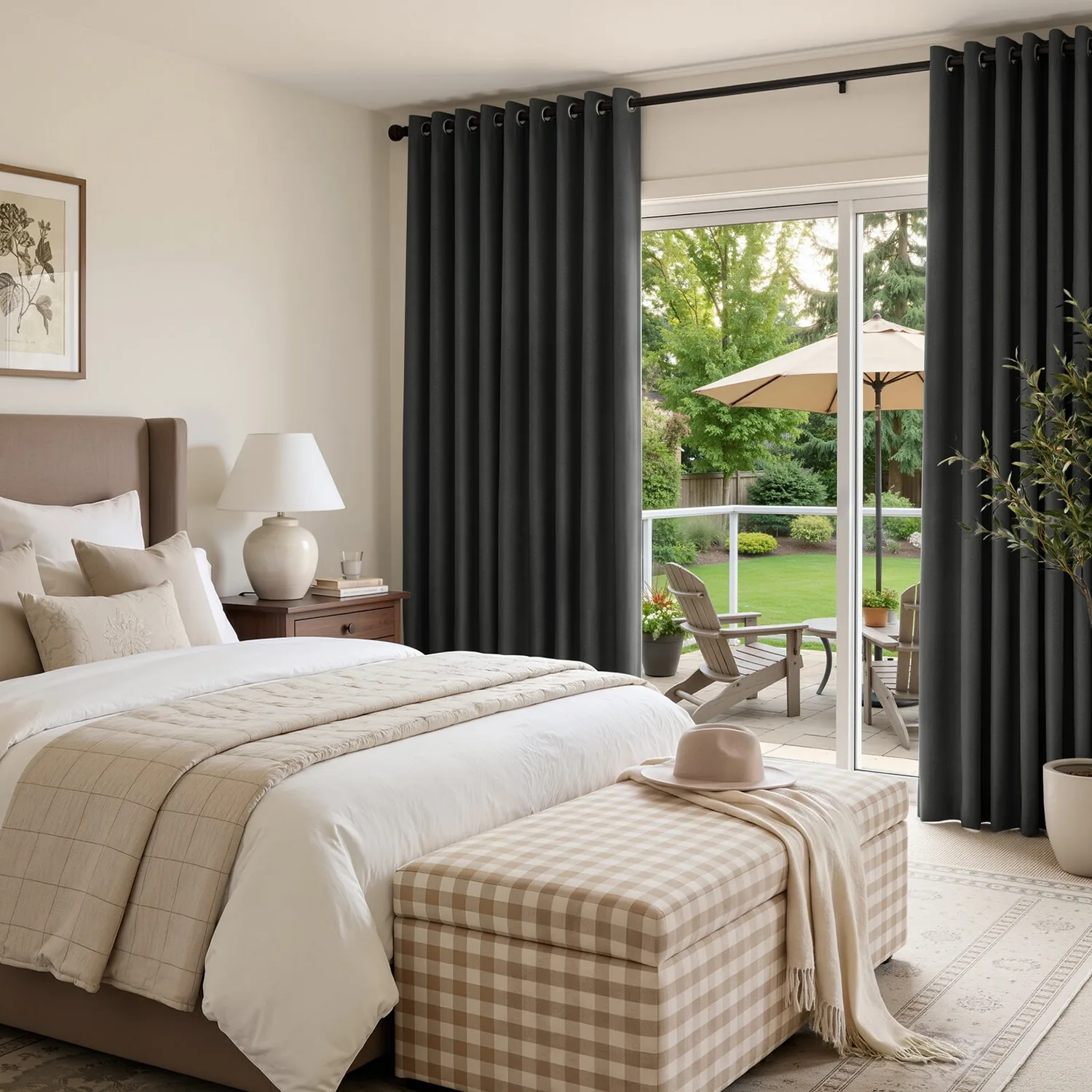
Black curtains work especially well in specific scenarios: rooms with southern or western exposure that get brutally hot, bedrooms with opposing design elements you want to balance, or spaces where you're deliberately creating a dramatic, moody aesthetic. Urban dwellers dealing with neon signs or headlights often find that black panels provide psychological assurance beyond the physical light-blocking.
However, dark curtains come with real trade-offs. They absorb heat significantly, which can raise your bedroom temperature by several degrees—and sleep quality plummets when ambient temperature exceeds 68°F. They make small rooms feel smaller, low ceilings feel lower. And perhaps most importantly, they provide zero grace for morning light. When you open black curtains at sunrise, you're flipping a switch from total darkness to full brightness with no modulation.
If you're drawn to dark options, consider your wake-up routine honestly. Do you typically wake naturally before dawn? Do you use an alarm and prefer your room pitch-black until you're fully ready to face the day? The Hudson Thermal 100% Blackout Curtain - Black 11 | Transform Your Space with Ultimate Darkness works brilliantly for shift workers or anyone who needs absolute control over their light environment—but it requires commitment to a specific lifestyle.
Matching Curtain Color to Your Room Exposure
Your window's orientation dramatically affects which curtain color will serve you best. East-facing bedrooms flood with morning light—wonderful if you're a natural early riser, potentially miserable if you're not. Here, you want curtains that forgive incremental light leakage gracefully. Medium grays, soft blues, and muted greens all diffuse early light without amplifying it. Avoid stark white (turns pink with sunrise and acts like a lightbox) and avoid black (creates too stark a contrast when you finally do open them).
West-facing rooms are the villain of sleep optimization. Afternoon sun heats up your curtains right when you're trying to keep your bedroom cool for evening sleep. This is where lighter colors earn their keep. Light reflective surfaces stay significantly cooler than dark ones. A grayish white or pale natural can be 15-20 degrees cooler to the touch than a black curtain on the same window at 6 PM. That heat differential affects your bedroom's ambient temperature for hours.
North-facing bedrooms get the least direct sun and tend toward cold, dim environments. These rooms can actually benefit from warmer curtain colors—cream, taupe, warm gray—to counteract that cave-like feeling. You have more freedom here to choose based purely on aesthetic preference since you're not managing intense light or heat.
South-facing exposures get consistent, bright light throughout the day. These rooms need your most strategic thinking. If your bed faces the window, cooler colors help psychologically manage that brightness. If you're dealing with significant heat gain, lighter colors are essential. But southern light also shows color most accurately, so whatever you choose will be on full display—make sure you love it.
The Pattern Question: Solid vs. Print for Sleep Spaces
Walk the curtain aisle at any home store and you'll see patterns everywhere—florals, geometrics, stripes, abstracts. They're tempting. They're often beautiful. And they're usually wrong for a sleep-focused bedroom.
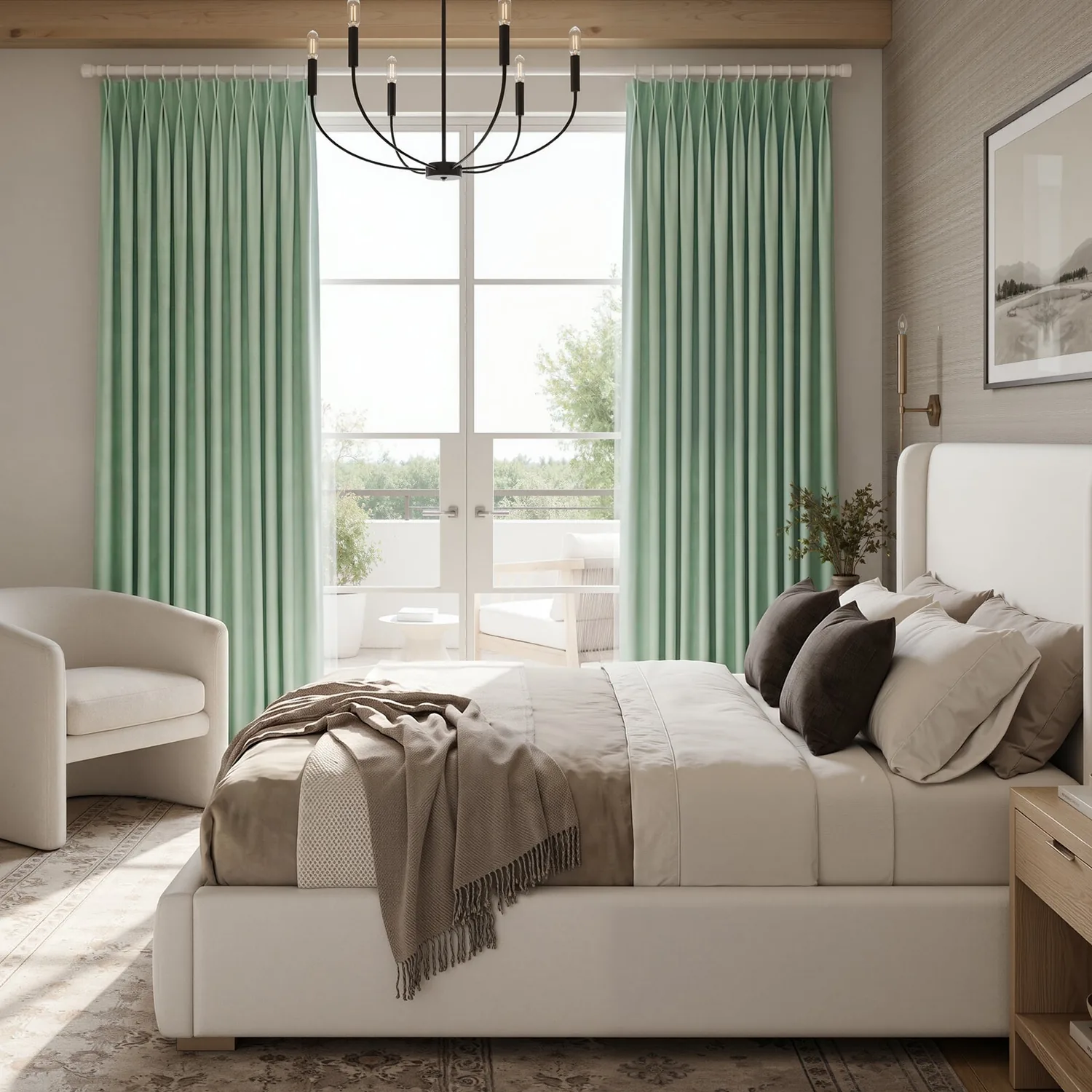
Hudson Thermal 100% Blackout Curtain - Twilight Blue 13 | Transform Your Sleep Sanctuary
PARTB Curated · Featured in this article
Here's the uncomfortable truth: busy patterns provide visual stimulation. Your brain processes them unconsciously, creating subtle cognitive load even when you're trying to relax. This matters particularly in the hour before sleep, when your goal is reducing stimulation of all kinds. A bold geometric print might look fantastic in your friend's magazine-ready bedroom, but if you're actually optimizing for sleep, solids perform better.
The exception? Very subtle tone-on-tone patterns or barely-there textures. A damask pattern in the same color family as the base fabric, visible only in certain light, adds visual interest without triggering pattern-processing. Linen-look textures or subtle weaves give dimension without distraction.
For our purposes—choosing blackout curtains specifically for better sleep—the recommendation is simple: stick with solids. Save your pattern energy for other rooms. Your bedroom's job is rest, and curtains in solid, sleep-promoting colors perform that job better.
Practical Considerations: Maintenance and Longevity
Color choice affects your curtains' practical lifespan in ways you might not anticipate. Lighter colors fade more quickly in direct sun, particularly if you sometimes open your blackout curtains during the day. That beautiful cream can turn dingy-yellow within two years on a south-facing window. Dark colors fade too, but they bleach out rather than yellow, often looking salt-and-pepper gray after several seasons.
Blackout curtain fabrics accumulate dust and odors because of their dense construction. Darker colors hide this reality longer, which might sound like an advantage but actually isn't—you'll wash them less frequently and potentially impact your air quality. Lighter colors force you to maintain a cleaning schedule, which benefits your sleep environment overall.
Most quality thermal blackout curtains are machine washable, but color affects how forgiving they are to washing mishaps. Mid-tone grays and naturals hide slight shrinkage, fading, or texture changes better than stark white or pure black. If you're someone who worries about maintenance or wants to minimize decision fatigue around household tasks, that middle range of grays and naturals offers the most longevity with the least anxiety.
Testing Color in Your Actual Space
Here's where theory meets reality: colors look radically different in showrooms versus your bedroom. That serene blue sample looks purple in evening lamplight. That warm white reads dingy next to your crisp white bedding. The charcoal that looked sophisticated in the store feels oppressive on your actual windows.
Hudson Thermal 100% Blackout Curtain - Natural 02 | Transform Your Sleep Sanctuary
PARTB Curated · Featured in this article
Before committing to any blackout curtain color, do the homework. Order samples when possible. Tape swatches near your window and observe them at different times of day—morning light, afternoon sun, evening lamplight, and middle-of-the-night darkness (yes, actually get up and look). Notice how the color interacts with your wall color, bedding, and flooring. Colors that clash subtly during the day can feel jarring enough at night to affect your ability to relax.
Pay attention to your emotional response. If a color makes you feel slightly uneasy, that's data. Your bedroom should feel like a sanctuary, and if you're having doubts about a curtain color before you've even installed it, those doubts will amplify over time. Trust your instincts, but test them against different lighting conditions.
Frequently Asked Questions
Choosing the right blackout curtain color involves balancing aesthetic preferences with genuine sleep science. The color facing your room affects everything from perceived temperature to your pre-sleep wind-down effectiveness. While the blackout lining handles the technical work of light blocking, the curtain color you select shapes your bedroom's psychological environment in ways that directly impact rest quality. Whether you choose cooling grays, warming naturals, or dramatic darks, make that decision based on your specific room conditions, sleep patterns, and honest assessment of how different colors make you feel during those crucial evening hours. Additional common questions about blackout curtain color selection are addressed below.
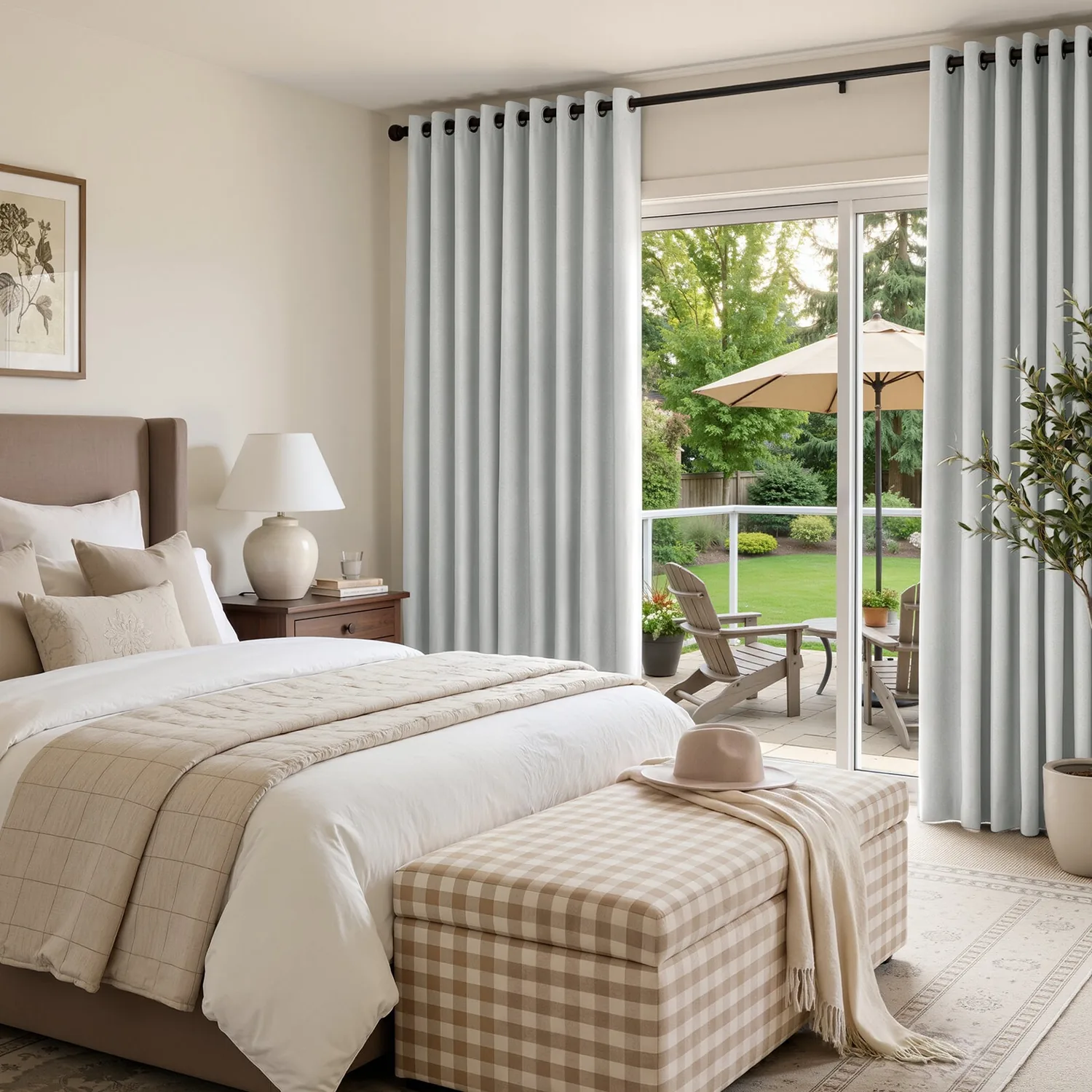
Mercer Heavyweight Blackout Thermal Curtain - Transform Your Space with Luxury Light Control
PARTB Curated · Featured in this article
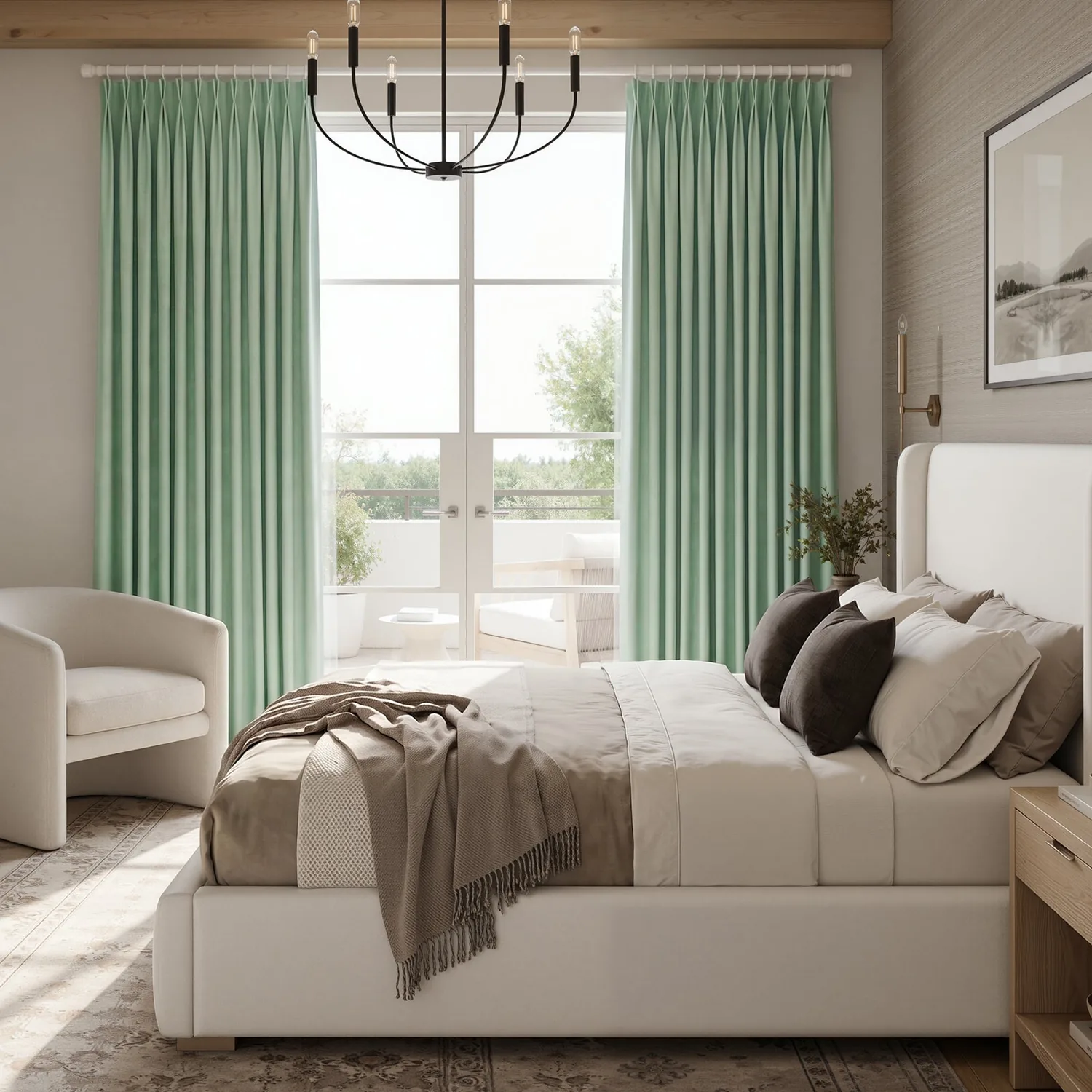
Hudson Thermal 100% Blackout Curtain - Black 11 | Transform Your Space with Ultimate Darkness
PARTB Curated · Featured in this article