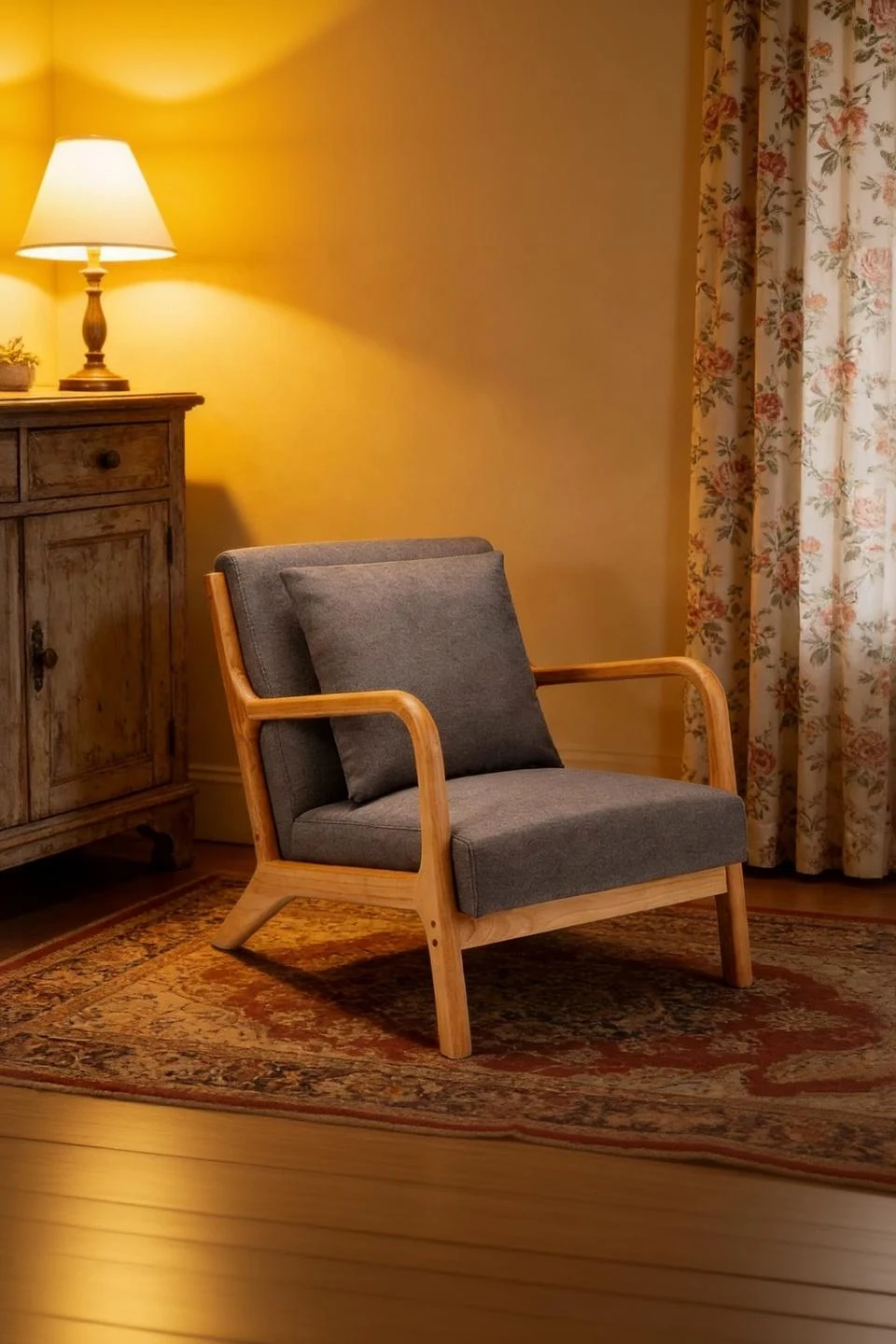
Finding the perfect reading chair is one of those seemingly simple tasks that can quickly become overwhelming. You're not just looking for a place to sit—you're creating a dedicated zone for unwinding, getting lost in a novel, or catching up on magazines. The right chair transforms a corner of your bedroom or a spot by the window into a legitimate retreat. But between measuring your space, setting a realistic budget, and navigating the sea of styles available, it's easy to either settle for something that doesn't quite work or spend months in decision paralysis. The good news? Once you understand the key factors that make a reading chair truly functional and comfortable, the choice becomes much clearer.
Assess Your Space First, Then Your Wishlist
Before you fall in love with any particular chair, get realistic about your footprint. Measure not just the floor space where the chair will sit, but also account for the "bubble" around it—you'll need room to actually get in and out, plus space for a side table or floor lamp. A chair that looks perfect online can overwhelm a small bedroom or get lost in a spacious living room.
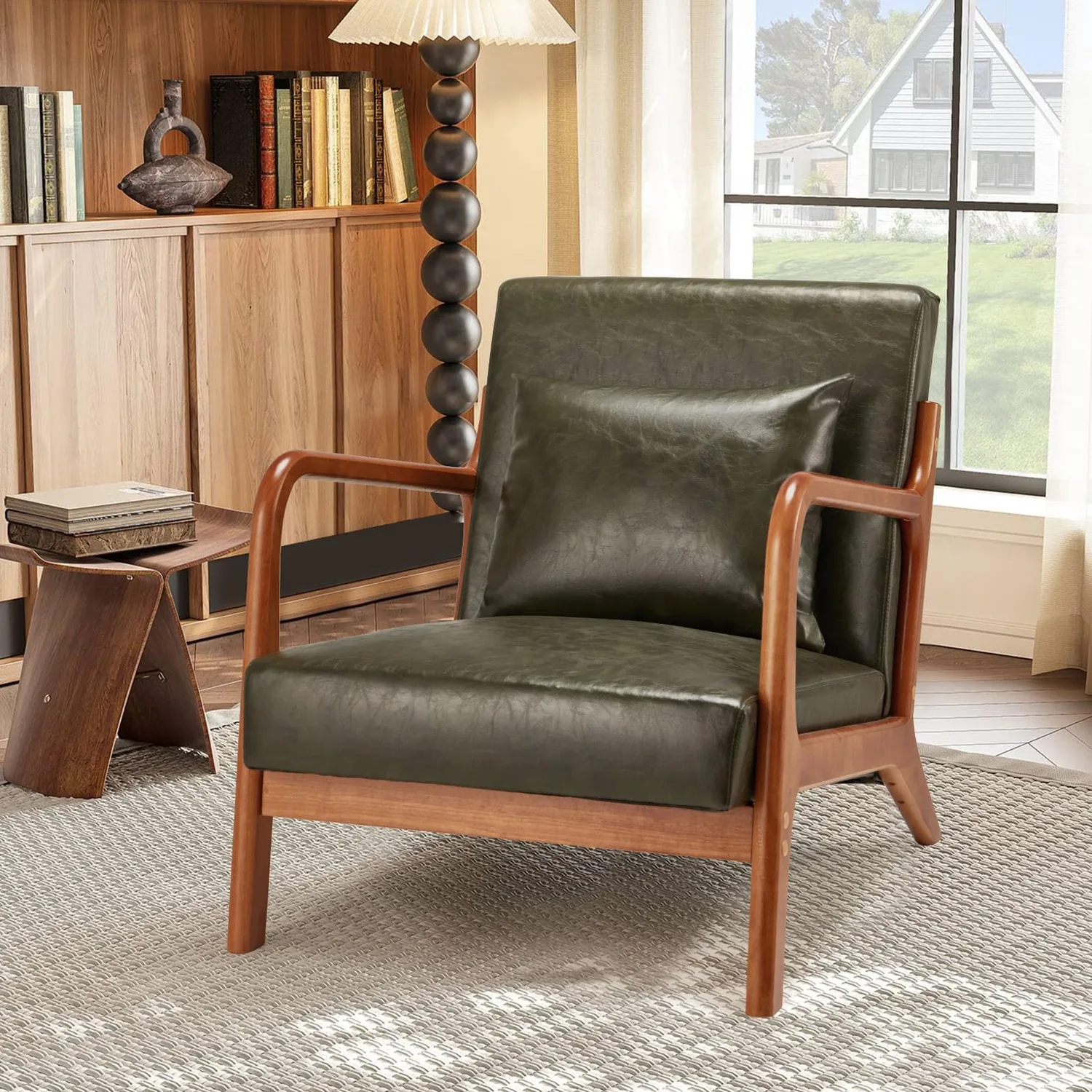
Consider the room's traffic patterns too. If your reading spot is near a doorway or in a path people naturally walk through, you'll want a chair with a smaller profile or one that can be angled without blocking the flow. Corner placements work beautifully for reading nooks because they feel cozy and out of the way, but they also limit your chair orientation options.
Think about light sources as well. The best reading chairs live near natural light during the day and have access to good task lighting at night. If you're setting up near a window, you might want a chair that sits slightly higher so you can enjoy the view. For darker corners, you'll need to factor in floor space for a reading lamp, which affects your overall layout.
Finally, be honest about whether this chair will serve double duty. In smaller homes, your reading chair might also function as extra seating when guests visit or even as a place to toss tomorrow's outfit. That doesn't mean you can't prioritize reading comfort, but it does mean you should avoid something so specialized that it only works for one very specific activity.
Understanding Seat Depth and Back Support
The difference between a chair you'll use daily and one that becomes a decorative clothes hanger often comes down to dimensions you don't see in product photos. Seat depth—the measurement from the front edge to where your back rests—is crucial for reading comfort. Too shallow, and you'll feel perched and unable to relax. Too deep, and you'll either be slouching forward or your feet won't touch the ground.
For most adults, a seat depth between 20 and 24 inches hits the sweet spot for reading. You want to be able to sit all the way back with proper lumbar support while still having your feet flat on the floor or a footrest. If you're petite, lean toward the shallower end of that range; if you're tall or prefer to curl up with your legs tucked, you might appreciate a deeper seat.
Back height matters just as much. A true reading chair should support your upper back and neck, especially since you'll be holding your head in a forward position while reading. Look for chairs with backs that rise at least to shoulder blade height. Some people love a full wingback style that cradles the head, while others prefer a more open design that doesn't feel confining.
The seat angle is another subtle but important factor. Chairs with a slight backward tilt encourage you to sink in and stay awhile, which is exactly what you want for reading sessions. Completely flat seats tend to feel more formal and less lounge-worthy. Many quality accent chairs in the home decor collection are designed with this gentle recline built in.
Material Choices That Match Your Lifestyle
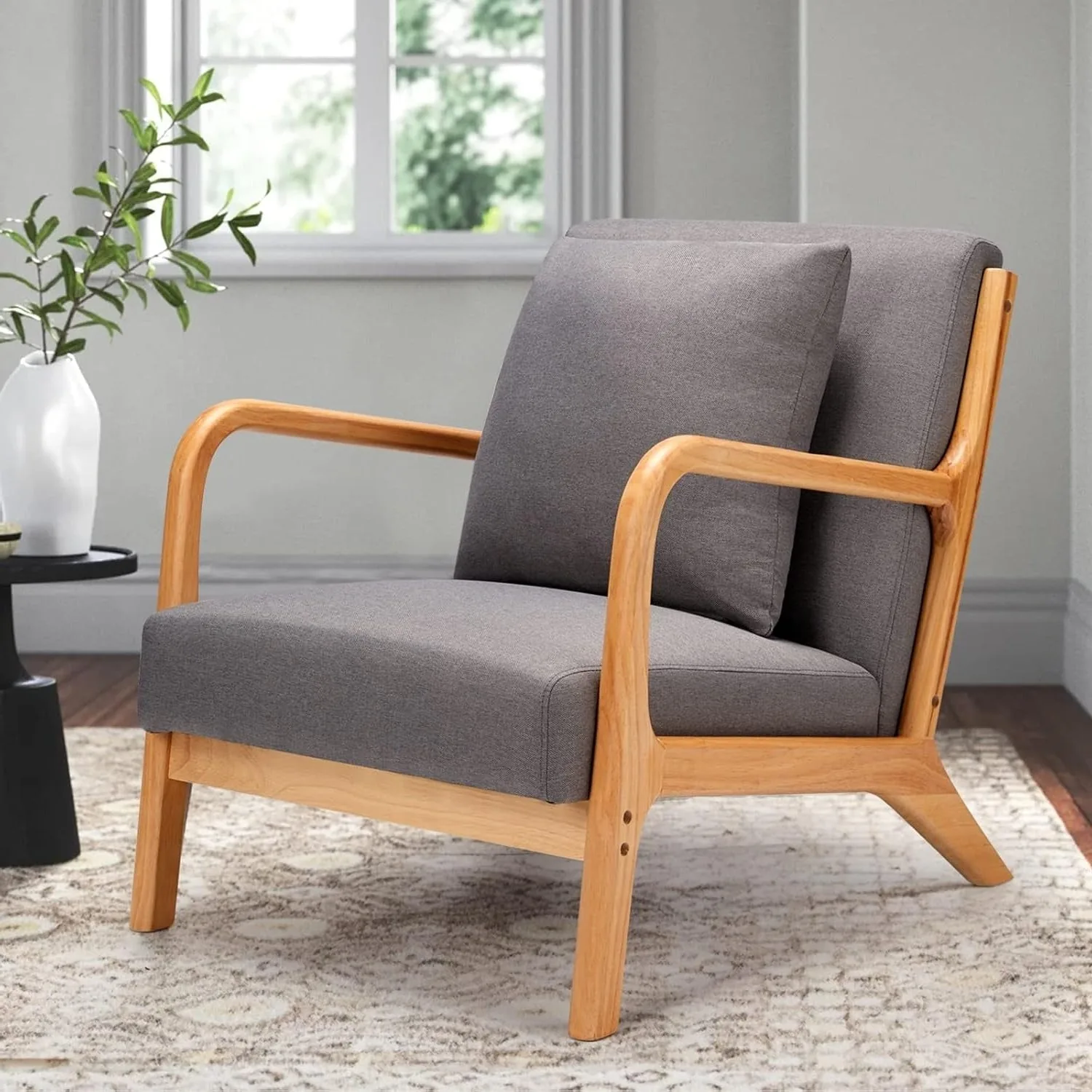
The fabric or material of your reading chair needs to align with how you actually live, not just how your space looks on Instagram. Linen and cotton blends offer breathability and a relaxed, lived-in look that gets better with age—perfect if you tend to spend long stretches in your reading spot. The YODOLLA Gray Linen Accent Chair exemplifies this approach with its natural fiber construction that feels cool in summer and cozy in winter.
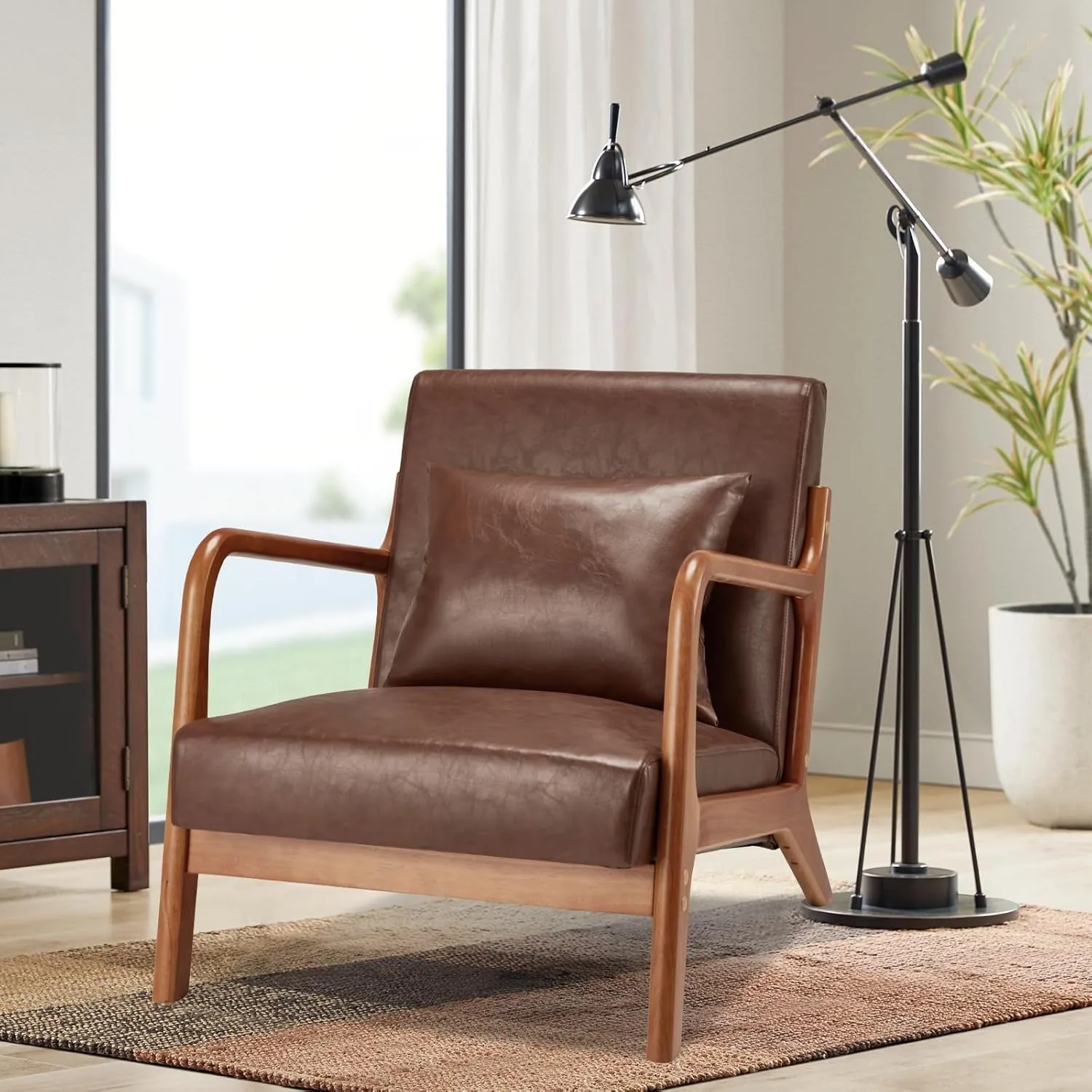
Cozy Brown Reading Chair - Transform Your Reading Nook Into a Peaceful Sanctuary
YODOLLA · Featured in this article
Leather and faux leather bring an entirely different vibe and set of practical considerations. They're incredibly durable and easy to clean, which makes them smart for homes with kids or pets. However, they can feel sticky in humid weather and cold in winter unless you add a throw blanket. If you love the look but worry about temperature issues, consider a leather chair for a climate-controlled space.
Velvet and performance velvets have surged in popularity for reading chairs because they feel luxurious without being precious. Modern performance fabrics are treated to resist stains and wear, so you can actually use and enjoy them. The plush texture adds a cocoon-like quality that makes you want to settle in with a book.
For small spaces or rooms that serve multiple purposes, consider chairs with removable, washable covers. They're less common in accent chairs than in sofas, but when you find one, it's a game-changer for maintaining freshness over years of use. And if you're someone who eats snacks while reading (no judgment), stain-resistant fabrics aren't just nice to have—they're essential.
Navigating Budget Tiers Without Sacrificing Comfort
Reading chairs span an enormous price range, from under $100 to well over $1,000, and knowing where you can save versus where you should invest makes all the difference. At the entry level, between $75-$150, you'll find straightforward designs that prioritize function over frills. The Cozy Brown Reading Chair sits comfortably in this range, offering solid construction and classic comfort without unnecessary extras that drive up cost.
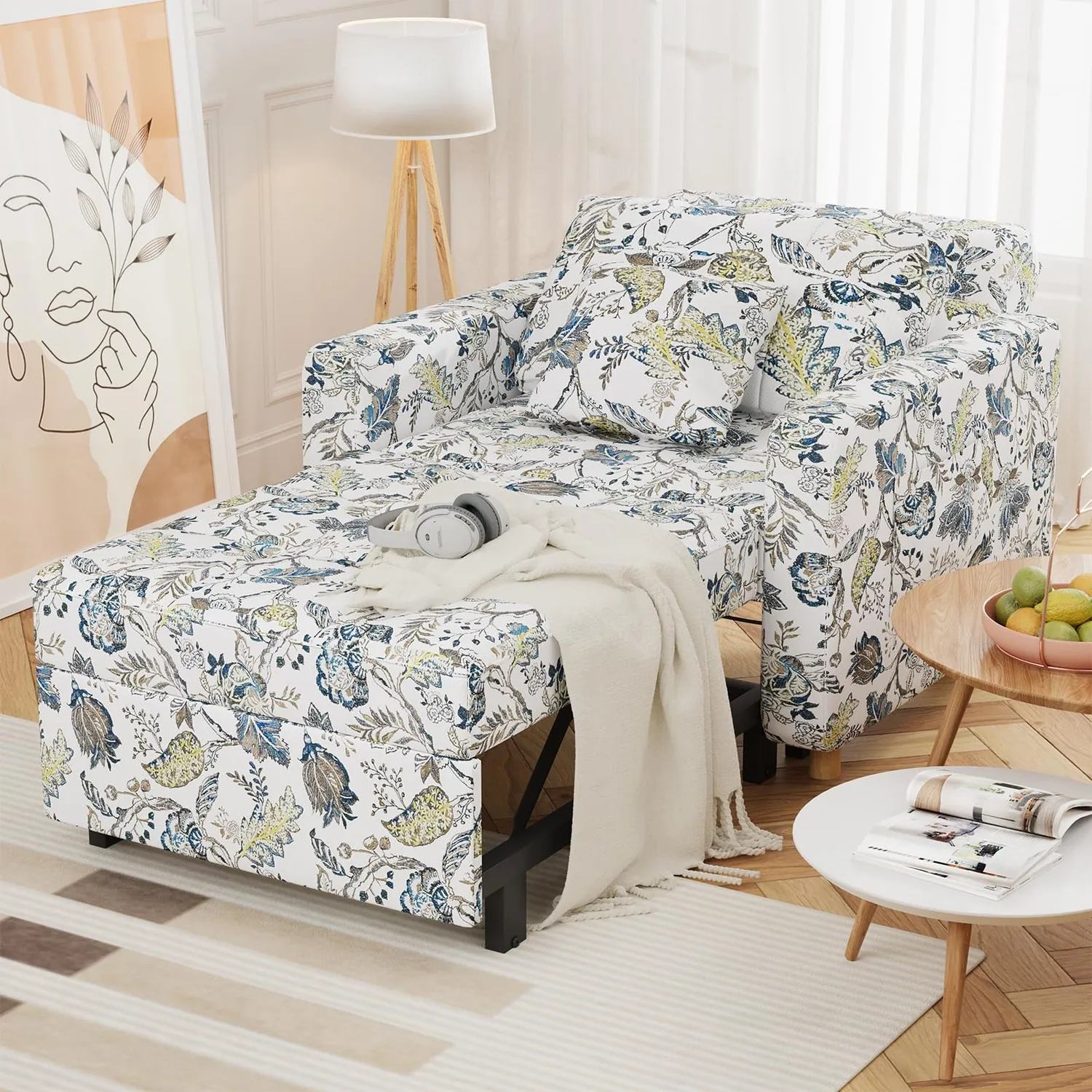
These budget-friendly options typically feature simpler frames—often wood legs with foam cushioning and basic upholstery. They won't have fancy reclining mechanisms or high-end performance fabrics, but if your needs are straightforward and you're furnishing a first apartment or guest room, they absolutely get the job done. The key at this price point is reading reviews carefully to ensure the chair is comfortable for extended sitting, not just attractive in photos.
The mid-range tier, roughly $150-$400, is where you start seeing better craftsmanship, more durable fabrics, and thoughtful design details like curved backs, tufting, or interesting leg styles. This is often the sweet spot for quality-to-value ratio. You're paying for chairs that will last several years with regular use and look good the whole time.
At higher price points, you're investing in premium materials, exceptional comfort features, and often domestic manufacturing. For serious readers who spend hours daily in their chair, this investment can be worth it. But for occasional use, the mid-range almost always delivers better value. Be skeptical of chairs that cost more simply because of trendy details rather than fundamental quality improvements.
Style Considerations That Last Beyond Trends
While it's tempting to choose a reading chair based on what's currently dominating design blogs, thinking longer-term saves money and reduces furniture waste. Classic silhouettes like wingbacks, club chairs, and simple armchairs have remained popular for decades because they work visually in multiple contexts.
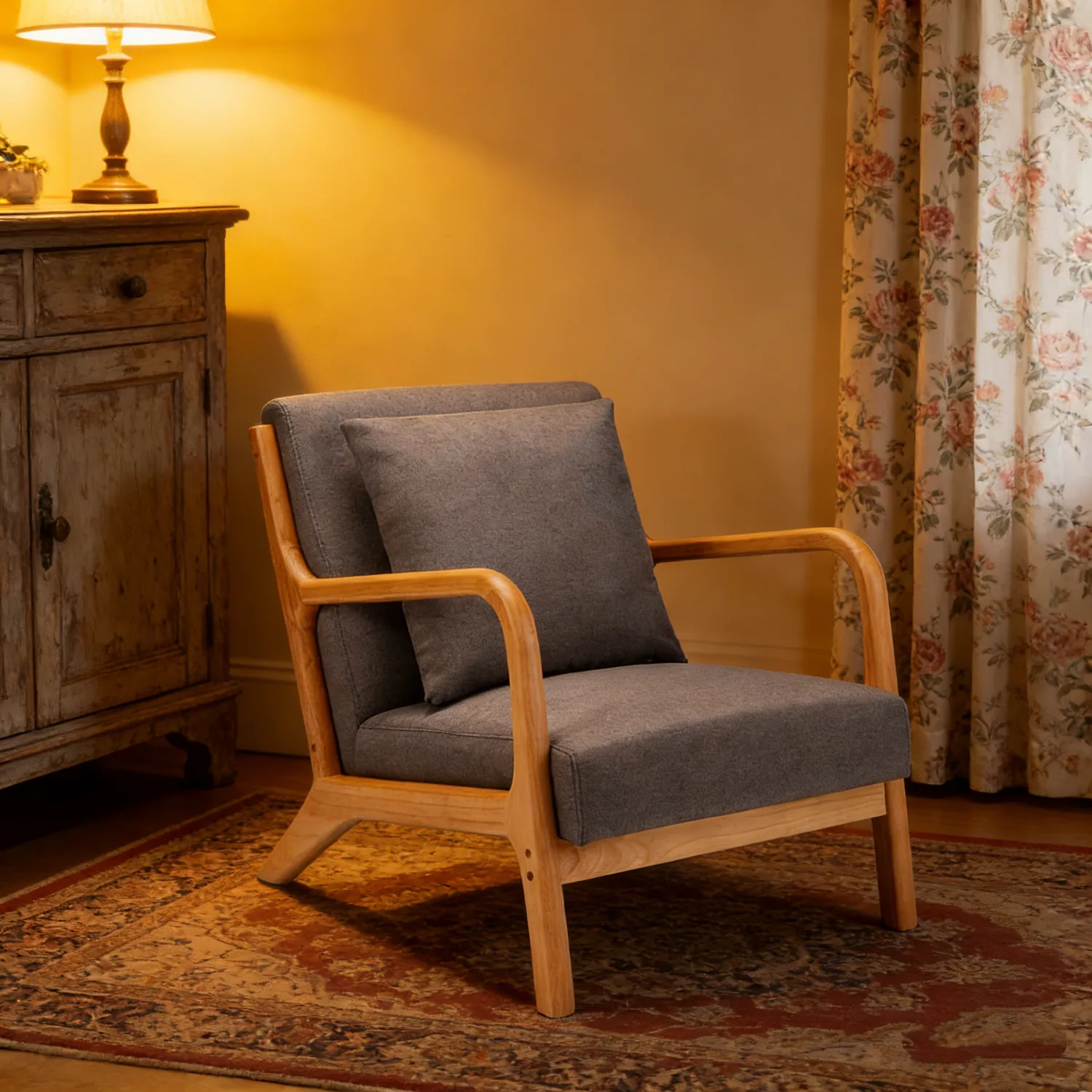
YODOLLA Gray Linen Accent Chair - Modern Reading Armchair for Living Room & Bedroom
YODOLLA · Featured in this article
That said, your reading chair can absolutely make a statement—it's often one of the few pieces in a room you can treat as a personality piece without overwhelming the space. A bold color or pattern here adds interest without the commitment of a patterned sofa. If the rest of your room is neutral, this is your chance to bring in that jewel tone or fun print you love.
Pay attention to leg style and height, as these details dramatically affect how a chair reads in a room. Exposed wood legs create visual breathing room and work well in smaller spaces because you can see floor beneath and around the chair. Skirted or low-profile bases make chairs feel more substantial and grounded, which can be perfect for larger rooms but might feel heavy in tight quarters.
Arm style deserves consideration too, especially if you have habits like draping your legs over the side or tucking one foot underneath you while reading. Wide, flat arms can double as mini side tables for your coffee mug, while slim or no arms maximize seating width in a compact frame. The Floral Convertible Chair Bed takes versatility even further, adapting from accent chair to guest sleeping surface—a clever solution if your reading nook occasionally needs to moonlight as accommodation for overnight visitors.
Making the Decision and Living With Your Choice
Once you've narrowed down your options, try to see chairs in person when possible, or at minimum, carefully review return policies for online purchases. Sitting in a chair for thirty seconds in a showroom won't tell you everything, but it will reveal obvious comfort issues or size mismatches you can't assess from product photos.
When your chair arrives, give it a proper break-in period before making final judgments. Some cushions need a few weeks of use to soften and settle into their optimal comfort level. Position the chair in its intended spot and actually use it for reading sessions—morning coffee with the newspaper, afternoon novel time, evening magazine browsing—to see how it performs throughout the day.
Don't forget the accessories that make a reading chair truly functional. A small side table keeps your current read, reading glasses, and beverage within reach. Good lighting is non-negotiable; invest in a proper reading lamp with adjustable height and direction. A throw blanket adds warmth and texture while making the space feel more inviting. An ottoman or footstool extends your options for how you position yourself, which matters on those days when you're settling in for a marathon reading session.
If your first chair choice doesn't work out perfectly, don't view it as a failure. Sometimes you need to live with a piece to understand what you really need. Take notes on what works and what doesn't—too firm, too deep, wrong height—and use that information to guide your next decision. The perfect reading chair is out there, and the journey to finding it is part of creating a home that truly supports how you want to live.
---
Below this article, you'll find answers to frequently asked questions about choosing and living with reading chairs, covering everything from maintenance tips to making the most of limited space.
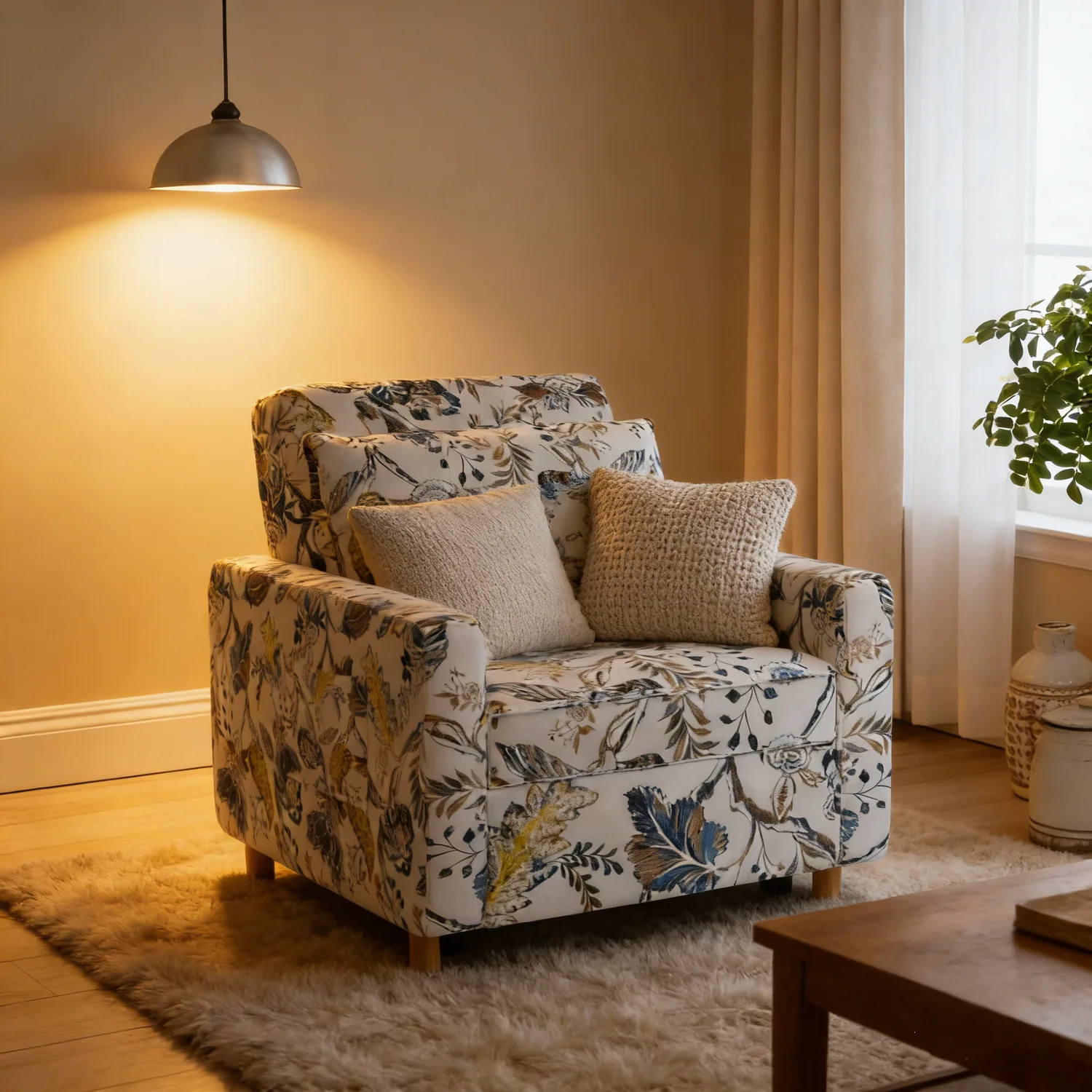
Floral Convertible Chair Bed 36" - Modern Scandinavian Sleeper Sofa for Small Spaces
YODOLLA · Featured in this article