We've all been there: you install solar lights with the best intentions, only to find your yard looking like a runway at night—or worse, a sad constellation of dimly glowing plastic orbs that scream "clearance aisle." The promise of solar lighting is seductive: no wiring, eco-friendly energy, automatic operation. But the reality often falls short because most of us focus solely on function and forget that these fixtures are visible during the day and responsible for the entire after-dark atmosphere. The good news? Choosing solar lighting that performs beautifully after sunset while looking intentional during daylight hours isn't about spending more—it's about knowing what to look for.
Understand Light Quality, Not Just Brightness
The biggest mistake people make is equating lumens with success. Yes, brightness matters, but how that light disperses determines whether your space feels welcoming or interrogative. Solar lighting typically falls into three color temperature ranges: warm white (2700-3000K), neutral white (3500-4100K), and cool white (5000K+). For residential outdoor spaces, warm white almost always wins because it mimics the glow of traditional incandescent bulbs and candlelight—think golden rather than clinical.
Pay attention to beam angle, too. A narrow spotlight might highlight a specific tree beautifully, but scatter ten of them randomly and your yard becomes disjointed. Wider flood patterns create ambient washes of light that feel more cohesive. If you're considering path lighting, look for fixtures that cast light downward and slightly outward rather than creating bright spots on the ground—you want gentle guidance, not a landing strip.
The solar panel efficiency directly impacts how these lights perform after dark. Premium monocrystalline panels charge faster and more completely than polycrystalline alternatives, meaning your lights reach full brightness sooner and maintain it longer into the night. This becomes especially important during shorter winter days when charging time is limited.
Choose Fixtures That Earn Their Daytime Presence
Solar lights occupy your outdoor space 24/7, but they only illuminate for a fraction of that time. This means their design during daylight hours matters enormously. Too many options resemble utilitarian equipment rather than considered design elements. The best solar lighting looks like intentional decor even when dormant.
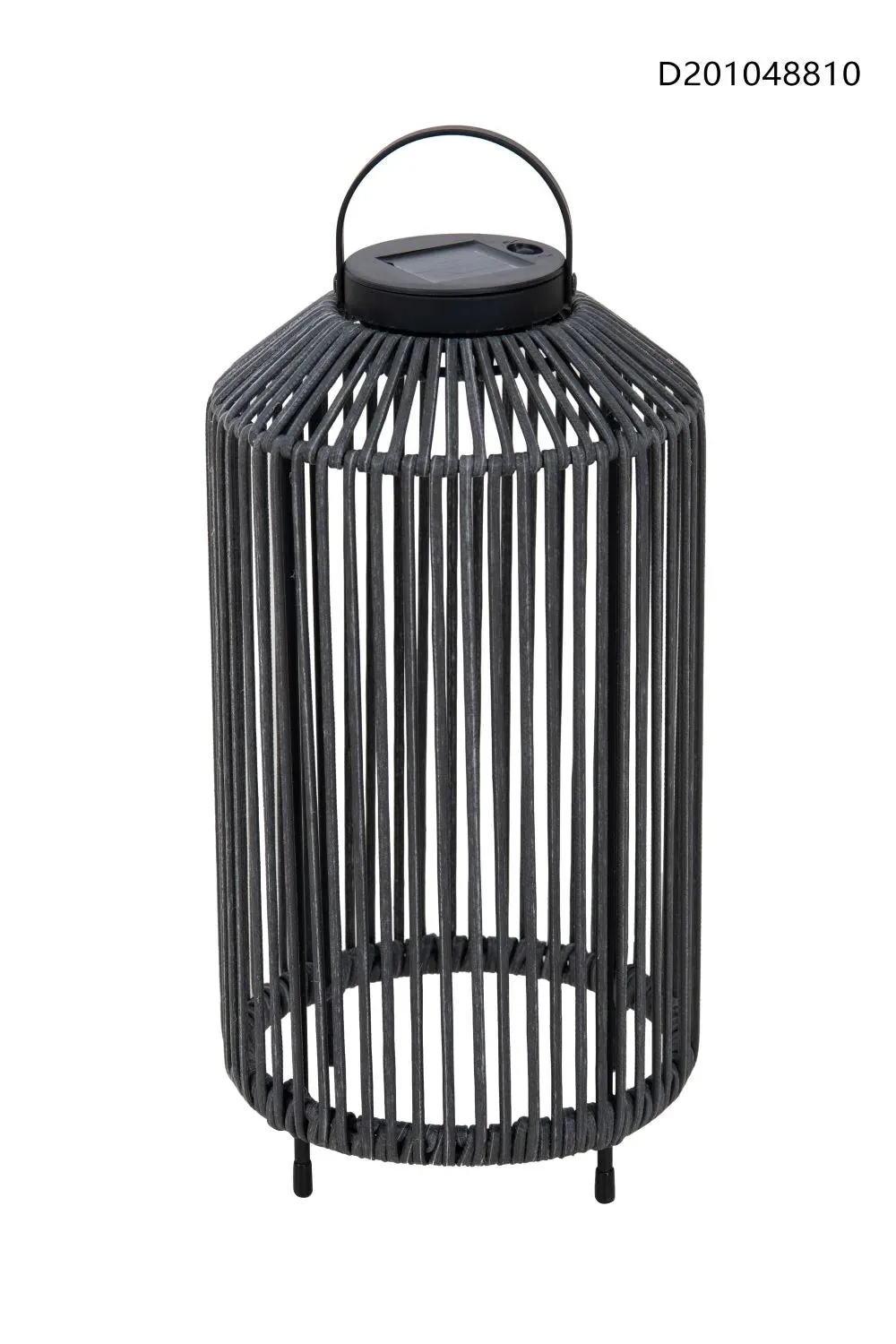
Consider materials that complement your existing outdoor aesthetic. If your space leans traditional, fixtures with bronze or copper finishes and classic silhouettes integrate seamlessly. Modern yards benefit from matte black metals, clean geometric shapes, and minimal ornamentation. The 25-in Black Solar Lantern exemplifies this principle—its substantial height and lantern profile read as decorative sculpture during the day, then transform into a focal point after dark without screaming "solar panel attached."
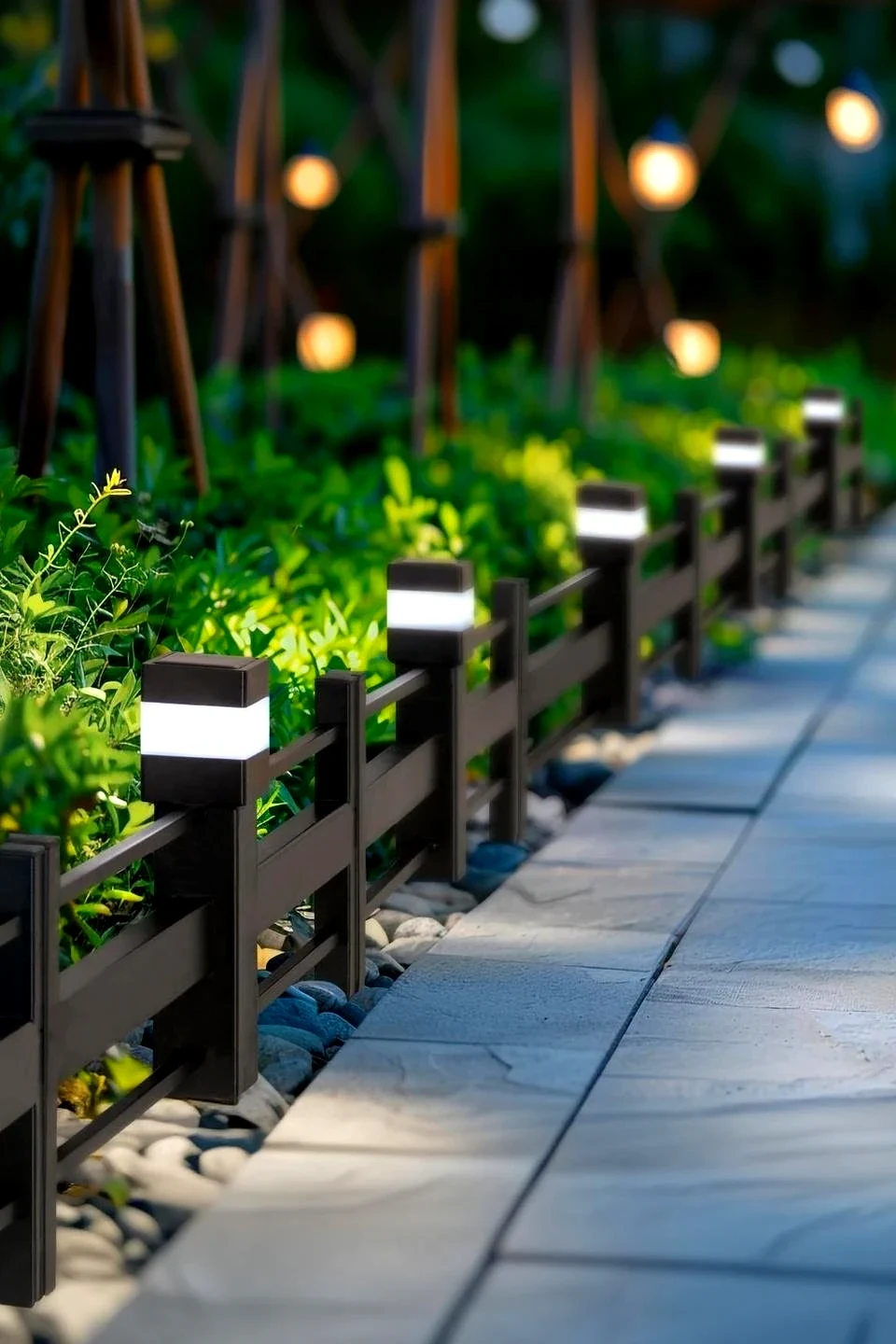
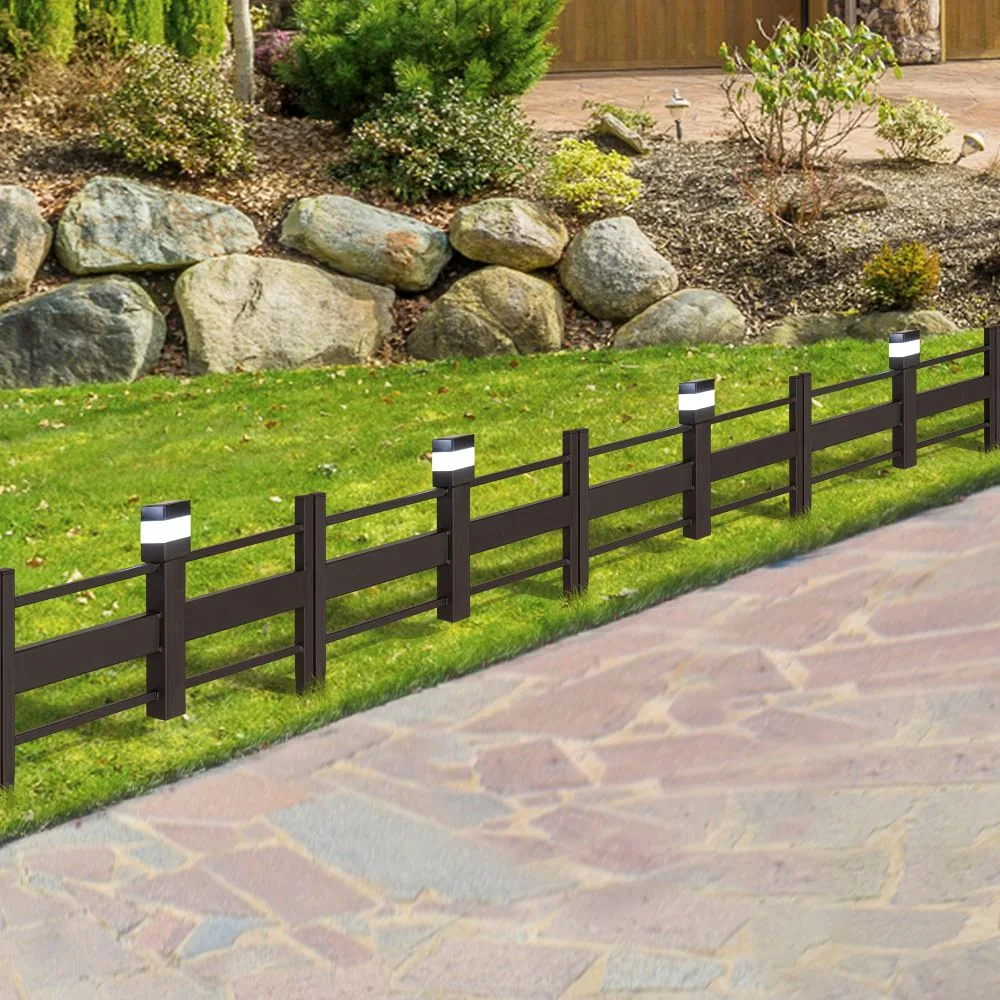
For perimeter lighting, think beyond basic stakes. Integrated solutions like the Solar-Lit Garden Border Fence serve double duty as both structural edging and illumination, eliminating the need for separate fixtures that can look scattered or afterthought. When lighting performs a secondary function—defining space, providing architectural interest, holding plants—it justifies its visual footprint during non-illuminated hours.
Avoid fixtures where the solar panel dominates the design. Manufacturers have gotten better at integrating panels into the overall form, but plenty of options still feature disproportionately large black rectangles perched awkwardly on top. Look for designs where the panel sits flush, angles naturally with the fixture's profile, or hides within the structure entirely.
Create Layers, Not Uniformity
The difference between professional-looking outdoor lighting and amateur attempts often comes down to layering. Just as interior spaces need ambient, task, and accent lighting, outdoor areas benefit from multiple types working together. Relying on a single fixture type—whether that's path lights, string lights, or spotlights—creates monotony and limits your after-dark flexibility.
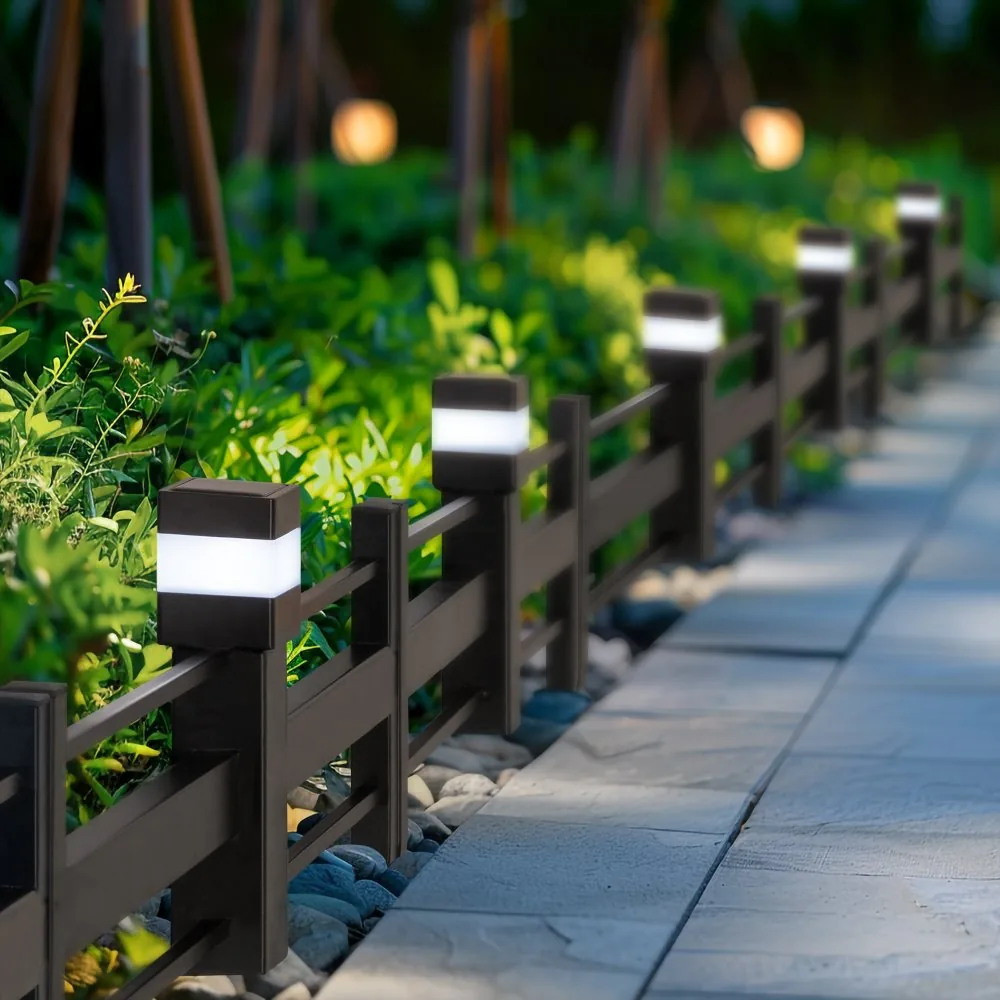
Solar-Lit Garden Border Fence - Transform Your Outdoor Space with Elegant Metal Edging
Sunjoy · Featured in this article
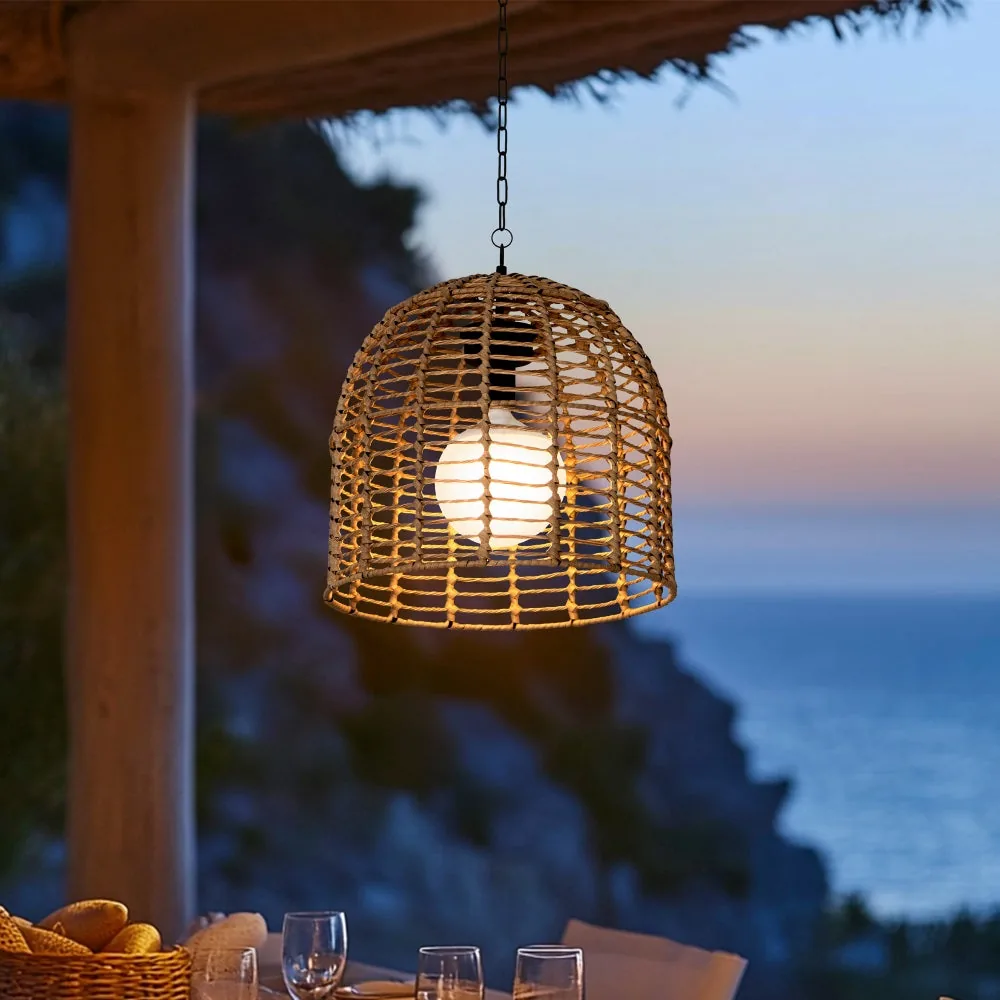
Start with ambient lighting that establishes the overall mood. This might be solar lamps positioned along a fence line, wall-mounted lanterns flanking a doorway, or an overhead fixture like the Elegant Wicker Outdoor Chandelier with Remote that bathes a seating area in soft, diffused light. These create your foundation—the general visibility that makes the space usable and welcoming.
Next, add task lighting for specific activities. If you have an outdoor dining area, consider adjustable solar spots that illuminate the table surface without glaring into eyes. Cooking stations need focused downlight on prep surfaces. Reading nooks benefit from dedicated fixtures that provide adequate brightness for printed pages.
Finally, introduce accent lighting to create visual interest and depth. This is where you highlight architectural details, specimen plants, water features, or art pieces. Uplighting a tree trunk creates dramatic shadows in the canopy. Grazing light across textured stone reveals dimension that disappears in flat illumination. These accent moments transform ordinary yards into landscapes worth lingering in after sunset.
The remote control functionality found in options like the Black Wicker Outdoor Chandelier with Remote adds another layer of flexibility—you can adjust brightness levels throughout the evening as needs change from dinner to conversation to winding down.
Match Fixture Scale to Your Space
Proportions matter more than most people realize. Undersized fixtures disappear visually and provide insufficient light; oversized ones overwhelm the space and create harsh pools of illumination surrounded by deep shadows. The key is matching fixture scale not just to the physical area but to the visual weight of surrounding elements.
For path lighting, consider the width of your walkway and the height of adjacent plantings. Standard 12-15 inch stakes work for narrow paths bordered by low groundcovers, but a wider garden path flanked by taller perennials needs more substantial fixtures—think 20-30 inches—to maintain visual presence. Space them according to their output: high-quality solar path lights typically need 6-8 feet between fixtures, while less powerful options might require 4-5 feet to avoid dark gaps.
Overhead or elevated fixtures need even more careful consideration. A small lantern might look charming on a table, but hang it over a generous patio and it reads as insufficient. Conversely, a grand chandelier-style fixture dwarfs a compact bistro set. Measure your space and consider fixture dimensions in relation to the square footage they'll serve. A useful rule of thumb: your fixture diameter in inches should roughly equal one-quarter of your space's width in feet (so a 12-foot-wide patio suits a 36-inch fixture).
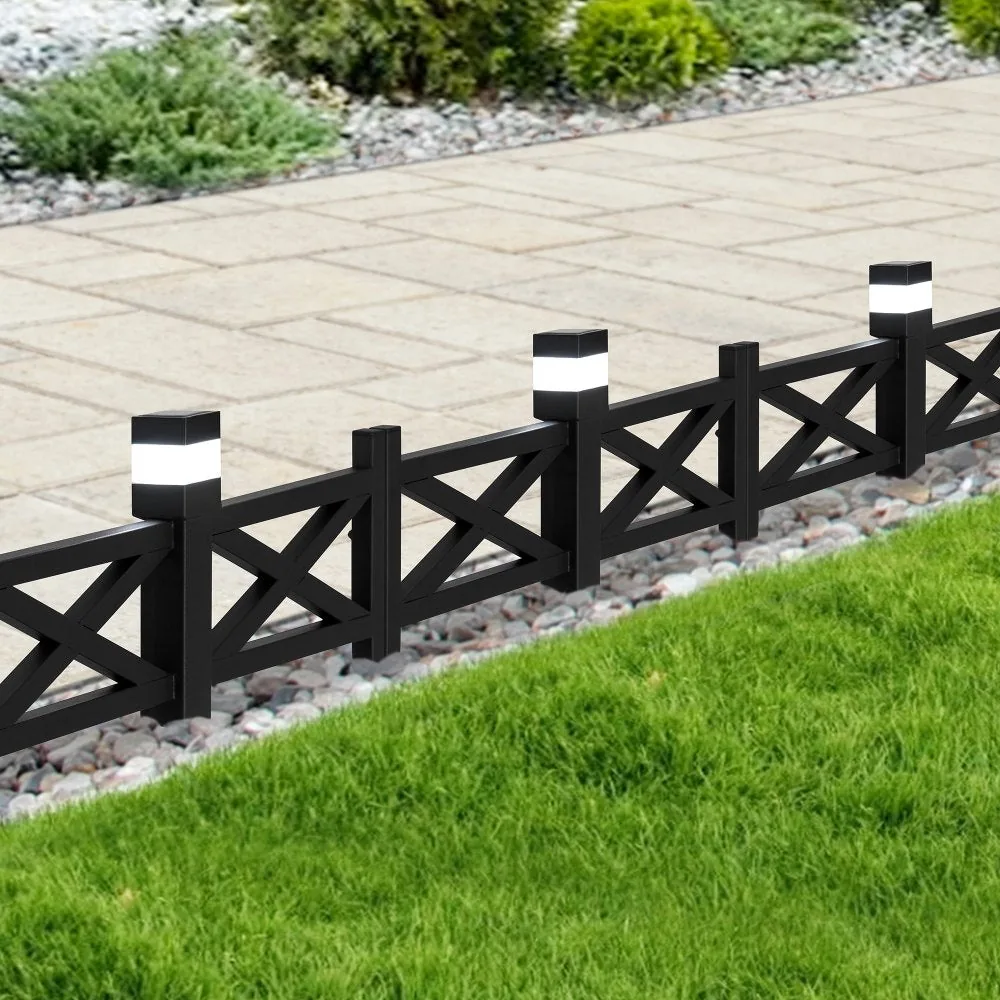
For architectural installations like fence-integrated lighting, the repetition creates its own rhythm. The Transform Your Garden with Elegant Solar-Lit Metal Fence Panels works because the consistent spacing and height create visual order rather than randomness—your eye reads it as intentional design rather than scattered light sources.
Prioritize Adjustability and Control
The best solar lighting systems offer flexibility for different occasions and seasons. Not every evening requires the same ambiance, and weather patterns affect how much charge your fixtures accumulate. Look for options with adjustable brightness settings, multiple lighting modes (steady, flashing, dimming), or smart controls that let you customize output.
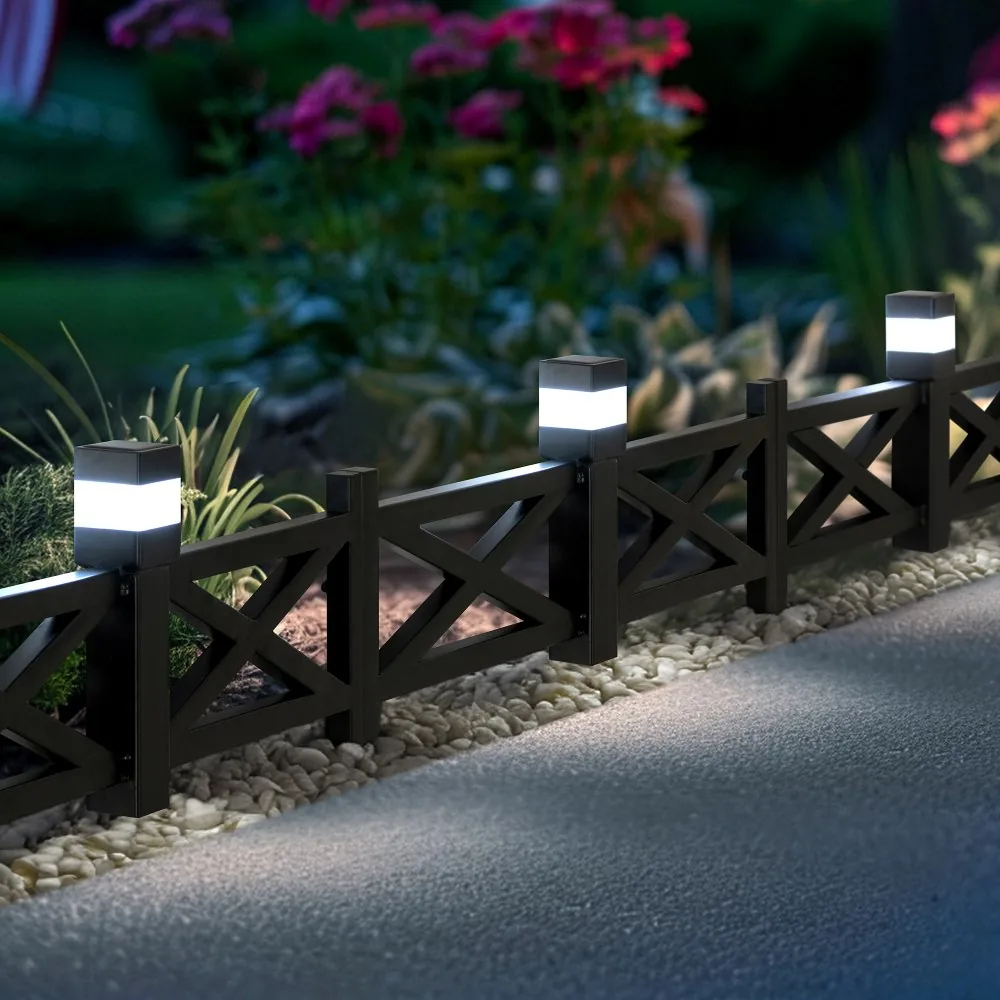
Transform Your Garden with Elegant Solar-Lit Metal Fence Panels - Create Your Dream Outdoor Space
Sunjoy · Featured in this article
Remote controls eliminate the need to physically access each fixture to make changes—particularly valuable for overhead or hard-to-reach installations. Some advanced solar fixtures now include smartphone connectivity, letting you schedule on/off times, adjust brightness remotely, or create different lighting scenes for entertaining versus everyday use.
Motion sensors add another dimension of control, especially for safety-focused applications. Solar spots with motion activation conserve battery power by operating at low output until movement triggers full brightness. This extends runtime while still providing security benefits. Just ensure motion-activated fixtures are positioned thoughtfully—you don't want every passing cat or windblown branch triggering lights that face your bedroom windows.
Adjustable solar panels deserve mention here too. Some fixtures allow you to angle the panel independently from the light source, maximizing sun exposure even when the fixture itself sits in a shaded location. This flexibility often makes the difference between marginal performance and reliable all-night illumination.
Test and Iterate Without Guilt
Perhaps the most liberating advice: treat your initial solar lighting arrangement as a working draft rather than a permanent installation. The beauty of solar fixtures is their portability—no electrical work means repositioning is genuinely easy. Give your first layout a few weeks, observe how it performs in practice, then adjust.
Pay attention to which areas feel under-lit or over-lit. Notice whether certain fixtures charge adequately or struggle due to shade patterns you didn't anticipate. Observe sight lines from inside your home—do certain lights glare through windows, or do they create pleasant views? Track how long fixtures stay illuminated; if some fade hours before others, they may need repositioning to catch more sun or replacement with higher-capacity models.
Don't hesitate to remove fixtures that aren't working. One well-placed, high-quality solar lantern creates more impact than five mediocre ones scattered randomly. As you refine your outdoor lighting design, you'll likely find that fewer, better-chosen fixtures produce superior results to maximum fixture density.
Maintenance Matters for Longevity
Even the best-designed solar lighting falters without basic maintenance. Clean solar panels monthly with a soft cloth and mild soap solution—accumulated dust, pollen, and debris can reduce charging efficiency by thirty percent or more. Check battery compartments seasonally for corrosion, and replace rechargeable batteries every two to three years even if fixtures still operate (diminished capacity means shorter runtime and dimmer output).
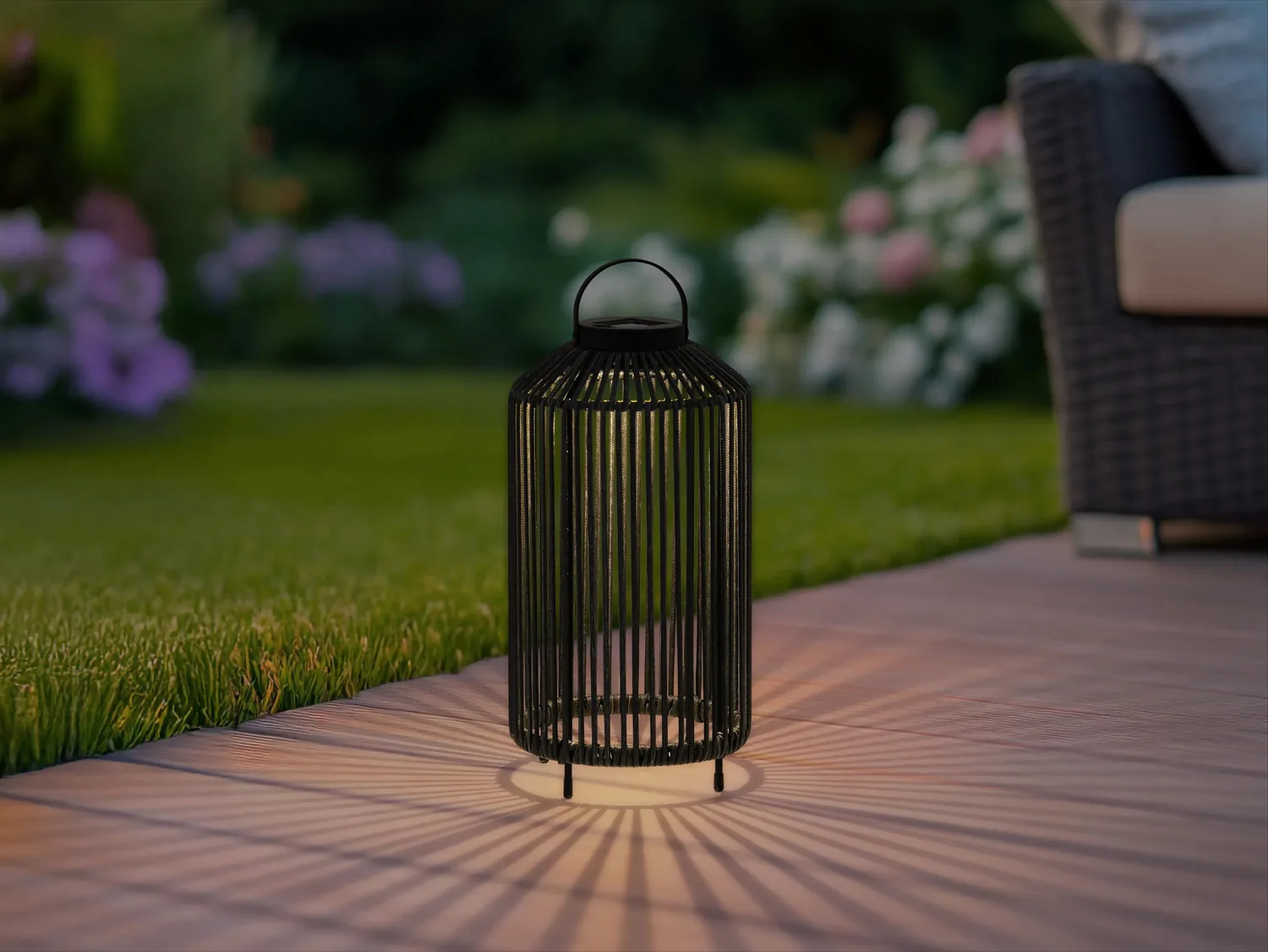
Transform Your Evenings: 25-in Black Solar Lantern - Elegant Outdoor Ambiance
Sunjoy · Featured in this article
Trim vegetation that grows to shade panels over time. That small shrub planted nearby may have seemed harmless initially, but as it matures, it could block critical afternoon sun. Similarly, watch for tree canopy expansion that gradually reduces light exposure. The location that worked perfectly in spring might underperform by late summer.
For additional insights on maximizing solar lighting performance throughout the seasons, our article on extending solar lamp battery life during winter months offers practical strategies for year-round success.
Choosing solar lighting that looks genuinely good after dark requires thinking beyond the fixture itself to consider light quality, daytime aesthetics, spatial relationships, and operational flexibility. When these elements align, solar lighting transcends its utilitarian reputation and becomes a legitimate design tool that shapes how you experience outdoor spaces after sunset. The right fixtures don't just illuminate—they transform.
The following section addresses frequently asked questions about selecting and styling outdoor solar lighting.
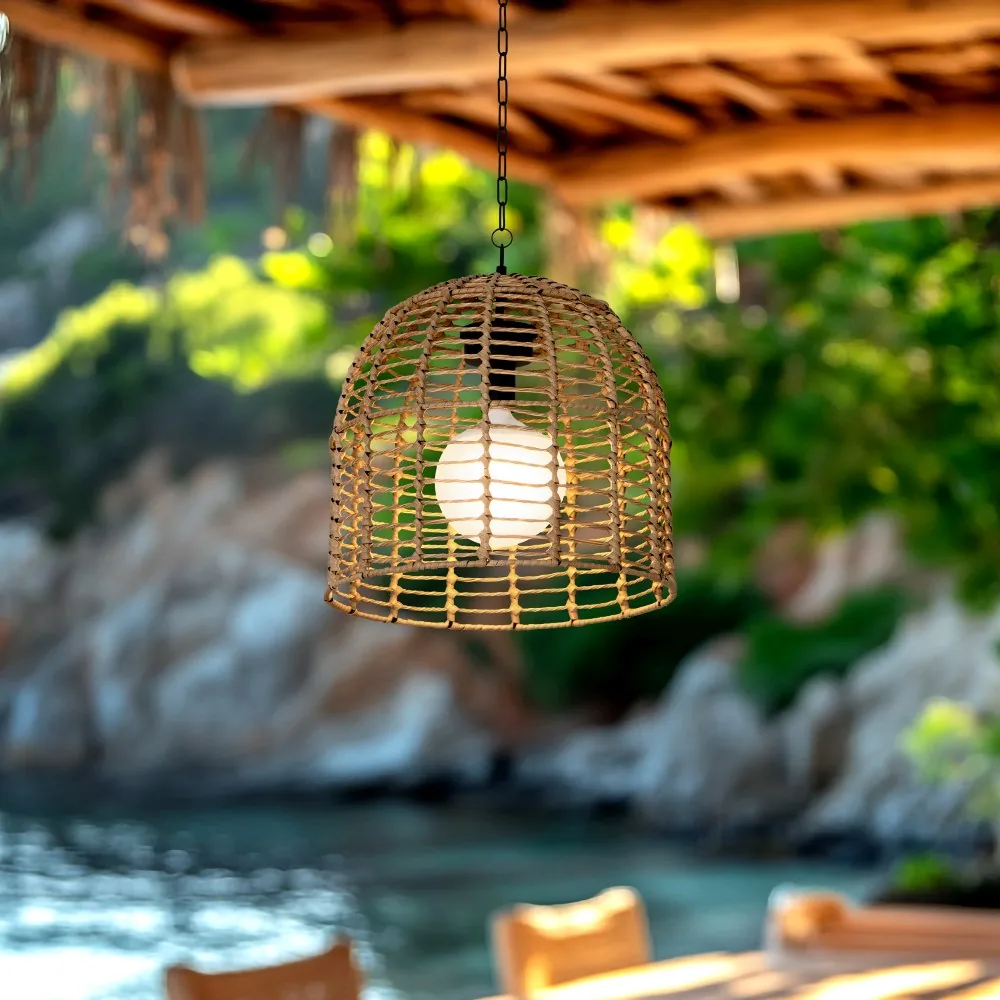
Elegant Wicker Outdoor Chandelier with Remote - Transform Your Patio into Paradise
Sunjoy · Featured in this article
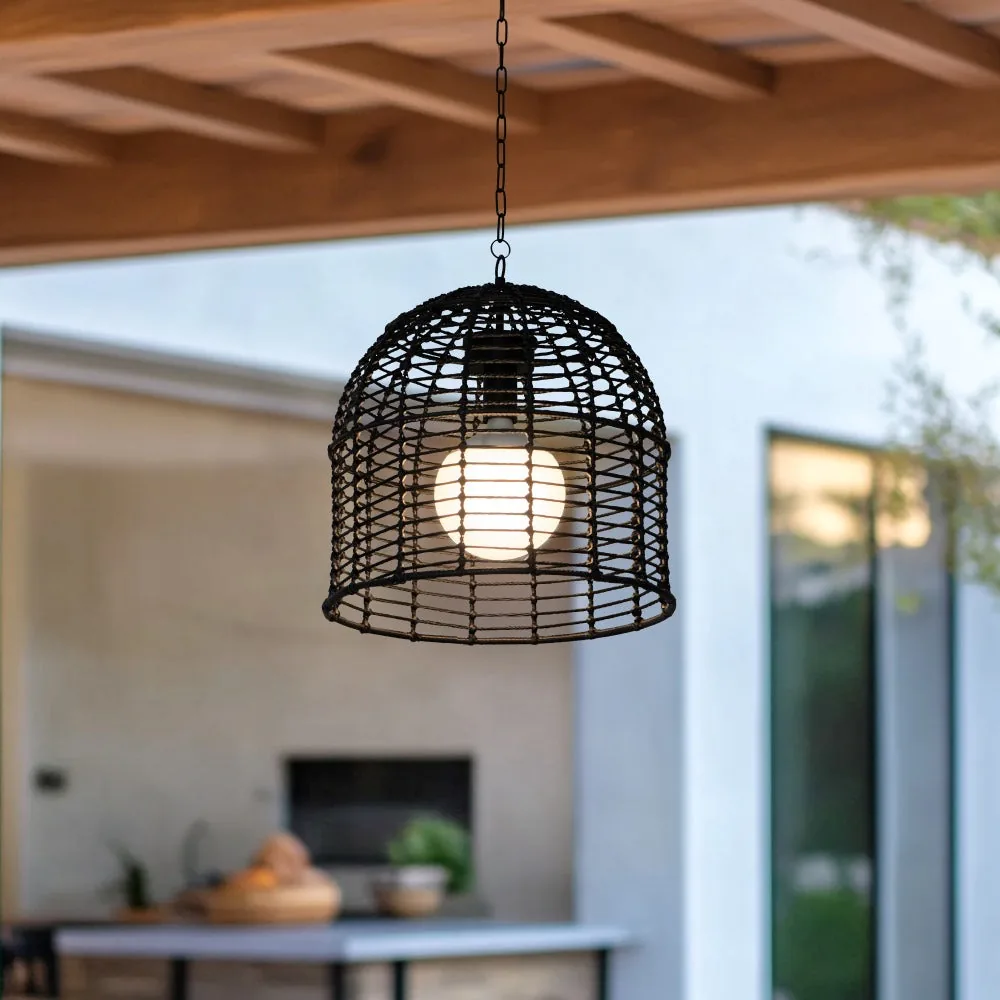
Black Wicker Outdoor Chandelier with Remote - Transform Your Patio into a Luxury Retreat
Sunjoy · Featured in this article