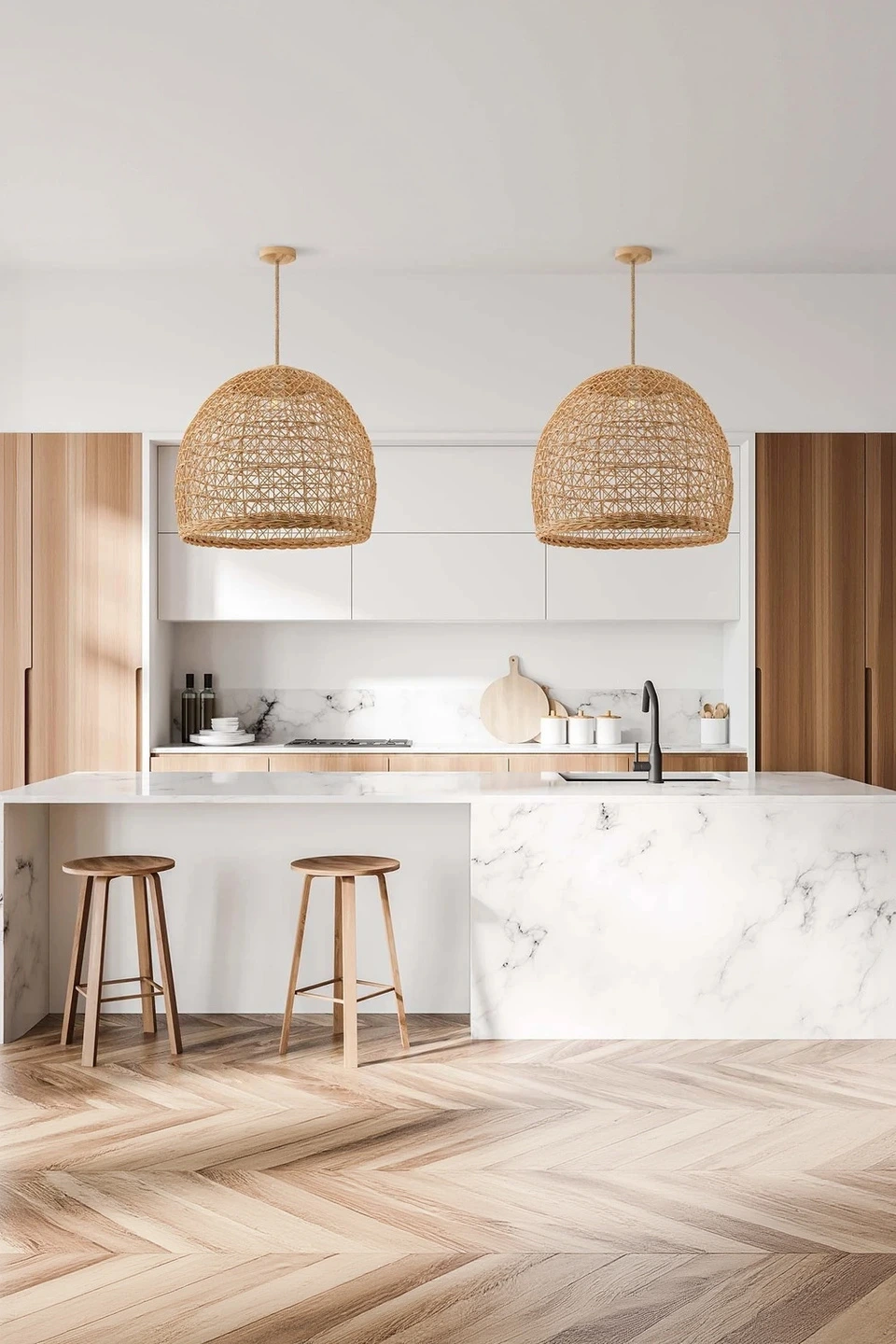
Small spaces demand thoughtful lighting decisions—ones that enhance the room's proportions rather than overwhelm them. When you're working with limited square footage, the choice between rattan pendants and sconces becomes particularly nuanced. Both fixture types bring that relaxed, textural quality that defines boho style, but they serve fundamentally different spatial purposes. The right choice depends on your ceiling height, floor plan configuration, how you use the space, and what other furniture competes for visual real estate. Understanding these distinctions helps you create a layered, functional lighting scheme that makes your compact room feel both larger and more intentional.
Understanding the Spatial Footprint of Each Fixture Type
Rattan pendants claim vertical territory. They descend from the ceiling, creating zones of light that draw the eye downward and establish focal points within a room. In a small space, this vertical emphasis can actually work in your favor—it accentuates ceiling height and creates visual interest in the upper third of the room, an area often neglected in compact layouts. However, pendants require clearance. You need adequate headroom above dining tables, kitchen islands, or seating areas to prevent collisions and maintain comfortable sightlines.
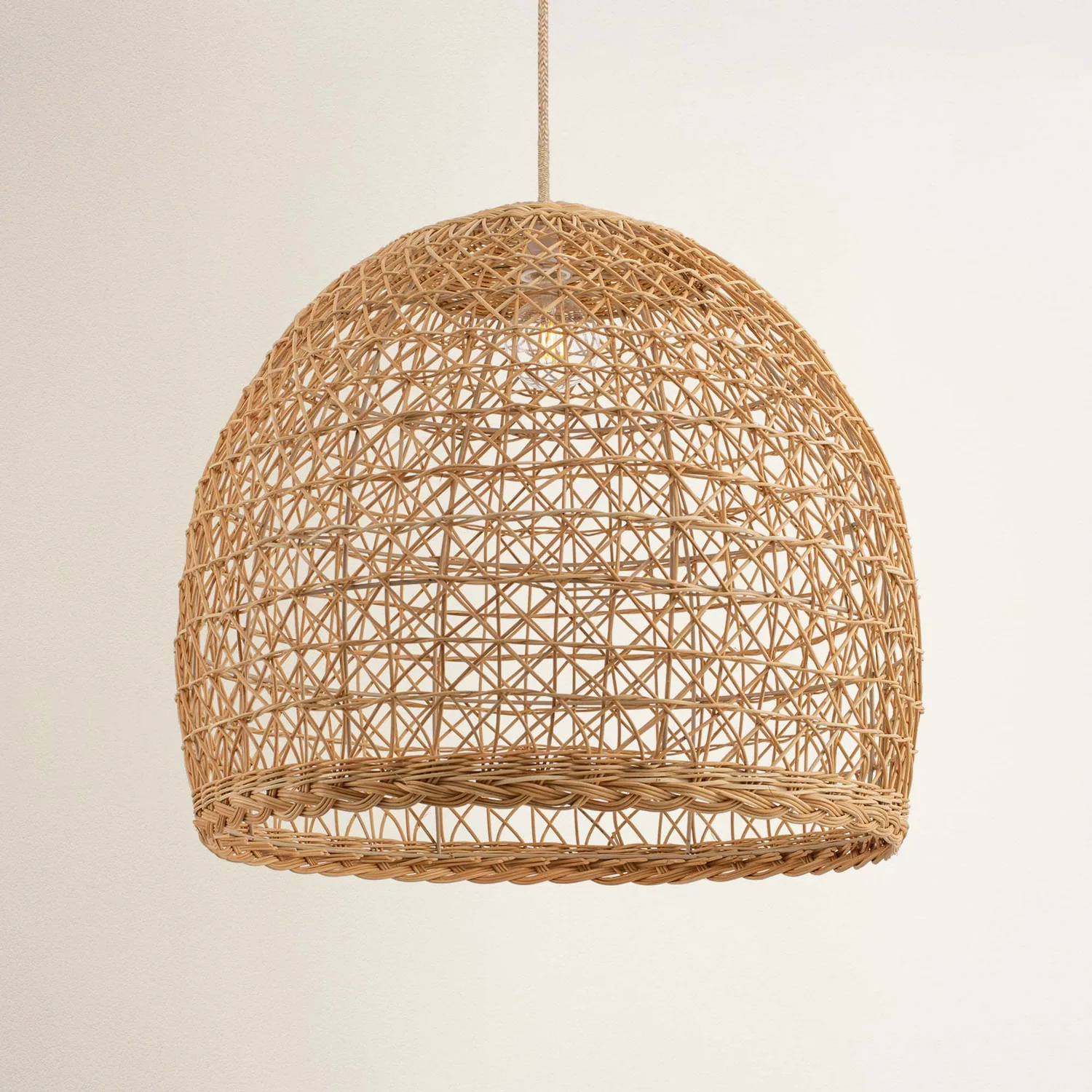
Sconces, by contrast, occupy the wall plane. They free up your ceiling entirely while adding dimension to vertical surfaces that might otherwise feel flat or underutilized. In narrow hallways, tight bathrooms, or small bedrooms where floor space is precious, sconces provide ambient or task lighting without encroaching on movement paths. The Naia Rattan Sconce, for instance, projects light both upward and outward, creating a soft wash that makes walls recede visually—a useful trick when you're trying to expand the perceived dimensions of a confined area.
Ceiling Height as the Primary Decision Factor
If your small space has ceilings at eight feet or lower, sconces often emerge as the more practical choice. Pendants in low-ceilinged rooms can feel oppressive, particularly if they hang above areas where people stand or move frequently. The standard guideline suggests a minimum of 30 inches clearance between a pendant's lowest point and a table surface, which works fine in rooms with nine-foot ceilings but becomes problematic when you're working with less vertical room.
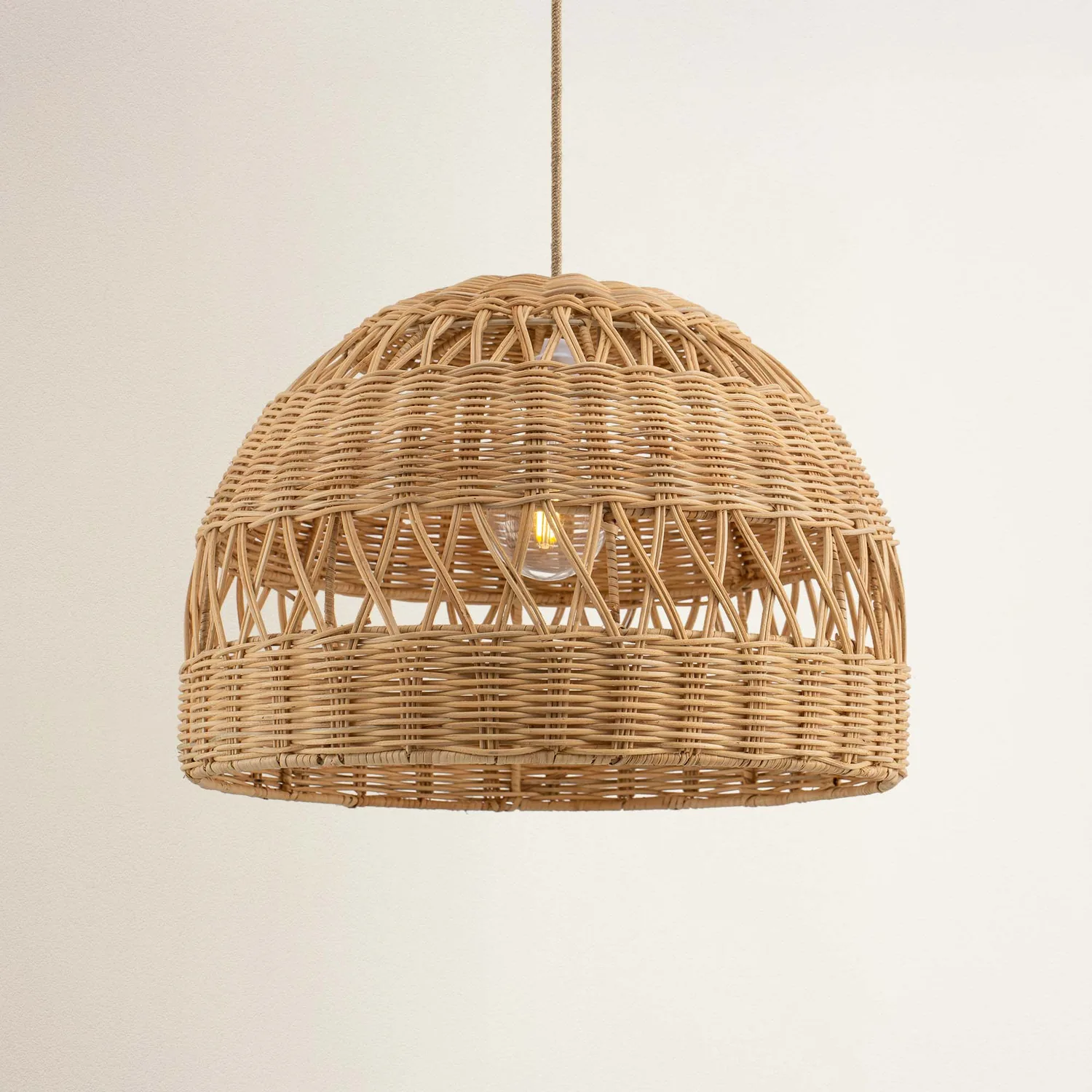
That said, petite rattan pendants specifically designed for compact spaces can still function beautifully even in lower-ceilinged rooms—you simply need to be strategic about placement. Above a small bistro table in a breakfast nook, a pendant creates an intimate dining zone without interfering with traffic flow. In corner reading areas or above nightstands, pendants define activity zones without requiring people to walk beneath them regularly. The key is ensuring that wherever the pendant hangs, it enhances the room's functionality rather than creating an obstacle course.
Higher ceilings in small-footprint spaces—think urban lofts or apartments with good bones—open up more options. Here, pendants become valuable tools for bringing the ceiling height down to a more human scale, preventing that awkward "shoebox stood on end" feeling. A clustered arrangement of two or three rattan pendants at varying heights can fill vertical space purposefully while maintaining that essential boho layering.
How You Use the Space Shapes Your Choice
Task-oriented spaces with defined work surfaces almost always benefit from pendants. A small kitchen with limited counter space needs focused light exactly where meal prep happens. A rattan pendant positioned over a compact island or peninsula delivers concentrated illumination while its woven shade softens the overall effect—avoiding the clinical feel of recessed cans alone. Similarly, a small home office or creative workspace gains both function and personality from a pendant suspended over the desk surface.
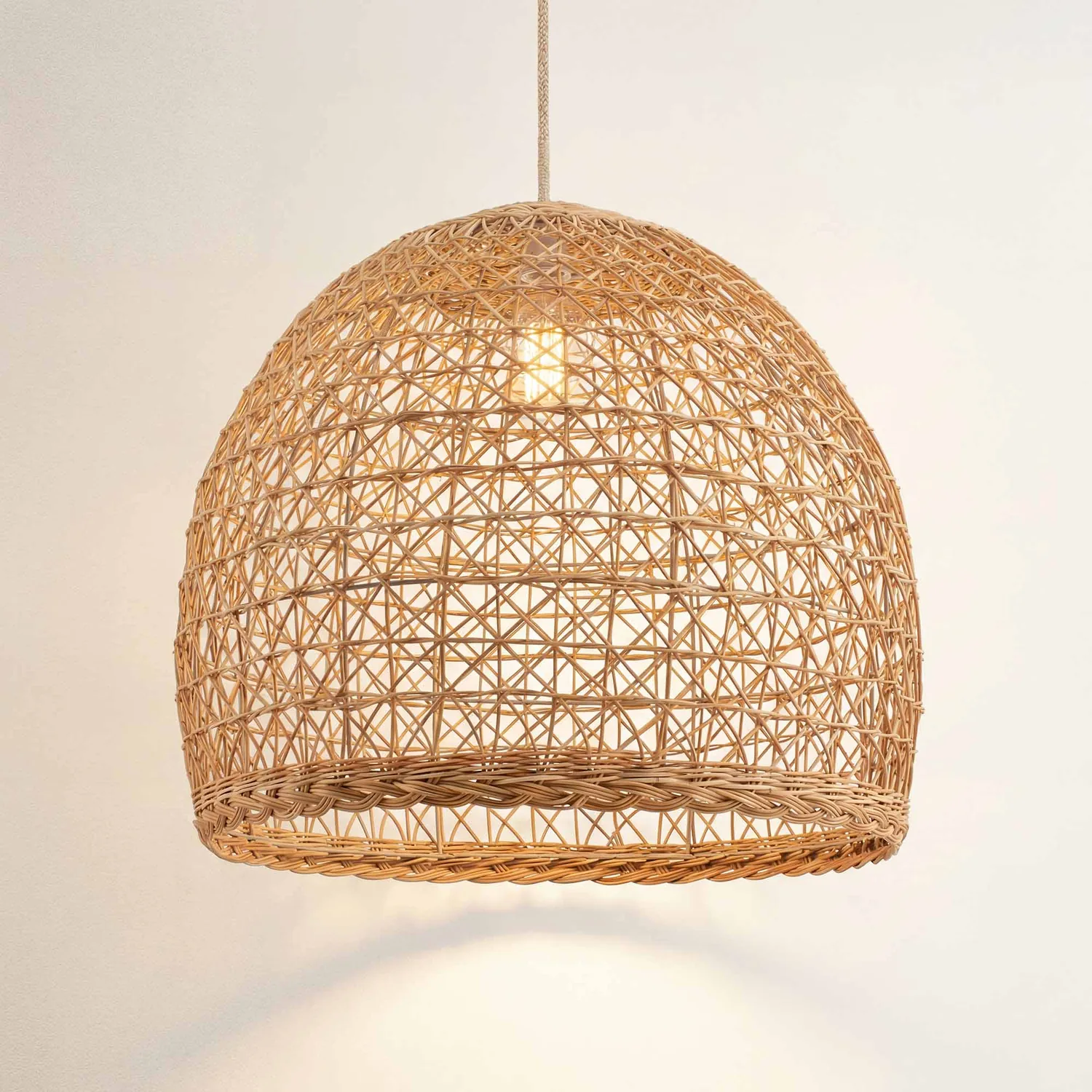
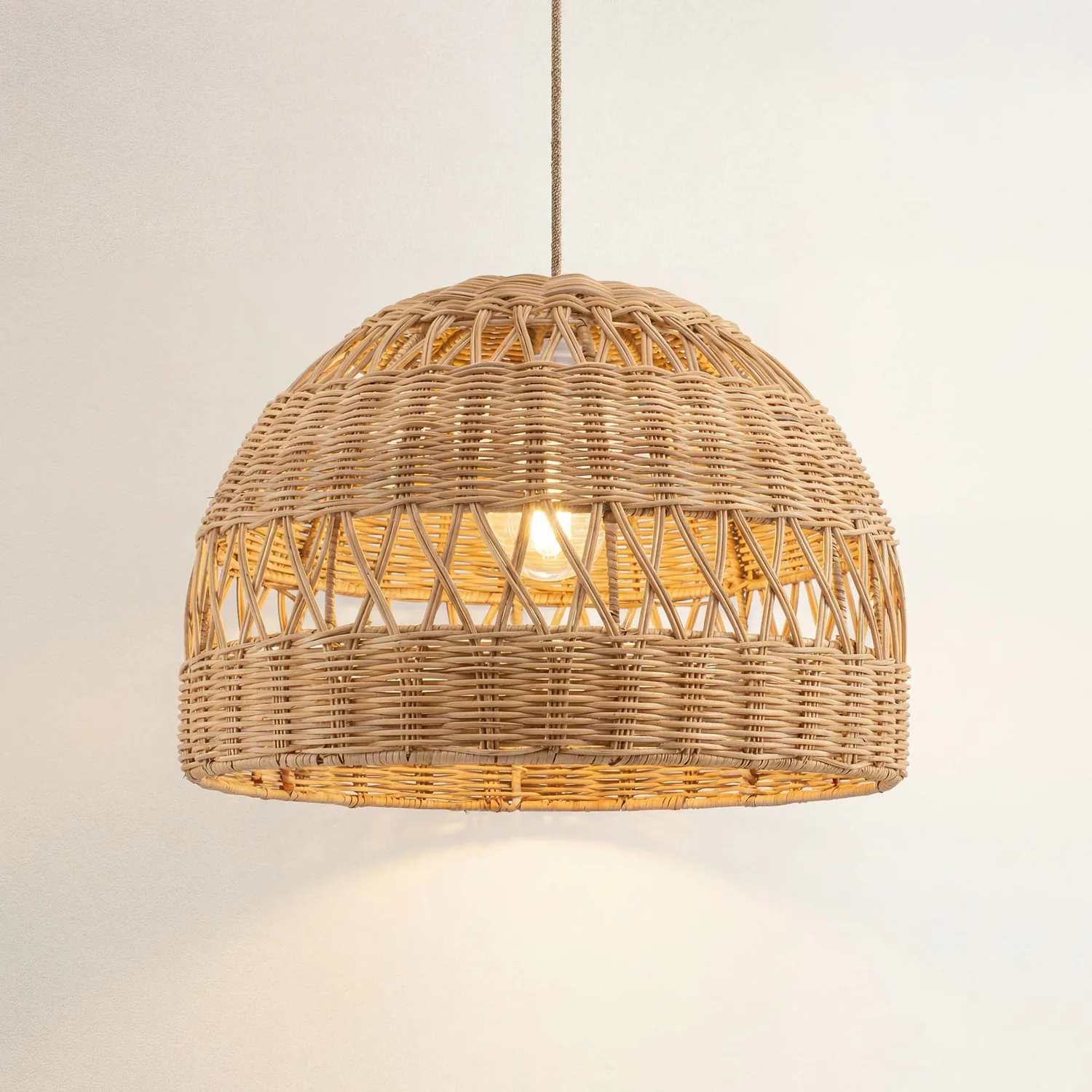
Lumiere Rattan Pendant Light
Rowabi · Featured in this article
The Lumiere Rattan Pendant Light works particularly well in these scenarios, as its open weave allows ambient light to filter through while still directing the majority of illumination downward where you need it most. This dual-purpose approach matters in small spaces where every fixture needs to pull double duty.
Conversely, rooms defined by perimeter activity—think small bedrooms where the action happens along the walls at the bed, dresser, and closet—often favor sconces. Bedside sconces eliminate the need for table lamps and their requisite nightstands, freeing up precious floor space. In a compact bathroom, sconces flanking the mirror provide shadowless task lighting for grooming without consuming the ceiling real estate you might need for an exhaust fan or statement fixture.
Transitional spaces like hallways, entryways, and stairwell landings present their own logic. These areas typically lack the width to accommodate hanging fixtures safely, making sconces the default choice. A series of rattan sconces marching down a narrow hallway creates rhythm and guides movement while their textural quality prevents the passage from feeling purely utilitarian.
Balancing Ambient and Accent Lighting Needs
Small spaces demand careful attention to lighting layers because you're trying to create depth and dimension where physical space is limited. Pendants excel at providing ambient light—the general illumination that fills a room. Their central position and omnidirectional light distribution (especially with woven rattan that allows light to escape through the weave) make them effective at raising overall light levels throughout a space.
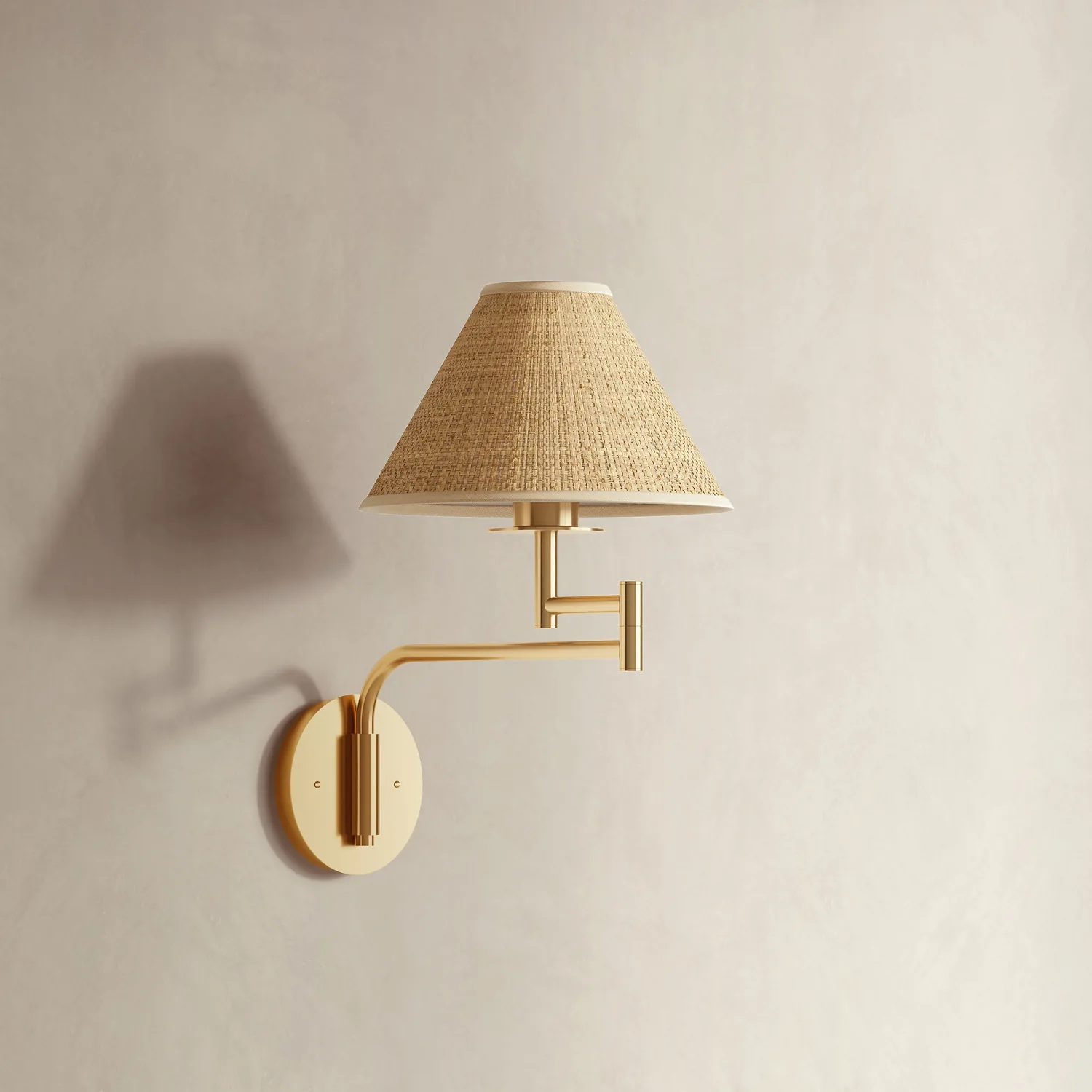
Sconces, however, shine as accent fixtures. They highlight architectural features, create visual interest on blank walls, and establish pockets of warmth that prevent a small room from feeling monotonous. When you incorporate sconces into your boho lighting scheme, you're adding complexity without adding clutter—the fixtures themselves become decorative elements that contribute to the room's aesthetic identity.
The most successful small-space lighting plans often combine both fixture types strategically. A rattan pendant might serve as the primary light source in a compact living room, while a pair of sconces flanking a gallery wall or positioned beside a bookshelf adds supplemental illumination and visual balance. This layered approach mimics the complexity of larger, more naturally proportioned rooms, tricking the eye into perceiving greater spaciousness.
Installation Flexibility and Electrical Considerations
The practical realities of installation often influence the pendant-versus-sconce decision more than aesthetic preferences. Pendants require a ceiling junction box positioned exactly where you want the fixture to hang. In rental situations or spaces where you're reluctant to hire an electrician, this limitation can be significant. While you can relocate a pendant using a swag hook and cord, the draped cord along the ceiling rarely achieves the clean look that makes boho style feel intentional rather than haphazard.
Radiant Rattan Pendant Light
Rowabi · Featured in this article
Sconces offer marginally more flexibility because wall-mounting often feels less permanent than ceiling fixtures, though they too require hardwiring in most cases. If you're working with existing electrical infrastructure, you're essentially locked into whatever locations previous occupants or builders established. Battery-operated sconces exist but typically lack the substantive presence and quality of light that hardwired rattan fixtures provide.
For renters or commitment-phobes, plug-in sconces with visible cords styled as intentional design elements can work within a boho framework—the organic, slightly undone quality of boho style is more forgiving of exposed cords than minimalist or traditional aesthetics. Similarly, a pendant light with a decorative cord and ceiling canopy can become a feature rather than a compromise, particularly if the cord color complements your wall treatment.
Proportional Considerations and Visual Weight
Rattan naturally carries visual weight due to its texture and dimensionality. A large pendant in a small room can anchor the space beautifully—or dominate it uncomfortably. The difference often comes down to inches. A pendant with a 16-inch diameter reads as substantial and grounding in a 10x12 bedroom; a 24-inch pendant in the same room might feel like a UFO landing.
Sconces by nature occupy less visual space, but their impact accumulates when you use multiples. A single sconce beside a bed maintains modest proportions; four sconces distributed around a small room's perimeter create a more pronounced presence. When evaluating visual weight, consider the negative space around each fixture. Does the rattan weave feel airy and transparent, or dense and opaque? Open-weave designs maintain lightness even at larger scales, while tightly woven rattan can appear solid and heavy.
The Radiant Rattan Pendant Light demonstrates this principle effectively—its construction allows you to see through the shade to the ceiling beyond, preventing it from becoming a visual dead-end that stops the eye and makes the room feel smaller.
Special Case: Multi-Functional Small Spaces
Studio apartments and multi-purpose rooms present unique challenges where the pendant-sconce decision becomes about defining separate zones within a continuous space. Here, pendants function as spatial dividers. A rattan pendant over a small dining table signals "eating area" even when that table sits mere feet from the sofa. The pool of light it creates establishes psychological boundaries that help a single room accommodate multiple functions without feeling chaotic.
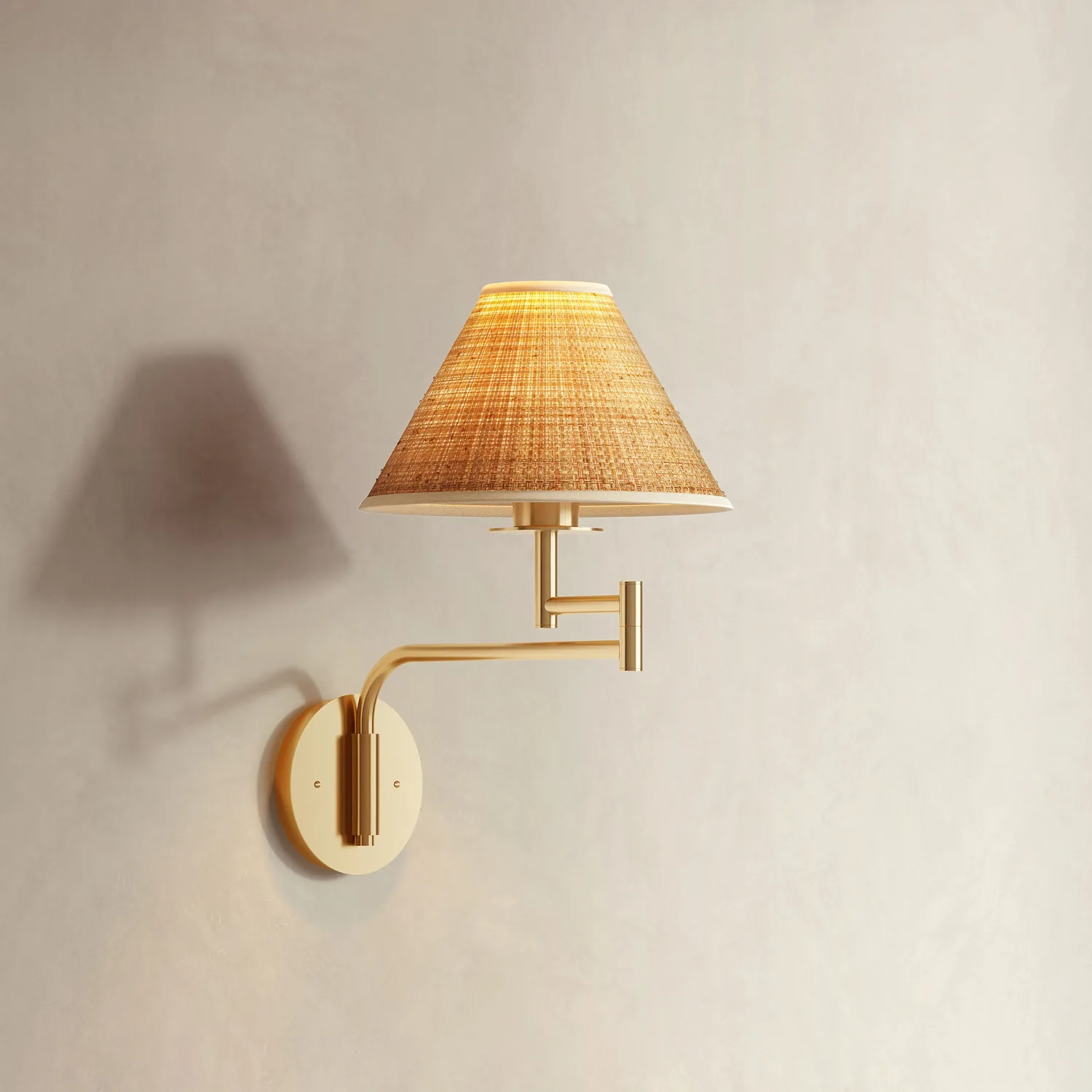
Naia Rattan Sconce
Rowabi · Featured in this article
Sconces in these scenarios work best as supporting players. They might illuminate a makeshift workspace carved out in a corner, provide reading light beside a daybed that doubles as seating, or highlight a room divider or bookshelf that helps separate living and sleeping zones. The key is ensuring sconces don't compete with your primary pendant for attention—they should feel like part of an orchestrated whole rather than random fixtures scattered around the perimeter.
Making the Final Decision
Start by sketching your space from above and marking existing electrical boxes, furniture footprints, and traffic patterns. Where do you need concentrated task light? Where would ambient illumination prove most useful? Are there walls that feel blank or opportunities to highlight specific features?
If you identify a clear central zone that would benefit from overhead light, and you have the ceiling height to accommodate a pendant comfortably, that fixture type likely serves you best. If your needs are more distributed, your ceilings are low, or your space is already visually busy at eye level, sconces probably offer a better solution. And if you're genuinely torn—or if your space demands both types of illumination—trust that instinct. Small spaces can absolutely accommodate both pendants and sconces when each serves a distinct purpose and the overall design remains cohesive.
The following frequently asked questions address additional considerations that often arise when selecting between these two fixture types for compact living areas.
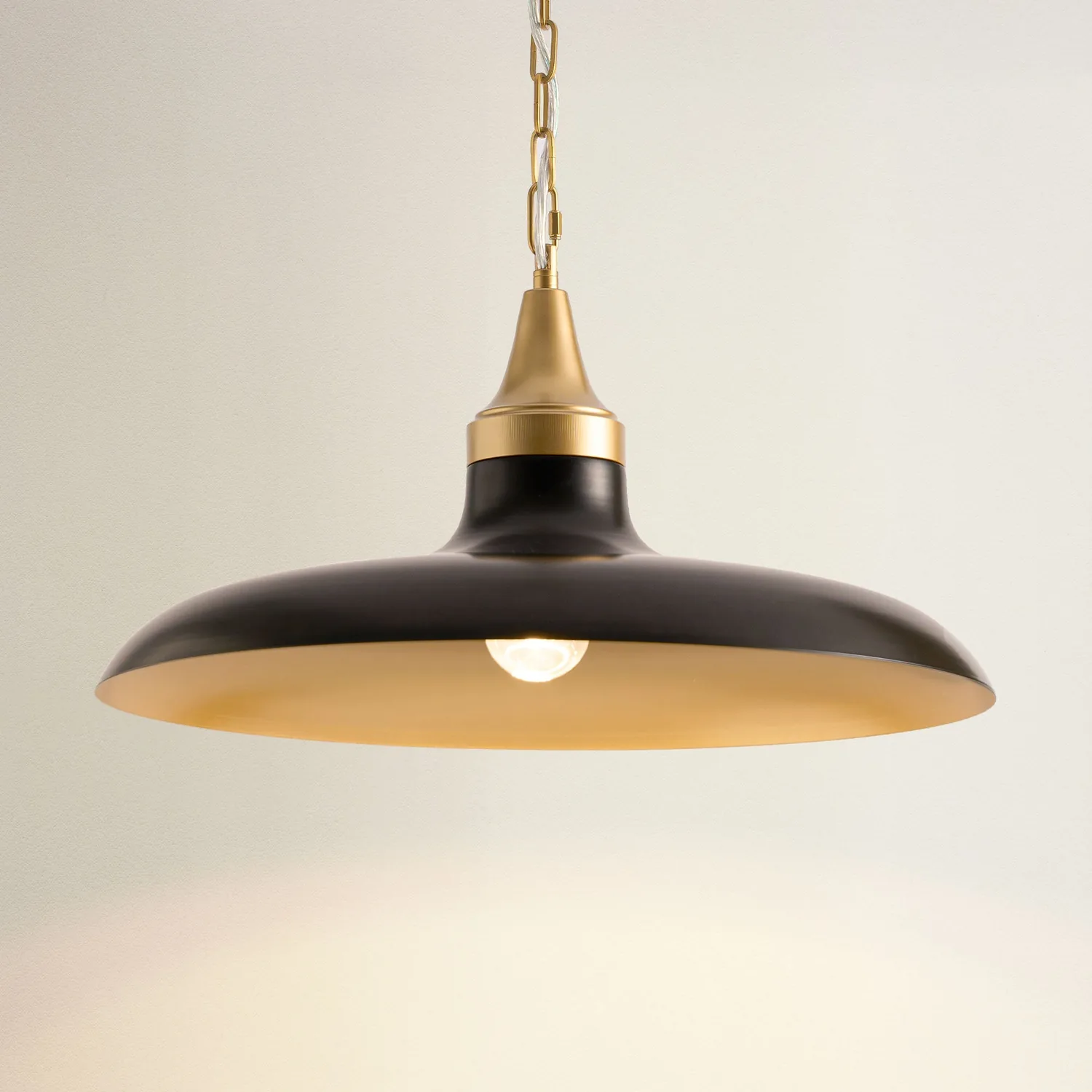
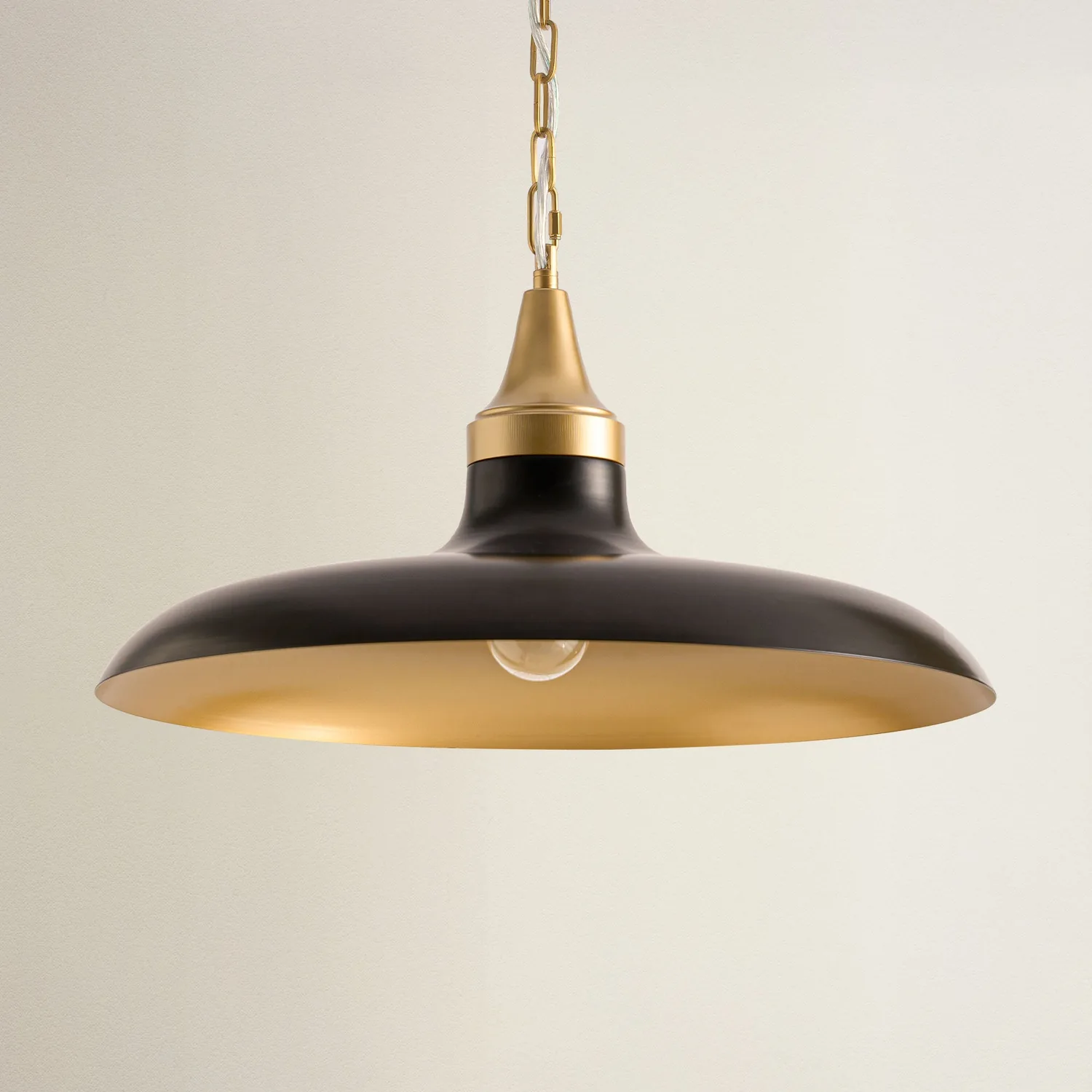
Natalia Black Dome Pendant Light
Rowabi · Featured in this article
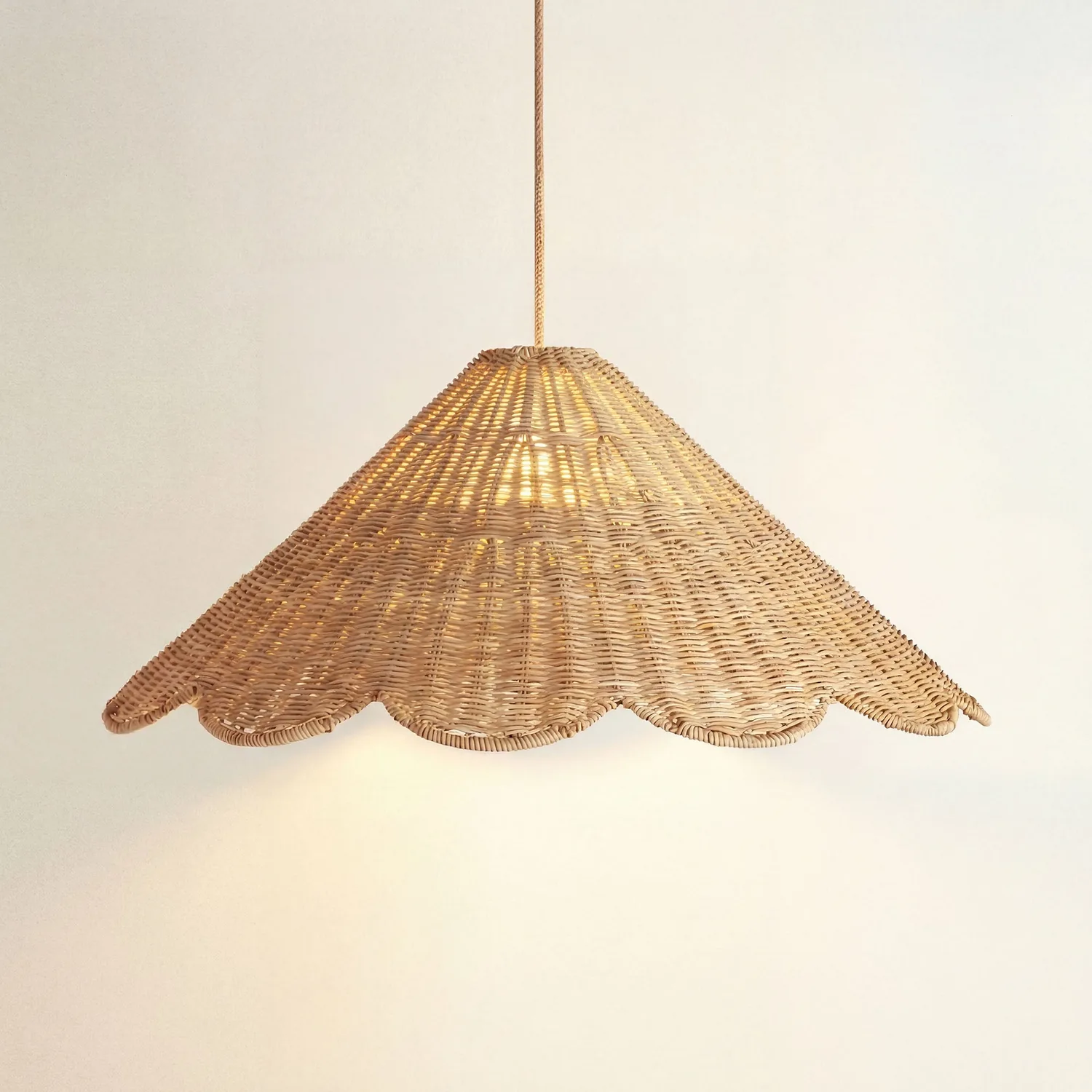
Outdoor Daisy Cone Rattan Pendant Light
Rowabi · Featured in this article