There's something primal about gathering around fire and food—a ritual that transforms ordinary evenings into memorable experiences. Creating a dedicated grilling zone anchored by a fire pit elevates your backyard from functional space to true outdoor living destination. This isn't about cramming a grill next to a fireplace and calling it done. It's about designing a cohesive zone where cooking, conversation, and comfort flow naturally, where your outdoor living setup becomes an extension of your home's personality.
Choosing Your Fire Pit Foundation
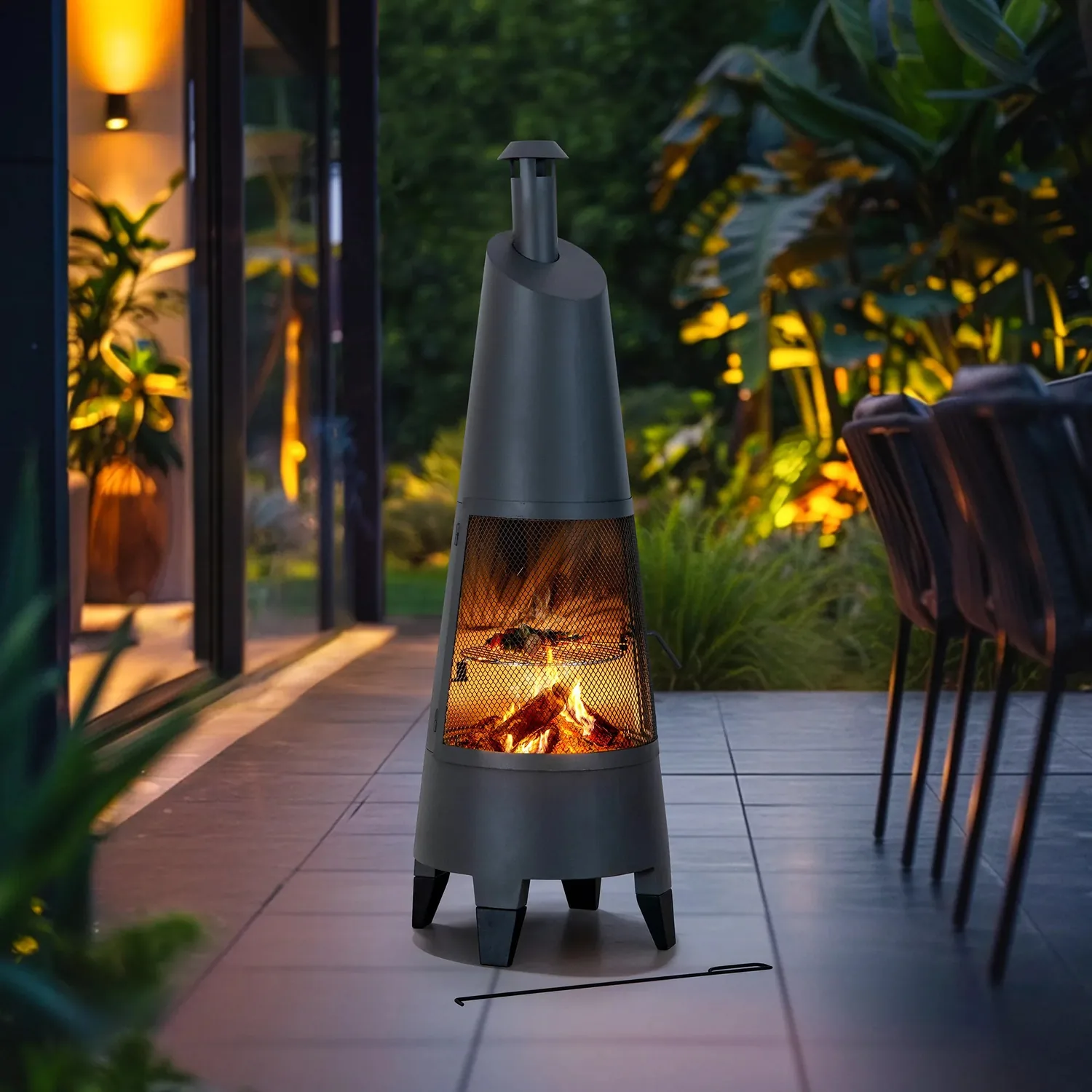
The fire pit serves as your zone's anchor—both literally and figuratively. You'll want to consider a design that pulls double duty. The SUNJOY 57 Inch 2-in-1 Chiminea Fire Pit & Grill with Removable Grill Grate and PVC Cover exemplifies this versatility, offering both ambiance and cooking capability in one footprint. This approach makes particular sense for smaller yards where every square foot counts.
Position matters more than most people realize. Your fire pit should sit at least fifteen feet from structures, overhanging branches, and property lines—both for safety and smoke management. Think about prevailing winds in your yard. There's nothing worse than designing a beautiful grilling zone only to discover the smoke perpetually blows directly into your neighbor's bedroom window or your own seating area.
The ground beneath requires attention too. Permanent fire pits need non-combustible bases—think crushed stone, pavers, or concrete pads extending at least three feet beyond the pit's perimeter. Even portable units benefit from defined footprints that protect your lawn and clearly delineate the cooking zone from lounging areas.
Creating Functional Zones Within Your Space
Professional outdoor kitchens succeed because they respect the work triangle concept—the relationship between prep, cooking, and serving areas. Your backyard grilling zone deserves the same consideration, even on a smaller scale.
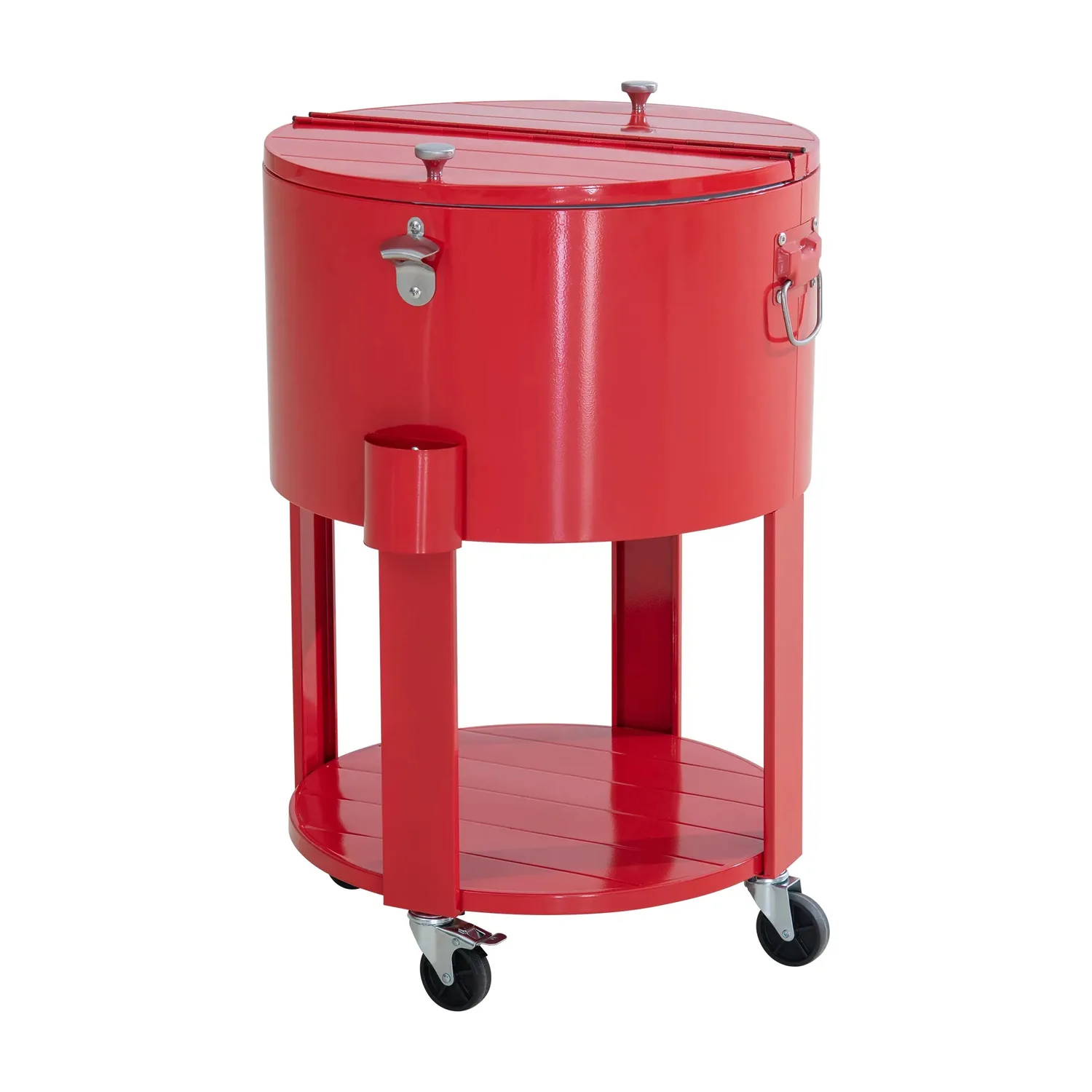
Establish a prep station within arm's reach of your primary cooking surface. This doesn't require built-in cabinetry; a weatherproof cart or sturdy side table works beautifully. The SUNJOY 60 Quart Patio Rooling Cooler Cart with Bottle Opener, Shelf and Lockable Wheels serves multiple purposes here—keeping drinks cold, providing a prep surface, and offering additional storage. The lockable wheels mean it stays put when you need stability but rolls easily for cleaning or reconfiguration.
Consider traffic flow carefully. Guests inevitably gravitate toward the cook, so design pathways that allow mingling without forcing people to squeeze between hot grills and seating. A minimum three-foot clearance behind the primary cooking station gives the chef room to work safely. Five feet is even better if your space allows.
The serving and gathering zone should feel distinct from the active cooking area while remaining visually and functionally connected. This is where your patio seating comes into play—whether that's a dedicated dining set, comfortable lounge chairs, or a combination. Position seating to enjoy the fire pit's warmth and glow without subjecting guests to smoke or excessive heat.
Essential Infrastructure and Amenities
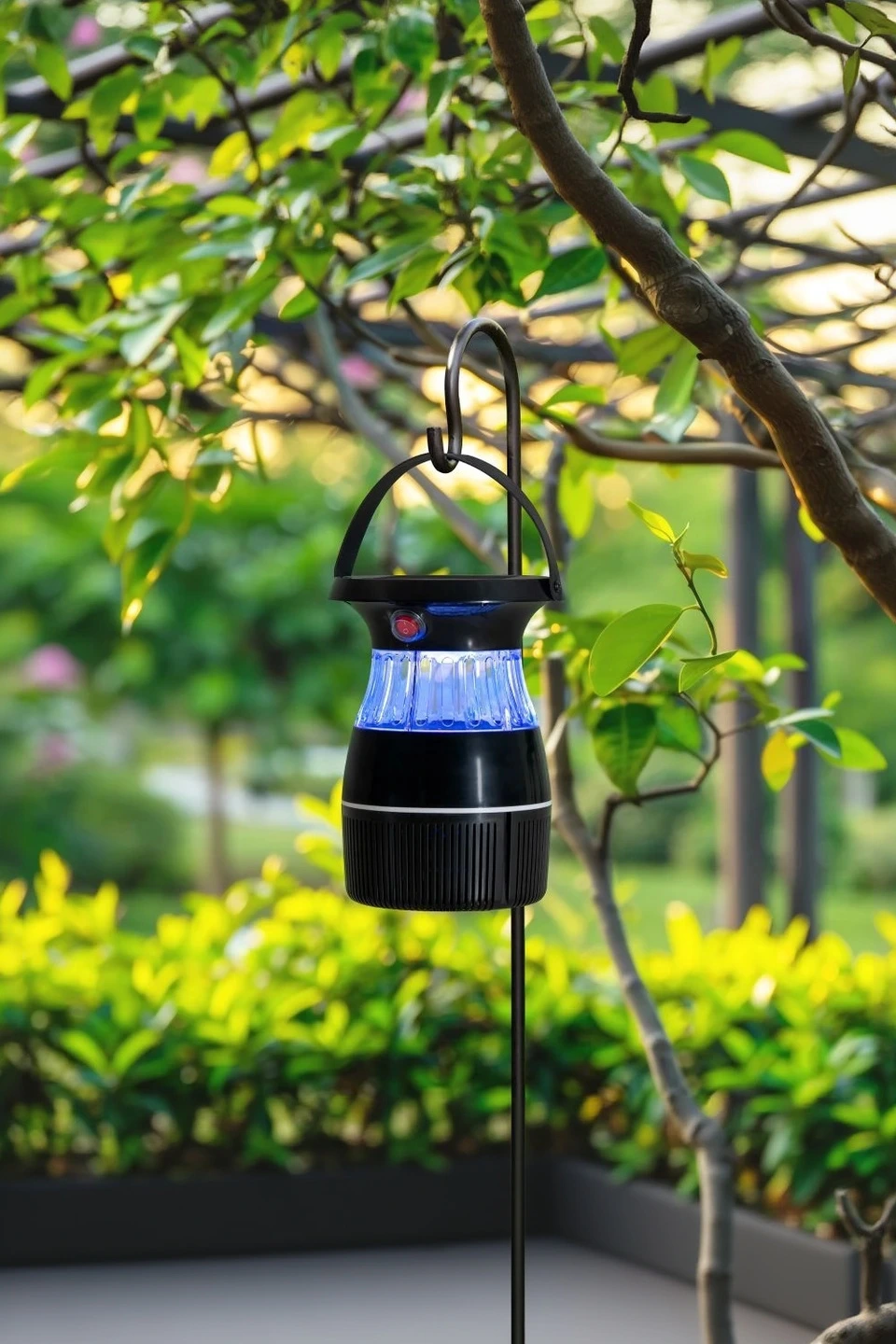
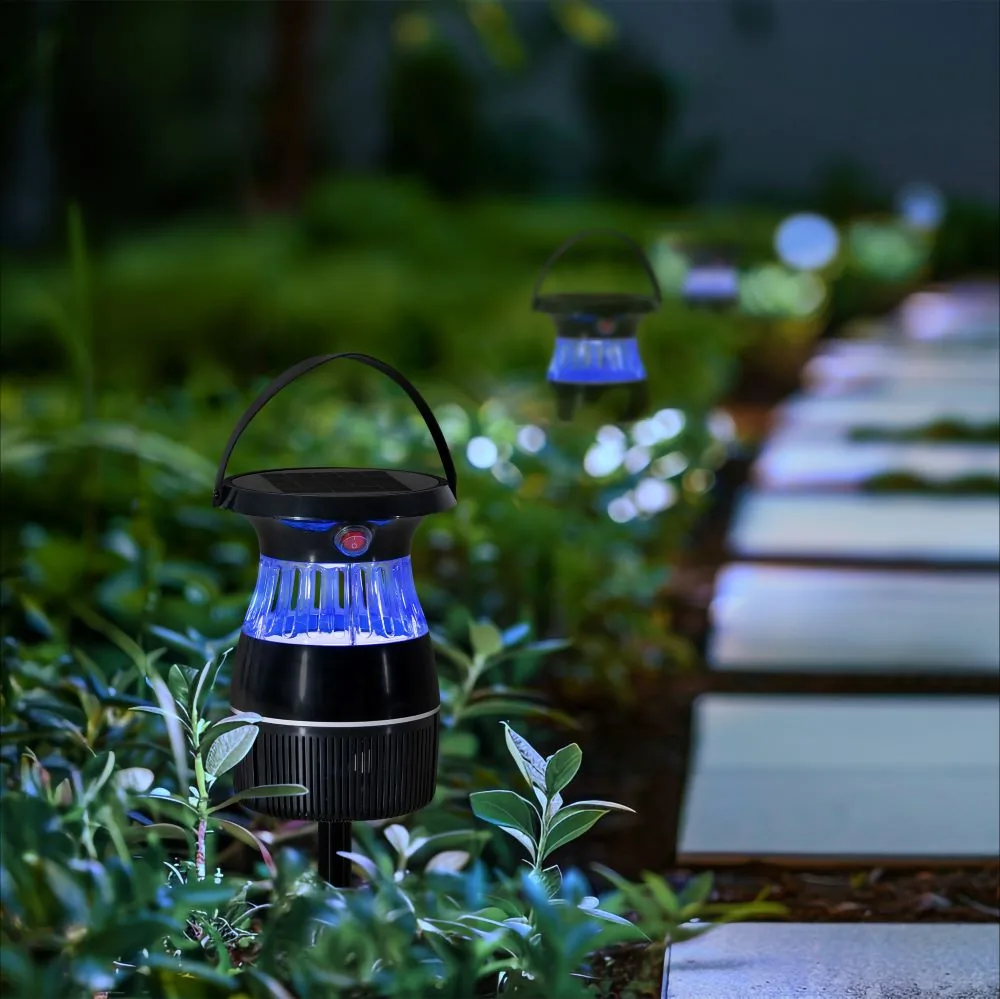
Lighting transforms your grilling zone from daylight-only to true evening destination. Layer your approach: task lighting over prep and cooking surfaces, ambient lighting around seating areas, and accent lighting to highlight landscaping or architectural features. Solar options have improved dramatically—the SUNJOY Solar Bug Zapper with Solar Panel and UV Light addresses the mosquito problem while providing subtle illumination, killing two birds (or rather, bugs) with one fixture.
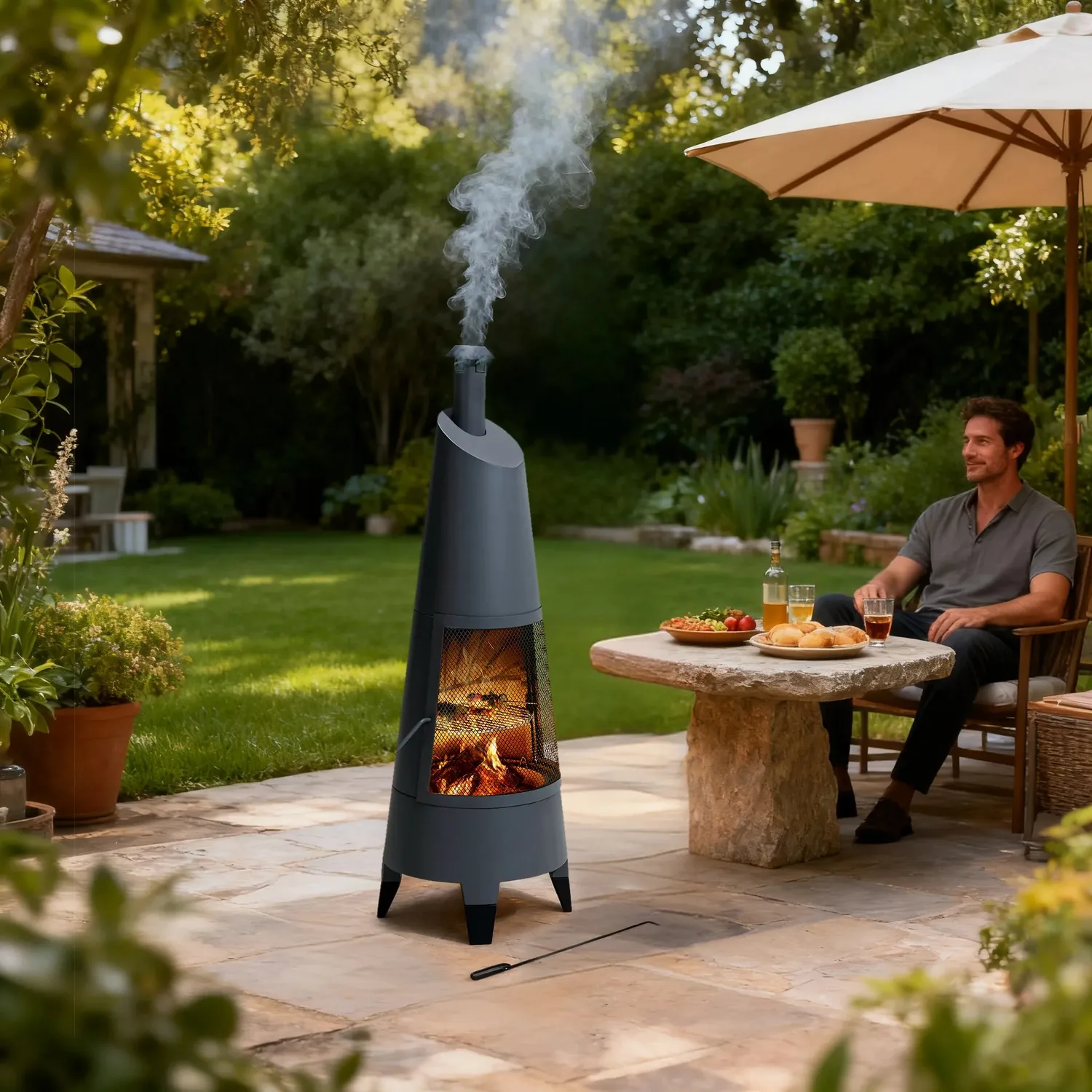
SUNJOY 57 Inch 2-in-1 Chiminea Fire Pit & Grill with Removable Grill Grate and PVC Cover - Gray
Sunjoy · Featured in this article
Don't overlook the power question. Running outdoor-rated electrical to your grilling zone opens possibilities beyond lighting—electric accessories, phone charging, even small appliances. If permanent wiring isn't feasible, at least plan for clean cord management from your nearest outdoor outlet.
Storage deserves intentional planning. Grilling tools, extra charcoal or pellets, fire starters, cleaning supplies—the list grows quickly. Weather-resistant storage benches or deck boxes keep essentials accessible while maintaining visual order. Store anything flammable in sealed containers away from open flames.
Surface materials matter more than they might initially seem. You need heat-resistant, stain-resistant surfaces near cooking areas. Sealed concrete, natural stone, or porcelain pavers handle spills and heat without complaint. Save the beautiful composite decking for areas further from direct fire exposure.
Maximizing Versatility with Smart Equipment Choices
The equipment you select determines how you'll actually use your grilling zone. A single, inflexible setup limits your culinary ambitions; thoughtful equipment choices expand possibilities.
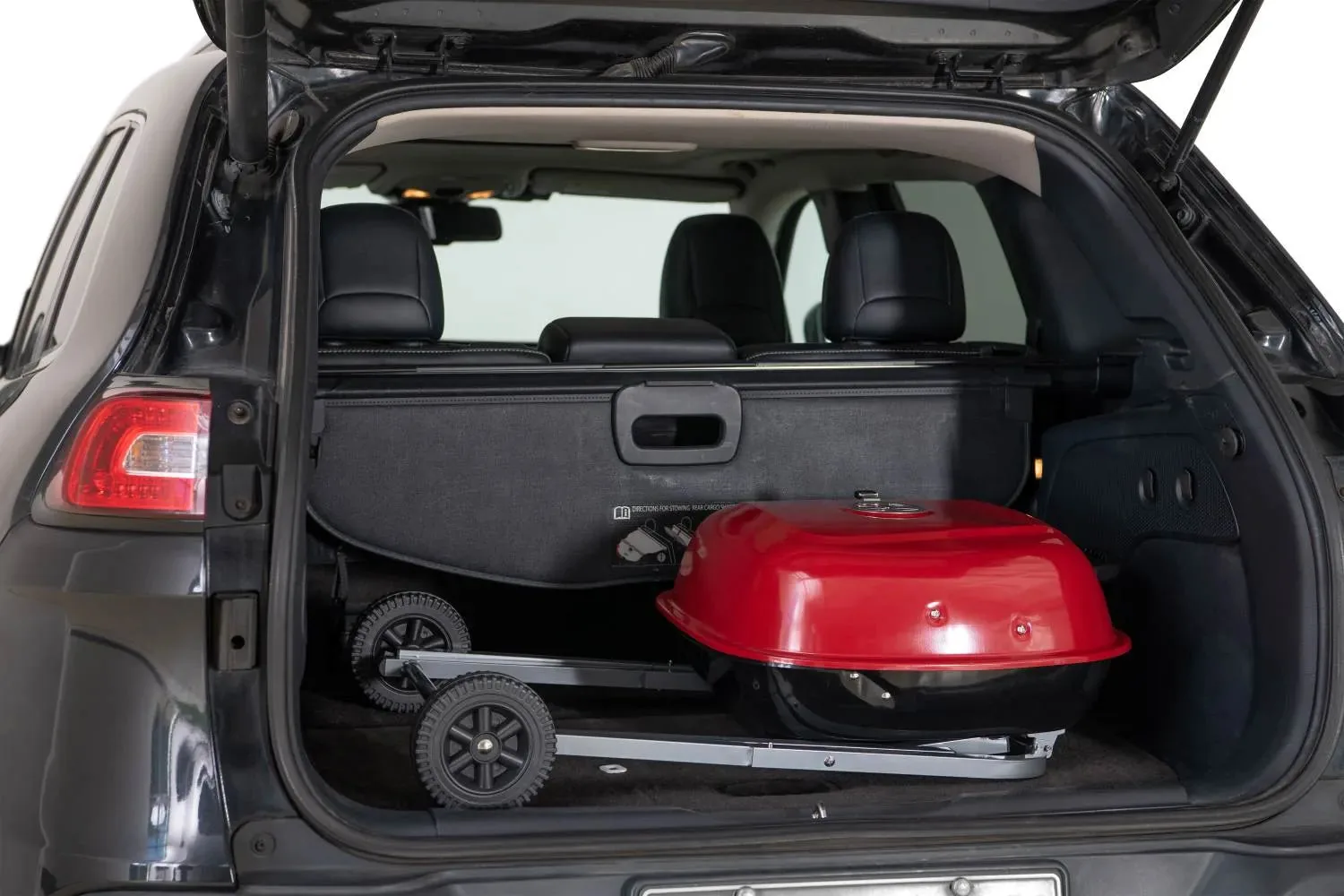
Multiple heat sources provide cooking flexibility that single-method setups can't match. Pairing a fire pit with direct grilling capability alongside a portable unit like the Portable Charcoal Grill in Red with Charcoal Tray and Grate means you can smoke low and slow on one while searing steaks on the other. This dual-fuel approach also provides backup—if you run out of propane mid-cookout, charcoal saves the day.
Consider seasonality in your planning. Three-season use differs dramatically from year-round ambitions. If you're serious about winter grilling (and you should be—winter cookouts have a special magic), invest in wind protection and quality covers. The chiminea style offers inherent wind protection that open fire pits lack, making cold-weather use significantly more pleasant.
Modularity beats permanence for most homeowners. Unless you're certain about your layout and committed to staying in your home long-term, favor high-quality portable elements over built-in installations. You'll appreciate the flexibility when you want to reconfigure for a large party or when you eventually move.
Designing for Comfort and Atmosphere
The best grilling zones invite lingering. Technical functionality matters, but so does the emotional experience of the space.
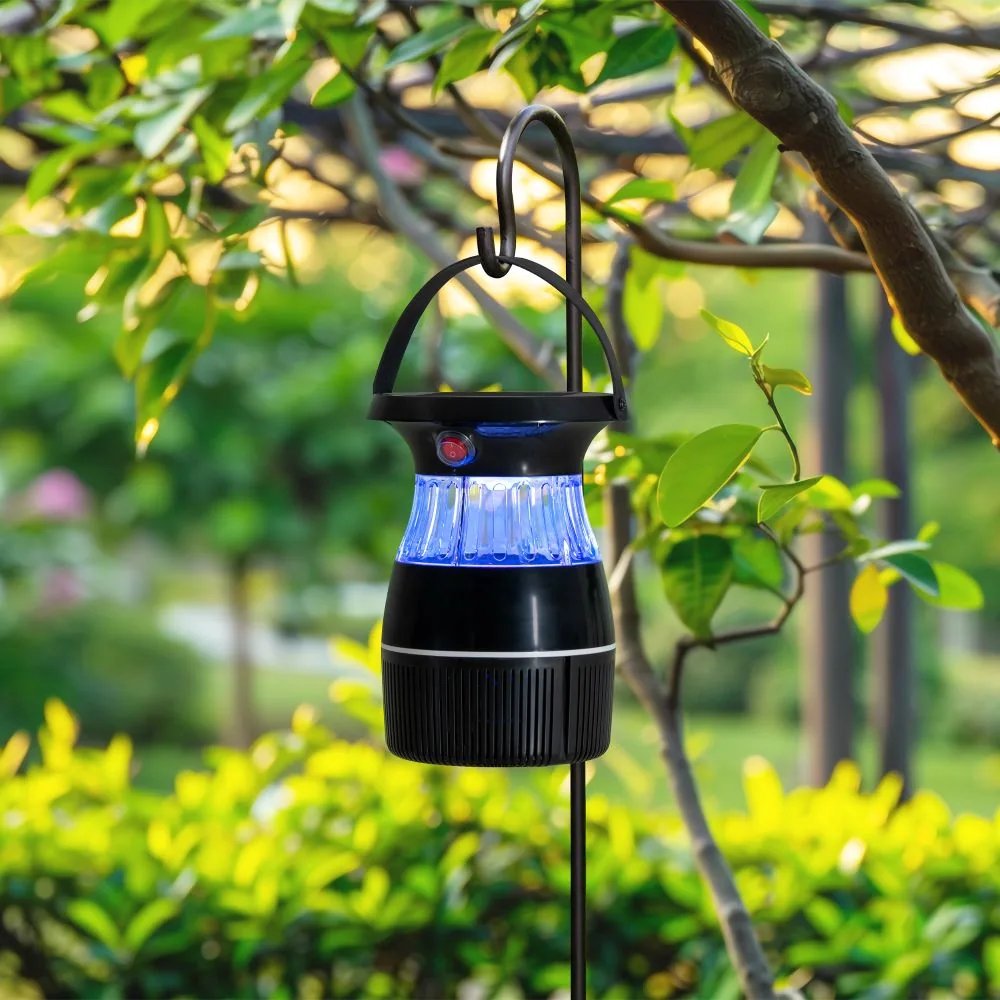
SUNJOY Solar Bug Zapper with Solar Panel and UV Light
Sunjoy · Featured in this article
Comfortable seating makes or breaks the zone. This is where your investment in quality outdoor furniture pays dividends—weatherproof cushions that actually provide support, chairs that welcome you rather than merely accommodate you, tables at practical heights for dining and setting down drinks. Reference our guide on selecting outdoor seating that balances style with durability for deeper insights.
Shade and shelter extend usability across weather conditions. A pergola over the seating area provides dappled shade during daytime cookouts while maintaining the open-air feeling. Cantilever umbrellas offer movable protection that adapts to the sun's path. For covered cooking areas, ensure adequate ventilation—trapped smoke and heat defeat the outdoor living purpose.
Softscape elements—plantings, essentially—frame your hardscape and ground the zone in its setting. Heat-tolerant, low-maintenance plants in containers or border beds add life without creating maintenance headaches. Avoid anything highly flammable within the immediate fire zone. Herbs planted nearby serve double duty as aromatics and fresh ingredients.
Sound considerations often get overlooked until they become problems. The crackle of wood fire provides natural ambiance, but outdoor speakers can enhance the atmosphere for parties. Conversely, consider how your grilling zone's noise might affect neighbors during evening gatherings. Good neighbor relations preserve your ability to use your space freely.
Maintenance and Long-Term Success
A grilling zone only succeeds if you actually maintain it. Design for realistic upkeep from the start.
Establish cleaning protocols before your first cookout. Grill grates get cleaned immediately after cooking while still hot. Fire pit ashes get removed regularly and disposed of properly—never in combustible containers, always fully extinguished. Prep surfaces get wiped down after each use. These small habits prevent the overwhelming deep-clean sessions that breed resentment.
Seasonal maintenance keeps everything functional year after year. At season's end, deep clean all equipment, check fire pit integrity, inspect furniture for damage, and properly store or cover everything. Spring prep involves checking gas connections, restocking supplies, refreshing any damaged surfaces, and inspecting for pest intrusion in storage areas.
Weather protection prolongs equipment life dramatically. Quality covers pay for themselves many times over. Store cushions and fabrics indoors or in weatherproof containers. Drain and winterize any water features or ice makers before freezing temperatures arrive.
Safety equipment deserves prime placement. A fire extinguisher rated for grease fires should live within quick reach of your grilling zone, not buried in a garage cabinet. A first aid kit handles the inevitable minor burns and cuts. Keep a flashlight handy for post-dark inspections and lighting adjustments.
Bringing It All Together
The ultimate backyard grilling zone balances function and feeling, safety and spontaneity. It reflects how you actually live—not some aspirational magazine spread. Maybe you're a weekend smoker who needs space for a pellet grill and hours of tending. Maybe you're a quick weeknight griller who values fast setup and cleanup. Maybe you host large gatherings requiring multiple cooking surfaces and extensive seating. Honest self-assessment during planning prevents expensive do-overs.
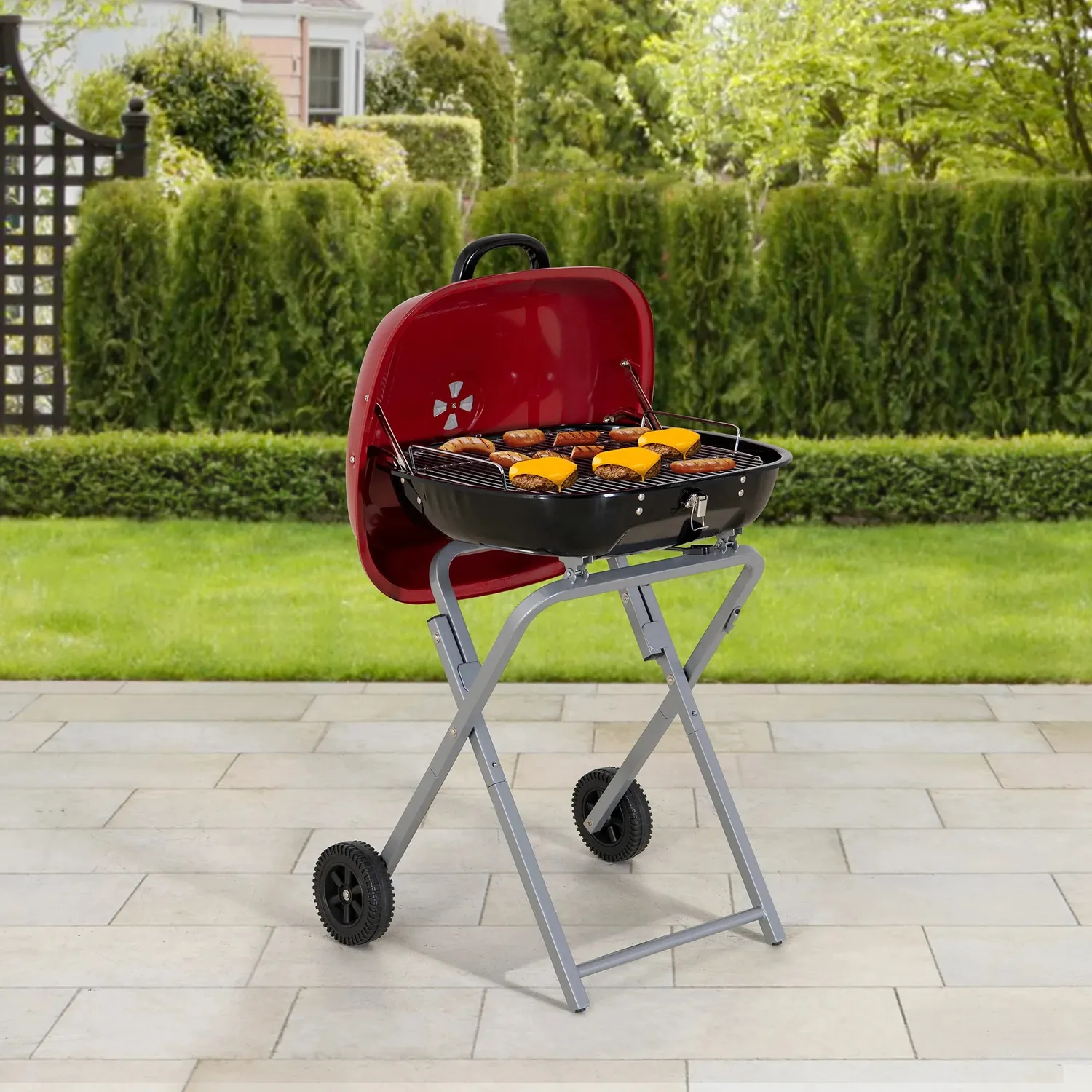
Portable Charcoal Grill in Red with Charcoal Tray and Grate
Sunjoy · Featured in this article
Start with your non-negotiables and build from there. Perhaps the fire pit is essential, making it your first investment. Maybe covered seating matters most, suggesting you allocate budget there. Phased implementation works beautifully for outdoor projects—establish the fire pit and basic seating this year, add the prep station next season, upgrade furniture the year after. This approach spreads costs and lets you learn what you actually need versus what seemed appealing in theory.
Your grilling zone becomes a genuine extension of your home when it receives the same design consideration as interior spaces. It's where summer evenings extend into autumn, where weekend mornings start with coffee by the fire pit, where friends gather and memories accumulate. That transformation from yard to outdoor room—that's the real payoff.
Frequently asked questions about building backyard grilling zones follow below, addressing common concerns about costs, permits, safety, and design variations.
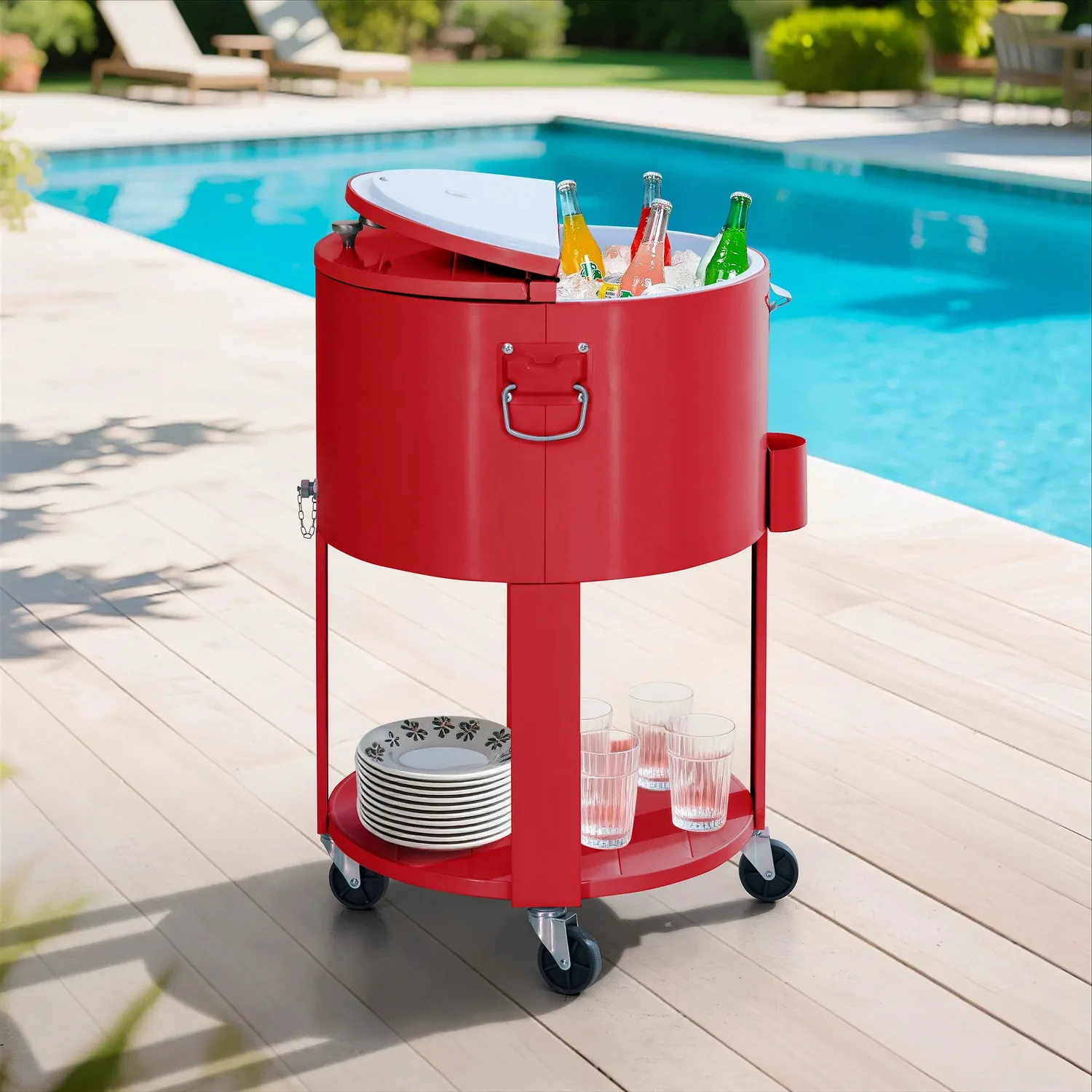
SUNJOY 60 Quart Patio Rooling Cooler Cart with Bottle Opener, Shelf and Lockable Wheels - Red
Sunjoy · Featured in this article
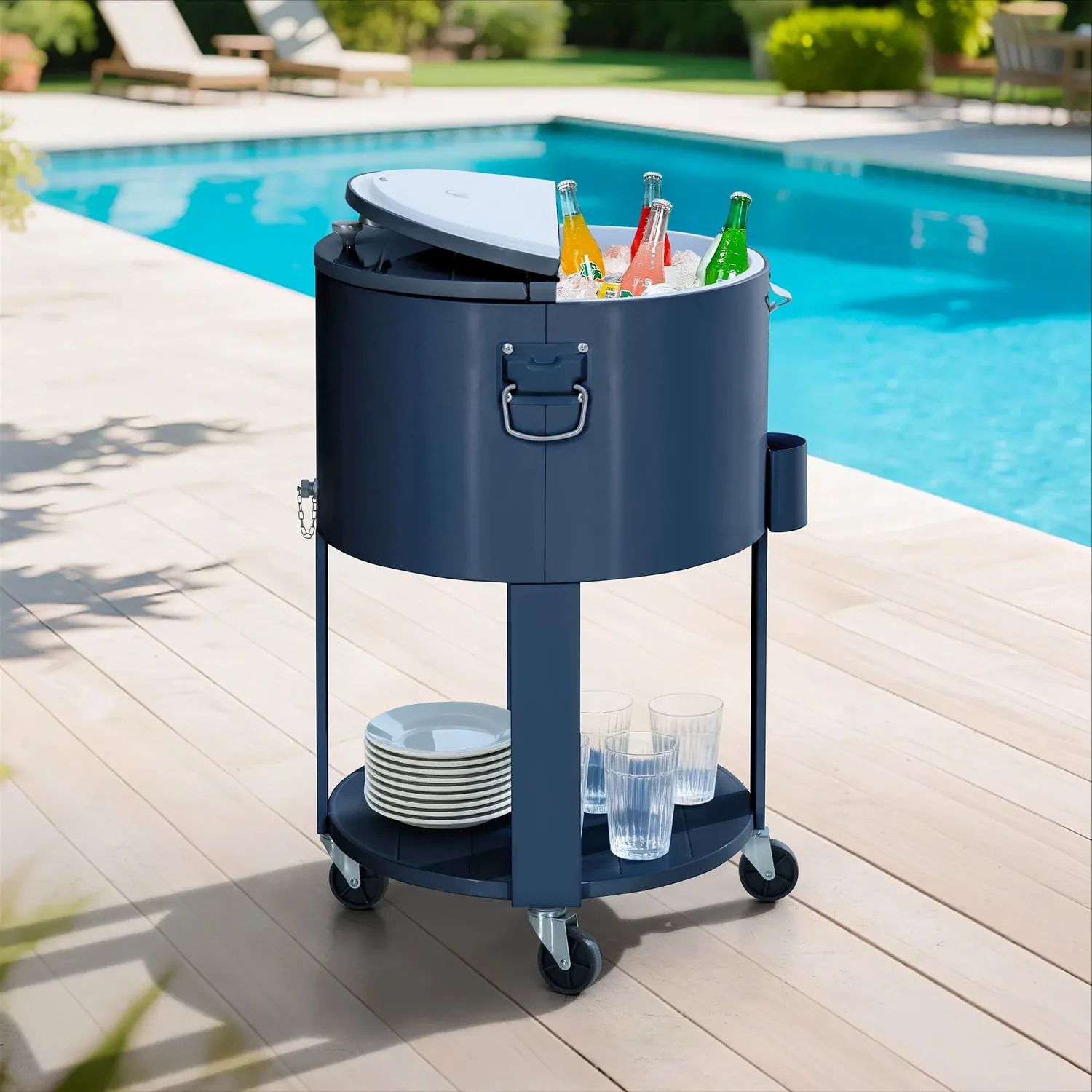
SUNJOY 60 Quart Patio Rooling Cooler Cart with Bottle Opener, Shelf and Lockable Wheels - Blue
Sunjoy · Featured in this article