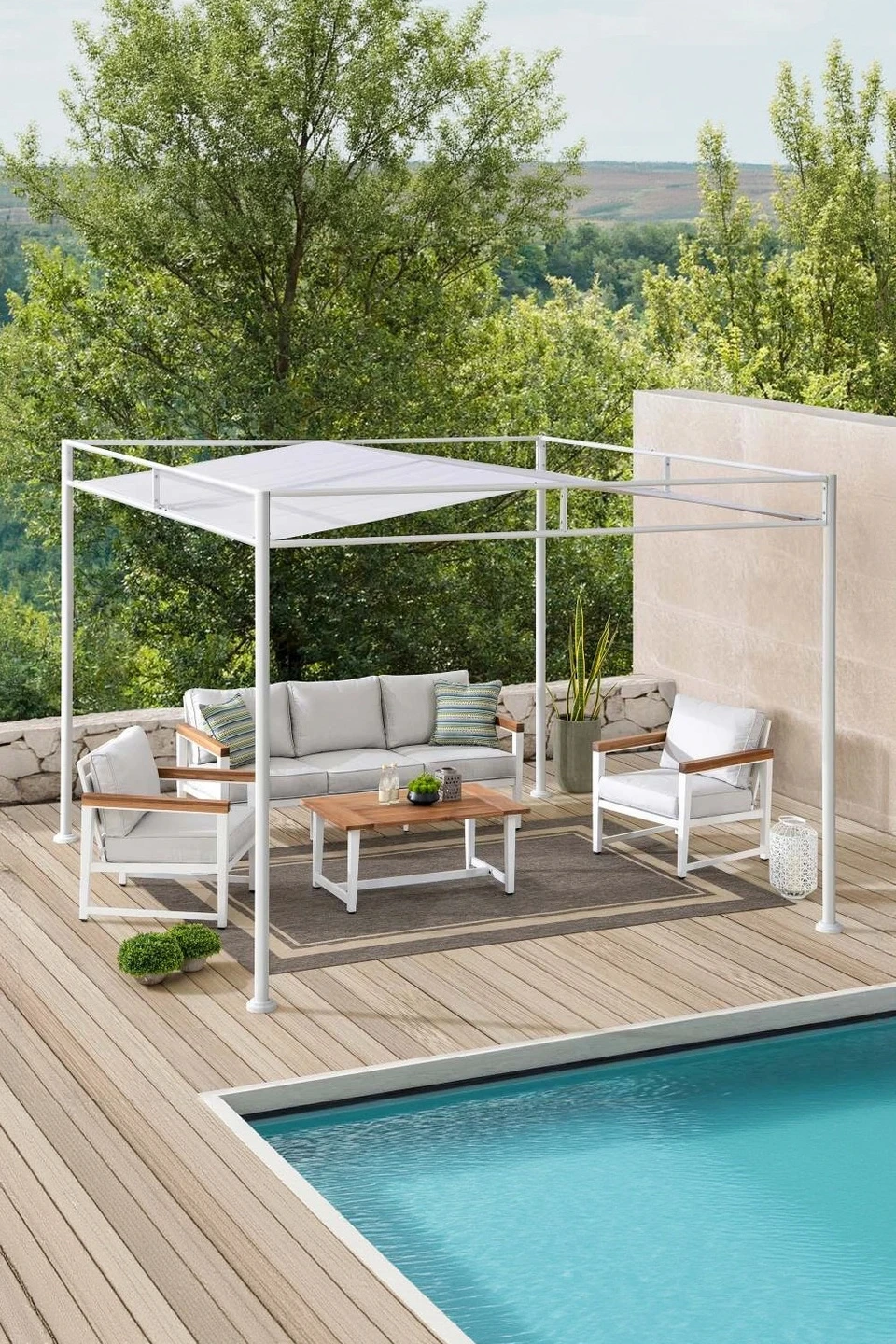
Installing a pergola shouldn't mean breaking out the cement mixer and spending your weekend knee-deep in concrete. While permanent footings have long been the default anchoring method, they're not always practical—or even necessary. Whether you're renting, working with a patio you don't want to drill into, or simply want the flexibility to relocate your structure down the line, there are remarkably effective alternatives to pouring concrete footings. The key is understanding your specific conditions: soil type, pergola size, local wind patterns, and how permanent you need the installation to be. With the right anchoring strategy, you can achieve excellent stability while keeping your options open.
Understanding Why Concrete-Free Matters
Beyond the obvious appeal of skipping heavy labor, there are legitimate reasons to avoid concrete footings. Renters face the most obvious constraint—property owners rarely appreciate permanent modifications to their yards or patios. But even homeowners benefit from flexibility. Landscapes evolve, and what seems like the perfect pergola placement today might block tomorrow's vegetable garden expansion or interfere with a future deck project.
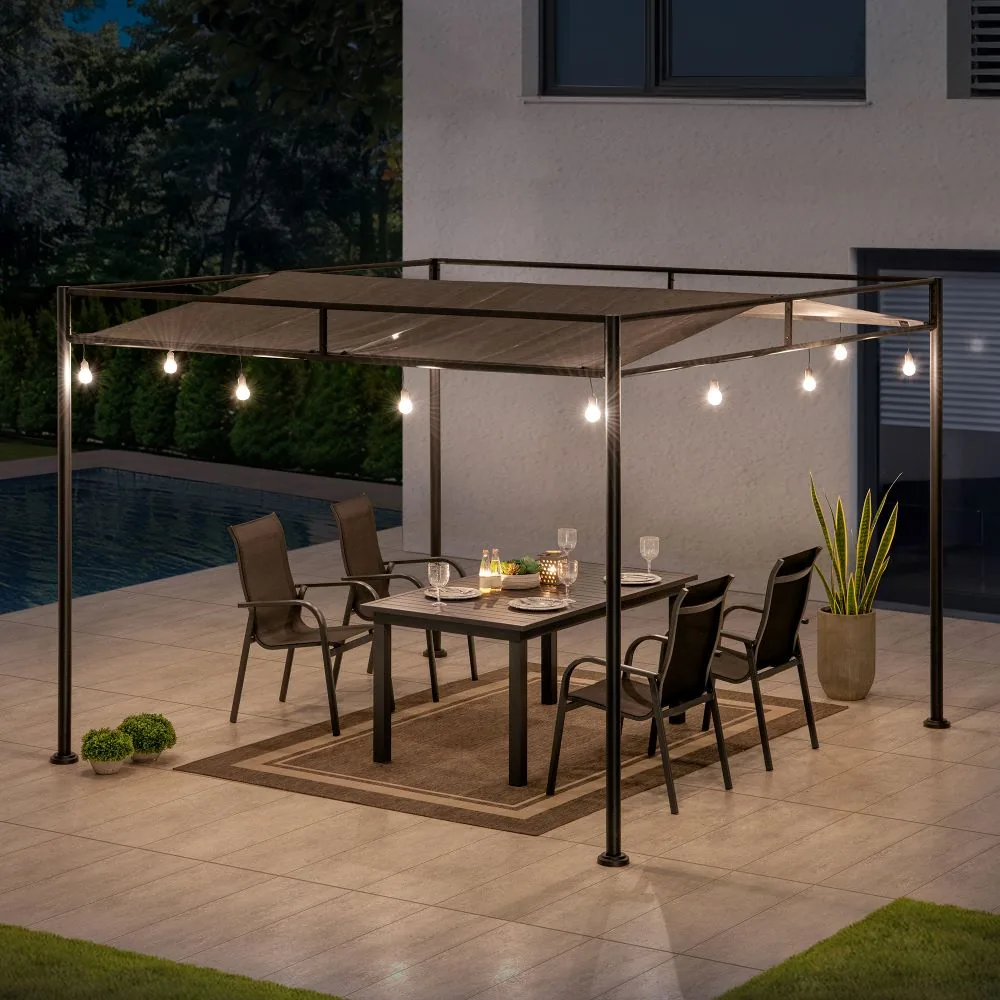
Concrete also creates drainage complications. Once you've poured footings, you've altered how water moves through your yard. In areas with heavy rainfall or clay soil, this can create unexpected puddling or runoff issues. Concrete-free anchoring systems typically allow better water permeability around the posts.
There's also the matter of removal. Concrete footings become semi-permanent landscape features. Even if you dismantle the pergola itself, you're left with concrete pylons that require significant effort to excavate. Alternative anchoring methods let you truly restore your yard to its original state when circumstances change.
Ground Anchor Systems for Soil Installations
For pergolas installed on grass, dirt, or gravel, ground anchor systems offer the most robust concrete-free option. These typically consist of auger-style anchors or ground screw foundations that twist into the soil, creating a mechanical hold rather than relying on concrete mass.
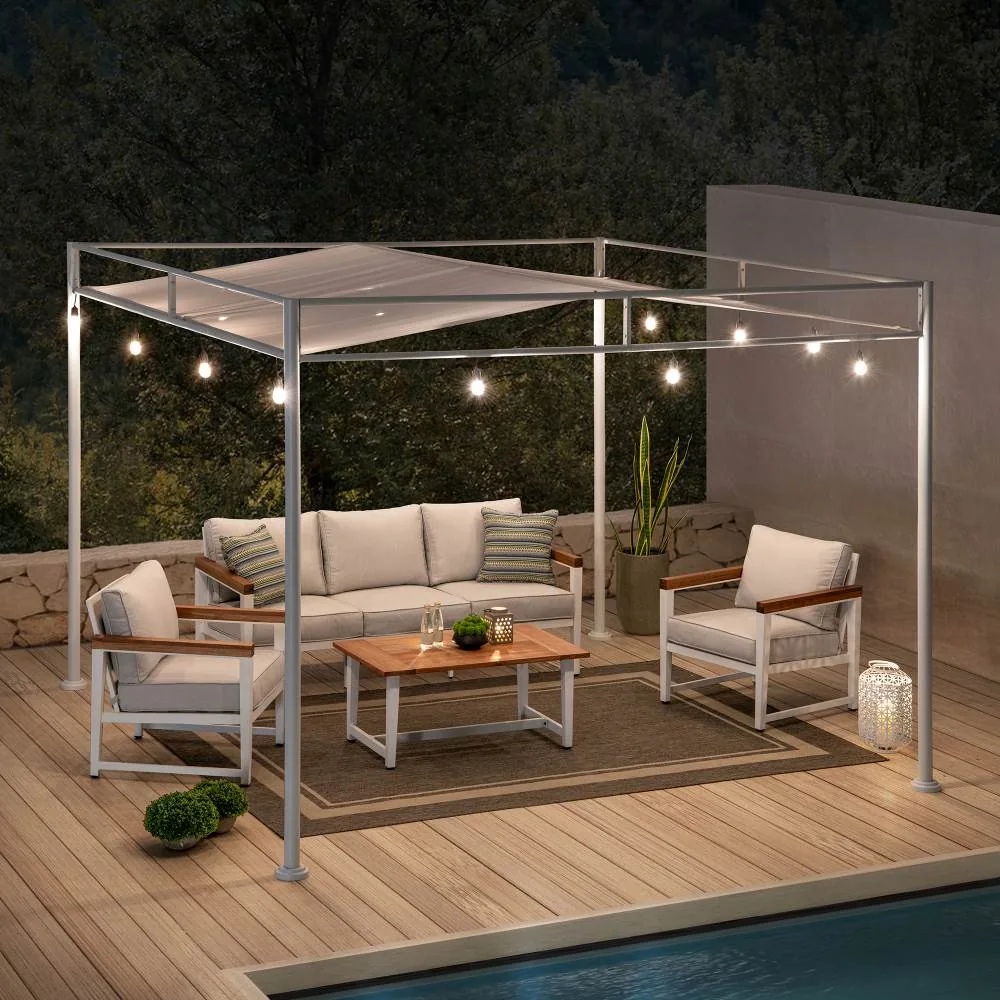
Auger anchors work like oversized corkscrews, featuring wide helical blades that grip surrounding soil as you rotate them into the ground. The best systems include a bracket assembly at ground level where your pergola post attaches, usually with bolts passing through the post and into the anchor's mounting plate. For a structure like the Darkeford Sling Canopy Pergola 10x10 - Shadow Black, which measures a manageable footprint, four high-quality auger anchors rated for your soil type provide excellent stability.
Installation requires some muscle but no specialized skills. You'll need a steel bar to use as a lever—most anchor systems include a mounting hole specifically for this purpose. The technique involves steady, even pressure rather than rushed forcing. In sandy or loamy soil, anchors typically sink smoothly. Clay presents more resistance, and rocky soil may require pre-boring pilot holes with a post-hole digger to navigate larger stones.
Ground screws represent the premium end of the anchor spectrum. These engineered foundations feature precisely calculated thread pitch and blade geometry to maximize holding power. While more expensive than basic augers, they often include load ratings and engineering specifications, giving you quantifiable confidence in your installation. Many municipalities accept engineered ground screws for permit purposes where generic anchors might not pass muster.
The critical factor with any soil anchor is penetration depth. As a baseline, you want your anchors extending at least 30 inches below grade, and deeper is better in loose or sandy conditions. Wind loads transfer through your pergola posts as lateral force—the deeper your anchors, the more soil they engage to resist that sideways push.
Surface Mounting on Existing Hardscaping
Many homeowners want their pergola on an existing concrete patio, paver base, or composite deck—surfaces where drilling isn't desirable or possible. Surface-mount anchor systems solve this challenge with weighted bases or specialized brackets.
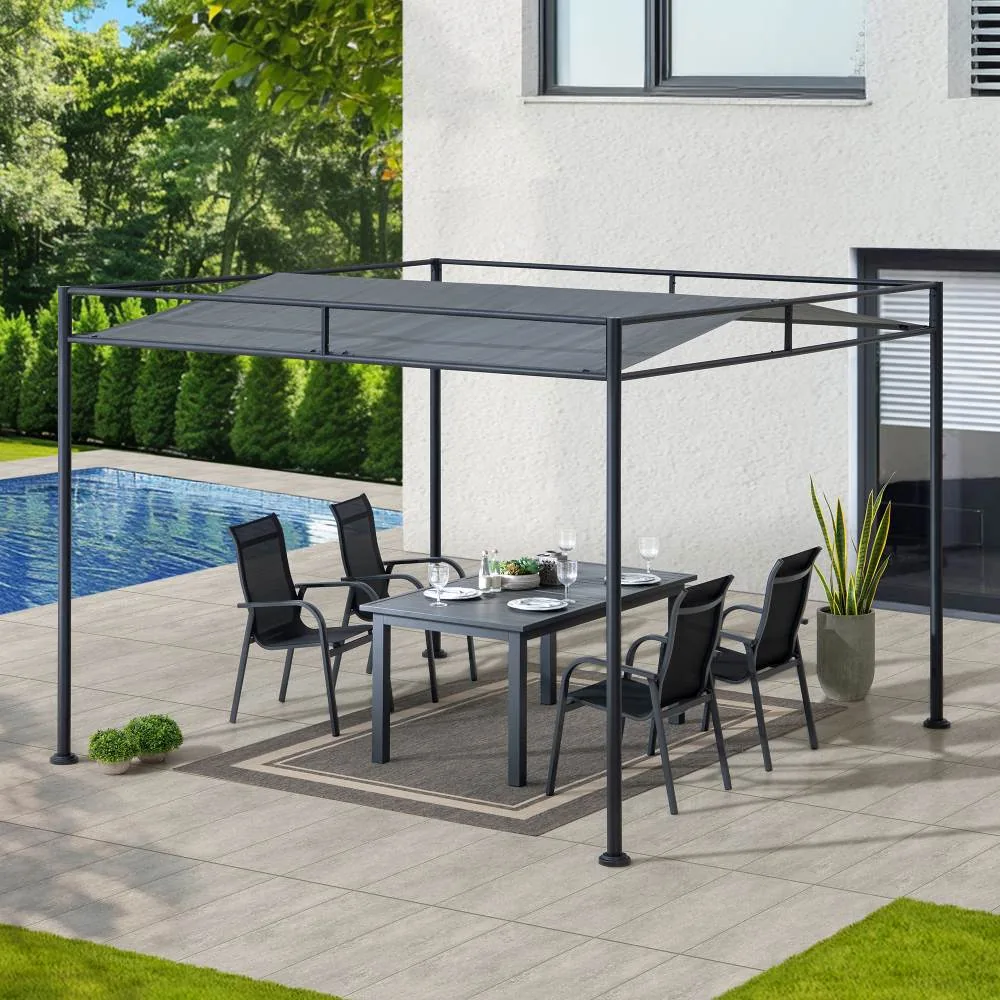
Darkeford Sling Canopy Pergola 10x10 - Shadow Black
Sunjoy · Featured in this article
Weighted base systems work on the principle of mass resistance. Heavy-duty steel plates, often designed to accept additional ballast like concrete blocks, sand bags, or paver stones, bolt to your pergola posts and resist wind uplift through sheer weight. For smaller structures like the Darkeford Sling Canopy Pergola 10x10 - White, you're looking at roughly 40-60 pounds of weight per post as a starting point. In high-wind regions, double that amount.
The aesthetics require consideration. Basic weighted plates look industrial unless you disguise them. Some homeowners build low planters around each post base, filling them with heavy soil and plants that both conceal the anchor plates and add weight. Others surround the plates with decorative gravel or position large pavers to create an intentional design element. For deck installations, you might construct a low wooden frame around each base that appears architectural rather than utilitarian.
Flanged base plates offer a more integrated appearance. These mounting systems feature wide footprints with multiple bolt holes, designed to fasten directly through deck boards or pavers into the framing structure beneath. This only works if you can access the underlying support structure—deck joists, concrete patio substrates, or paver base materials. The SUNJOY 12x14 Pergola with Sliding Shade Roof & Woodgrain Steel Frame represents a larger investment that warrants the extra installation precision these mounts provide.
When surface-mounting on composite decking, the manufacturer's specifications become critical. Many composite materials can't support the point-load stress of a bolted pergola without additional blocking beneath the deck boards. This typically means opening the deck to install solid wood blocking between joists at each pergola post location, then reassembling the decking before mounting.
Hybrid Systems for Maximum Versatility
Some of the cleverest pergola anchoring combines multiple techniques to balance stability and flexibility. A popular hybrid approach uses ground anchors at two corners and weighted bases at the others, allowing you to level a pergola on uneven terrain without extensive ground preparation.
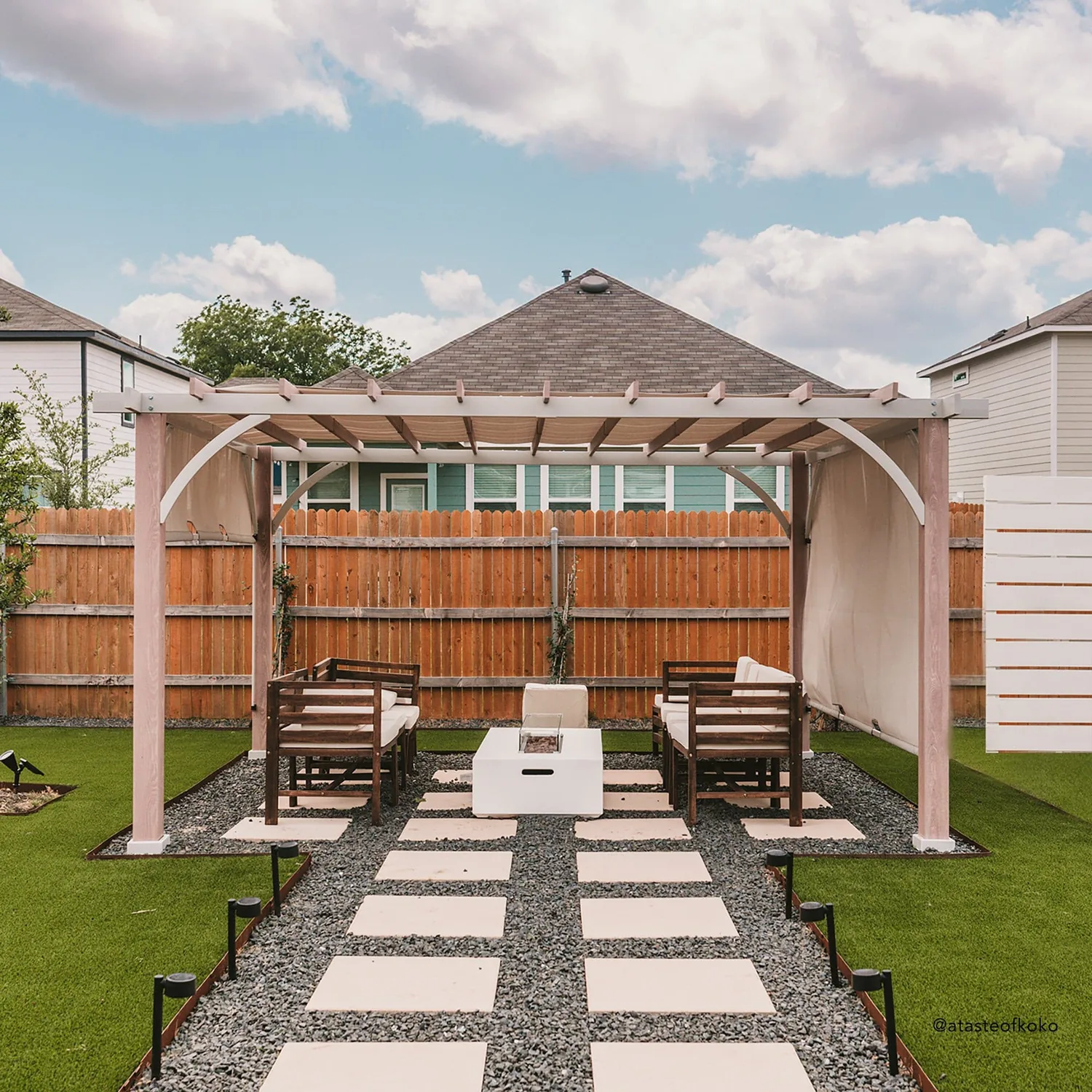
Another effective combination employs ground anchors for the primary posts and tension cables or guy wires connected to separate ground anchors offset from the structure. This works particularly well in windy locations where lateral force is the main concern. The angled cables resist sideways movement far more efficiently than vertical anchors alone. The system resembles tent guy lines—the offset anchors are typically placed 4-6 feet from the pergola corners at 45-degree angles.
For patio installations where some drilling is acceptable but you want to avoid major concrete work, expansion-bolt systems offer a middle path. These use existing concrete as the anchor substrate without requiring new footings. Heavy-duty expansion bolts or concrete wedge anchors, installed through flanged base plates, create remarkably strong connections. The installation is reversible—remove the pergola, unscrew the bolts, and you're left with small holes that patch easily with hydraulic cement.
Special Considerations for Freestanding Pergolas
Not all pergolas attach to a house or deck rail, and freestanding structures face unique stability challenges. Without a building connection to share structural loads, your anchoring system bears the entire burden of wind resistance and weight distribution.
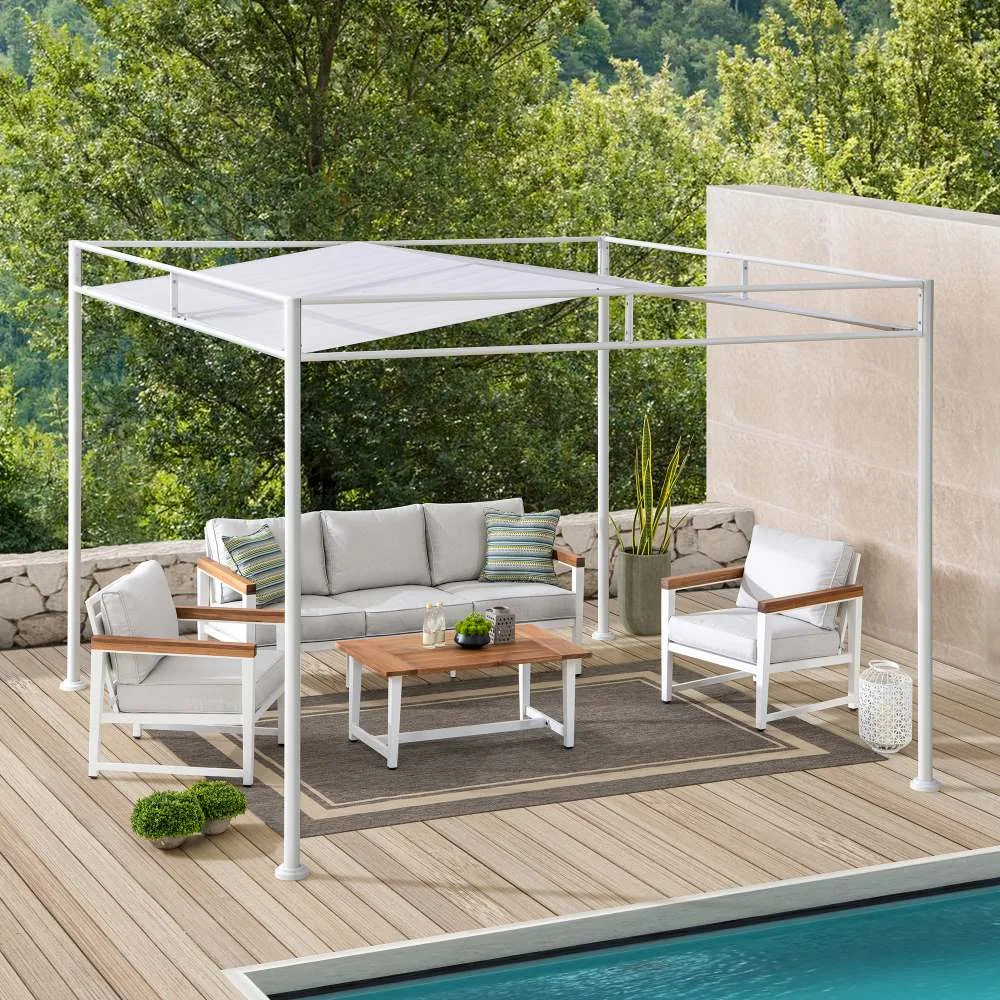
Darkeford Sling Canopy Pergola 10x10 - White
Sunjoy · Featured in this article
The four-post freestanding design is inherently more stable than attached configurations, but this advantage only manifests with proper anchoring. Each post location needs equal anchoring strength—no cutting corners on the "back two" posts because they seem less critical. Wind direction changes, and every post will take its turn bearing the brunt of lateral loads.
For truly freestanding structures, our Pergolas collection includes several models engineered specifically for independent installation. These often feature wider post spacing and lower profile canopies that reduce wind catch compared to taller, narrower designs.
Soil conditions dictate your freestanding anchoring approach more strictly than with attached pergolas. In soft, sandy soil, auger anchors must penetrate deeper and may need supplemental lateral support—diagonal bracing between posts or tension cables to adjacent ground anchors. Conversely, hard clay soil provides excellent holding power once you successfully install your anchors.
The canopy material affects freestanding stability significantly. Solid roof panels create substantially more wind load than open-slat designs or fabric canopies. If you're considering the SUNJOY 9x9 Matte Black Steel Frame Pergola with Adjustable Canopy Roof - White, its adjustable canopy feature actually serves a structural purpose—you can reduce wind catch during storms by retracting or opening the roof elements.
Maintaining and Monitoring Concrete-Free Installations
Unlike poured footings that essentially maintain themselves once cured, alternative anchoring systems require occasional inspection. This isn't particularly onerous, but it does mean adding "check pergola anchors" to your seasonal maintenance routine.
For ground anchor systems, annual inspection focuses on soil movement and anchor integrity. After winter freeze-thaw cycles or periods of heavy rain, walk around your pergola and check whether posts remain plumb. A carpenter's level against each post takes seconds and reveals whether anchors have shifted. Slight movement isn't necessarily alarming, but progressive lean indicates the soil is yielding to stress.
Look for ground-level gaps around anchor mounting brackets—these suggest the anchor is pulling upward from the soil. This typically happens after strong wind events and means your anchors need deeper installation or your pergola needs additional weight or guy-wire support.
Weighted base systems require different monitoring. Check that weights remain properly distributed and haven't shifted from their original positions. On deck installations, look for any cracking or deflection in the decking material around mounting points, which indicates the surface is bearing more load than intended. This doesn't always mean your pergola is too heavy—sometimes it reveals that deck framing has deteriorated and needs reinforcement independent of the pergola installation.
For metal anchor components, inspect for rust or corrosion, particularly in coastal environments or areas with salt air. Most quality anchoring systems use galvanized or powder-coated hardware, but protective finishes can fail. Catching surface rust early means a quick treatment with rust converter and touch-up paint. Ignoring it leads to structural degradation that compromises the entire anchoring system.
When to Reconsider and Use Concrete
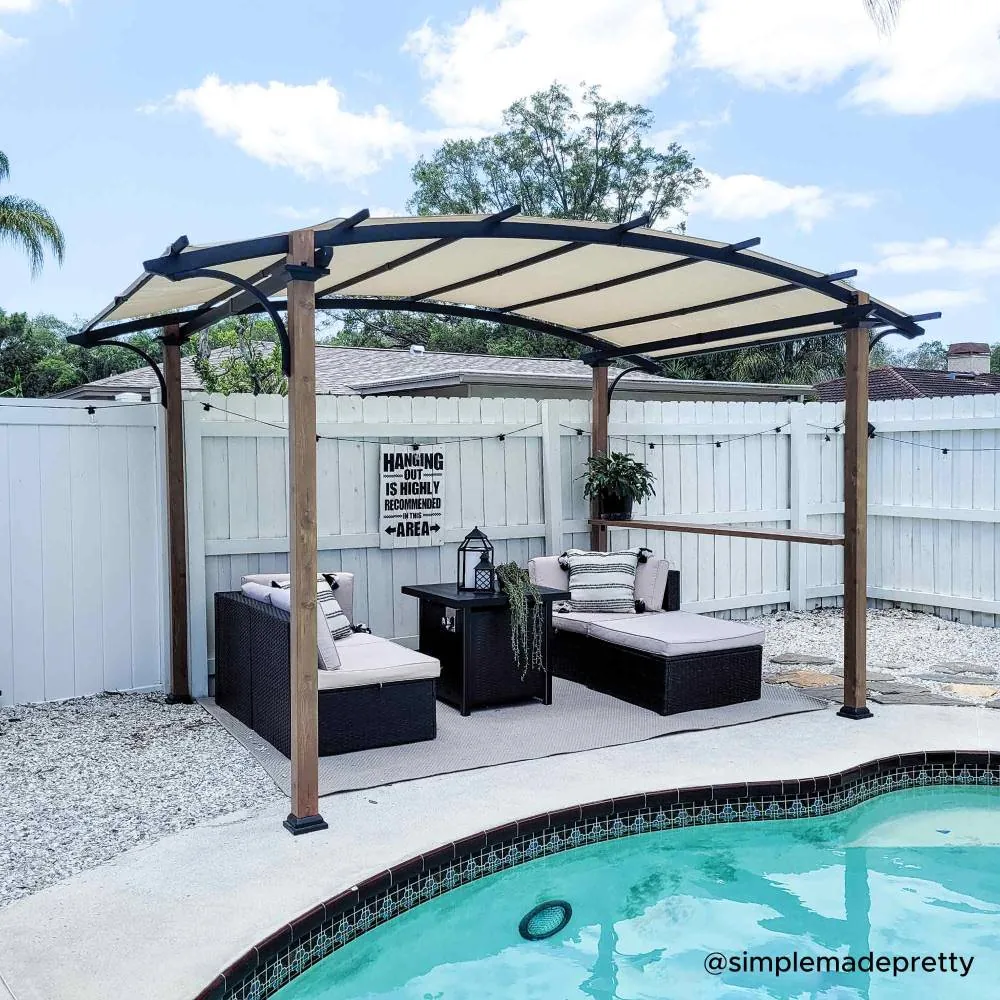
Honesty matters: some situations genuinely demand concrete footings. If you're installing a large, heavy pergola with a solid roof in a high-wind region, concrete provides a margin of safety that alternative methods struggle to match. The SUNJOY 9x13 Modern Arched Metal Pergola with Tan Heavy-duty Textilene Fabric Canopy and Bar Shelf represents a substantial structure that might push the limits of concrete-free anchoring depending on your specific conditions.
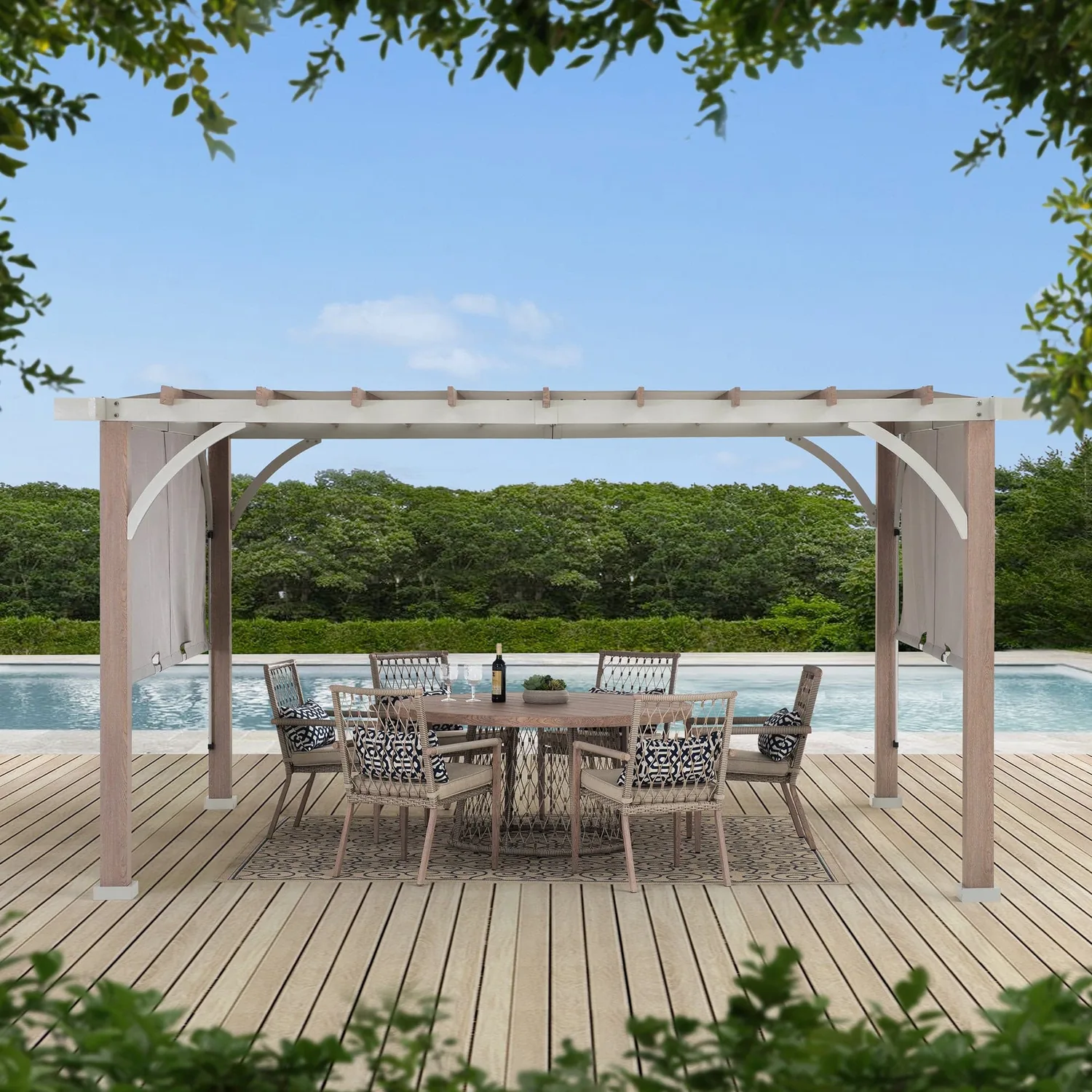
SUNJOY 12x14 Pergola with Sliding Shade Roof & Woodgrain Steel Frame
Sunjoy · Featured in this article
Building codes offer guidance here. Many jurisdictions specify minimum footing requirements for permanent structures based on local wind speeds and frost depth. While freestanding pergolas often fall below the threshold requiring permits, checking your local requirements provides valuable information about what your specific environment demands. If code requires 36-inch frost footings, that tells you something important about ground movement in your area—information that applies to alternative anchoring depth as well.
Similarly, if your property experiences documented wind gusts above 70 mph regularly, or if you live in a tornado-prone corridor, the investment in proper concrete footings buys peace of mind that weighted bases can't match. The goal isn't avoiding concrete at all costs—it's making informed decisions about when alternatives genuinely serve your needs and when they're pushing reasonable limits.
The following section addresses common questions about concrete-free pergola anchoring to help you determine the best approach for your specific situation.
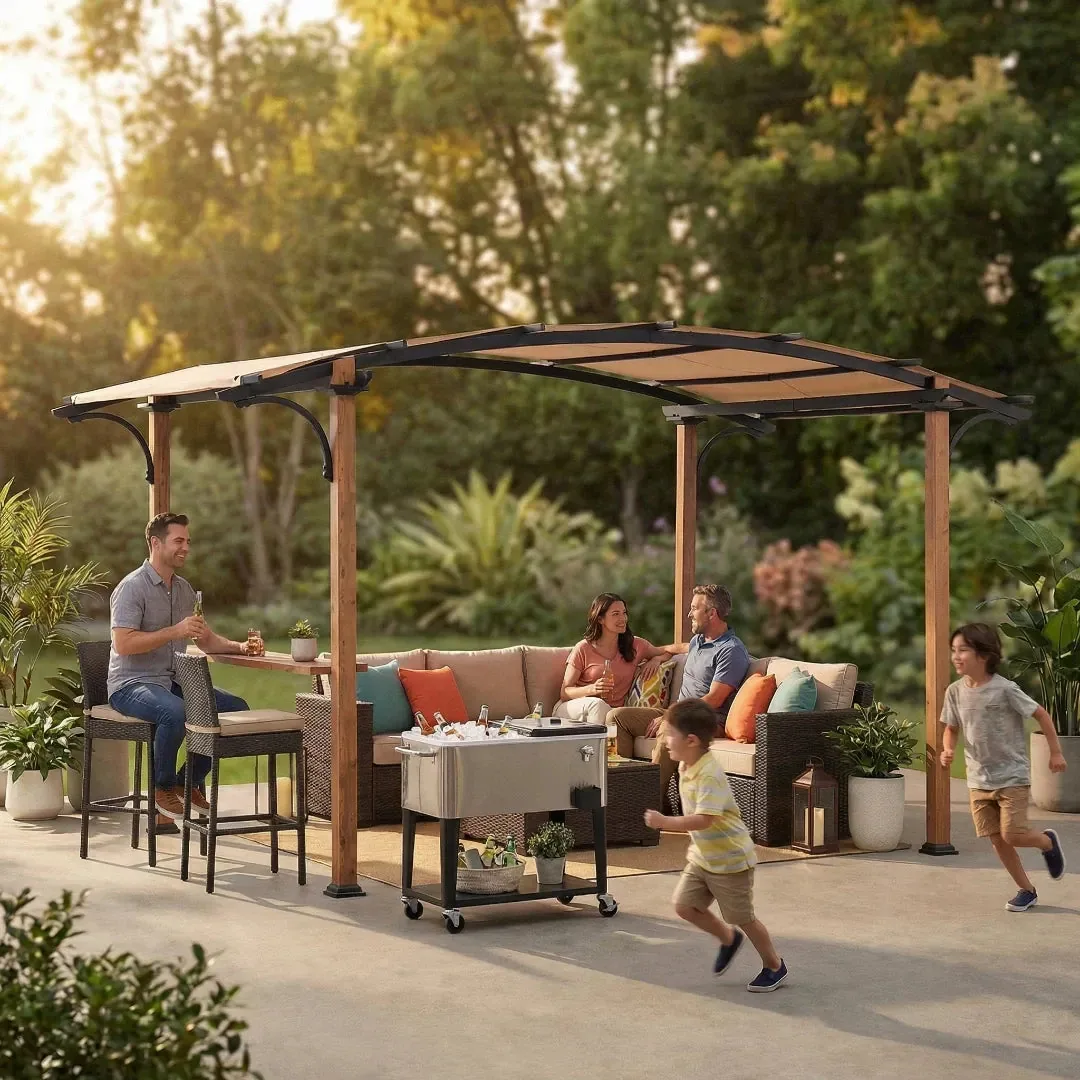
SUNJOY 9x13 Modern Arched Metal Pergola with Tan Heavy-duty Textilene Fabric Canopy and Bar Shelf
Sunjoy · Featured in this article
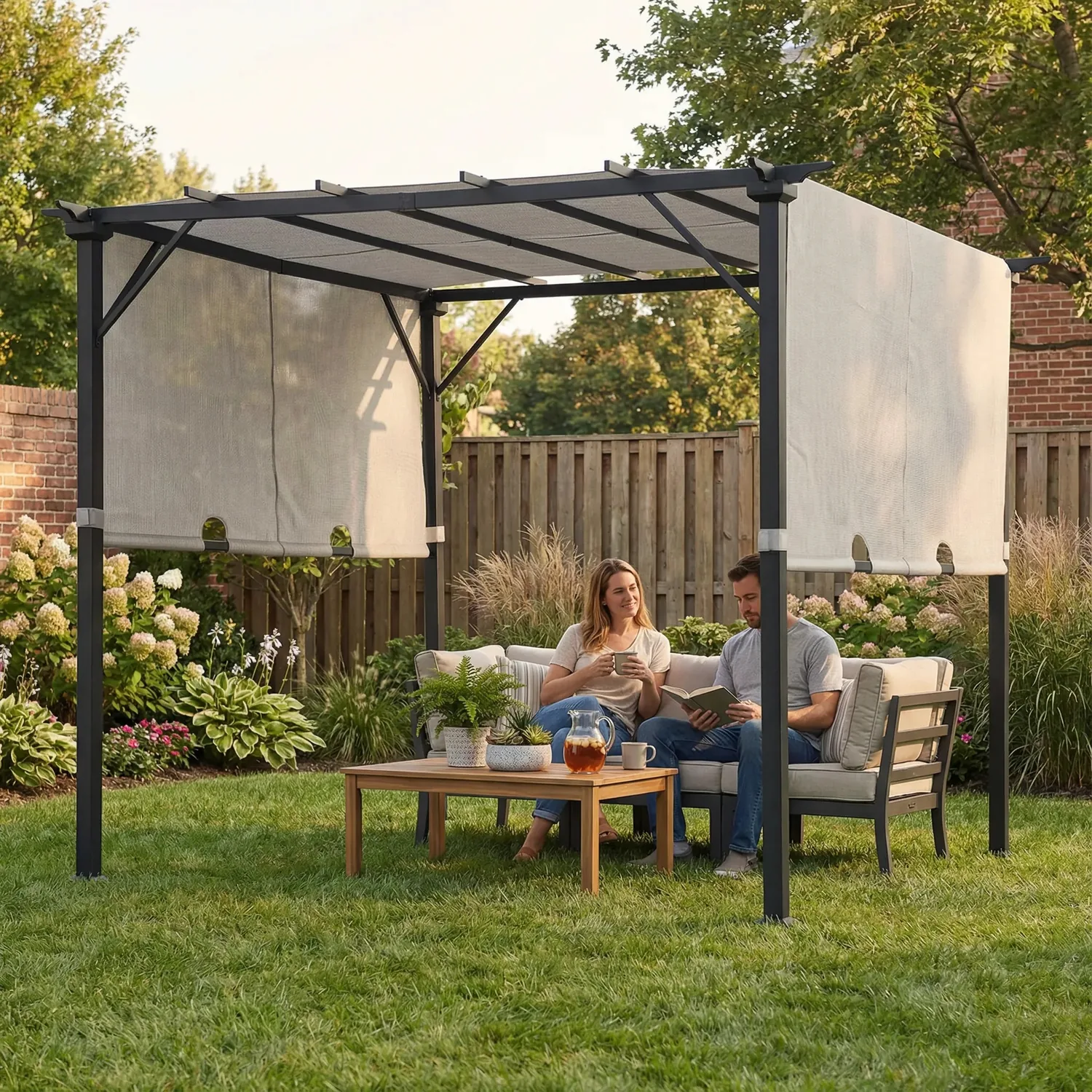
SUNJOY 9x9 Matte Black Steel Frame Pergola with Adjustable Canopy Roof - White
Sunjoy · Featured in this article