Summer evenings under your gazebo should be about enjoying cool breezes and good conversation, not swatting away mosquitoes. But here's the dilemma many homeowners face: you've invested in a beautiful outdoor structure, and the thought of adding mosquito netting conjures images of camp-style mesh that obscures your carefully chosen design. The good news? Protecting yourself from bugs doesn't mean sacrificing aesthetics. With thoughtful planning and the right approach, mosquito netting can enhance your gazebo's functionality while maintaining—or even elevating—its visual appeal.
Understanding Your Gazebo's Architecture First
Before you purchase a single yard of netting, take time to really study your gazebo's design. The architectural style dictates which netting solution will look most intentional rather than tacked-on. A Victorian-style gazebo with ornate trim and decorative brackets calls for a different approach than a sleek, modern aluminum hardtop structure.
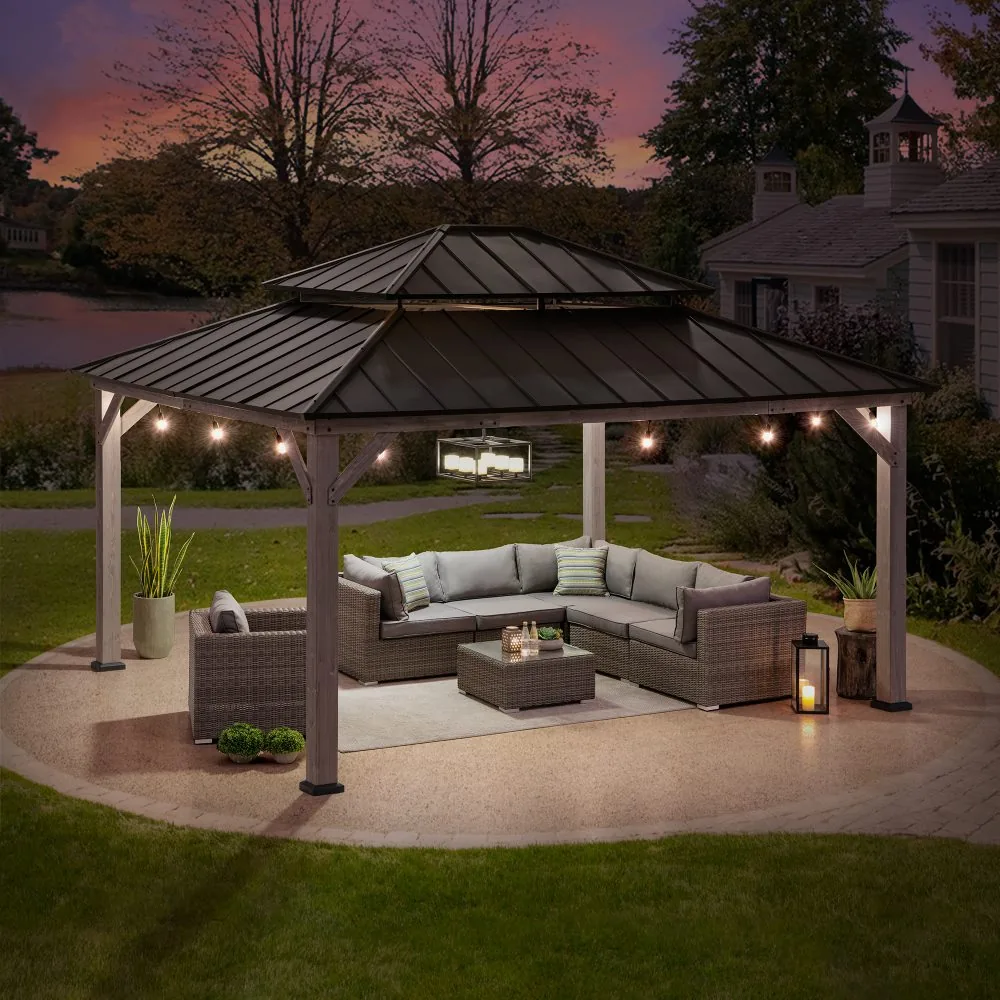
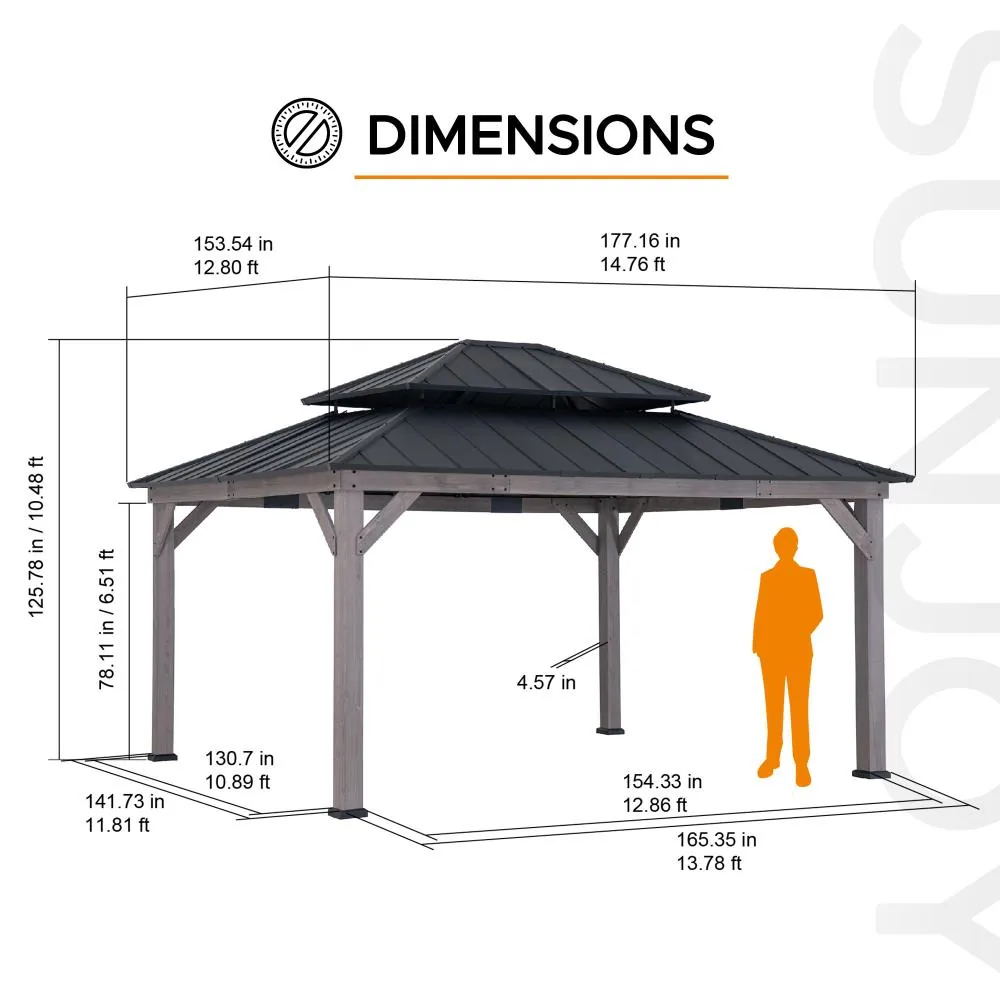
Walk around your gazebo at different times of day and notice how light plays across the structure. Where are the visual anchors—the posts, the rafters, the eave details? These elements will become your guides for mounting netting in ways that feel integrated rather than applied as an afterthought. If you have a structure like the Transform Your Backyard with a Stunning 13x15 Cedar Gazebo, you're working with natural wood grain and possibly stained finishes that deserve netting hardware in complementary tones.
Consider the existing sight lines, too. Do you have particular views from inside the gazebo that you want to preserve? Netting doesn't have to cover every opening equally. Strategic placement on the windward side or around seating areas can provide protection where you need it most while keeping other angles open for your favorite vistas.
Choosing Netting Materials That Disappear
Not all mosquito netting is created equal, and the material you select makes an enormous difference in the final look. Coarse, white utility netting might work for a camping tent, but it will absolutely ruin the ambiance of an elegant outdoor structure. Instead, look for fine-mesh polyester netting in colors that recede into the background.
Black or charcoal gray netting offers the best visibility from inside while creating a subtle shadow line that often reads as depth rather than barrier. If your gazebo has darker posts or roofing, this becomes nearly invisible from a few feet away. For lighter structures, consider soft taupe or even a sheer champagne tone that catches light similarly to the way sheer curtains do indoors.
The weave density matters more than you might think. You want tight enough mesh to keep out even small insects, but not so dense that it blocks airflow or creates a heavy visual presence. Look for netting marketed specifically for permanent outdoor use rather than temporary camping solutions—it will have UV stabilizers that prevent that unfortunate yellowing that happens to cheap materials after one season.
Installation Methods That Look Intentional
The mounting hardware is where most DIY attempts go wrong aesthetically. Exposed zip ties, mismatched hooks, or visible staples scream "temporary fix" rather than "design choice." Instead, invest in proper mounting solutions that work with your gazebo's existing structure.
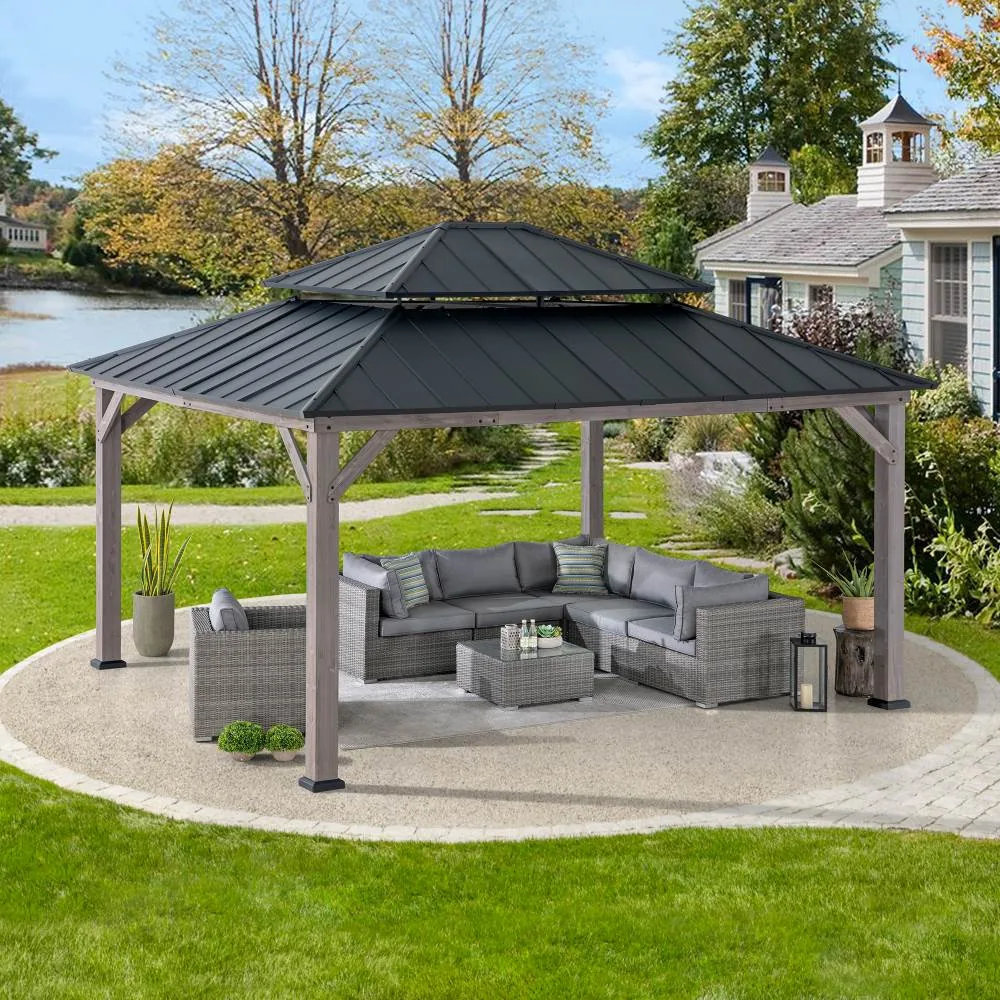
Transform Your Backyard with a Stunning 13x15 Cedar Gazebo - Elegant Outdoor Living Space
Sunjoy · Featured in this article
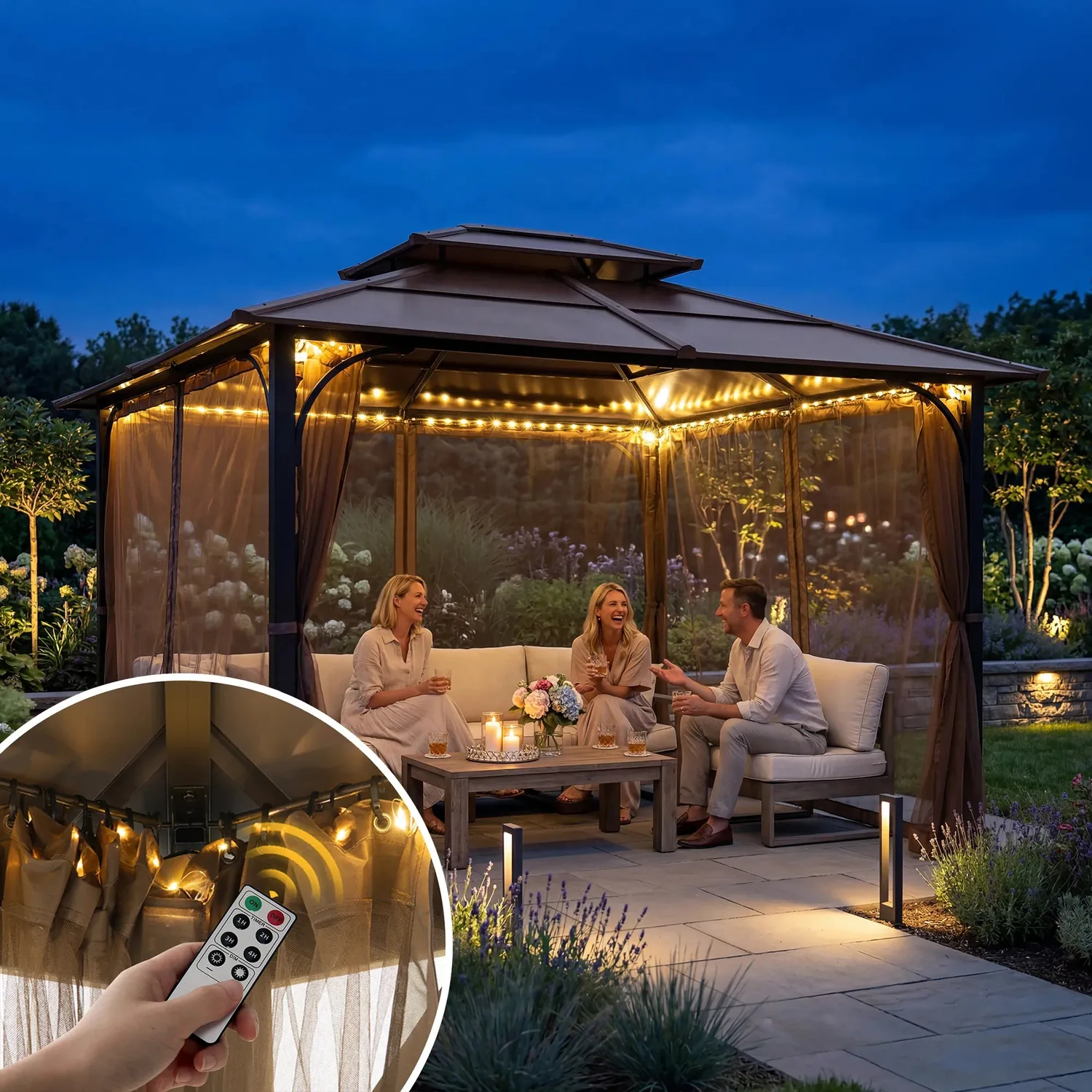
For hardtop gazebos with defined edges, track systems offer the cleanest installation. These aluminum or vinyl channels mount along the perimeter and allow netting to slide in and out as needed. The tracks can be painted to match your gazebo's finish, making them virtually undetectable when the netting is stored. This approach works particularly well with options like the Transform Your Gazebo: Mosquito Netting with Warm LED Lights for 10x12 Hardtop, where the netting system arrives designed specifically for the structure's dimensions.
Soft-top gazebos present different opportunities. Many come with grommets or loops built into the canopy edges, which is where you'll want to coordinate your netting attachment points. Using the same hardware finish throughout—all bronze, all black, all stainless—creates visual continuity. Consider decorative hooks or curtain rings that add a designed element rather than trying to hide the attachment points entirely.
For wooden gazebos, cup hooks or small eye screws in a finish that complements your wood stain or paint provide secure mounting points that look like they belong. Space them evenly around each opening, maintaining consistent distances that create rhythm rather than randomness. This is especially important on structures with prominent woodwork where the hardware becomes part of the overall pattern.
Creating Functional Opening Systems
Static netting that stays closed permanently defeats much of the purpose of having an outdoor structure. You want to enjoy open-air moments when weather permits and mosquitoes are dormant, then close up protection when needed. The trick is creating opening and closing mechanisms that operate smoothly and look deliberate.
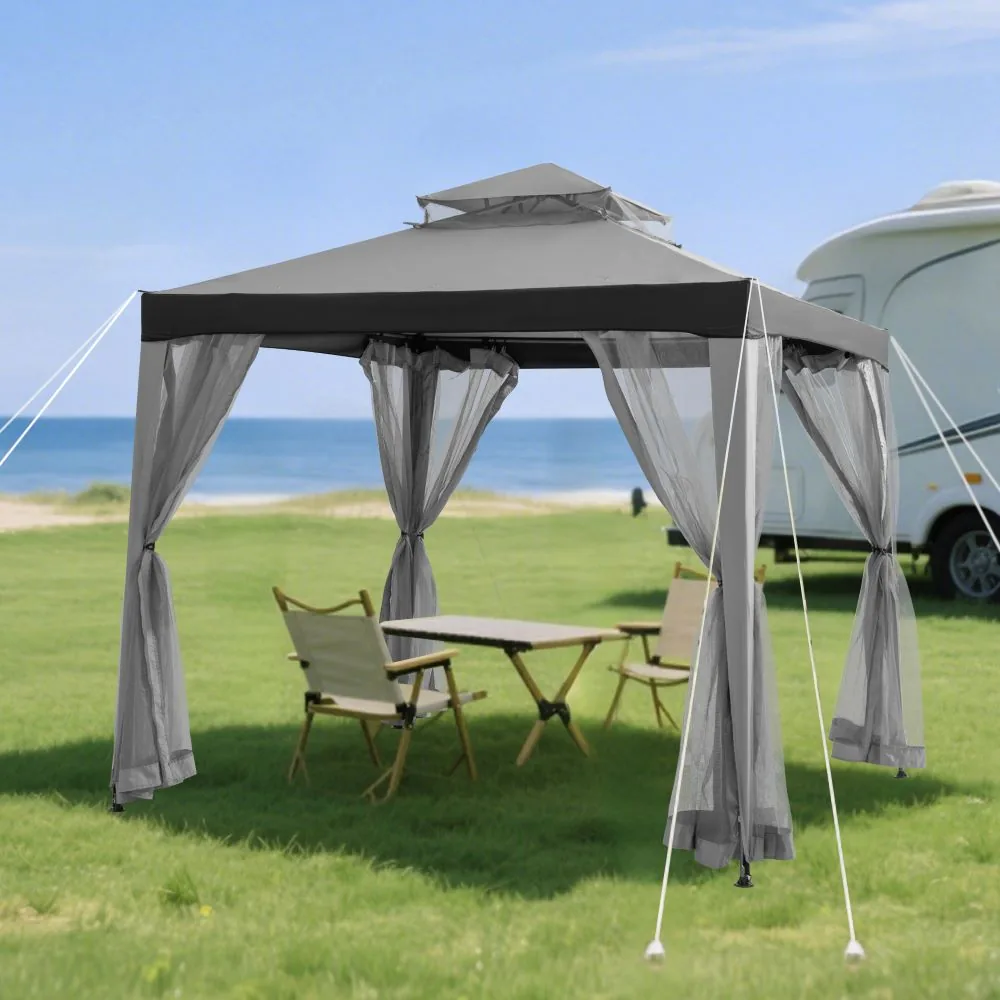
Tie-backs are your friend here, but skip the utilitarian rope loops. Instead, use materials that complement your outdoor design scheme—leather straps for rustic settings, grosgrain ribbon in weather-resistant synthetics for traditional styles, or even chain with decorative S-hooks for industrial-modern gazebos. Position tie-backs at consistent heights on each post, creating a sense of order even when the netting is gathered.
For a more refined approach, consider a simple pulley system that allows netting panels to raise and lower vertically. This works beautifully on gazebos with defined openings and straight posts. The netting remains mostly hidden against the roof line when raised, then provides full coverage when lowered. The hardware is minimal—small pulleys at the top, cleats on posts for securing the lines—but the effect is surprisingly elegant.
Weighted hems prevent the billowing that makes netting look chaotic and cheap. Rather than visible fishing weights or metal rods, opt for sewn-in chain weight or flat steel bars in pockets along the bottom edge. This keeps panels hanging straight and professional-looking even in breezes, and the weights can be removed for washing or winter storage.
Integrating Color and Light Considerations
Even the right netting in the right color can look wrong if you haven't considered how it interacts with your lighting plan. If you have string lights, lanterns, or integrated fixtures in your gazebo, the netting will affect how that light diffuses and appears from outside.
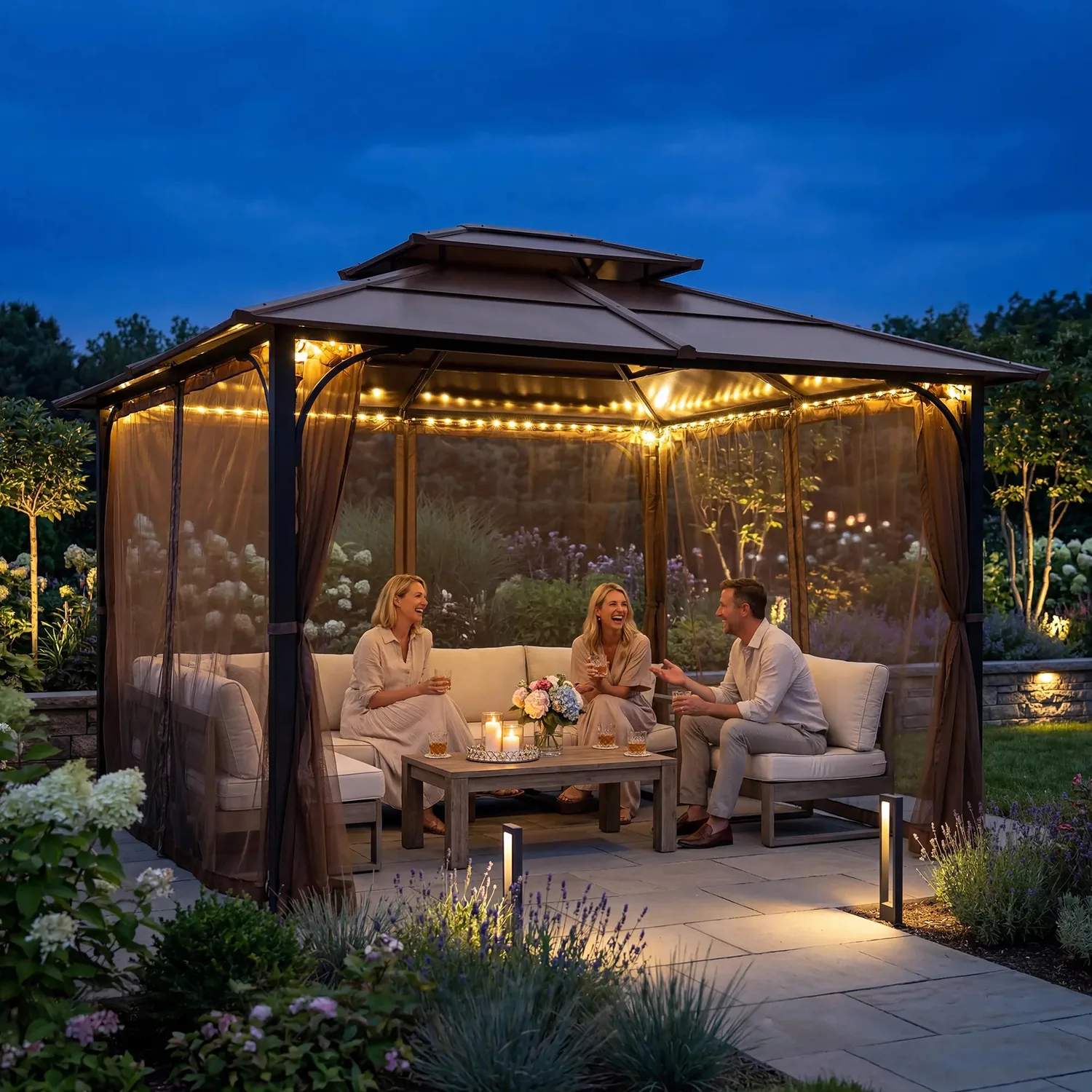
Transform Your Gazebo: Mosquito Netting with Warm LED Lights for 10x12 Hardtop
Sunjoy · Featured in this article
Fine mesh netting actually creates beautiful light diffusion in the evening, softening the glow of bulbs and creating a warm, inviting ambiance visible from your house or other parts of the yard. This is where darker netting colors excel—they provide the diffusion without looking murky or dingy. The Transform Your Backyard: 8x8 Soft Top Gazebo with Mosquito Netting demonstrates this principle, where netting becomes part of the evening atmosphere rather than an obstruction to it.
During daylight hours, consider how sun and shadow will interact with your netting. Backlit netting (sun behind it from your viewing position inside) will appear lighter and more visible than front-lit netting. If your gazebo faces west and you'll be using it primarily in the late afternoon, position your most transparent netting panels on the east side where morning sun will be behind you looking out.
Some designers are experimenting with tinted netting that provides not just insect protection but also sun filtering—bronze-tinted mesh that reduces glare, for instance, or subtle blue tones that create a cooling visual effect. These work best in modern settings where the slight color shift feels intentional rather than odd.
Maintenance and Seasonal Adjustments
The most beautifully installed mosquito netting will quickly look terrible if it's not maintained properly. Plan for this from the start by choosing systems that make removal and cleaning straightforward. Netting that can be unhooked, machine washed on gentle cycle, and rehung in under an hour will actually get cleaned. Complex systems that require tools and patience will stay dirty.
Store netting during months when it's not needed, not just to extend its life but to keep your gazebo's look fresh and seasonally appropriate. Late fall through early spring, when mosquitoes aren't a concern, your structure should look open and inviting in its unadorned state. This seasonal transition also gives you a chance to inspect hardware, tighten any loose mounting points, and make adjustments before the next bug season.
When netting does need replacement—typically every three to four years even with good care—treat it as an opportunity to refine your approach. Maybe the color wasn't quite right, or you've thought of a better opening mechanism. The investment in proper installation the first time means that swapping in new netting is simple, and your gazebo continues to look designed rather than DIY.
When Pre-Integrated Solutions Make Sense
It's worth acknowledging that some of the best-looking mosquito netting solutions come fully integrated from the manufacturer. If you're in the market for a new gazebo or considering replacing an aging structure, models with purpose-built netting systems eliminate all the guesswork about mounting, color matching, and proper fit. These systems are engineered so the netting attachments are hidden in the structure's design, the materials are perfectly coordinated, and the opening mechanisms work smoothly from day one.
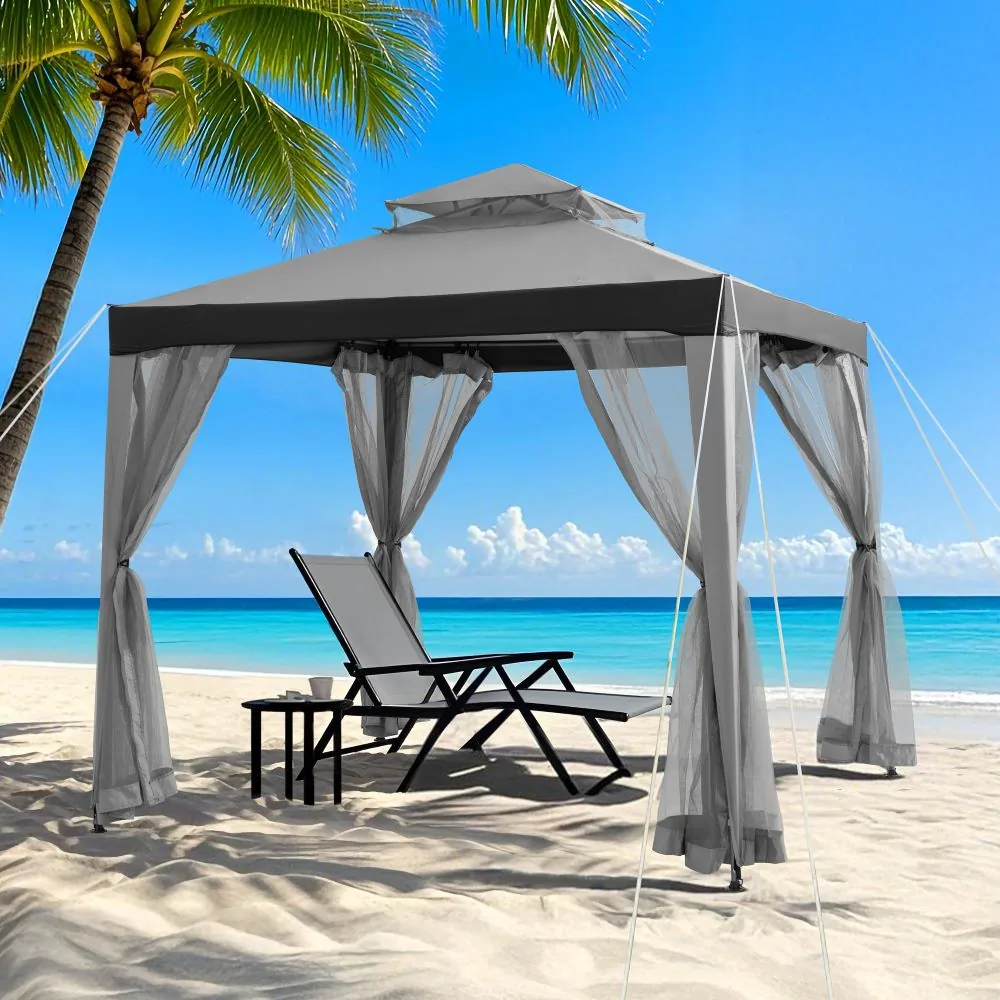
Transform Your Backyard: 8x8 Soft Top Gazebo with Mosquito Netting - Outdoor Living Dreams
Sunjoy · Featured in this article
That said, retrofitting netting to an existing beloved gazebo is absolutely achievable with good results. It just requires being thoughtful about every detail from material selection to hardware finish to how the system will function in daily use.
If you're exploring various options for outdoor structures with integrated insect protection, our full collection of gazebos and outdoor umbrellas includes models at various price points that solve the netting challenge right out of the box.
The following section addresses common specific questions about adding mosquito netting to your gazebo, from dealing with unusual structure shapes to finding the right mesh size for tiny insects in your region.